Data may be outdated
Last updated: 2 months ago — Click refresh to get the latest statistics.
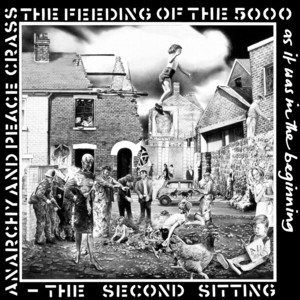
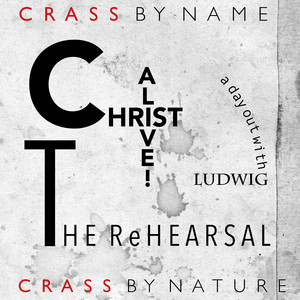
In keeping with early punk ethos, Crass assumed obviously fake stage names. The membership changed a bit over the years, but the group's mainstays were vocalists Steve Ignorant, Eve Libertine, and Joy de Vivre. Drummer <a href="spotify:artist:6DzlPnRAyZGt6OdxniTdxq">Penny Rimbaud</a> and G. Sus, who did tape collages and provided the distinctively bleak black and white artwork on the fold-out posters that usually enclosed their LPs, were also important contributors. Their late-'70s recordings may sound like just so much hardcore punk decades later. But at the time they were indeed shocking assaults of noisy guitars and relentless drumming, backed by throaty, angry rants that were made incomprehensible to many ears by the heavy British accents and the sheer speed of delivery.
They were the definitive uncompromising punk band, which guaranteed them a cult following of very disaffected youth, and also ensured that they would never come remotely close to mainstream exposure, or even to many new wave playlists. An undiluted lyrical message was far more important to Crass than commercial considerations, and until 1984 they cranked out anarchist-leaning recordings without much variation in their attack. Occasional experimental cuts were promising variations on their format, particularly when they branched into tape collage, or spoken poetry. Those were largely the exception rather than the rule, though Crass weren't without the occasional moment of humor.
Crass always intended to disband in 1984, and true to their ideals as always, they did exactly that when that year came around. Even for those with no taste for the band's brand of confrontational punk, they deserve recognition as one of the relatively few acts in the music who attempted to live their values, and not just sing about them. ~ Richie Unterberger, Rovi
Monthly Listeners
100,727
Monthly Listeners History
Track the evolution of monthly listeners over the last 28 days.
Followers
153,407
Followers History
Track the evolution of followers over the last 28 days.
Total Streams
40.6 million
Total Streams History
Track the evolution of total streams over the last 28 days. This data is calculated from all tracks listed in the artist's discography.
Top Cities

Related Artists