Data may be outdated
Last updated: 9 months ago — Click refresh to get the latest statistics.
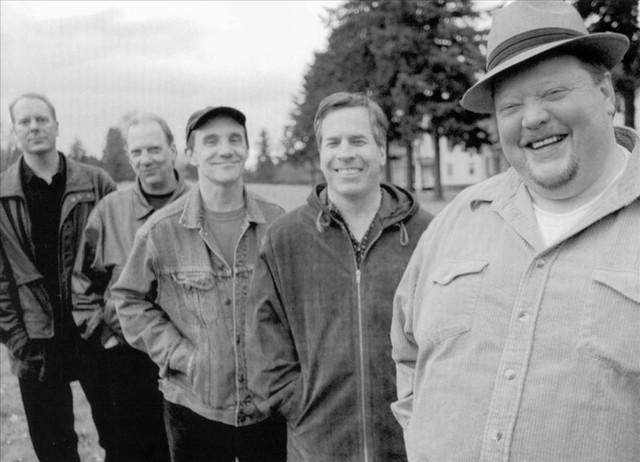
Pianist David Maxwell has been a part of the Boston blues scene as a sideman since the late 1960s, but has only in the '90s begun leading his own band and recording under his own name.
Maxwell took some of his early stylistic cues from the likes of <a href="spotify:artist:0xeI9Z0Uhs8bYGBRpqq88X">Spann</a>, <a href="spotify:artist:5IrMTnoQ7OgoLpFfsisXX2">Sunnyland Slim</a> and <a href="spotify:artist:6h3s7UekUkRHes73EG5N55">Pinetop Perkins</a>, also listening to the recordings of <a href="spotify:artist:6MaCG0Ef8DahWf6Mn0Ikve">Big Maceo</a>, <a href="spotify:artist:1eYhYunlNJlDoQhtYBvPsi">Ray Charles</a> and <a href="spotify:artist:5JuPv0rJXe5aWNTgu8YVqZ">Memphis Slim</a>; he became friendly with <a href="spotify:artist:4y6J8jwRAwO4dssiSmN91R">Muddy Waters</a>' longtime piano player, <a href="spotify:artist:0xeI9Z0Uhs8bYGBRpqq88X">Otis Spann</a>, in the late 1960s.
Maxwell went on to back many great players over the years, including <a href="spotify:artist:5dCuFngSPyOOnTAvrC7v2s">Freddie King</a>, whom he worked with for two years in the early 1970s; <a href="spotify:artist:4KDyYWR7IpxZ7xrdYbKrqY">Bonnie Raitt</a>, whom he worked with in 1974 and '75, while she was still based in Boston; and <a href="spotify:artist:6mY93oNfUaUwZq67yn3R8k">James Cotton</a> from 1977 to 1979. He toured Europe and Japan with <a href="spotify:artist:1h0hOL3bVcYlg4xcSjU7fP">Otis Rush</a> in the 1990s, and has performed over the years with dozens of others, including <a href="spotify:artist:1yNOfXGQNGjAynk77wv85x">John Lee Hooker</a>, <a href="spotify:artist:20k4RFKXyboeDSz9bjumx0">Jimmy Rogers</a>, <a href="spotify:artist:42a3dyv8CfdAz291v6CGM4">Paul Oscher</a>, <a href="spotify:artist:3Dogy4uGWEG13OyOJmw3R9">Hubert Sumlin</a>, <a href="spotify:artist:65SzANOjjJbCdHGbjDkPMU">Bob Margolin</a>, <a href="spotify:artist:1CePnHlc38UfIQovWgyzKP">John Primer</a> and <a href="spotify:artist:7xjcFAzlxdwPCfWi3VOuxU">Ronnie Earl</a>. He has joined many of these same people on their studio efforts, including <a href="spotify:artist:6mY93oNfUaUwZq67yn3R8k">Cotton</a> for his 1997 Grammy-winning Deep in the Blues. Maxwell also can be heard on the soundtrack to the movie Fried Green Tomatoes with longtime Boston musicians <a href="spotify:artist:7xjcFAzlxdwPCfWi3VOuxU">Ronnie Earl</a> and <a href="spotify:artist:003kZCrZhoxCckVJ2jCiJC">Peter Wolf</a>.
Maxwell's debut record for Tone-Cool, Maximum Blues Piano, is a collection of instrumental tunes that showcase many of the Boston scene's veteran players: <a href="spotify:artist:7xjcFAzlxdwPCfWi3VOuxU">Ronnie Earl</a> and <a href="spotify:artist:0x4zZAbD3ZYI5o3RwXj12X">Duke Levine</a> on guitars, Kaz Kazanoff and Gordon Beadle on saxophones, drummer Marty Richards and bassist Marty Ballou. Echoes of all of his influences can be heard throughout the tracks, including <a href="spotify:artist:7l71rXhsmDwoDgbyXDadtZ">Pete Johnson</a> on "Down at A.J.'s Place," and <a href="spotify:artist:0xeI9Z0Uhs8bYGBRpqq88X">Otis Spann</a> on "Deep Into It." ~ Richard Skelly
Maxwell took some of his early stylistic cues from the likes of <a href="spotify:artist:0xeI9Z0Uhs8bYGBRpqq88X">Spann</a>, <a href="spotify:artist:5IrMTnoQ7OgoLpFfsisXX2">Sunnyland Slim</a> and <a href="spotify:artist:6h3s7UekUkRHes73EG5N55">Pinetop Perkins</a>, also listening to the recordings of <a href="spotify:artist:6MaCG0Ef8DahWf6Mn0Ikve">Big Maceo</a>, <a href="spotify:artist:1eYhYunlNJlDoQhtYBvPsi">Ray Charles</a> and <a href="spotify:artist:5JuPv0rJXe5aWNTgu8YVqZ">Memphis Slim</a>; he became friendly with <a href="spotify:artist:4y6J8jwRAwO4dssiSmN91R">Muddy Waters</a>' longtime piano player, <a href="spotify:artist:0xeI9Z0Uhs8bYGBRpqq88X">Otis Spann</a>, in the late 1960s.
Maxwell went on to back many great players over the years, including <a href="spotify:artist:5dCuFngSPyOOnTAvrC7v2s">Freddie King</a>, whom he worked with for two years in the early 1970s; <a href="spotify:artist:4KDyYWR7IpxZ7xrdYbKrqY">Bonnie Raitt</a>, whom he worked with in 1974 and '75, while she was still based in Boston; and <a href="spotify:artist:6mY93oNfUaUwZq67yn3R8k">James Cotton</a> from 1977 to 1979. He toured Europe and Japan with <a href="spotify:artist:1h0hOL3bVcYlg4xcSjU7fP">Otis Rush</a> in the 1990s, and has performed over the years with dozens of others, including <a href="spotify:artist:1yNOfXGQNGjAynk77wv85x">John Lee Hooker</a>, <a href="spotify:artist:20k4RFKXyboeDSz9bjumx0">Jimmy Rogers</a>, <a href="spotify:artist:42a3dyv8CfdAz291v6CGM4">Paul Oscher</a>, <a href="spotify:artist:3Dogy4uGWEG13OyOJmw3R9">Hubert Sumlin</a>, <a href="spotify:artist:65SzANOjjJbCdHGbjDkPMU">Bob Margolin</a>, <a href="spotify:artist:1CePnHlc38UfIQovWgyzKP">John Primer</a> and <a href="spotify:artist:7xjcFAzlxdwPCfWi3VOuxU">Ronnie Earl</a>. He has joined many of these same people on their studio efforts, including <a href="spotify:artist:6mY93oNfUaUwZq67yn3R8k">Cotton</a> for his 1997 Grammy-winning Deep in the Blues. Maxwell also can be heard on the soundtrack to the movie Fried Green Tomatoes with longtime Boston musicians <a href="spotify:artist:7xjcFAzlxdwPCfWi3VOuxU">Ronnie Earl</a> and <a href="spotify:artist:003kZCrZhoxCckVJ2jCiJC">Peter Wolf</a>.
Maxwell's debut record for Tone-Cool, Maximum Blues Piano, is a collection of instrumental tunes that showcase many of the Boston scene's veteran players: <a href="spotify:artist:7xjcFAzlxdwPCfWi3VOuxU">Ronnie Earl</a> and <a href="spotify:artist:0x4zZAbD3ZYI5o3RwXj12X">Duke Levine</a> on guitars, Kaz Kazanoff and Gordon Beadle on saxophones, drummer Marty Richards and bassist Marty Ballou. Echoes of all of his influences can be heard throughout the tracks, including <a href="spotify:artist:7l71rXhsmDwoDgbyXDadtZ">Pete Johnson</a> on "Down at A.J.'s Place," and <a href="spotify:artist:0xeI9Z0Uhs8bYGBRpqq88X">Otis Spann</a> on "Deep Into It." ~ Richard Skelly
Monthly Listeners
1,879
Monthly Listeners History
Track the evolution of monthly listeners over the last 28 days.
Followers
480
Followers History
Track the evolution of followers over the last 28 days.
Top Cities


Related Artists
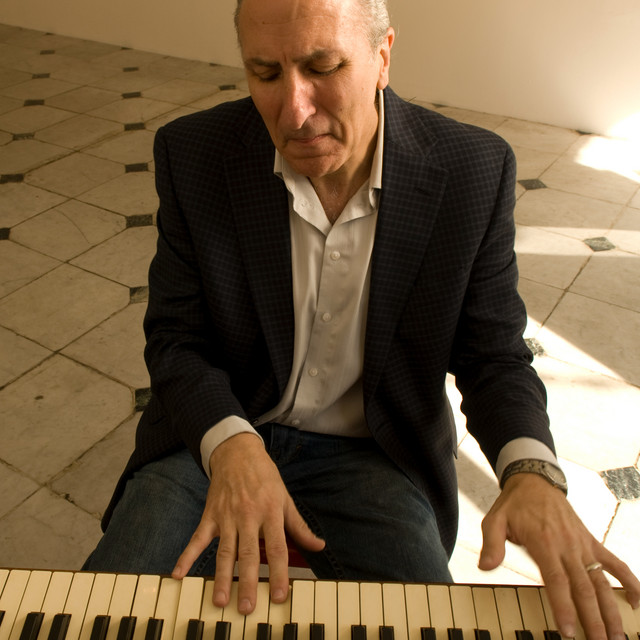
Joe Krown

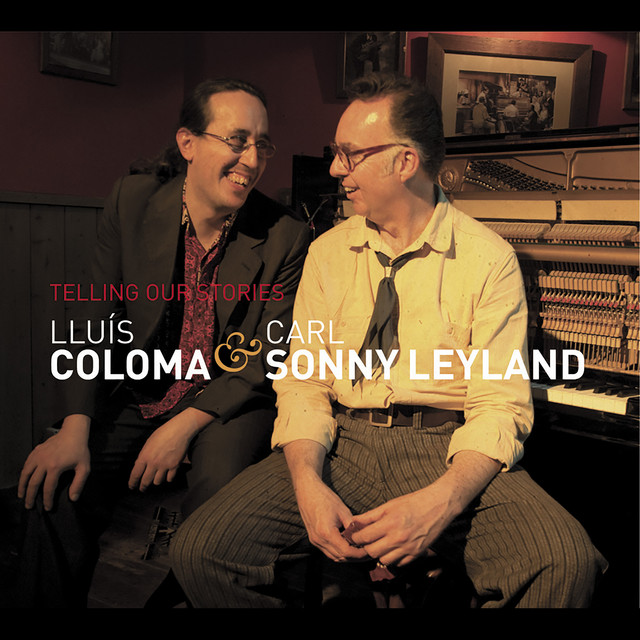
Carl Sonny Leyland


Velvet Burn

Vince Weber & Peter Müller
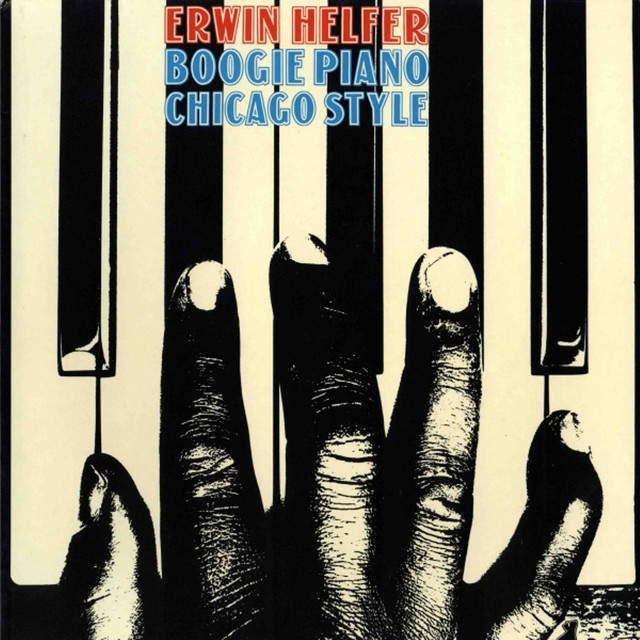
Erwin Helfer
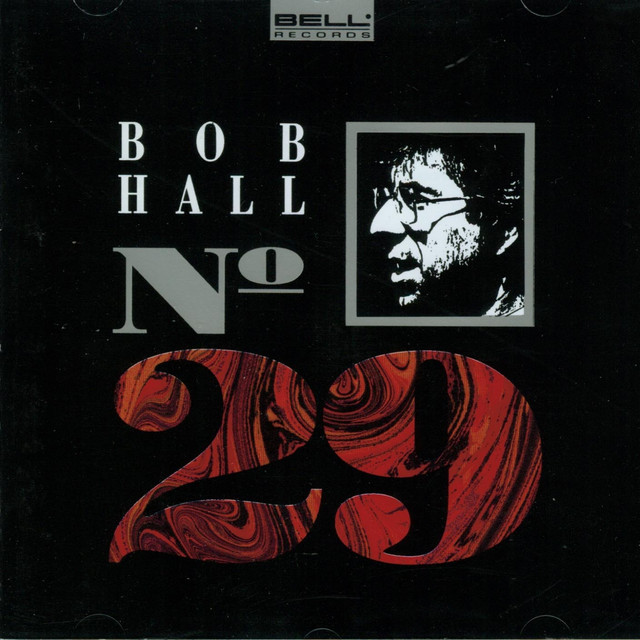
Bob Hall

Tuts Washington

Smokestack Willie
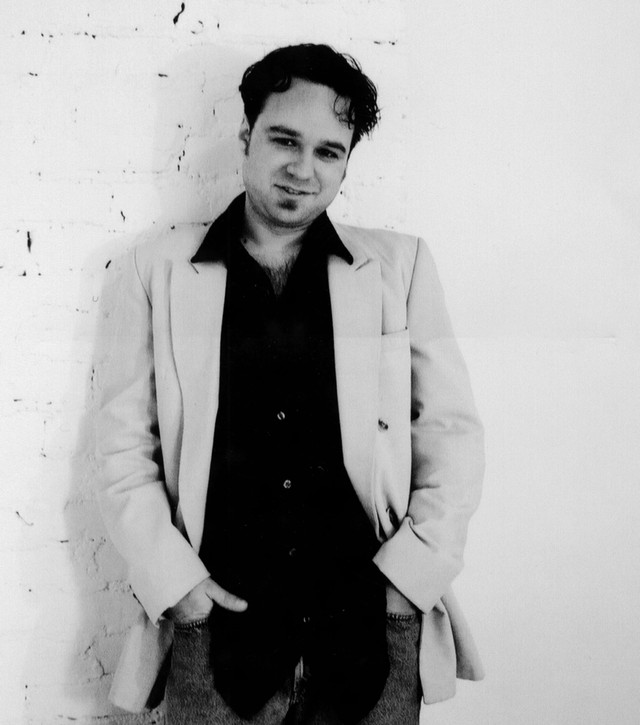
Kevin McKendree
Calvin Jones

Kentucky Ashes
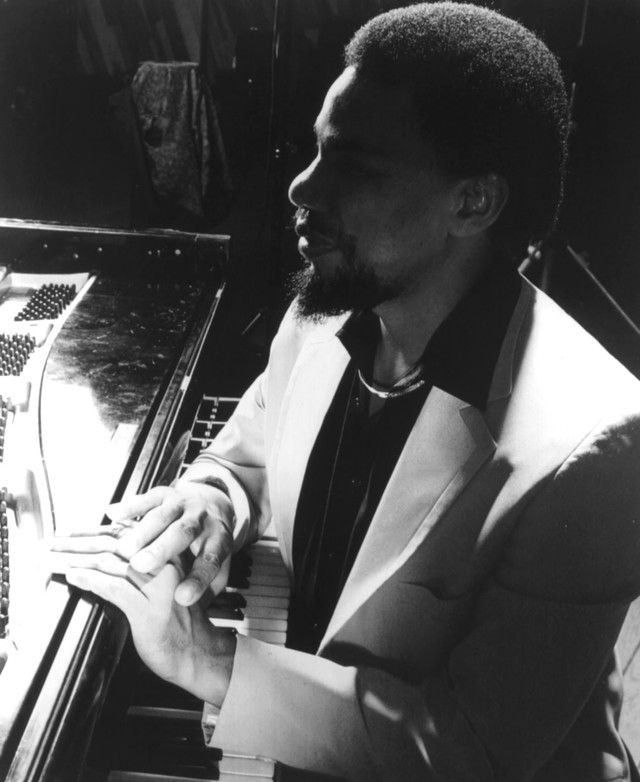

David Vest

Ben Toury


Gottfried Böttger
Paul Delay

Blind Benny Walker

Robert Lucas

Michael Parrish

Charlie Sayles

Paul Rishell

Boogie Woogie Red

Rusty Strings

Eddie Tigner

Smoky Hollow Trio
The Jazz Lounge Trio

Eeco Rijken Rapp
Mitch Woods

Omar Shariff