Data may be outdated
Last updated: 9 months ago — Click refresh to get the latest statistics.
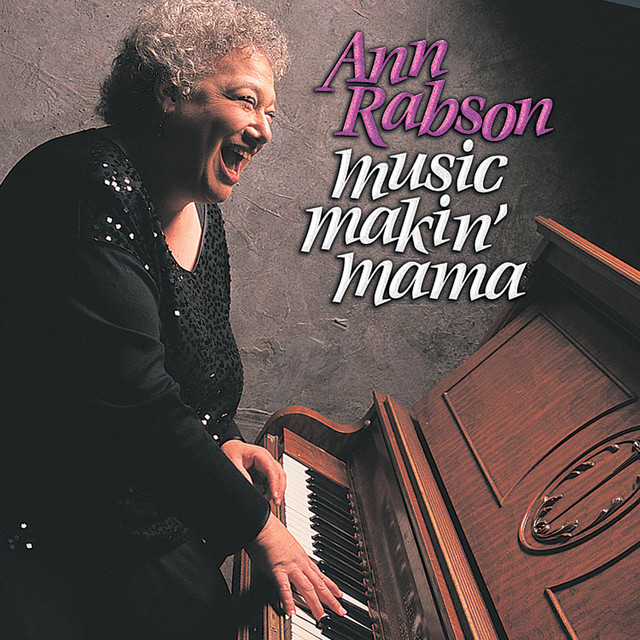
"Music Makin' Mama" Ann Rabson played a considerable role in helping to revive acoustic blues in the post-<a href="spotify:artist:5fsDcuclIe8ZiBD5P787K1">Stevie Ray Vaughan</a> era, both as a solo artist and with <a href="spotify:artist:0mOWWTxAbxY6z9WAoxkQ3E">Saffire -- the Uppity Blues Women</a>, the group she co-founded in 1988. Although she's best known as a boogie-woogie pianist, Rabson worked primarily as a guitarist for the first two decades of her music career, and she boasts the rather unique ability to switch from Chicago barrelhouse piano-pounding to Piedmont fingerpicking at the drop of a hat. Rabson's rootsy approach also draws heavily from the styles of female blues singers of the pre-war era, such as <a href="spotify:artist:2cDKW2JF97WZ5ruG9Obfdf">Lucille Bogan</a>, <a href="spotify:artist:62G2r7t9N2Ad9ILHbg4Eqh">Ida Cox</a>, and <a href="spotify:artist:5ESobCkc6JI4tIMxQttqeg">Bessie Smith</a>. Like her contemporaries <a href="spotify:artist:6hkNj3GAqFbkEUCs3R1dY3">Rory Block</a> and <a href="spotify:artist:4KDyYWR7IpxZ7xrdYbKrqY">Bonnie Raitt</a>, Rabson ranks as an important modern blueswoman who has brought tremendous crossover appeal to the genre.
Born in New York City in 1945, Rabson grew up in Ohio and started tuning into blues and jazz at a very early age. She picked up guitar at 17, and within a year was playing solo gigs and honing a repertoire inspired by the likes of <a href="spotify:artist:2WGyRLosdDgGJTLijIPpNC">Memphis Minnie</a>, <a href="spotify:artist:5ESobCkc6JI4tIMxQttqeg">Bessie Smith</a>, <a href="spotify:artist:0XFbUk3QnKwp0vl9sIQtIg">Tampa Red</a>, and <a href="spotify:artist:2FtoVJBkfbE89zyZJ0E9eR">Leroy Carr</a>. In 1971, Rabson moved to Fredericksburg, VA, where she devoted the next seven years to playing music full-time. Though she eventually went back to working a day job (as a computer programmer), Rabson continued to perform and teach guitar lessons through the '80s. Incidentally, it was playing music part-time that allowed Rabson the chance to study piano -- in particular, the boogie-woogie styles of <a href="spotify:artist:5Htb3OCSbYrsNjXgFP1LqD">Jimmy Yancey</a>, <a href="spotify:artist:7MiRMD4od8lrhJ8sd0etP0">Meade Lux Lewis</a>, and <a href="spotify:artist:3uZRvkqeNHKLMFQrJBaUCX">Amos Milburn</a>.
In 1984, Rabson and one of her guitar students, <a href="spotify:artist:0rHaAC7EOfI1AssVbzlLIM">Gaye Adegbalola</a>, formed <a href="spotify:artist:0mOWWTxAbxY6z9WAoxkQ3E">Saffire</a> and began performing together around Virginia; they later recruited bassist Earlene Lewis to join the group. By the late '80s, Rabson, <a href="spotify:artist:0rHaAC7EOfI1AssVbzlLIM">Adegbalola</a>, and Lewis had committed to <a href="spotify:artist:0mOWWTxAbxY6z9WAoxkQ3E">Saffire</a> full-time and were touring regionally. The trio signed with Alligator Records in 1989 (they were the first all-acoustic band to record for the label), and a year later their self-titled debut album became a critical and commercial success. Rabson's composition "Elevator Man" (from <a href="spotify:artist:0mOWWTxAbxY6z9WAoxkQ3E">Saffire</a>'s follow-up album Hot Flash) was nominated for a W.C. Handy Award in 1992 for Song of the Year.
In addition to touring and recording with <a href="spotify:artist:0mOWWTxAbxY6z9WAoxkQ3E">Saffire</a>, Rabson has continued to work as a solo act and session player. After recording with a number of blues and folk musicians in the 1990s (including <a href="spotify:artist:4vH7ZdfXB7h0i0Rq0dQS5S">Steve James</a>, <a href="spotify:artist:7Dk3koHTPpEymzuWOWzzny">Deborah Coleman</a>, and <a href="spotify:artist:0AiTwNtYX8m4uhfU7rJ8RD">Ani DiFranco</a>), Rabson finally released her first solo album in 1997. Music Makin' Mama showcased Rabson's talents in a variety of contexts -- boogie-woogie, R&B, Piedmont blues, and ballads -- and earned her three more Handy Award nominations in 1998. M.C. Records released Rabson's second solo album, Struttin' My Stuff, in September 2000 to critical acclaim. ~ Ken Chang, Rovi
Born in New York City in 1945, Rabson grew up in Ohio and started tuning into blues and jazz at a very early age. She picked up guitar at 17, and within a year was playing solo gigs and honing a repertoire inspired by the likes of <a href="spotify:artist:2WGyRLosdDgGJTLijIPpNC">Memphis Minnie</a>, <a href="spotify:artist:5ESobCkc6JI4tIMxQttqeg">Bessie Smith</a>, <a href="spotify:artist:0XFbUk3QnKwp0vl9sIQtIg">Tampa Red</a>, and <a href="spotify:artist:2FtoVJBkfbE89zyZJ0E9eR">Leroy Carr</a>. In 1971, Rabson moved to Fredericksburg, VA, where she devoted the next seven years to playing music full-time. Though she eventually went back to working a day job (as a computer programmer), Rabson continued to perform and teach guitar lessons through the '80s. Incidentally, it was playing music part-time that allowed Rabson the chance to study piano -- in particular, the boogie-woogie styles of <a href="spotify:artist:5Htb3OCSbYrsNjXgFP1LqD">Jimmy Yancey</a>, <a href="spotify:artist:7MiRMD4od8lrhJ8sd0etP0">Meade Lux Lewis</a>, and <a href="spotify:artist:3uZRvkqeNHKLMFQrJBaUCX">Amos Milburn</a>.
In 1984, Rabson and one of her guitar students, <a href="spotify:artist:0rHaAC7EOfI1AssVbzlLIM">Gaye Adegbalola</a>, formed <a href="spotify:artist:0mOWWTxAbxY6z9WAoxkQ3E">Saffire</a> and began performing together around Virginia; they later recruited bassist Earlene Lewis to join the group. By the late '80s, Rabson, <a href="spotify:artist:0rHaAC7EOfI1AssVbzlLIM">Adegbalola</a>, and Lewis had committed to <a href="spotify:artist:0mOWWTxAbxY6z9WAoxkQ3E">Saffire</a> full-time and were touring regionally. The trio signed with Alligator Records in 1989 (they were the first all-acoustic band to record for the label), and a year later their self-titled debut album became a critical and commercial success. Rabson's composition "Elevator Man" (from <a href="spotify:artist:0mOWWTxAbxY6z9WAoxkQ3E">Saffire</a>'s follow-up album Hot Flash) was nominated for a W.C. Handy Award in 1992 for Song of the Year.
In addition to touring and recording with <a href="spotify:artist:0mOWWTxAbxY6z9WAoxkQ3E">Saffire</a>, Rabson has continued to work as a solo act and session player. After recording with a number of blues and folk musicians in the 1990s (including <a href="spotify:artist:4vH7ZdfXB7h0i0Rq0dQS5S">Steve James</a>, <a href="spotify:artist:7Dk3koHTPpEymzuWOWzzny">Deborah Coleman</a>, and <a href="spotify:artist:0AiTwNtYX8m4uhfU7rJ8RD">Ani DiFranco</a>), Rabson finally released her first solo album in 1997. Music Makin' Mama showcased Rabson's talents in a variety of contexts -- boogie-woogie, R&B, Piedmont blues, and ballads -- and earned her three more Handy Award nominations in 1998. M.C. Records released Rabson's second solo album, Struttin' My Stuff, in September 2000 to critical acclaim. ~ Ken Chang, Rovi
Monthly Listeners
3,789
Monthly Listeners History
Track the evolution of monthly listeners over the last 28 days.
Followers
1,448
Followers History
Track the evolution of followers over the last 28 days.
Top Cities

Related Artists




David Vest



Robert Lucas
Mitch Woods

Paul Rishell

Beverly Guitar Watkins
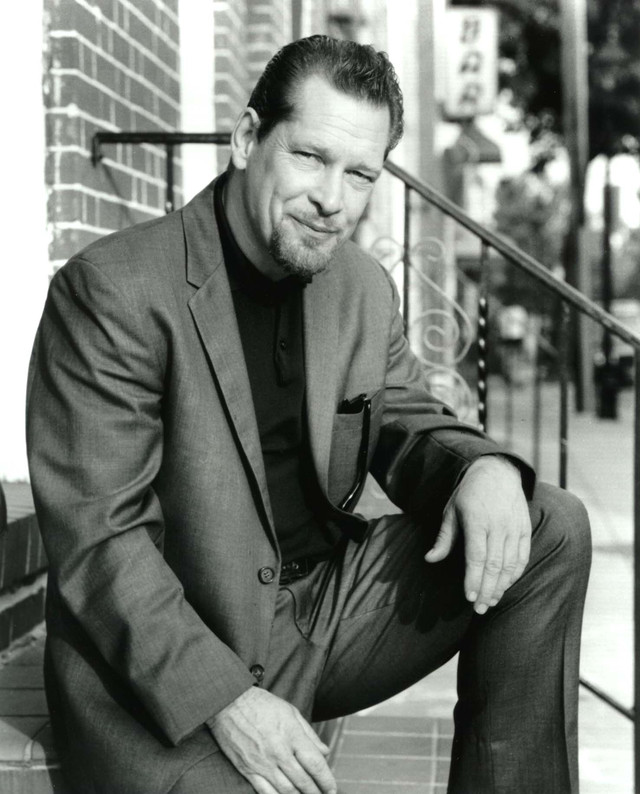
Steve Guyger

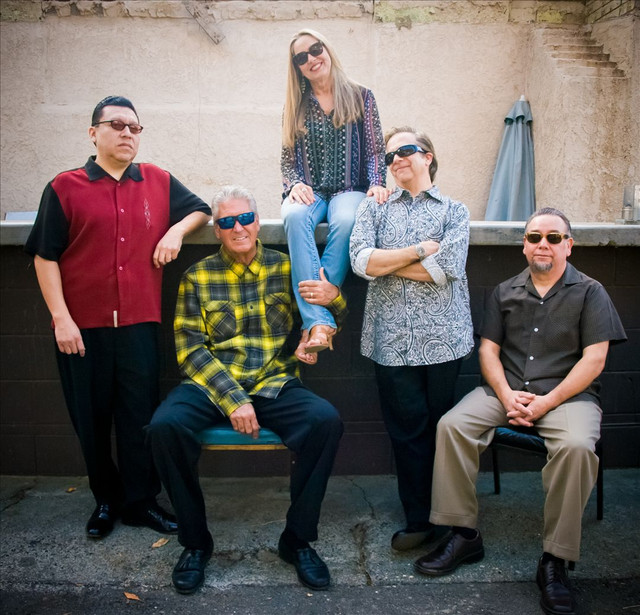
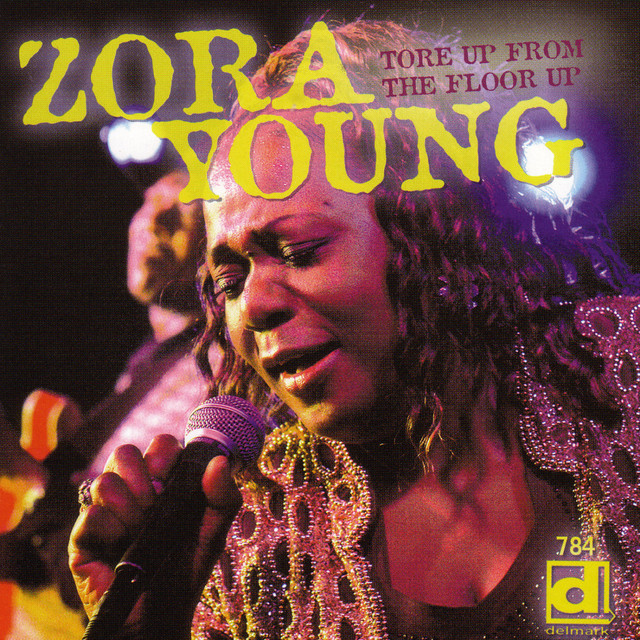
Zora Young

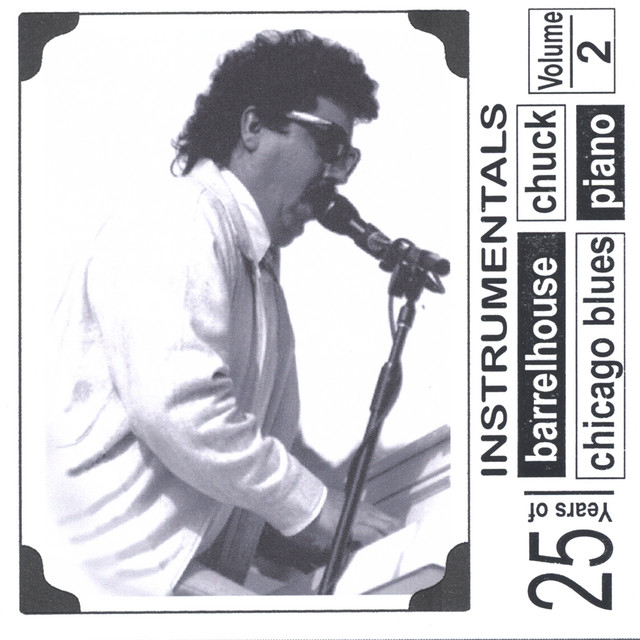

Lady Bass

Vince Weber & Peter Müller


Steve 'Big Man' Clayton

The James Cotton Blues Band