Data may be outdated
Last updated: 9 months ago — Click refresh to get the latest statistics.
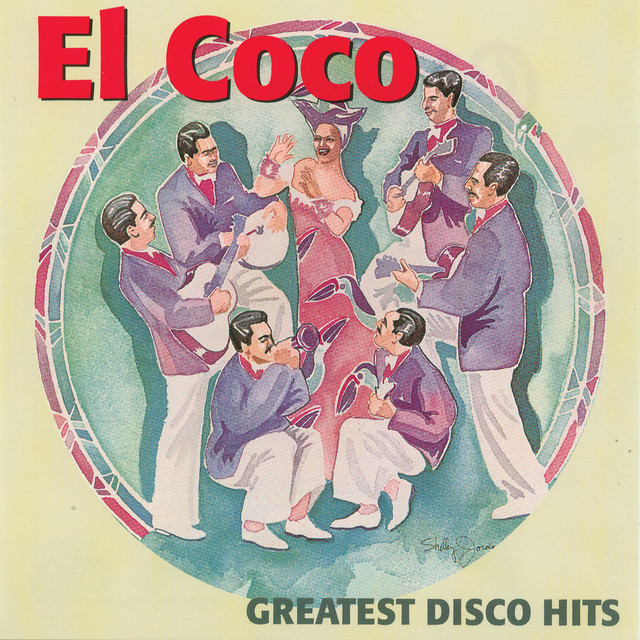
El Coco was the best-known of several projects by cult disco favorites <a href="spotify:artist:68TpVJzBmxjbEkbIYTdHoN">W. Michael Lewis</a> and <a href="spotify:artist:7Ei7Skcxyz2zDe7iPNrB1o">Laurin Rinder</a>, who produced, arranged, wrote, and played all the instruments on four albums of dancefloor-friendly sounds that were released between 1975 and 1979. The duo showed off their studio-honed musical skills on original tracks like "Cocomotion" and "Let’s Get It Together," while also giving a disco reboot to standards like "Caravan."
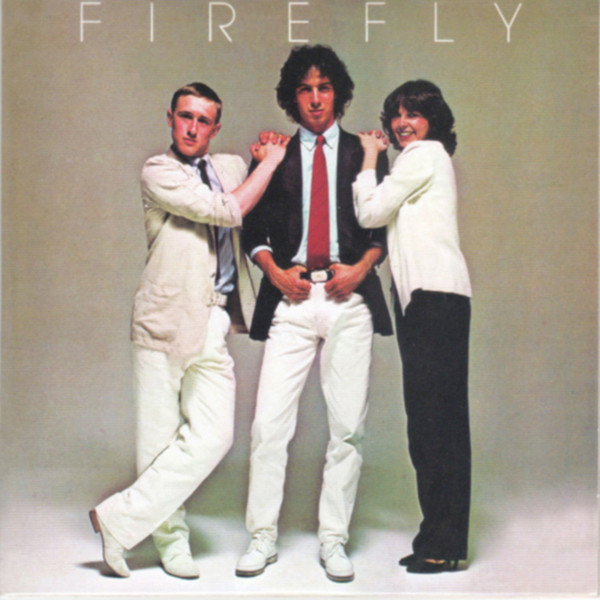
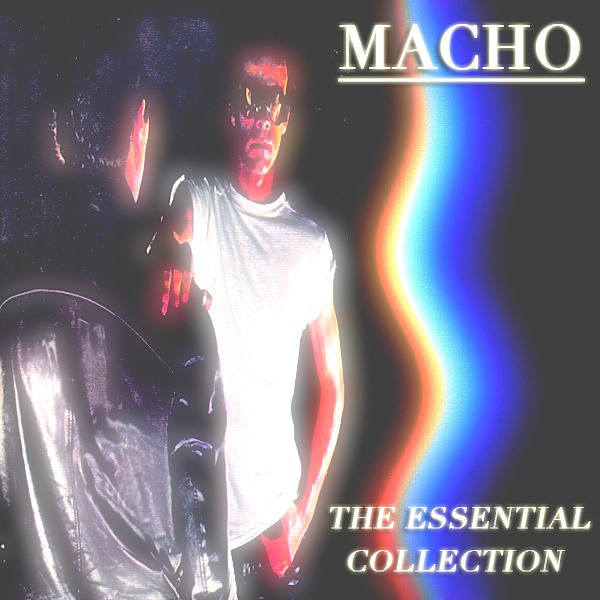
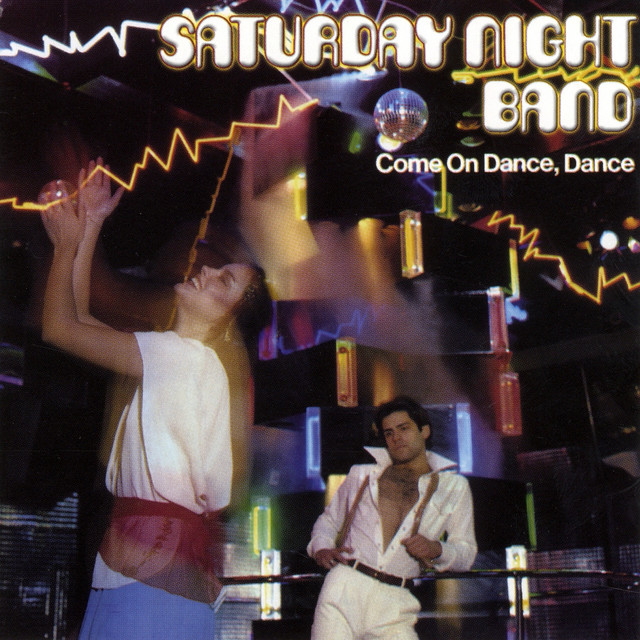
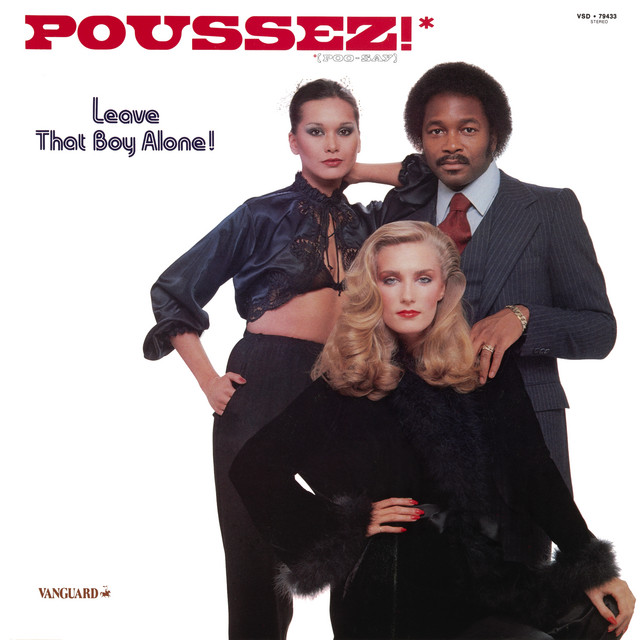
The duo's distinctive sound was partly a result of their jazz training, which showed up not only in their arrangements and chord progressions, but in the overall musicality and sonic imagination. <a href="spotify:artist:7Ei7Skcxyz2zDe7iPNrB1o">Rinder</a> had been a longtime session and touring drummer for rock and soul artists, and played on sessions at <a href="spotify:search:label%3A%22Motown%22">Motown</a> and <a href="spotify:search:label%3A%22Muscle+Shoals%22">Muscle Shoals</a>. He met keyboardist <a href="spotify:artist:68TpVJzBmxjbEkbIYTdHoN">Lewis</a> in Los Angeles during the late '60s at an audition for <a href="spotify:artist:4BM6qze88exQPVILQpcYpj">the Standells</a>; the two went on to play in a rock band called Joshua, and in 1973 they were hired by the AVI label to play on some extended R&B remixes geared for dance club play. Thus hooked into the emerging disco sound, <a href="spotify:artist:7Ei7Skcxyz2zDe7iPNrB1o">Rinder</a> and <a href="spotify:artist:68TpVJzBmxjbEkbIYTdHoN">Lewis</a> began producing and recording their own tracks in 1975, issuing the LP Caravan under the fictitious group name El Coco (a drug reference). Mondo Disco followed in 1976, as did Let's Get It Together, the point where they really hit their stride. The title cut was co-written by singer Merria Ross and was a substantial club hit, breaking El Coco on the disco scene. The title tracks on 1977's Cocomotion and 1978's Dancing in Paradise were also successful, with the former (again co-written by Ross) ranking as el Coco's best-remembered outing. By this time, <a href="spotify:artist:7Ei7Skcxyz2zDe7iPNrB1o">Rinder</a> and <a href="spotify:artist:68TpVJzBmxjbEkbIYTdHoN">Lewis</a> were producing TV theme music and releasing albums under their own name like 1977s Seven Deadly Sins. They also began issuing side projects on the Butterfly label as well; these alternate guises included <a href="spotify:artist:16BeYyh3173qK3Mqbnpdvi">Tuxedo Junction</a>, <a href="spotify:artist:6wQVCM60us2WrW3YoMTP0P">Saint Tropez</a>, le Pamplemousse, <a href="spotify:artist:6Y1opGAV1raSjzCjDV9zia">Rinder & Lewis</a>, and the Rinlew Allstars. They kept the El Coco machine humming along, even as the disco supernova began to fade -- 1979's Dance Man and 1980's Revolución -- and after it was barely an ember commercially -- 1982's self-titled album and Collectables from the same year. Concurrently, the duo were putting out records credited to <a href="spotify:artist:6Y1opGAV1raSjzCjDV9zia">Rinder & Lewis</a> like 1979's Warriors, 1980's Cataclysm, and 1982's Full Circle. Soon after issuing the latter album, they retired from music. Songs popping up on compilations and a reissue of Seven Deadly Sins kept the duo's name alive for collectors, and in 2025, the first four of the El Coco albums -- plus some bonus extended mixes -- were issued by <a href="spotify:search:label%3A%22Robinsongs%22">Robinsongs</a>. ~ Steve Huey, Rovi
The duo's distinctive sound was partly a result of their jazz training, which showed up not only in their arrangements and chord progressions, but in the overall musicality and sonic imagination. <a href="spotify:artist:7Ei7Skcxyz2zDe7iPNrB1o">Rinder</a> had been a longtime session and touring drummer for rock and soul artists, and played on sessions at <a href="spotify:search:label%3A%22Motown%22">Motown</a> and <a href="spotify:search:label%3A%22Muscle+Shoals%22">Muscle Shoals</a>. He met keyboardist <a href="spotify:artist:68TpVJzBmxjbEkbIYTdHoN">Lewis</a> in Los Angeles during the late '60s at an audition for <a href="spotify:artist:4BM6qze88exQPVILQpcYpj">the Standells</a>; the two went on to play in a rock band called Joshua, and in 1973 they were hired by the AVI label to play on some extended R&B remixes geared for dance club play. Thus hooked into the emerging disco sound, <a href="spotify:artist:7Ei7Skcxyz2zDe7iPNrB1o">Rinder</a> and <a href="spotify:artist:68TpVJzBmxjbEkbIYTdHoN">Lewis</a> began producing and recording their own tracks in 1975, issuing the LP Caravan under the fictitious group name El Coco (a drug reference). Mondo Disco followed in 1976, as did Let's Get It Together, the point where they really hit their stride. The title cut was co-written by singer Merria Ross and was a substantial club hit, breaking El Coco on the disco scene. The title tracks on 1977's Cocomotion and 1978's Dancing in Paradise were also successful, with the former (again co-written by Ross) ranking as el Coco's best-remembered outing. By this time, <a href="spotify:artist:7Ei7Skcxyz2zDe7iPNrB1o">Rinder</a> and <a href="spotify:artist:68TpVJzBmxjbEkbIYTdHoN">Lewis</a> were producing TV theme music and releasing albums under their own name like 1977s Seven Deadly Sins. They also began issuing side projects on the Butterfly label as well; these alternate guises included <a href="spotify:artist:16BeYyh3173qK3Mqbnpdvi">Tuxedo Junction</a>, <a href="spotify:artist:6wQVCM60us2WrW3YoMTP0P">Saint Tropez</a>, le Pamplemousse, <a href="spotify:artist:6Y1opGAV1raSjzCjDV9zia">Rinder & Lewis</a>, and the Rinlew Allstars. They kept the El Coco machine humming along, even as the disco supernova began to fade -- 1979's Dance Man and 1980's Revolución -- and after it was barely an ember commercially -- 1982's self-titled album and Collectables from the same year. Concurrently, the duo were putting out records credited to <a href="spotify:artist:6Y1opGAV1raSjzCjDV9zia">Rinder & Lewis</a> like 1979's Warriors, 1980's Cataclysm, and 1982's Full Circle. Soon after issuing the latter album, they retired from music. Songs popping up on compilations and a reissue of Seven Deadly Sins kept the duo's name alive for collectors, and in 2025, the first four of the El Coco albums -- plus some bonus extended mixes -- were issued by <a href="spotify:search:label%3A%22Robinsongs%22">Robinsongs</a>. ~ Steve Huey, Rovi
Monthly Listeners
10,733
Monthly Listeners History
Track the evolution of monthly listeners over the last 28 days.
Followers
7,636
Followers History
Track the evolution of followers over the last 28 days.
Top Cities
518 listeners

313 listeners

302 listeners
204 listeners
173 listeners