Data may be outdated
Last updated: 9 months ago — Click refresh to get the latest statistics.
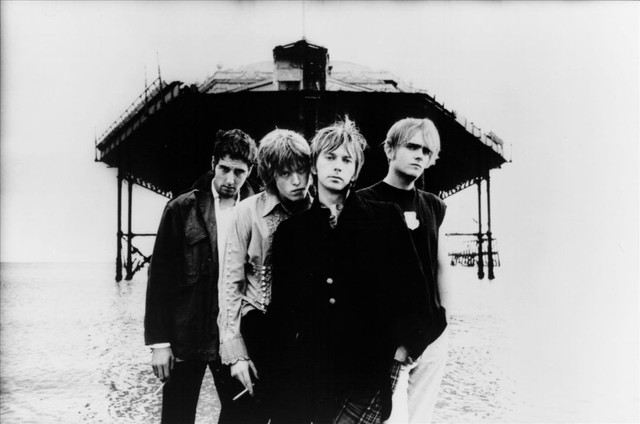
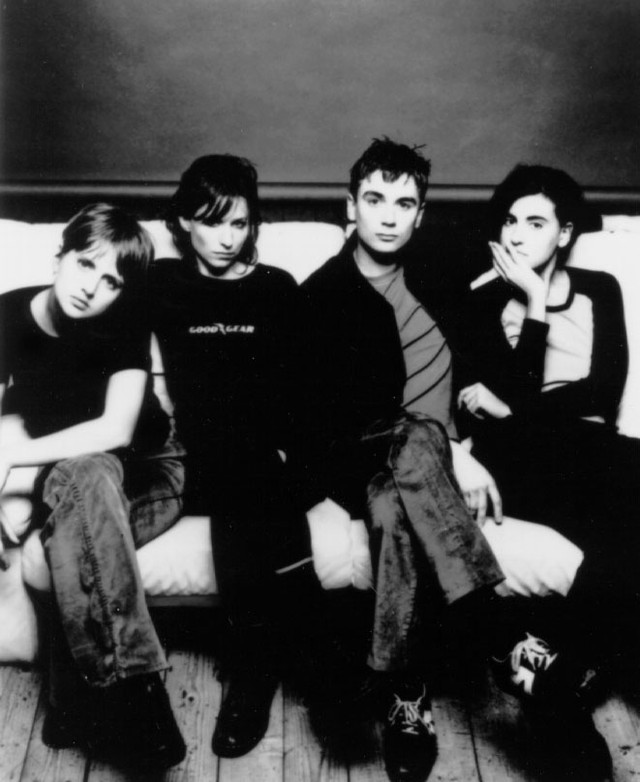
Elastica's brief, angular, and catchy punk rock became a hit on both sides of the Atlantic in 1995. While the group reworked both the sound and the image of new wave and punk rockers like <a href="spotify:artist:3QP0XPDwbvGivqDAaJ5f5G">Adam & the Ants</a>, <a href="spotify:artist:2i8ynmFv4qgRksyDlBgi6d">Wire</a>, <a href="spotify:artist:2DxlS3lTLFIq70S7ap5H3y">the Buzzcocks</a>, and <a href="spotify:artist:4tpUmLEVLCGFr93o8hFFIB">Blondie</a>, the band's songs are more pop-oriented and hook-driven than most of their influences, as heard on their breakthrough hit "Connection" from 1995's Elastica. After their follow-up The Menace failed to make much of a splash, the band went their separate ways in 2001.
Guitarist/vocalist Justine Frischmann began performing professionally in the early '90s, forming <a href="spotify:artist:6PHIK3kjWggLtVygsOtpqS">Suede</a> with <a href="spotify:artist:0ndVVO80abvgGgjv2ICzct">Brett Anderson</a>. In addition to naming the band, Frischmann was the group's original guitarist and continued to perform with them once lead guitarist <a href="spotify:artist:28pqwEjm2WDueRWP4AjA1x">Bernard Butler</a> joined. However, she left the group soon after her relationship with <a href="spotify:artist:0ndVVO80abvgGgjv2ICzct">Anderson</a> ended. Frischmann formed Elastica after leaving <a href="spotify:artist:6PHIK3kjWggLtVygsOtpqS">Suede</a> in 1991. Recruiting guitarist Donna Matthews, drummer Justin Welch, and bassist Annie Holland through advertisements, the final lineup of the band was set in 1993. Elastica released their first single, the roaring three-chord, two-minute punk rocker "Stutter," at the end of 1993. The single was a limited-edition run and it quickly sold out, thanks to radio airplay and rave reviews. "Line Up" followed a few months later. It also sold very well, yet some critics claimed the band appropriated the melody from <a href="spotify:artist:2i8ynmFv4qgRksyDlBgi6d">Wire</a>'s "I Am the Fly" for the song. For most of 1994, the group was relatively quiet, playing the occasional concert and recording; nevertheless, the band's name stayed in the British press, largely due to Frischmann's romance with <a href="spotify:artist:0O98jlCaPzvsoei6U5jfEL">Damon Albarn</a>, the lead singer for <a href="spotify:artist:7MhMgCo0Bl0Kukl93PZbYS">Blur</a>, England's most popular band of the year. Released in the fall of that year, "Connection," their biggest hit yet, suffered similar criticisms as "Line Up," this time for taking the keyboard riff from <a href="spotify:artist:2i8ynmFv4qgRksyDlBgi6d">Wire</a>'s "Three Girl Rhumba." On the eve of the March 1995 release of their debut album, the group was taken to court by <a href="spotify:artist:2i8ynmFv4qgRksyDlBgi6d">Wire</a>'s publishers, as well as the publishers of <a href="spotify:artist:0RUEHcBiENFEqxgicqS2ig">the Stranglers</a> (who claimed Elastica's new single, "Waking Up," took the riff from the punk band's "No More Heroes"); both cases were settled out of court before the album was released.
Entering the charts at number one, Elastica's self-titled first album became the fastest-selling debut in the U.K., beating the record <a href="spotify:artist:2DaxqgrOhkeH0fpeiQq2f4">Oasis</a>' Definitely Maybe set only seven months earlier. As well as being a popular success, the record received overwhelmingly positive reviews. Like <a href="spotify:artist:2DaxqgrOhkeH0fpeiQq2f4">Oasis</a>, Elastica managed to have a hit single in America with "Connection"; the single was a major modern rock radio hit, as well as reaching the Top 100 on the singles chart. Elastica continued to make headway in America by replacing <a href="spotify:artist:4sD9znwiVFx9cgRPZ42aQ1">Sinead O'Connor</a> on the 1995 Lollapalooza tour, although the group suffered a blow when <a href="spotify:artist:3ig4Yf8S2Bjq2yVsiayKM0">Holland</a> announced her exit from the lineup. A follow-up LP was years in the making, and Elastica's future was the subject of considerable media speculation; in the spring of 1999 <a href="spotify:artist:13vQloYd6mP7V1mVwKJwS2">Matthews</a> quit as well, although <a href="spotify:artist:3ig4Yf8S2Bjq2yVsiayKM0">Holland</a> soon returned to the fold, joining new guitarist Paul Jones as well as keyboardists Dave Bush and Mew. A new six-track EP finally appeared late that summer. Their long-awaited sophomore effort, The Menace, was finally released six years after the band's debut. After a year of inactivity, the band released a farewell single in England and announced that their breakup -- which had been rumored about them for some time -- was indeed final. ~ Stephen Thomas Erlewine, Rovi
Guitarist/vocalist Justine Frischmann began performing professionally in the early '90s, forming <a href="spotify:artist:6PHIK3kjWggLtVygsOtpqS">Suede</a> with <a href="spotify:artist:0ndVVO80abvgGgjv2ICzct">Brett Anderson</a>. In addition to naming the band, Frischmann was the group's original guitarist and continued to perform with them once lead guitarist <a href="spotify:artist:28pqwEjm2WDueRWP4AjA1x">Bernard Butler</a> joined. However, she left the group soon after her relationship with <a href="spotify:artist:0ndVVO80abvgGgjv2ICzct">Anderson</a> ended. Frischmann formed Elastica after leaving <a href="spotify:artist:6PHIK3kjWggLtVygsOtpqS">Suede</a> in 1991. Recruiting guitarist Donna Matthews, drummer Justin Welch, and bassist Annie Holland through advertisements, the final lineup of the band was set in 1993. Elastica released their first single, the roaring three-chord, two-minute punk rocker "Stutter," at the end of 1993. The single was a limited-edition run and it quickly sold out, thanks to radio airplay and rave reviews. "Line Up" followed a few months later. It also sold very well, yet some critics claimed the band appropriated the melody from <a href="spotify:artist:2i8ynmFv4qgRksyDlBgi6d">Wire</a>'s "I Am the Fly" for the song. For most of 1994, the group was relatively quiet, playing the occasional concert and recording; nevertheless, the band's name stayed in the British press, largely due to Frischmann's romance with <a href="spotify:artist:0O98jlCaPzvsoei6U5jfEL">Damon Albarn</a>, the lead singer for <a href="spotify:artist:7MhMgCo0Bl0Kukl93PZbYS">Blur</a>, England's most popular band of the year. Released in the fall of that year, "Connection," their biggest hit yet, suffered similar criticisms as "Line Up," this time for taking the keyboard riff from <a href="spotify:artist:2i8ynmFv4qgRksyDlBgi6d">Wire</a>'s "Three Girl Rhumba." On the eve of the March 1995 release of their debut album, the group was taken to court by <a href="spotify:artist:2i8ynmFv4qgRksyDlBgi6d">Wire</a>'s publishers, as well as the publishers of <a href="spotify:artist:0RUEHcBiENFEqxgicqS2ig">the Stranglers</a> (who claimed Elastica's new single, "Waking Up," took the riff from the punk band's "No More Heroes"); both cases were settled out of court before the album was released.
Entering the charts at number one, Elastica's self-titled first album became the fastest-selling debut in the U.K., beating the record <a href="spotify:artist:2DaxqgrOhkeH0fpeiQq2f4">Oasis</a>' Definitely Maybe set only seven months earlier. As well as being a popular success, the record received overwhelmingly positive reviews. Like <a href="spotify:artist:2DaxqgrOhkeH0fpeiQq2f4">Oasis</a>, Elastica managed to have a hit single in America with "Connection"; the single was a major modern rock radio hit, as well as reaching the Top 100 on the singles chart. Elastica continued to make headway in America by replacing <a href="spotify:artist:4sD9znwiVFx9cgRPZ42aQ1">Sinead O'Connor</a> on the 1995 Lollapalooza tour, although the group suffered a blow when <a href="spotify:artist:3ig4Yf8S2Bjq2yVsiayKM0">Holland</a> announced her exit from the lineup. A follow-up LP was years in the making, and Elastica's future was the subject of considerable media speculation; in the spring of 1999 <a href="spotify:artist:13vQloYd6mP7V1mVwKJwS2">Matthews</a> quit as well, although <a href="spotify:artist:3ig4Yf8S2Bjq2yVsiayKM0">Holland</a> soon returned to the fold, joining new guitarist Paul Jones as well as keyboardists Dave Bush and Mew. A new six-track EP finally appeared late that summer. Their long-awaited sophomore effort, The Menace, was finally released six years after the band's debut. After a year of inactivity, the band released a farewell single in England and announced that their breakup -- which had been rumored about them for some time -- was indeed final. ~ Stephen Thomas Erlewine, Rovi
Monthly Listeners
375,563
Monthly Listeners History
Track the evolution of monthly listeners over the last 28 days.
Followers
192,831
Followers History
Track the evolution of followers over the last 28 days.
Top Cities
8,293 listeners

6,418 listeners

5,938 listeners
5,831 listeners

5,549 listeners

Related Artists




Republica





EMF

The London Suede