Data may be outdated
Last updated: 9 months ago — Click refresh to get the latest statistics.
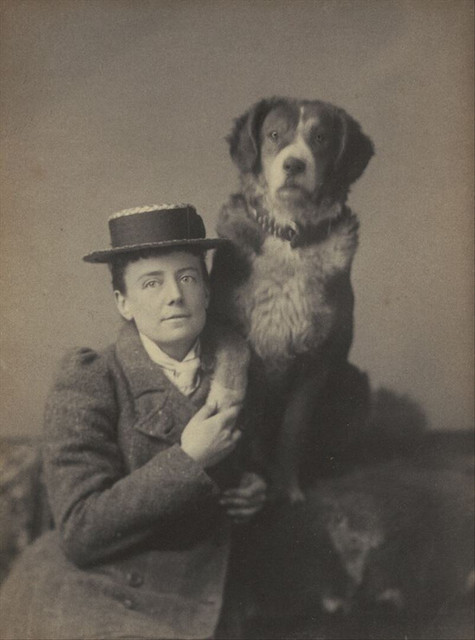
A child prodigy as a pianist, Ethel Smyth was a pioneer among female composers in England. She faced considerable gender discrimination over her long career but was supported by <a href="spotify:artist:1jK7F6jheJ08CowHGDW6IN">Arthur Sullivan</a> and others. Smyth had broad interests outside music, including sports and the cause of women's suffrage, serving a prison term in connection with the latter. She had a large compositional output in most major genres; much of it awaits recording, but a dozen recordings featuring works by Smyth appeared between 2021 and 2024.
Smyth was born in Sidcup, now part of London, on April 22, 1858. Her father, a military officer, strongly opposed her musical ambitions, but she showed major talent on the piano as a youngster and was composing by age ten. Smyth finally prevailed upon her father to allow her to study in Germany, where she attended the Leipzig Conservatory and later studied with composer <a href="spotify:artist:7rGF8aXoyAmqaoatyBaM6n">Heinrich von Herzogenberg</a>. She met both <a href="spotify:artist:5wTAi7QkpP6kp8a54lmTOq">Brahms</a> and <a href="spotify:artist:2yzaWNFV3cxmcRZtwtr5WC">Clara Schumann</a>; both influenced her music, but her style is not derivative. Back in England, she was encouraged by <a href="spotify:artist:1jK7F6jheJ08CowHGDW6IN">Sullivan</a> and composed a Mass in D, which was performed at the Royal Albert Hall in 1893 under the sponsorship of Queen Victoria. Smyth objected to the patronizing tone of some reviewers, including George Bernard Shaw; she continued to face charges of writing overly masculine music when she essayed larger forms and of being overly feminine when she didn't. The Mass in D, however, saw further performances in the first half of the 20th century and has been recorded several times, first by the Plymouth Music Series Orchestra in 1991.
Another Smyth success was the opera The Wreckers, originally composed in French as Les naufrageurs and first performed in German translation in 1906. Smyth co-wrote the libretto, a dark Romantic tale of Cornish villagers luring ships to destruction, with her friend Henry Brewster. A recording of the opera appeared in 1994 on the <a href="spotify:search:label%3A%22Conifer%22">Conifer</a> label, and it has been performed in recent years by major companies, including the Houston Grand Opera. Smyth's earlier opera, Der Wald (1903), was mounted at the Metropolitan Opera in New York and remained the only opera by a woman produced there until <a href="spotify:artist:35ooFrlJDRGXeuI2fL70d3">Kaija Saariaho</a>'s L'Amour de loin in 2016.
Smyth wrote works in many genres, including four other operas, a ballet, Fête galante, sacred and secular choral works, orchestral music, including a concerto for violin and horn, six string quartets, a variety of other chamber music, three piano sonatas and other piano and organ music, more than 20 songs, and a brass band fanfare, Hot Potatoes. Much of her music remains unrecorded, although it has become more popular in the 21st century; by the mid-2020s, recordings existed for some 40 of her works. Outside of music, Smyth was a writer, an ardent women's suffrage supporter, and an avid golfer whose ashes were scattered, at her request, in the woods abutting the Woking Golf Club. Smyth had a colorful personal life that included both female and male lovers, as well as an unrequited crush on writer Virginia Woolf, who said that the experience was like being caught by a giant crab. Smyth died in Woking on May 8, 1944. ~ James Manheim, Rovi
Smyth was born in Sidcup, now part of London, on April 22, 1858. Her father, a military officer, strongly opposed her musical ambitions, but she showed major talent on the piano as a youngster and was composing by age ten. Smyth finally prevailed upon her father to allow her to study in Germany, where she attended the Leipzig Conservatory and later studied with composer <a href="spotify:artist:7rGF8aXoyAmqaoatyBaM6n">Heinrich von Herzogenberg</a>. She met both <a href="spotify:artist:5wTAi7QkpP6kp8a54lmTOq">Brahms</a> and <a href="spotify:artist:2yzaWNFV3cxmcRZtwtr5WC">Clara Schumann</a>; both influenced her music, but her style is not derivative. Back in England, she was encouraged by <a href="spotify:artist:1jK7F6jheJ08CowHGDW6IN">Sullivan</a> and composed a Mass in D, which was performed at the Royal Albert Hall in 1893 under the sponsorship of Queen Victoria. Smyth objected to the patronizing tone of some reviewers, including George Bernard Shaw; she continued to face charges of writing overly masculine music when she essayed larger forms and of being overly feminine when she didn't. The Mass in D, however, saw further performances in the first half of the 20th century and has been recorded several times, first by the Plymouth Music Series Orchestra in 1991.
Another Smyth success was the opera The Wreckers, originally composed in French as Les naufrageurs and first performed in German translation in 1906. Smyth co-wrote the libretto, a dark Romantic tale of Cornish villagers luring ships to destruction, with her friend Henry Brewster. A recording of the opera appeared in 1994 on the <a href="spotify:search:label%3A%22Conifer%22">Conifer</a> label, and it has been performed in recent years by major companies, including the Houston Grand Opera. Smyth's earlier opera, Der Wald (1903), was mounted at the Metropolitan Opera in New York and remained the only opera by a woman produced there until <a href="spotify:artist:35ooFrlJDRGXeuI2fL70d3">Kaija Saariaho</a>'s L'Amour de loin in 2016.
Smyth wrote works in many genres, including four other operas, a ballet, Fête galante, sacred and secular choral works, orchestral music, including a concerto for violin and horn, six string quartets, a variety of other chamber music, three piano sonatas and other piano and organ music, more than 20 songs, and a brass band fanfare, Hot Potatoes. Much of her music remains unrecorded, although it has become more popular in the 21st century; by the mid-2020s, recordings existed for some 40 of her works. Outside of music, Smyth was a writer, an ardent women's suffrage supporter, and an avid golfer whose ashes were scattered, at her request, in the woods abutting the Woking Golf Club. Smyth had a colorful personal life that included both female and male lovers, as well as an unrequited crush on writer Virginia Woolf, who said that the experience was like being caught by a giant crab. Smyth died in Woking on May 8, 1944. ~ James Manheim, Rovi
Monthly Listeners
5,736
Monthly Listeners History
Track the evolution of monthly listeners over the last 28 days.
Followers
6,171
Followers History
Track the evolution of followers over the last 28 days.
Top Cities


Related Artists
Pauline Viardot

Vitezslava Kaprálová

Emilie Mayer

Julius Röntgen
Marie Jaell

Christoph Croisé

Agathe Backer Grøndahl

Maria Herz
Svetlin Roussev
Raphaël Sévère
Joachim Raff
Simon Callaghan
Kalle Randalu
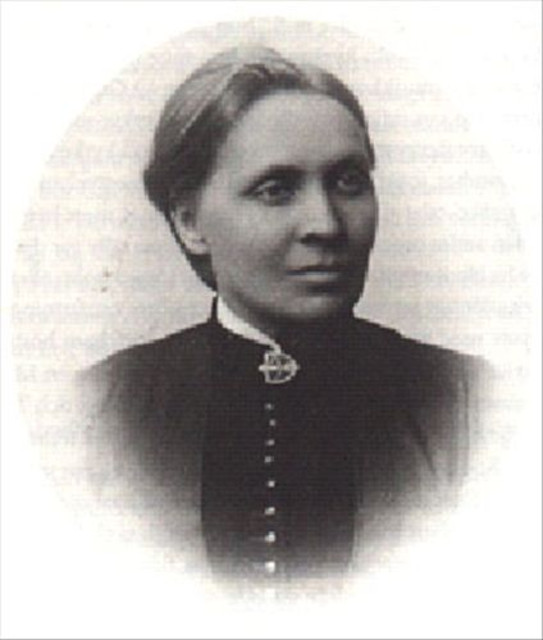
Elfrida Andrée

Liepāja Symphony Orchestra
Adam Laloum
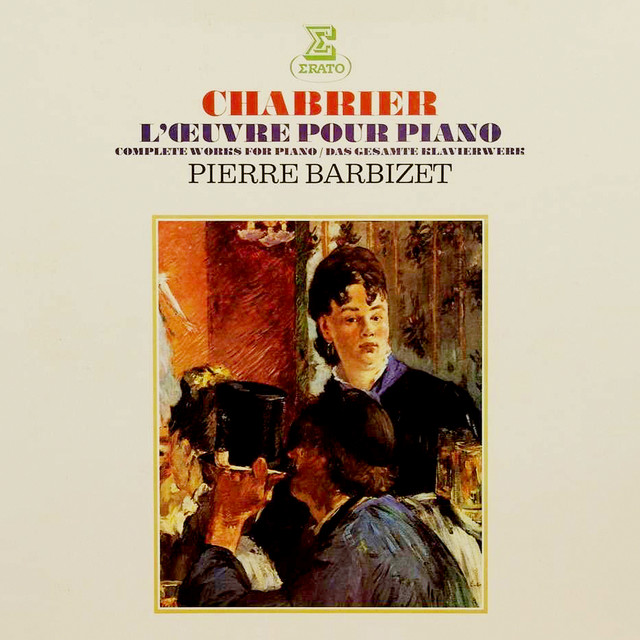
Pierre Barbizet
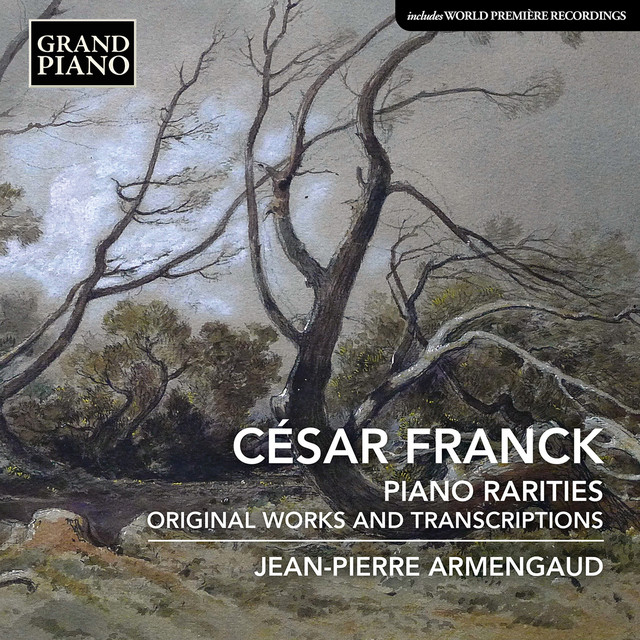
Jean-Pierre Armengaud

Alliage Quintett
Wu Han
Oxalys

Mieczysław Karłowicz


Henriette Bosmans
Arthur Foote
André Caplet