Data may be outdated
Last updated: 9 months ago — Click refresh to get the latest statistics.
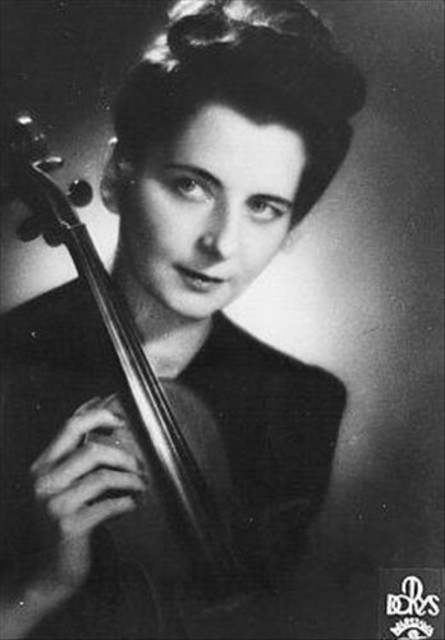
Grazyna Bacewicz was a Polish composer known for her dramatic neoclassical style. She began her career as a violinist and became one of the most influential composers of her generation. She was born into a musical family in Łódź in 1909, and her first musical instruction came from her father. She attended Helena Kijenska-Dobkiewiczowa's Musical Conservatory in Łódź from 1919 to 1923, and in 1924 her family moved to Warsaw. Four years later, she enrolled at the Warsaw Conservatory and studied composition with Kazimierz Sikorski, violin with Józef Jarzębski, and piano with Józef Turczyński. Although she was a talented pianist, she discontinued her piano studies early in her time at the conservatory so she could focus more on practicing the violin and composing. Her first compositions were written for violin and piano, which she often performed with her older brother Kiejstut accompanying her on the piano. She graduated from the conservatory in 1932, and moved to Paris to study composition with <a href="spotify:artist:1vfC2bld90kx966JTCSwf7">Nadia Boulanger</a> at the Ecole Normale de Musique. She also took violin lessons with Andre Touret, and with Carl Flesch in 1934. In 1936, she became the principal violinist for the <a href="spotify:artist:62QURushyB5wug2XPwajwK">Polish Radio Orchestra</a>, conducted by Grzegorz Fitelberg. That same year she also married Andrzej Biernacki, who later became a professor at the Warsaw Academy of Medicine. Bacewicz performed with the <a href="spotify:artist:62QURushyB5wug2XPwajwK">Polish Radio Orchestra</a> until 1938, and she also toured Europe as a soloist until World War II began in 1939. However, she continued to compose and gave performances in secret underground concerts in Warsaw. After the war ended in 1945, she resumed her career as a composer and touring violin soloist and started teaching at the National Conservatory in Łódź. Her compositional style began to shift to a more personal approach that was less concerned with form than her earlier works. She also became interested in counterpoint and started exploring more sophisticated approaches to melody and harmony. Bacewicz's most significant works from this period include her String Quartet No. 4, Violin Concerto No. 4, and Piano Sonata No. 2. In 1953 she suffered serious injuries from a car accident and was hospitalized for several months. After her recovery she immediately resumed composing and teaching in Łódź. She gradually focused more on composing, and by 1955 she stopped performing altogether. From then until the mid-'60s, she experimented with concepts such as 12-tone serialism and eventually folk melody, which was an influence in her Viola Concerto. She taught composition at the Warsaw Conservatory starting in 1966, and she continued composing into her final years. Bacewicz died from a heart attack in 1969. ~ RJ Lambert, Rovi
Monthly Listeners
10,041
Monthly Listeners History
Track the evolution of monthly listeners over the last 28 days.
Followers
5,030
Followers History
Track the evolution of followers over the last 28 days.
Top Cities
304 listeners

211 listeners

121 listeners

113 listeners
97 listeners
Related Artists
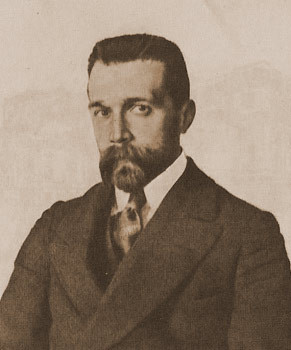
Nikolai Myaskovsky
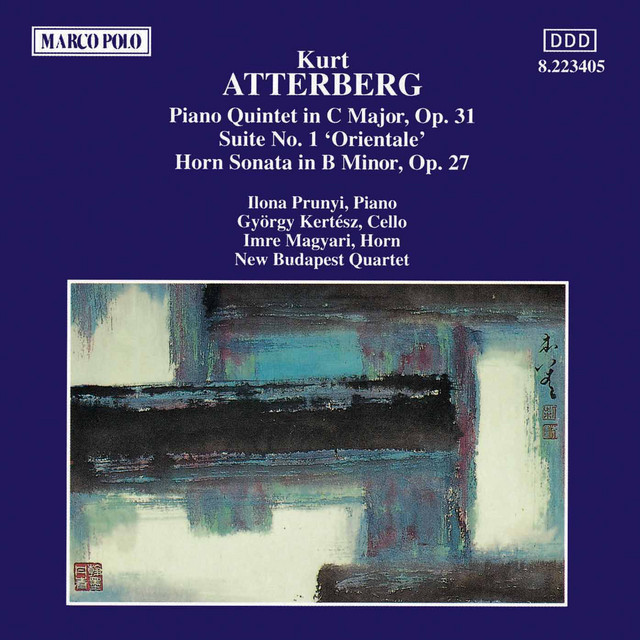
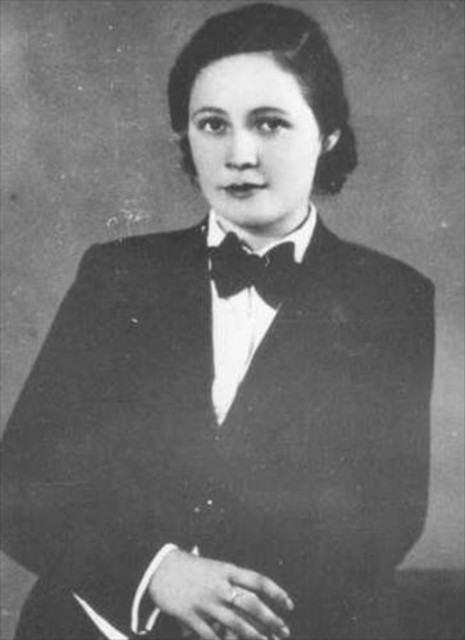
Vitezslava Kaprálová
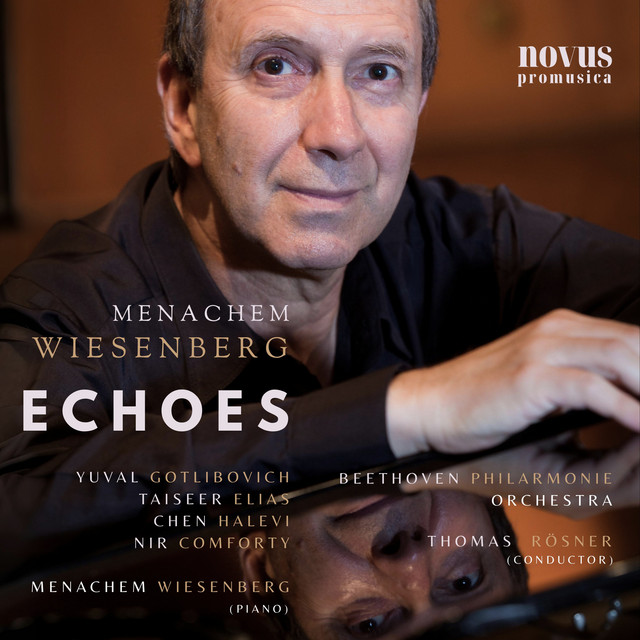
Yuval Gotlibovich
Menachem Wiesenberg


Liepāja Symphony Orchestra

Simon Callaghan
Svetlin Roussev
Mieczysław Karłowicz
Henri Dutilleux
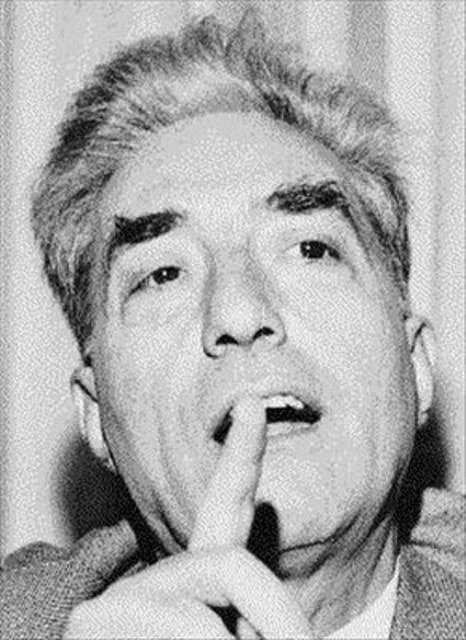
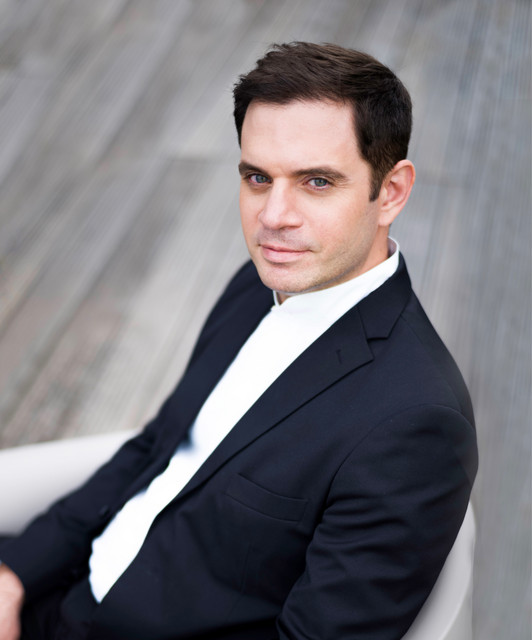
Christopher Ward
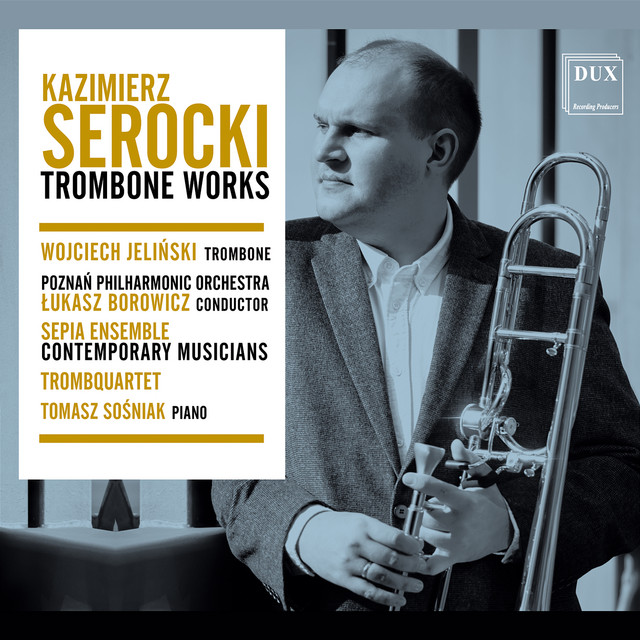
Kazimierz Serocki


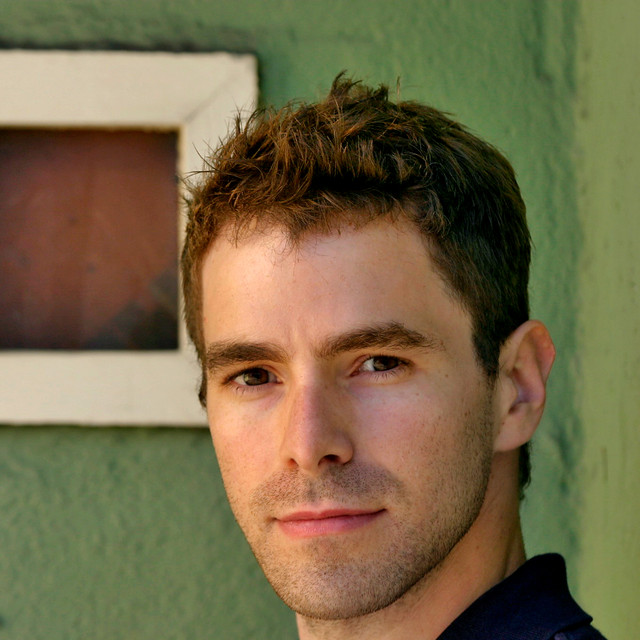
Benjamin Shwartz
Jan Michiels

York Bowen


Karl Amadeus Hartmann
Joseph Jongen
