Data may be outdated
Last updated: 9 months ago — Click refresh to get the latest statistics.
George Lewis never tried to be a virtuoso soloist. He loved to play melodic ensembles where his distinctive clarinet was free to improvise as simply as he desired. When Lewis was inspired and in tune, he could hold his own with any of his contemporaries in New Orleans and he always sounded beautiful playing his "Burgundy Street Blues." To everyone's surprise (including himself), he became one of the most popular figures of the New Orleans revival movement of the 1950s.
It took Lewis a long time to achieve fame. He taught himself clarinet when he was 18 and worked in the '20s with <a href="spotify:artist:59vqAAe1vHZVUpwtIL2lb5">the Black Eagle Band</a>, Buddy Petit, <a href="spotify:artist:2nLK1CVZhGslAENNRQv2cV">the Eureka Brass Band</a>, Chris Kelly, <a href="spotify:artist:7fvNIXXszS6FTHROnZVsK4">Kid Ory</a>, the Olympia Orchestra, and other New Orleans groups. He played with <a href="spotify:artist:4HGHKAXQPnK1YyzGmIFkrp">Bunk Johnson</a> in Evan Thomas' group in the early '30s but had a day job throughout most of the decade. When <a href="spotify:artist:4HGHKAXQPnK1YyzGmIFkrp">Bunk</a> was discovered in 1942, Lewis became part of his band, playing with him <a href="spotify:artist:4HGHKAXQPnK1YyzGmIFkrp">Johnson</a>, however, was difficult to get along with and a homesick Lewis returned to New Orleans by 1946. He played locally with his own group (featuring trombonist <a href="spotify:artist:2FWuxTJhQ5qXHUSrfpi9vw">Jim Robinson</a>) and in 1950 was portrayed in an article for Look. That exposure led to him recording regularly, and by 1952, Lewis was in such great demand that he was soon working before crowds in California and touring Europe and Japan. In addition to <a href="spotify:artist:2FWuxTJhQ5qXHUSrfpi9vw">Robinson</a>, Lewis' band in its prime years often featured trumpeter <a href="spotify:artist:1pKKVZhIQ7GcpSe4hsPsp5">Kid Howard</a>, pianist <a href="spotify:artist:09vMU1DuWgjxRynGM5sXcW">Alton Purnell</a>, banjoist Lawrence Marrero, bassist Alcide "Slow Drag" Pavageau, and drummer Joe Watkins. George Lewis, who recorded for many labels (a Mosaic box set of his Blue Note sessions is one of the best reissues), became a symbol of what was right and wrong about the New Orleans revival movement, overpraised by his fans and overcritized by his detractors. At his best he was well worth hearing. ~ Scott Yanow, Rovi
It took Lewis a long time to achieve fame. He taught himself clarinet when he was 18 and worked in the '20s with <a href="spotify:artist:59vqAAe1vHZVUpwtIL2lb5">the Black Eagle Band</a>, Buddy Petit, <a href="spotify:artist:2nLK1CVZhGslAENNRQv2cV">the Eureka Brass Band</a>, Chris Kelly, <a href="spotify:artist:7fvNIXXszS6FTHROnZVsK4">Kid Ory</a>, the Olympia Orchestra, and other New Orleans groups. He played with <a href="spotify:artist:4HGHKAXQPnK1YyzGmIFkrp">Bunk Johnson</a> in Evan Thomas' group in the early '30s but had a day job throughout most of the decade. When <a href="spotify:artist:4HGHKAXQPnK1YyzGmIFkrp">Bunk</a> was discovered in 1942, Lewis became part of his band, playing with him <a href="spotify:artist:4HGHKAXQPnK1YyzGmIFkrp">Johnson</a>, however, was difficult to get along with and a homesick Lewis returned to New Orleans by 1946. He played locally with his own group (featuring trombonist <a href="spotify:artist:2FWuxTJhQ5qXHUSrfpi9vw">Jim Robinson</a>) and in 1950 was portrayed in an article for Look. That exposure led to him recording regularly, and by 1952, Lewis was in such great demand that he was soon working before crowds in California and touring Europe and Japan. In addition to <a href="spotify:artist:2FWuxTJhQ5qXHUSrfpi9vw">Robinson</a>, Lewis' band in its prime years often featured trumpeter <a href="spotify:artist:1pKKVZhIQ7GcpSe4hsPsp5">Kid Howard</a>, pianist <a href="spotify:artist:09vMU1DuWgjxRynGM5sXcW">Alton Purnell</a>, banjoist Lawrence Marrero, bassist Alcide "Slow Drag" Pavageau, and drummer Joe Watkins. George Lewis, who recorded for many labels (a Mosaic box set of his Blue Note sessions is one of the best reissues), became a symbol of what was right and wrong about the New Orleans revival movement, overpraised by his fans and overcritized by his detractors. At his best he was well worth hearing. ~ Scott Yanow, Rovi
Monthly Listeners
2,923
Monthly Listeners History
Track the evolution of monthly listeners over the last 28 days.
Followers
2,369
Followers History
Track the evolution of followers over the last 28 days.
Top Cities
52 listeners

32 listeners
28 listeners
26 listeners

26 listeners

Related Artists
Albert Burbank
'Wild' Bill Davison
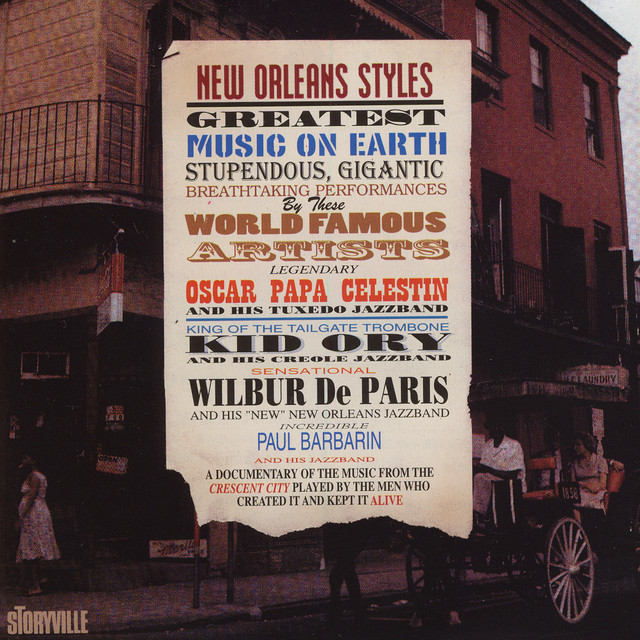

George 'Kid Sheik' Cola
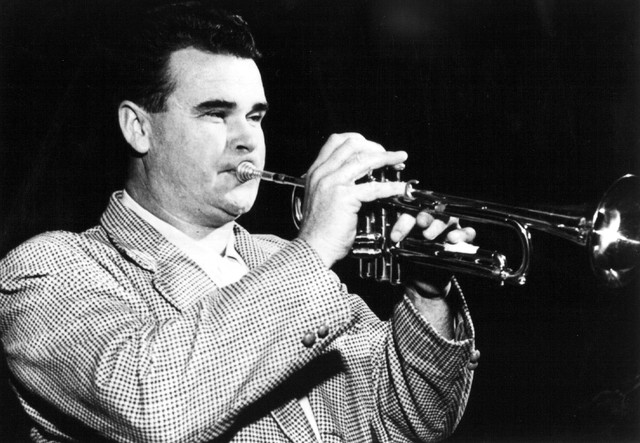
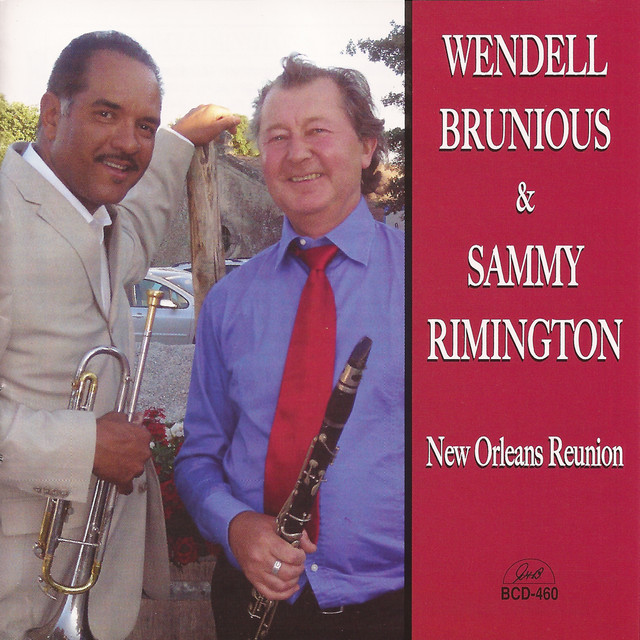
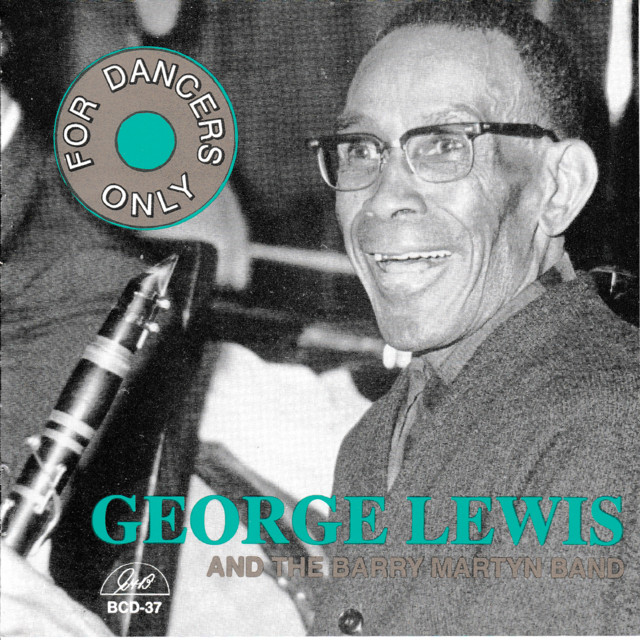
Barry Martyn
Pat Halcox
Cuff Billett


Alcide "Slow Drag" Pavageau

Percy Humphrey
Bunk Johnson And His New Orleans Band
Louis Nelson
Sandy Brown's Jazz Band
The New Orleans Roof Jazzmen
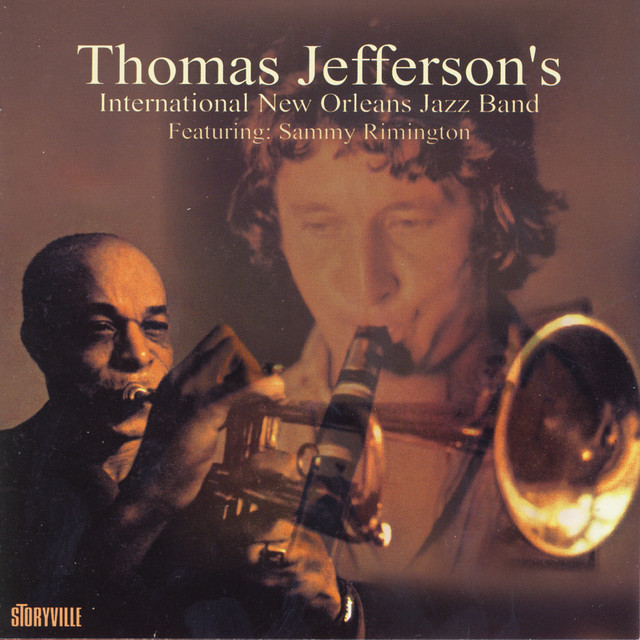
Thomas Jefferson

Emanuel Sayles
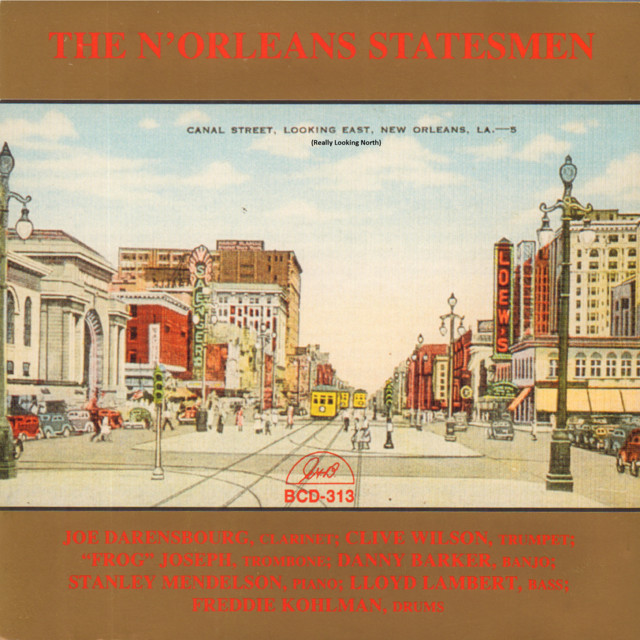
Joe Darensbourg
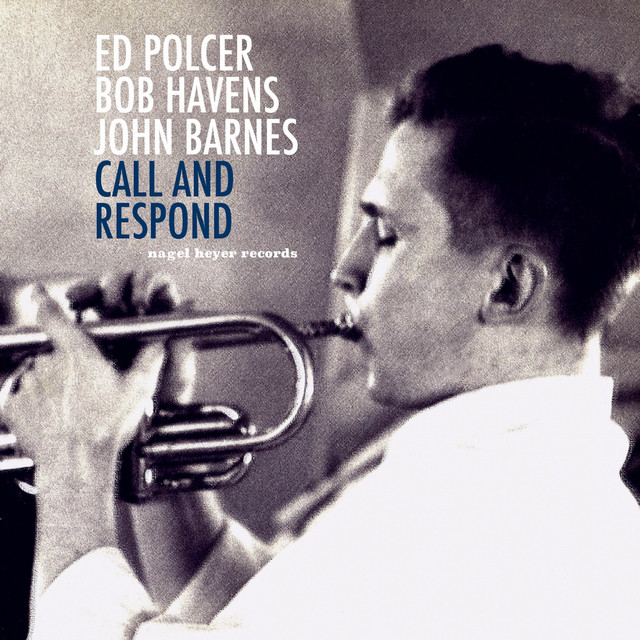
Bob Havens
Andy Schumm

The Crane River Jazz Band



Göta River Jazzmen

Original Perdido Jazz Band
The Easy Riders Jazz Band

French Preservation New Orleans Jazz Band

Sidney Bechet, Claude Luter Orchestra
Alvin Alcorn
The Fat Babies

Rod Mason
Big Bill Bissonnette

Teddy Buckner

Peruna Jazzmen

Chris Blount