Data may be outdated
Last updated: 9 months ago — Click refresh to get the latest statistics.
Before the rise to stardom in the mid-1990s of <a href="spotify:artist:6ILd69yy67k6OU7cwpGNSl">Bryn Terfel</a>, there was another Welsh baritone who, like <a href="spotify:artist:6ILd69yy67k6OU7cwpGNSl">Terfel</a>, was the defining Falstaff of his age. Sir Geraint Evans, though less spectacularly gifted in vocal means and physical stature, was a complete artist, superb in several <a href="spotify:artist:4NJhFmfw43RLBLjQvxDuRS">Mozart</a> roles (his sly, greasy Leporello was perhaps the finest of the twentieth century's final quarter) and accomplished in the works of <a href="spotify:artist:7MJ1pB5d6Vjmzep2zQlorn">Benjamin Britten</a>. His burly voice, a baritone with increasing presence in the lower register, served him well in the collection of portraits he left as his legacy.
Evans' father, like so many other Welshmen, spent his spare time immersed in music as conductor of several choruses. Evans studied with the Viennese bass Theo Hermann, then living in Hamburg. Hermann had him concentrate solely on building breath support and mastering vocal exercises. Later, after entering the Guildhall School of Music, he undertook further studies with Arthur Reckless and Walter Gruner. Once he had embarked on his career, Evans was given an anonymous scholarship to study with Fernando Carpi in Geneva. With Carpi, Evans felt that he gained a final measure of vocal finish.
Evans made his debut at London's Royal Opera House in 1948 as the Nightwatchman in Die Meistersinger and became one of the British singers nurtured under the regime of Sir David Webster. In 1950, Evans began a decade-long association with the Glyndebourne Festival, appearing as Guglielmo, the first of a series of <a href="spotify:artist:4NJhFmfw43RLBLjQvxDuRS">Mozart</a> roles which would form a cornerstone of his repertory. By 1955, Glyndebourne was hearing his Leporello and, in 1956, his endearing Papageno won positive reviews in the festival's Zauberflöte. In 1957, his first Falstaff was sung at Glyndebourne, a portrayal which was to ripen into a detailed realization of <a href="spotify:artist:1JOQXgYdQV2yfrhewqx96o">Verdi</a>'s fat knight.
Important debuts elsewhere followed within the next several years. Evans' American debut took place at San Francisco in 1959 as Beckmesser. His debut at La Scala came in 1960 as Figaro in a star-filled cast directed by <a href="spotify:artist:5zCaQxjl110XTrm4LQ1CxY">Herbert von Karajan</a>. Chicago heard the singer first as Lemuel in a 1961 production of <a href="spotify:artist:3C1nk278lJds1UeCLYVgWD">Vittorio Giannini</a>'s hapless The Harvest (along with <a href="spotify:artist:2X1SZFqImVgl59tWagfjcl">Marilyn Horne</a>, then a soprano). A long and productive relationship with the Salzburg Festival was initiated with <a href="spotify:artist:4NJhFmfw43RLBLjQvxDuRS">Mozart</a>'s Figaro in 1962. Meanwhile, Evans was a part of the premiere performance of <a href="spotify:artist:7MJ1pB5d6Vjmzep2zQlorn">Britten</a>'s Billy Budd in 1951, creating the role of Flint and followed that with Mountjoy in the 1953 premiere of the same composer's Gloriana. He participated in the 1954 premiere of <a href="spotify:artist:6RsX7qYw5KVKiOjS8BxjL5">Sir William Walton</a>'s Troilus and Cressida at Covent Garden, singing the first Antenor. Evans shared the widespread belief that the conductor, <a href="spotify:artist:4FVncYpcoiyS5lY2ElwtK8">Sir Malcolm Sargent</a>, failed to make the most of the score and was not helpful to the singers.
By 1962, his Falstaff in San Francisco had become a striking portrait and, in 1964, he made his debut at the Metropolitan Opera in that signature role. He remained there for six seasons, offering his interpretations of seven different roles, including Balstrode in Peter Grimes and his uncomprehending Wozzeck, another resourceful portrait.
Despite its unpromising beginning, Evans' relationship with Chicago's Lyric Opera developed into one of his most enduring and fruitful. His Balstrode and Claggart (Billy Budd), his Wozzeck, Falstaff, Leporello, and Don Pasquale were all of superior quality, all theatrically engrossing. The onset of diabetes hastened Evans retirement in 1984.
Evans' father, like so many other Welshmen, spent his spare time immersed in music as conductor of several choruses. Evans studied with the Viennese bass Theo Hermann, then living in Hamburg. Hermann had him concentrate solely on building breath support and mastering vocal exercises. Later, after entering the Guildhall School of Music, he undertook further studies with Arthur Reckless and Walter Gruner. Once he had embarked on his career, Evans was given an anonymous scholarship to study with Fernando Carpi in Geneva. With Carpi, Evans felt that he gained a final measure of vocal finish.
Evans made his debut at London's Royal Opera House in 1948 as the Nightwatchman in Die Meistersinger and became one of the British singers nurtured under the regime of Sir David Webster. In 1950, Evans began a decade-long association with the Glyndebourne Festival, appearing as Guglielmo, the first of a series of <a href="spotify:artist:4NJhFmfw43RLBLjQvxDuRS">Mozart</a> roles which would form a cornerstone of his repertory. By 1955, Glyndebourne was hearing his Leporello and, in 1956, his endearing Papageno won positive reviews in the festival's Zauberflöte. In 1957, his first Falstaff was sung at Glyndebourne, a portrayal which was to ripen into a detailed realization of <a href="spotify:artist:1JOQXgYdQV2yfrhewqx96o">Verdi</a>'s fat knight.
Important debuts elsewhere followed within the next several years. Evans' American debut took place at San Francisco in 1959 as Beckmesser. His debut at La Scala came in 1960 as Figaro in a star-filled cast directed by <a href="spotify:artist:5zCaQxjl110XTrm4LQ1CxY">Herbert von Karajan</a>. Chicago heard the singer first as Lemuel in a 1961 production of <a href="spotify:artist:3C1nk278lJds1UeCLYVgWD">Vittorio Giannini</a>'s hapless The Harvest (along with <a href="spotify:artist:2X1SZFqImVgl59tWagfjcl">Marilyn Horne</a>, then a soprano). A long and productive relationship with the Salzburg Festival was initiated with <a href="spotify:artist:4NJhFmfw43RLBLjQvxDuRS">Mozart</a>'s Figaro in 1962. Meanwhile, Evans was a part of the premiere performance of <a href="spotify:artist:7MJ1pB5d6Vjmzep2zQlorn">Britten</a>'s Billy Budd in 1951, creating the role of Flint and followed that with Mountjoy in the 1953 premiere of the same composer's Gloriana. He participated in the 1954 premiere of <a href="spotify:artist:6RsX7qYw5KVKiOjS8BxjL5">Sir William Walton</a>'s Troilus and Cressida at Covent Garden, singing the first Antenor. Evans shared the widespread belief that the conductor, <a href="spotify:artist:4FVncYpcoiyS5lY2ElwtK8">Sir Malcolm Sargent</a>, failed to make the most of the score and was not helpful to the singers.
By 1962, his Falstaff in San Francisco had become a striking portrait and, in 1964, he made his debut at the Metropolitan Opera in that signature role. He remained there for six seasons, offering his interpretations of seven different roles, including Balstrode in Peter Grimes and his uncomprehending Wozzeck, another resourceful portrait.
Despite its unpromising beginning, Evans' relationship with Chicago's Lyric Opera developed into one of his most enduring and fruitful. His Balstrode and Claggart (Billy Budd), his Wozzeck, Falstaff, Leporello, and Don Pasquale were all of superior quality, all theatrically engrossing. The onset of diabetes hastened Evans retirement in 1984.
Monthly Listeners
3,447
Monthly Listeners History
Track the evolution of monthly listeners over the last 28 days.
Followers
268
Followers History
Track the evolution of followers over the last 28 days.
Top Cities




Related Artists

Enrico Fissore
Giorgio Tozzi

Gabriel Bacquier
Ugo Benelli
Cecilia Gasdia
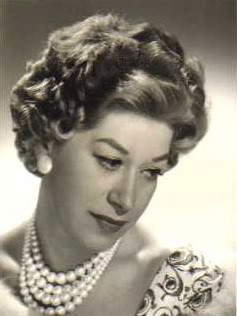
Regina Resnik
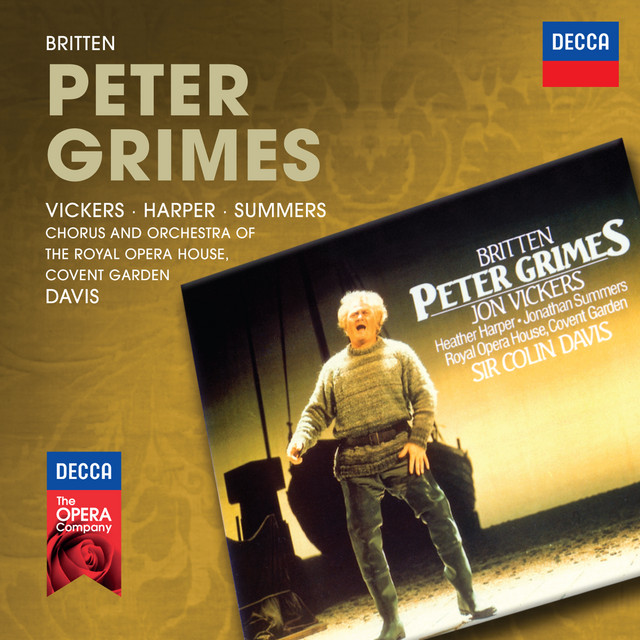
John Keyes

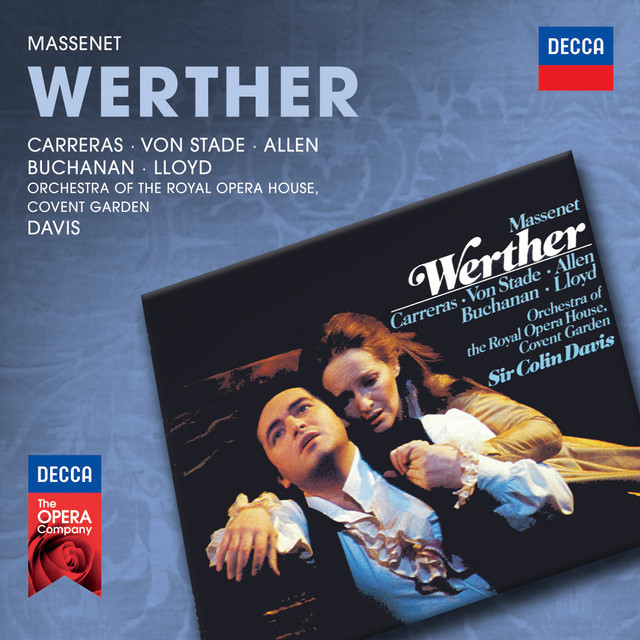
Isobel Buchanan
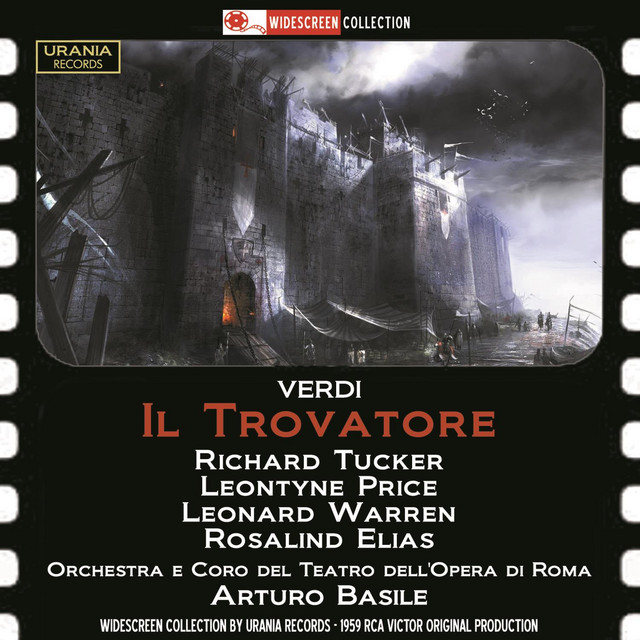
Leonardo Monreale
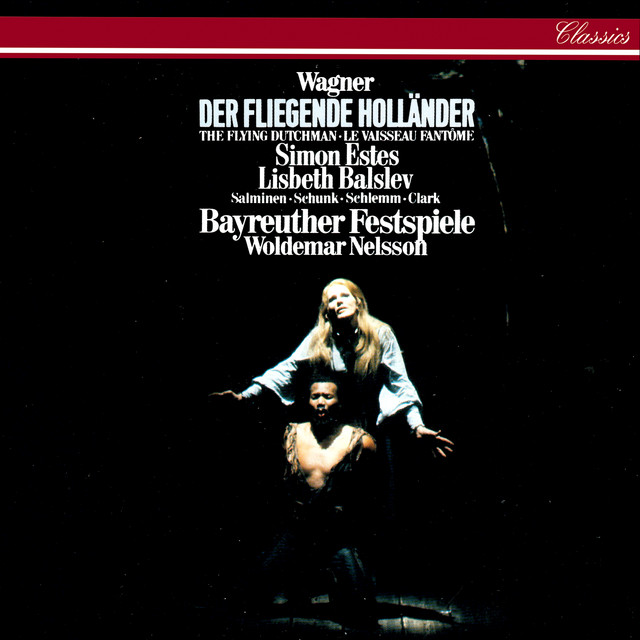

Hugues Cuénod
Astrid Varnay
Arrigo Boito



Rita Gorr

Francesco Meli
John Osborn
Gregory Kunde
Arnold van Mill