Data may be outdated
Last updated: 7 months ago — Click refresh to get the latest statistics.
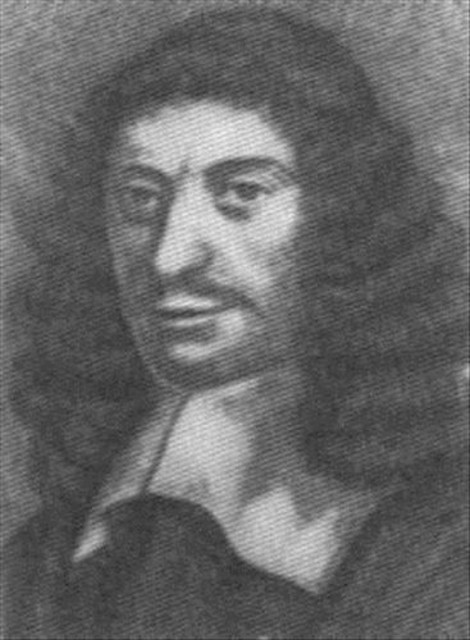
Perhaps worthy of being designated the father of the oratorio, Giacomo Carissimi was among the most important Italian composers of the 17th century, best remembered for his oratorios and cantatas. He attained success and fame early on in his career, and his music was sung throughout Italy, England, and the European continent. Carissimi was also an influential figure; several composers of the next generation bear the marks of his innovations and style.
Carissimi was born somewhere near Rome and baptized on April 18, 1605; an exact date of birth is not known. He was the youngest child of a poor cooper, but he must have received a good deal of early musical training, for in 1623 he was recorded as a member of the Tivoli Cathedral choir. In 1625, he became the organist at the cathedral, and soon after that began composing. He stayed at the cathedral until 1627 and then moved on to the Cathedral of San Rufino in Assisi, where he was organist for one year. In his early life he was much influenced by the music of <a href="spotify:artist:5F54rp2UMTFUdv6rfOGzub">Capece</a>, Manelli, and especially by the contrapuntal style of <a href="spotify:artist:0BS8IrFmvK1tXenMULjwem">Palestrina</a>.
In 1629, Carissimi became maestro di cappella of the Collegio Germanico in Rome. It was, at that time, a major center for Jesuit learning. His position there commanded considerable influence and respect, and the composer would remain there until his death. As maestro, Carissimi was responsible for the musical training of students, directoring of the choir, and the preparation of music for services at the church of Sant'Apollinare. His students at the college would have included <a href="spotify:artist:7Fha45cawKGVr5oG8fagFD">Kaspar Förster</a> and <a href="spotify:artist:1uHjdBQC9eZLwOKAKmDv4l">Vincenzo Albrici</a>, but as he became well-known and well-respected in Italy and across Europe, he was allowed to take on private students also, such as <a href="spotify:artist:5OvQ8g54fWhffM2x8eCc6s">Marc-Antoine Charpentier</a> and <a href="spotify:artist:6C7WpXdNnhvYe6flgvL68i">Johann Kaspar Kerll</a>. Carissimi's fame also brought offers of other positions. He turned down the opportunity to succeed <a href="spotify:artist:5iAhVgz6P8Nylxijb0C65v">Monteverdi</a> at the famous St. Mark's in Venice, however, and likewise declined to serve in the court of the governor of the Netherlands.
In 1637, Carissimi was ordained as a priest. He participated in the musical presentations at the Oratoria del Crocifisso between 1650 and 1660, but his best-known oratorio, Jephte, appears to have been completed by 1648. His oratorios are notable for their clear text settings, the importance given to the chorus, and the use of expressive gestures to intensify and illustrate meanings in the text. The influence of early opera, and of <a href="spotify:artist:5iAhVgz6P8Nylxijb0C65v">Monteverdi</a> in particular, is evident, and Carissimi's free alternation of aria- and recitative-style passages is considered an important contribution to the development and refinement of operatic recitative. All the operatic means, however, are turned to religious ends; Carissimi's oratorios are sacred pieces, not the middle-class entertainments that <a href="spotify:artist:1QL7yTHrdahRMpvNtn6rI2">Handel</a> would create a century later. Carissimi did not invent the chamber cantata, as some 18th century texts state, but that attribution does show his importance in the history of that genre. His 150 chamber cantatas were works that could be widely performed and were the main reason for the spread of his fame during his lifetime. Most of the secular cantatas were written for use by Queen Christina of Sweden's court in Rome. He also wrote nearly 100 motets and at least one mass.
On his death bed, Carissimi is said to have confessed that he owed the Jesuits everything, for on hiring him, they had rescued him out of the direst poverty. Pope Clement X issued an order forbidding the sale of any of the numerous compositions Carissimi left at his death. However, the Jesuit order was suppressed in 1773, which left the music archives of Sant'Apollinare untended and most of it was later destroyed. Practically every original manuscript of Carissimi's music is lost, and many of his compositions have entirely disappeared. Therefore, it is difficult to accurately catalog and date it. ~ TiVo Staff, Rovi
Carissimi was born somewhere near Rome and baptized on April 18, 1605; an exact date of birth is not known. He was the youngest child of a poor cooper, but he must have received a good deal of early musical training, for in 1623 he was recorded as a member of the Tivoli Cathedral choir. In 1625, he became the organist at the cathedral, and soon after that began composing. He stayed at the cathedral until 1627 and then moved on to the Cathedral of San Rufino in Assisi, where he was organist for one year. In his early life he was much influenced by the music of <a href="spotify:artist:5F54rp2UMTFUdv6rfOGzub">Capece</a>, Manelli, and especially by the contrapuntal style of <a href="spotify:artist:0BS8IrFmvK1tXenMULjwem">Palestrina</a>.
In 1629, Carissimi became maestro di cappella of the Collegio Germanico in Rome. It was, at that time, a major center for Jesuit learning. His position there commanded considerable influence and respect, and the composer would remain there until his death. As maestro, Carissimi was responsible for the musical training of students, directoring of the choir, and the preparation of music for services at the church of Sant'Apollinare. His students at the college would have included <a href="spotify:artist:7Fha45cawKGVr5oG8fagFD">Kaspar Förster</a> and <a href="spotify:artist:1uHjdBQC9eZLwOKAKmDv4l">Vincenzo Albrici</a>, but as he became well-known and well-respected in Italy and across Europe, he was allowed to take on private students also, such as <a href="spotify:artist:5OvQ8g54fWhffM2x8eCc6s">Marc-Antoine Charpentier</a> and <a href="spotify:artist:6C7WpXdNnhvYe6flgvL68i">Johann Kaspar Kerll</a>. Carissimi's fame also brought offers of other positions. He turned down the opportunity to succeed <a href="spotify:artist:5iAhVgz6P8Nylxijb0C65v">Monteverdi</a> at the famous St. Mark's in Venice, however, and likewise declined to serve in the court of the governor of the Netherlands.
In 1637, Carissimi was ordained as a priest. He participated in the musical presentations at the Oratoria del Crocifisso between 1650 and 1660, but his best-known oratorio, Jephte, appears to have been completed by 1648. His oratorios are notable for their clear text settings, the importance given to the chorus, and the use of expressive gestures to intensify and illustrate meanings in the text. The influence of early opera, and of <a href="spotify:artist:5iAhVgz6P8Nylxijb0C65v">Monteverdi</a> in particular, is evident, and Carissimi's free alternation of aria- and recitative-style passages is considered an important contribution to the development and refinement of operatic recitative. All the operatic means, however, are turned to religious ends; Carissimi's oratorios are sacred pieces, not the middle-class entertainments that <a href="spotify:artist:1QL7yTHrdahRMpvNtn6rI2">Handel</a> would create a century later. Carissimi did not invent the chamber cantata, as some 18th century texts state, but that attribution does show his importance in the history of that genre. His 150 chamber cantatas were works that could be widely performed and were the main reason for the spread of his fame during his lifetime. Most of the secular cantatas were written for use by Queen Christina of Sweden's court in Rome. He also wrote nearly 100 motets and at least one mass.
On his death bed, Carissimi is said to have confessed that he owed the Jesuits everything, for on hiring him, they had rescued him out of the direst poverty. Pope Clement X issued an order forbidding the sale of any of the numerous compositions Carissimi left at his death. However, the Jesuit order was suppressed in 1773, which left the music archives of Sant'Apollinare untended and most of it was later destroyed. Practically every original manuscript of Carissimi's music is lost, and many of his compositions have entirely disappeared. Therefore, it is difficult to accurately catalog and date it. ~ TiVo Staff, Rovi
Monthly Listeners
22,255
Monthly Listeners History
Track the evolution of monthly listeners over the last 28 days.
Followers
4,342
Followers History
Track the evolution of followers over the last 28 days.
Top Cities
395 listeners

273 listeners

243 listeners

214 listeners

208 listeners

Related Artists


Francesco Durante

Julianne Baird
Joël Suhubiette

La Nuova Musica

Ruby Hughes
André Campra
John Blow
David Tricou

Giovanni Paolo Colonna
Joshua Ellicott
Lisandro Abadie
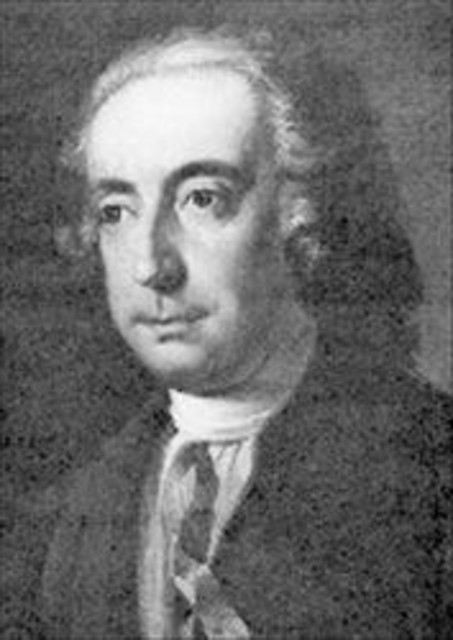
Johann Joseph Fux

David Bates
Mathias Vidal
Carlotta Colombo
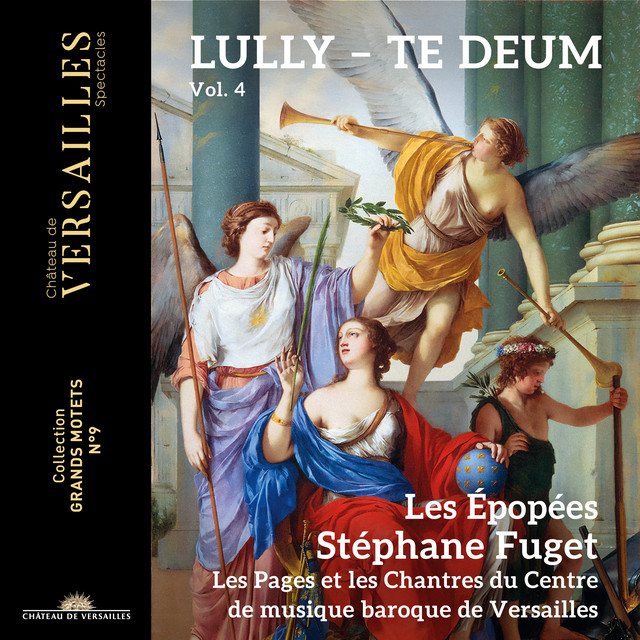
Les Épopées
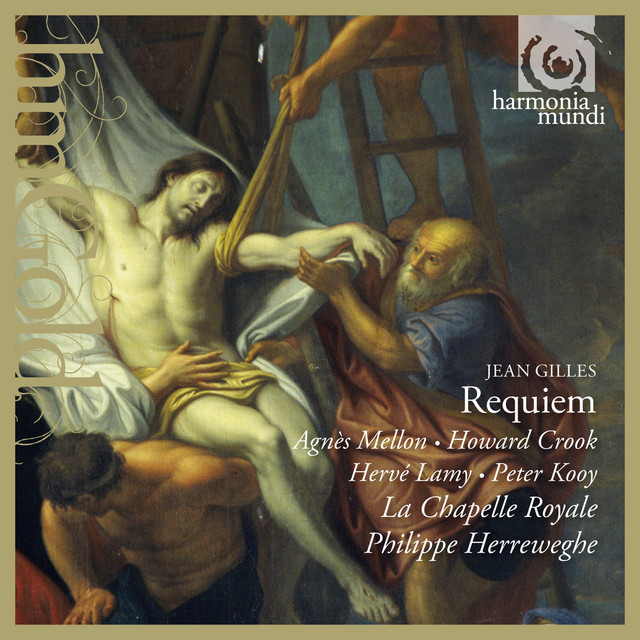
Jean Gilles
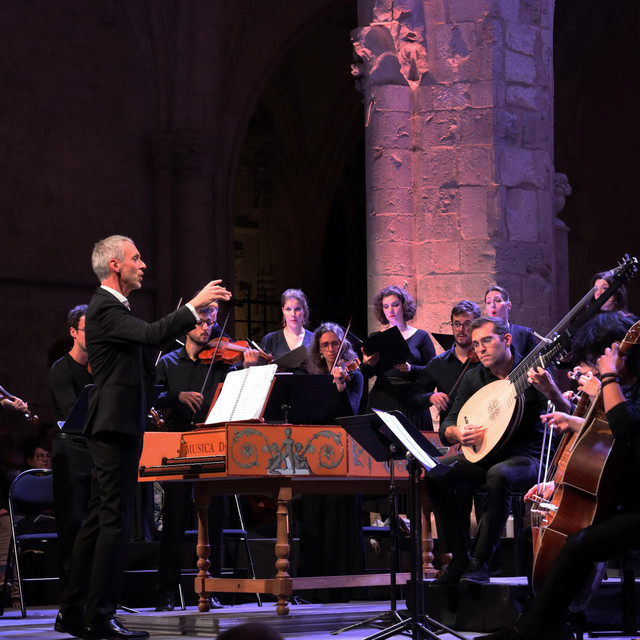

Jean-Paul Fouchécourt
Stefanie True
Miriam Feuersinger
Francesco Bartolomeo Conti

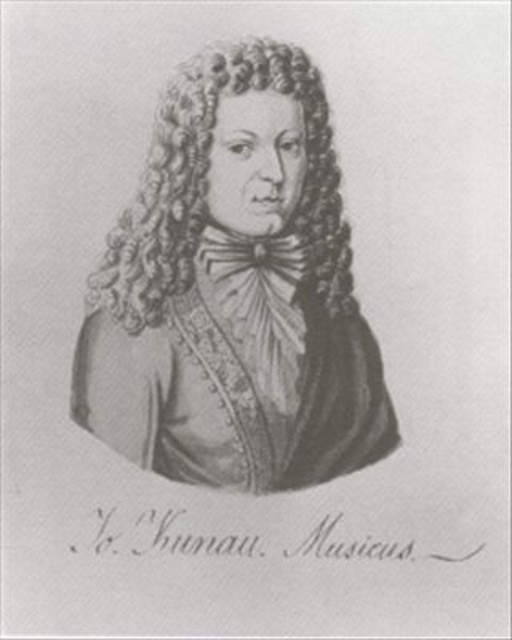
Johann Kuhnau
José de Nebra
Drew Minter

John Weldon
Collegium 1704
Jeffrey Thompson
Monica Piccinini