Data may be outdated
Last updated: 9 months ago — Click refresh to get the latest statistics.
Clérambault came from and later added to a family known for its musical service to French royalty; his father, Dominique Clérambault, was a musician for the king's violin consort (an ensemble of 24 violinists!), and he himself served both at Versailles and at royal churches. Both his sons were musicians and organists for royal churches, and one of them, César François Nicolas, was also a minor composer. He was one of the most respected composers and performers of his time, and, like <a href="spotify:artist:0PqPknmYIYTP8QwfAJ76e3">Campra</a>, helped to lead French music out of the musical isolation that <a href="spotify:artist:19v0Cnq5D4SKom8SVlXhkw">Lully</a> had imposed, adding more melodiousness and energy to the delicacy and grace that had become almost the sole considerations for composition and performance. Also like <a href="spotify:artist:0PqPknmYIYTP8QwfAJ76e3">Campra</a>, he added a strong Italian influence, but with a French style; one contemporary quotation says that "If <a href="spotify:artist:0PqPknmYIYTP8QwfAJ76e3">Campra</a> writes modulations in the Italian style, [his music] speaks in the French style." He was also one of the first composers to give names to his sonatas.
His first music lessons were with his father, but his main musical influences were Jean-Baptiste Moreau and <a href="spotify:artist:513ig8VFWDIIvBeqUutBfc">Andre Raison</a>, his two organ and composition teachers. As his reputation spread, he was appointed to the organist position at Saint Louis and became part of the musical forces of Versailles, responsible (together with Madame de Maintenon, the king's mistress) for the music for the king's private concerts. In 1697, he published his Book of Airs, followed by his Book for the Harpsichord in 1702. In 1710, he produced the first of his five books of cantatas (his second was in 1713, his third in 1716, his fourth in 1720, and the last in 1726), as well as his Book for the Organ. When Madame de Maintenon retired to Saint Cyr, a school and royal church founded by the king for the daughters of impoverished military officers, and known for the quality of its musical education, he became organist and music master there. Many of his motets and cantatas were written for the Demoiselles de Saint-Cyr, the girls' chorus. In 1715, he was appointed main organist at Saint Sulpice, where he had served as a deputy for several years, and in 1720, to the same position at Saint Jacques. His one major stage work was an allegory, Le Soleil, Vainqueur des Nuages (The Sun, Conqueror of Clouds), celebrating Louis XIV's recovery from illness (Louis was known as The Sun King, and took particular pleasure in works that glorified this image) and first performed at the Opera. He had continued writing four more books of cantatas, the last of which was published in 1726. They were among his most popular works, and frequently performed at the court as well as in various salons, the Jesuit colleges, and at Saint Cyr. After the end of the 1720s, he was far less prolific, and relatively few of these are important, though many, such as Le départ du Roi (The King's departure) written in 1745, were given major productions.
His first music lessons were with his father, but his main musical influences were Jean-Baptiste Moreau and <a href="spotify:artist:513ig8VFWDIIvBeqUutBfc">Andre Raison</a>, his two organ and composition teachers. As his reputation spread, he was appointed to the organist position at Saint Louis and became part of the musical forces of Versailles, responsible (together with Madame de Maintenon, the king's mistress) for the music for the king's private concerts. In 1697, he published his Book of Airs, followed by his Book for the Harpsichord in 1702. In 1710, he produced the first of his five books of cantatas (his second was in 1713, his third in 1716, his fourth in 1720, and the last in 1726), as well as his Book for the Organ. When Madame de Maintenon retired to Saint Cyr, a school and royal church founded by the king for the daughters of impoverished military officers, and known for the quality of its musical education, he became organist and music master there. Many of his motets and cantatas were written for the Demoiselles de Saint-Cyr, the girls' chorus. In 1715, he was appointed main organist at Saint Sulpice, where he had served as a deputy for several years, and in 1720, to the same position at Saint Jacques. His one major stage work was an allegory, Le Soleil, Vainqueur des Nuages (The Sun, Conqueror of Clouds), celebrating Louis XIV's recovery from illness (Louis was known as The Sun King, and took particular pleasure in works that glorified this image) and first performed at the Opera. He had continued writing four more books of cantatas, the last of which was published in 1726. They were among his most popular works, and frequently performed at the court as well as in various salons, the Jesuit colleges, and at Saint Cyr. After the end of the 1720s, he was far less prolific, and relatively few of these are important, though many, such as Le départ du Roi (The King's departure) written in 1745, were given major productions.
Monthly Listeners
12,143
Monthly Listeners History
Track the evolution of monthly listeners over the last 28 days.
Followers
1,484
Followers History
Track the evolution of followers over the last 28 days.
Top Cities



Related Artists
André Campra

John Blow

Johann Joseph Fux
Johann Bernhard Bach
Johann Kuhnau

Giovanni Paolo Colonna

Miriam Feuersinger
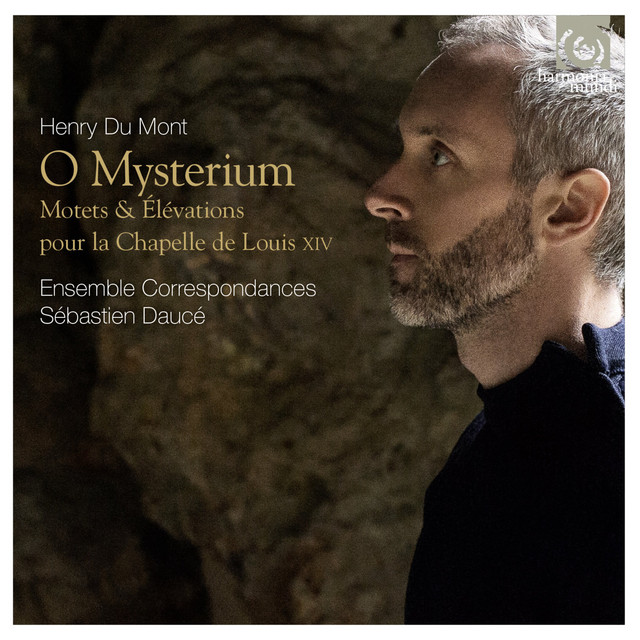
Henri Dumont
David Tricou
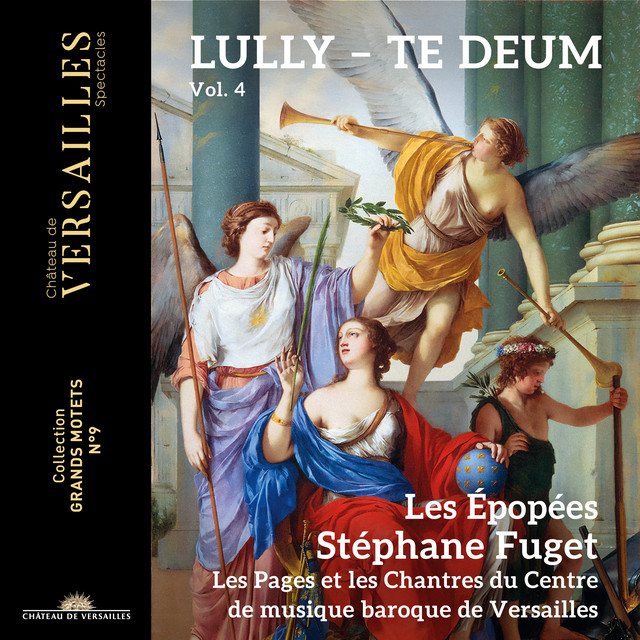
Les Épopées
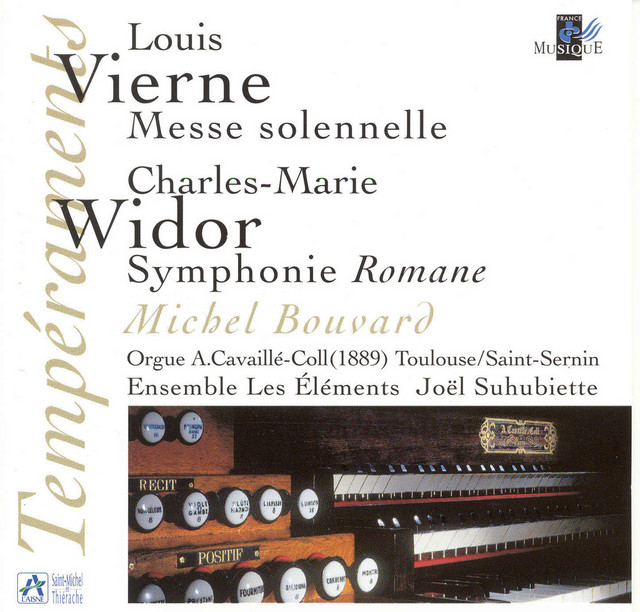
Joël Suhubiette

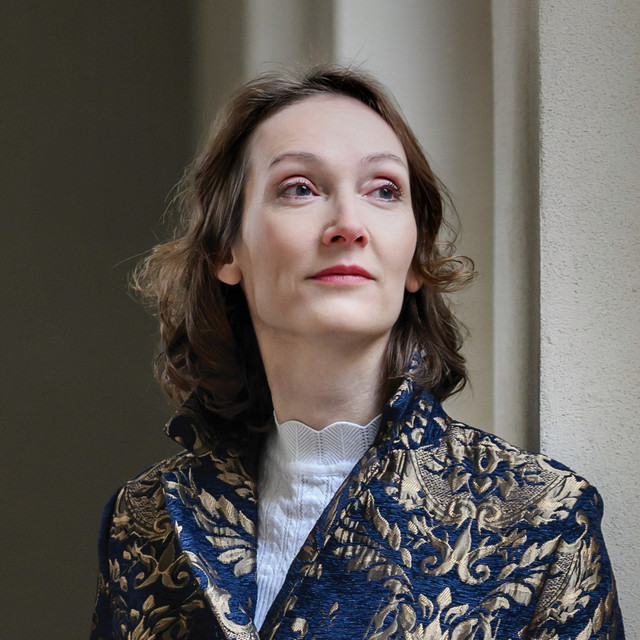
Jana Semeradova
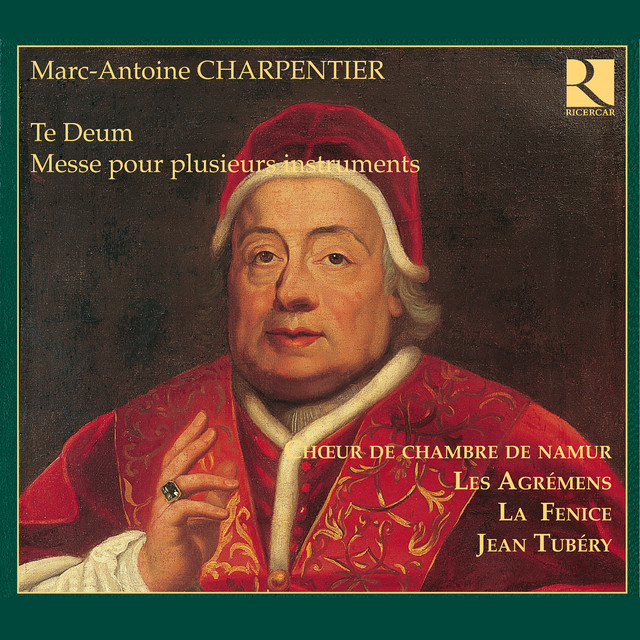
Les Agrémens
Stefanie True

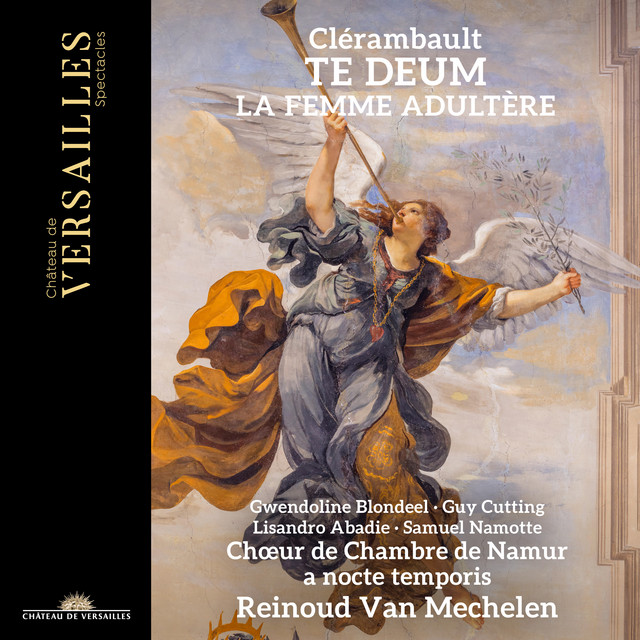
Lisandro Abadie
Diana Vinagre


La Nuova Musica

Ecco la musica

Hayat Chaoui

Michelangelo Falvetti
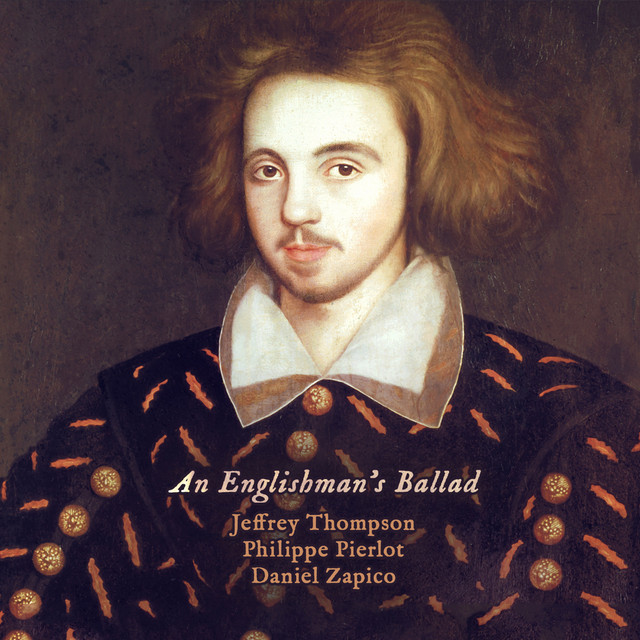
Jeffrey Thompson
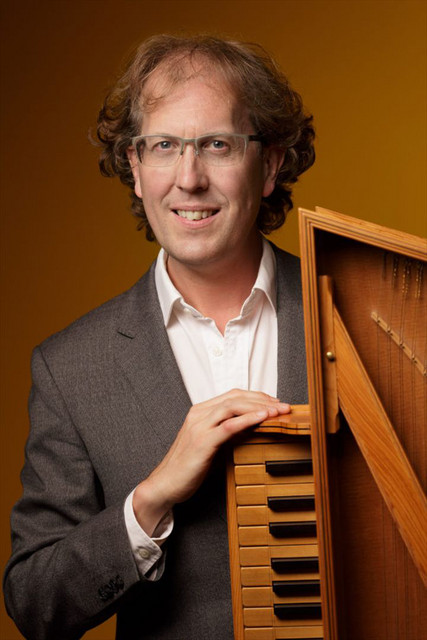
Silas Wollston
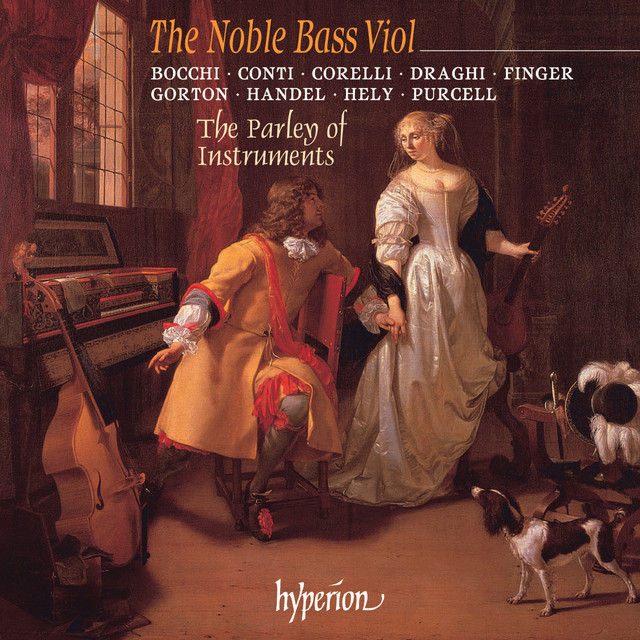
Francesco Bartolomeo Conti
Giovanni Legrenzi
Tarquinio Merula
Carlotta Colombo