Data may be outdated
Last updated: 9 months ago — Click refresh to get the latest statistics.
Giuseppe Martucci was an influential teacher and leader of the group of Italian composers determined to break away from the dominance of opera in their country's musical life.
His father was a bandmaster who gave him his early music lessons. He made his debut playing piano at the age of eight; his sister Teresa, who was on the same program, was even younger. In 1867, he began studies at the Naples Conservatory, taking piano with Beniamino Cesi and composition with Paolo Serrao. However, his father, seeing the boy's talent at the keyboard blossom to an astonishing degree, decided to cash in and pulled him out of the Conservatory at the age of 15 to start a concert career in 1871. He was successful and was noted for the unusual seriousness and breadth of his performances. Rather than the popular Romantic knuckle-busters, he played the established great classics from <a href="spotify:artist:5aIqB5nVVvmFsvSdExz408">Bach</a> and <a href="spotify:artist:0mFblCBw0GcoY7zY1P8tzE">Scarlatti</a> to <a href="spotify:artist:1385hLNbrnbCJGokfH2ac2">Liszt</a> and frequently accompanied cellist <a href="spotify:artist:4D2c8JnUk0Scu2PD2XcZFf">Alfredo Carlo Piatti</a>. But when he attained adulthood and independence from his father, he applied for a job teaching at Naples Conservatory, was appointed professor, and virtually quit concert touring. He took up the baton in 1881. He helped establish the new permanent symphony orchestra in Naples and did much to promote the important composers of Northern Europe, especially <a href="spotify:artist:1C1x4MVkql8AiABuTw6DgE">Wagner</a>, whose work he led in concert and whose opera Tristan und Isolde he was the first to conduct in Italy (Bologna, June 2, 1888). He had moved to Bologna in 1886 to take the leadership of the Liceo Musicale Bolognese orchestra. His 16 years at its helm are still counted by many as a high point in the city's rich musical history.
It is not surprising that his career as a composer parallels his life as a performer. His first 44 opus numbers are practically all typical Romantic piano fluff. With his Piano Quintet, Op. 45, Martucci shows a sudden and drastic elevation of his aims and quality. His outstanding qualities are his lyrical gift and his sense of lighthearted fantasy. These are attributes that are more suited to short music and, indeed, his shorter works of the post opus 45 works are perhaps his best music. However, his larger scale works, including concertos, symphonies, and full-scale chamber music compositions, show a noble purpose with a similar sort of lyricism, but a sometimes self-conscious struggle to find the right form. His finest large orchestral work is his Symphony No. 2, which composer <a href="spotify:artist:4EyY6oleYBgqoIGLu4WS2o">Gian Francesco Malipiero</a> called "the starting point of the renaissance of non-operatic Italian music."
His father was a bandmaster who gave him his early music lessons. He made his debut playing piano at the age of eight; his sister Teresa, who was on the same program, was even younger. In 1867, he began studies at the Naples Conservatory, taking piano with Beniamino Cesi and composition with Paolo Serrao. However, his father, seeing the boy's talent at the keyboard blossom to an astonishing degree, decided to cash in and pulled him out of the Conservatory at the age of 15 to start a concert career in 1871. He was successful and was noted for the unusual seriousness and breadth of his performances. Rather than the popular Romantic knuckle-busters, he played the established great classics from <a href="spotify:artist:5aIqB5nVVvmFsvSdExz408">Bach</a> and <a href="spotify:artist:0mFblCBw0GcoY7zY1P8tzE">Scarlatti</a> to <a href="spotify:artist:1385hLNbrnbCJGokfH2ac2">Liszt</a> and frequently accompanied cellist <a href="spotify:artist:4D2c8JnUk0Scu2PD2XcZFf">Alfredo Carlo Piatti</a>. But when he attained adulthood and independence from his father, he applied for a job teaching at Naples Conservatory, was appointed professor, and virtually quit concert touring. He took up the baton in 1881. He helped establish the new permanent symphony orchestra in Naples and did much to promote the important composers of Northern Europe, especially <a href="spotify:artist:1C1x4MVkql8AiABuTw6DgE">Wagner</a>, whose work he led in concert and whose opera Tristan und Isolde he was the first to conduct in Italy (Bologna, June 2, 1888). He had moved to Bologna in 1886 to take the leadership of the Liceo Musicale Bolognese orchestra. His 16 years at its helm are still counted by many as a high point in the city's rich musical history.
It is not surprising that his career as a composer parallels his life as a performer. His first 44 opus numbers are practically all typical Romantic piano fluff. With his Piano Quintet, Op. 45, Martucci shows a sudden and drastic elevation of his aims and quality. His outstanding qualities are his lyrical gift and his sense of lighthearted fantasy. These are attributes that are more suited to short music and, indeed, his shorter works of the post opus 45 works are perhaps his best music. However, his larger scale works, including concertos, symphonies, and full-scale chamber music compositions, show a noble purpose with a similar sort of lyricism, but a sometimes self-conscious struggle to find the right form. His finest large orchestral work is his Symphony No. 2, which composer <a href="spotify:artist:4EyY6oleYBgqoIGLu4WS2o">Gian Francesco Malipiero</a> called "the starting point of the renaissance of non-operatic Italian music."
Monthly Listeners
1,951
Monthly Listeners History
Track the evolution of monthly listeners over the last 28 days.
Followers
2,117
Followers History
Track the evolution of followers over the last 28 days.
Top Cities
39 listeners

36 listeners

21 listeners

20 listeners

20 listeners

Related Artists

Simon Callaghan
Joachim Raff
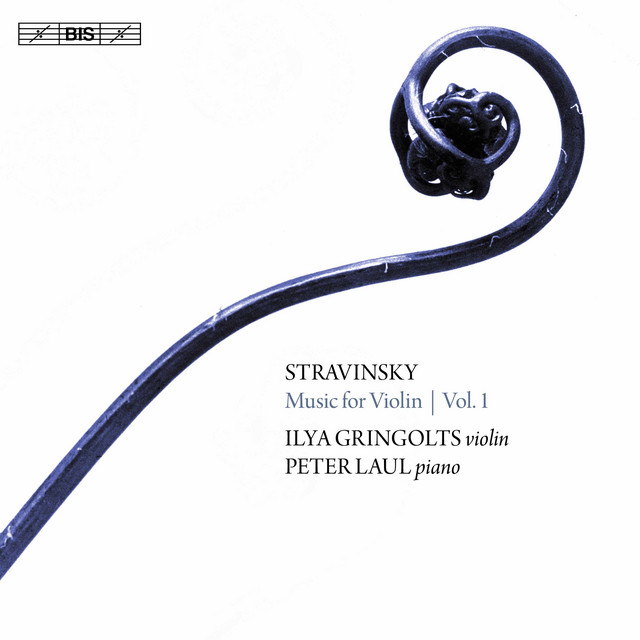
Peter Laul
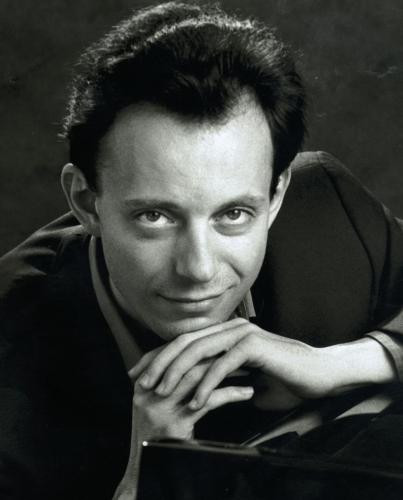
Paolo Giacometti

Paul Juon


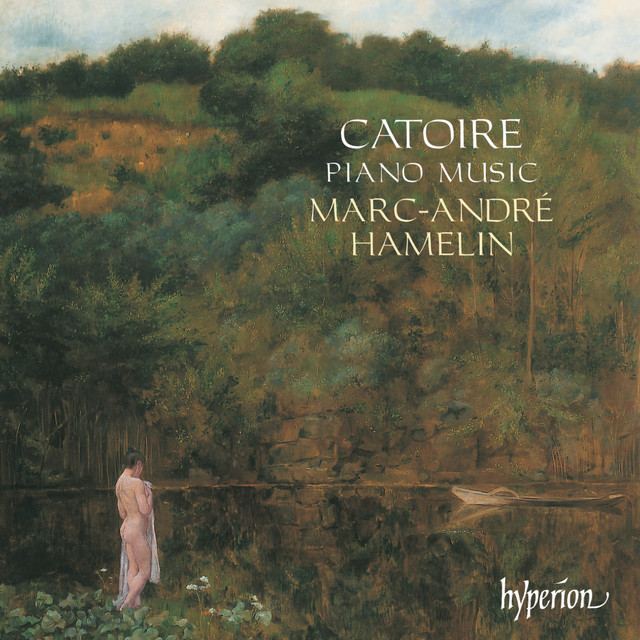
Georgy Catoire
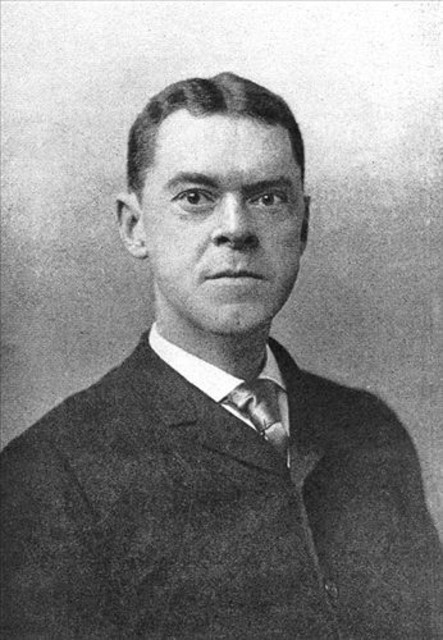
Arthur Foote
Oleg Marshev

Severin von Eckardstein
Wu Han
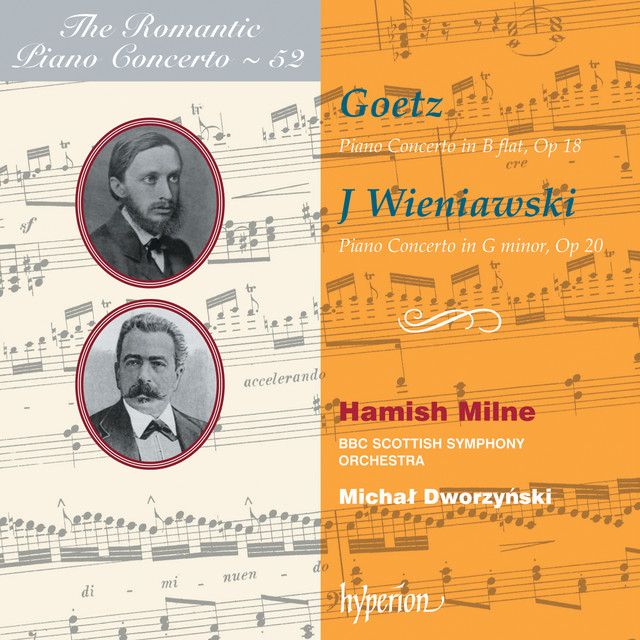
Hermann Goetz

The Australian Trio

Joseph Ryelandt

Laura Netzel


Louis Théodore Gouvy
Laurent Verney
Volkmar Andreae
Adam Laloum

Frédéric Devreese
Andre de Groote

Grzegorz Fitelberg
Nokolaj Metner


Eduard Franck
Elfrida Andrée

Peter Ritzen
Antonin Kubalek

Julius Röntgen