Data may be outdated
Last updated: 8 months ago — Click refresh to get the latest statistics.
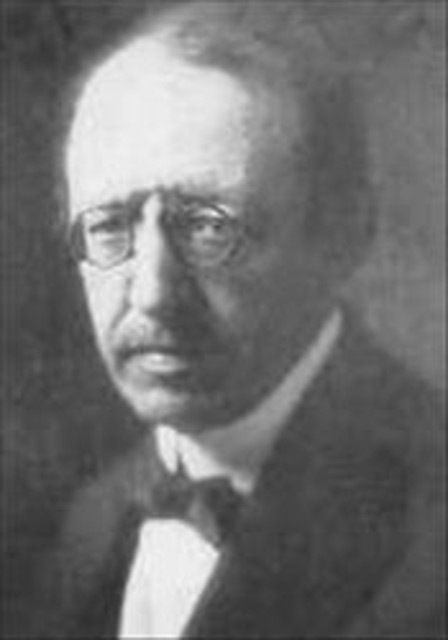
An eminent Czech composer, Vitezslav Novák is known for his evocative music in which innovative harmonies and memorable tone colors are used to express a wide range of emotions, including inner turmoil, diffuse melancholy, and nostalgia, as well as a mystical recognition of the awesome power of nature. Like many of his compatriots, Novák incorporated elements of Czech folk music into his work; however, the folk motifs are highly stylized, constituting a significant but not dominant strand in the rich texture of his music.
Novák was born on December 5, 1870, in the Southern Bohemian town of Kamenice nad Lipou. His musical talent was discovered early by a sympathetic teacher who developed the youth's skills in piano and composition. In 1889, Novák obtained a scholarship to study law at Charles University in Prague, and he also enrolled at the Prague Conservatory. At the Conservatory, Novák studied piano with Josef Jiránek, counterpoint with Karel Stecker, and harmony with Karel Knittl. Of all of his teachers, Knittl was the least sympathetic; in fact, Knittl was so perturbed by Novák's inventive approach to harmony that he savagely criticized his student, effectively undermining his self-confidence as a composer. Fortunately, Stecker showed more intelligence and actually recommended Novák for <a href="spotify:artist:6n7nd5iceYpXVwcx8VPpxF">Dvorák</a>'s master class in 1891. Novák and <a href="spotify:artist:6n7nd5iceYpXVwcx8VPpxF">Dvorák</a> may have disagreed about compositional technique, but <a href="spotify:artist:6n7nd5iceYpXVwcx8VPpxF">Dvorák</a> was known for his respect for every student's artistic individuality. Novák's early work was composed in the Romantic idiom, and he attracted the attention of <a href="spotify:artist:5wTAi7QkpP6kp8a54lmTOq">Brahms</a>, who recommended the young composer to his publisher, Simrock.
In 1896, during a visit to northern and eastern Moravia, Novák discovered the region's unusual and somewhat exotic folk music. While folk music never influenced Novák's work directly, this encounter prompted him to expand his musical language and transcend the idiom of Romanticism. The effect is evident in his remarkable Quintet for piano & strings, composed in 1896, in which Novák successfully blends elements of his early style with a natural melodic spontaneity inspired by folk music. In his popular symphonic poems, V Tatràch (In the Tatra Mountains), composed in 1902, and the Slovak Suite, written the following year, Novák created powerful musical representations of natural beauty. In fact, In the Tatra Mountains, which captures the many facets of the majestic landscape of the Tatras, has been favorably compared to the Alpine Symphony by <a href="spotify:artist:6pAwHPeExeUbMd5w7Iny6D">Richard Strauss</a>. Detailed in its description of the many splendors of nature, Novák's music also develops a few fundamental, archetypal images, such as the moonlit night and water. A quiet pond in the South Bohemian Suite, a mountain stream in the monumental tone poem for piano, Pan (1910), water becomes an overwhelming and boundless force in the Storm, a dramatic cantata also completed in 1910.
Having succeeded <a href="spotify:artist:6n7nd5iceYpXVwcx8VPpxF">Dvorák</a> as professor of composition at the Prague Conservatory in 1908, Novák dedicated his energies to teaching. In 1919, when his popularity as a composer seemed to be waning, he started a master class at the Conservatory, attracting many promising composers, including <a href="spotify:artist:1r4xqV6J2oRm5nsmL8wZeS">Alois Hába</a>. While Novák's works composed in the 1920s, including operas and ballets, were regarded as less successful than his earlier compositions, the symphonic works written toward the end of his life are mature, thoughtful creations. These compositions include the South Bohemian Suite (1937), De Profundis (1941), and May Symphony (1943). The two last works expressed the composer's thoughts about the destiny of his country in the midst of World War II. As scholars have noted, while Novák's style is fundamentally melodic, he is also a master of harmonic development and contrapuntal construction. His compositional skill is exemplified by his extraordinary ability to create a towering structure, such as Pan, on the basis of a brief motif. Novák died in Skuteč in Eastern Bohemia on July 18, 1949. ~ Zoran Minderovic, Rovi
Novák was born on December 5, 1870, in the Southern Bohemian town of Kamenice nad Lipou. His musical talent was discovered early by a sympathetic teacher who developed the youth's skills in piano and composition. In 1889, Novák obtained a scholarship to study law at Charles University in Prague, and he also enrolled at the Prague Conservatory. At the Conservatory, Novák studied piano with Josef Jiránek, counterpoint with Karel Stecker, and harmony with Karel Knittl. Of all of his teachers, Knittl was the least sympathetic; in fact, Knittl was so perturbed by Novák's inventive approach to harmony that he savagely criticized his student, effectively undermining his self-confidence as a composer. Fortunately, Stecker showed more intelligence and actually recommended Novák for <a href="spotify:artist:6n7nd5iceYpXVwcx8VPpxF">Dvorák</a>'s master class in 1891. Novák and <a href="spotify:artist:6n7nd5iceYpXVwcx8VPpxF">Dvorák</a> may have disagreed about compositional technique, but <a href="spotify:artist:6n7nd5iceYpXVwcx8VPpxF">Dvorák</a> was known for his respect for every student's artistic individuality. Novák's early work was composed in the Romantic idiom, and he attracted the attention of <a href="spotify:artist:5wTAi7QkpP6kp8a54lmTOq">Brahms</a>, who recommended the young composer to his publisher, Simrock.
In 1896, during a visit to northern and eastern Moravia, Novák discovered the region's unusual and somewhat exotic folk music. While folk music never influenced Novák's work directly, this encounter prompted him to expand his musical language and transcend the idiom of Romanticism. The effect is evident in his remarkable Quintet for piano & strings, composed in 1896, in which Novák successfully blends elements of his early style with a natural melodic spontaneity inspired by folk music. In his popular symphonic poems, V Tatràch (In the Tatra Mountains), composed in 1902, and the Slovak Suite, written the following year, Novák created powerful musical representations of natural beauty. In fact, In the Tatra Mountains, which captures the many facets of the majestic landscape of the Tatras, has been favorably compared to the Alpine Symphony by <a href="spotify:artist:6pAwHPeExeUbMd5w7Iny6D">Richard Strauss</a>. Detailed in its description of the many splendors of nature, Novák's music also develops a few fundamental, archetypal images, such as the moonlit night and water. A quiet pond in the South Bohemian Suite, a mountain stream in the monumental tone poem for piano, Pan (1910), water becomes an overwhelming and boundless force in the Storm, a dramatic cantata also completed in 1910.
Having succeeded <a href="spotify:artist:6n7nd5iceYpXVwcx8VPpxF">Dvorák</a> as professor of composition at the Prague Conservatory in 1908, Novák dedicated his energies to teaching. In 1919, when his popularity as a composer seemed to be waning, he started a master class at the Conservatory, attracting many promising composers, including <a href="spotify:artist:1r4xqV6J2oRm5nsmL8wZeS">Alois Hába</a>. While Novák's works composed in the 1920s, including operas and ballets, were regarded as less successful than his earlier compositions, the symphonic works written toward the end of his life are mature, thoughtful creations. These compositions include the South Bohemian Suite (1937), De Profundis (1941), and May Symphony (1943). The two last works expressed the composer's thoughts about the destiny of his country in the midst of World War II. As scholars have noted, while Novák's style is fundamentally melodic, he is also a master of harmonic development and contrapuntal construction. His compositional skill is exemplified by his extraordinary ability to create a towering structure, such as Pan, on the basis of a brief motif. Novák died in Skuteč in Eastern Bohemia on July 18, 1949. ~ Zoran Minderovic, Rovi
Monthly Listeners
4,427
Monthly Listeners History
Track the evolution of monthly listeners over the last 28 days.
Followers
1,290
Followers History
Track the evolution of followers over the last 28 days.
Top Cities
241 listeners

175 listeners

40 listeners

37 listeners

35 listeners
Related Artists

Rome Symphony Orchestra
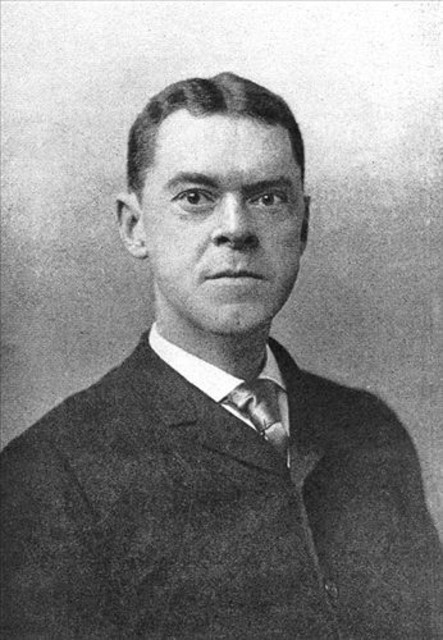
Arthur Foote
Joachim Raff
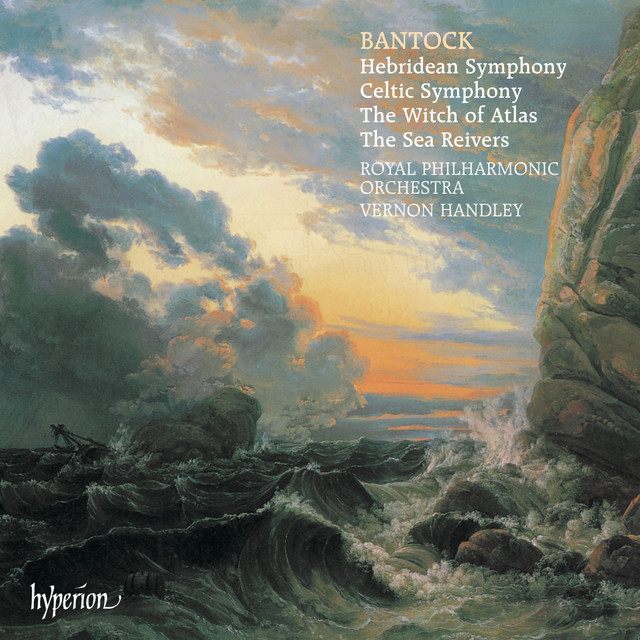
Granville Bantock

Jurgen Bruns
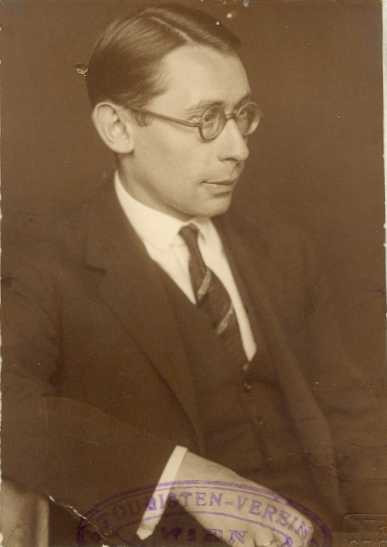
Hans Gál
Joseph Jongen

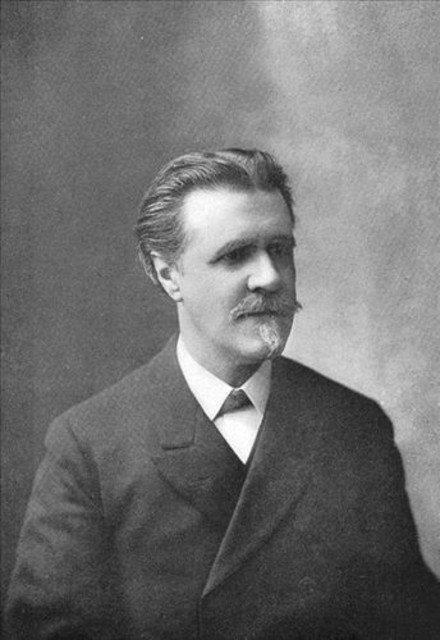


Simon Callaghan
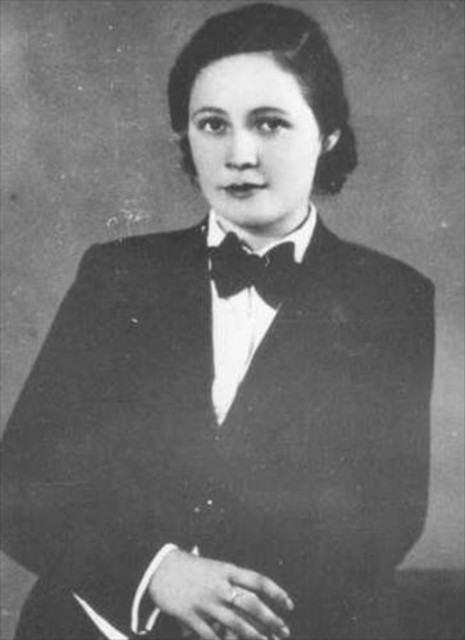
Vitezslava Kaprálová

Liepāja Symphony Orchestra


Einar Englund

Adam Carse

Rafael Rodriguez Albert

Wu Han

Westphalian Symphony Orchestra
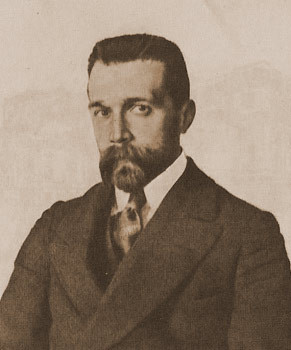
Nikolai Myaskovsky

Christopher Ward

Agathe Backer Grøndahl


Charles Peebles
Pancho Vladigerov
Elfrida Andrée
Emil von Sauer