Data may be outdated
Last updated: 9 months ago — Click refresh to get the latest statistics.
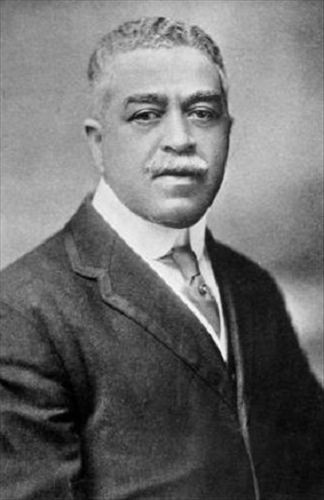
Henry "Harry" Thacker Burleigh was a major figure in the history of African American music. He was known above all for his arrangements of spirituals, but he was also a popular performer and composer of music in many other genres.
Burleigh was born on December 2, 1866, in Erie, Pennsylvania. His paternal grandfather was a freed slave who had settled in New York state. Burleigh's father was a Civil War veteran who died when Burleigh was very young. Burleigh's mother found work as a maid in the home of a wealthy Erie family that held evening musicales and hired Burleigh to serve as doorman. In this way, he was able to hear performances by visiting classical artists and to discover his own fine baritone voice, which was soon in demand at Erie churches frequented by both Black and white worshippers and even at a local synagogue. He also studied accounting and worked various odd jobs, including coachman and streetlamp lighter. Burleigh took some lessons from a local voice teacher and, in 1892, was admitted to the National Conservatory of Music in New York on his second try. With support from local well-wishers and from a scholarship arranged by Frances MacDowell (mother of composer <a href="spotify:artist:3Pw22ANvFqf1RBh5VgHiJ2">Edward MacDowell</a>), he was able to afford the program, although he had to work as a janitor during his studies.
That led to one of the most consequential meetings of Burleigh's life. The director of the Conservatory at the time was famed composer <a href="spotify:artist:6n7nd5iceYpXVwcx8VPpxF">Antonín Dvořák</a>, who heard Burleigh singing spirituals while he worked in a hallway and asked him to make a vocal presentation in his office. The meeting was mutually beneficial. <a href="spotify:artist:6n7nd5iceYpXVwcx8VPpxF">Dvořák</a> came to believe that the melodies of African American spirituals could serve as a basis for an American national school of composition, and he may have included melodies he had heard from Burleigh in his Symphony No. 9 in E minor, Op. 95 ("From the New World"), and other works. Burleigh began to gain a reputation in New York, and, in 1894, he was given the position of soloist at the city's St. George's Episcopal Church, overcoming opposition from members of the all-white congregation. (The deciding vote was cast by financier J.P. Morgan.) Burleigh later held a similar position at the Jewish Temple Emmanu-El. Most important, he began to compose music himself, and he came to realize that the tradition of the African American spiritual was important and worthy of preservation.
Accordingly, he began to notate the spirituals as he encountered them. Burleigh became a popular concert attraction, singing not only African American material but also operatic arias and songs from European concert traditions. He traveled to Europe and gave a command performance for King Edward VII of England in 1908. However, in segregated America, Burleigh was generally restricted to what were then known as "colored" hotels. In these lodgings, he encountered more songs and wrote them down. He continued to expand and organize his collection when he was hired by the music publisher Ricordi in 1911, at which point he slowed his concert career and began to devote his efforts toward publishing and popularizing the African American spiritual. In 1914, he co-founded the American Society of Composers, Authors, and Publishers (ASCAP), and in the 1940s, he served on the Society's board of directors. The first fruit of his work was the 1916 collection Jubilee Songs of the USA, which included one of the most famous spirituals of all, Deep River. Burleigh's arrangements of spirituals for solo vocalist and piano became extraordinarily popular among concert singers, many of whom would include one of his works in almost every concert. He also made choral arrangements, and these remain in use in many schools and collegiate music programs.
Burleigh wrote some 200 original works, most of which were rarely performed after his death and may well merit exploration from performers. In later life, he worked to publicize the spirituals and other forms of African American music, giving lectures and issuing new publications. He coached younger singers, including <a href="spotify:artist:3M1i58XSUuDtOq4XyTOlHo">Roland Hayes</a>, <a href="spotify:artist:670lYhY8JzIi5zTNdGtX3M">Marian Anderson</a>, and <a href="spotify:artist:6ccc2jvU6SYt0OyInCkIbG">Paul Robeson</a>, who, along with others, continued the work of spreading the treasury of what became known as Negro spirituals. Burleigh continued to perform at St. George's, and he organized an annual Spirituals service there. He often performed a sacred piece called The Palms by composer <a href="spotify:artist:2rDPw2tBGiIUL1J38Pq5vr">Jean-Baptiste Faure</a>, and one of these performances was broadcast live from the office of New York mayor Fiorello LaGuardia in 1944. Burleigh retired in 1946 and died in a nursing home in Stamford, Connecticut, on September 12, 1949.
Burleigh was born on December 2, 1866, in Erie, Pennsylvania. His paternal grandfather was a freed slave who had settled in New York state. Burleigh's father was a Civil War veteran who died when Burleigh was very young. Burleigh's mother found work as a maid in the home of a wealthy Erie family that held evening musicales and hired Burleigh to serve as doorman. In this way, he was able to hear performances by visiting classical artists and to discover his own fine baritone voice, which was soon in demand at Erie churches frequented by both Black and white worshippers and even at a local synagogue. He also studied accounting and worked various odd jobs, including coachman and streetlamp lighter. Burleigh took some lessons from a local voice teacher and, in 1892, was admitted to the National Conservatory of Music in New York on his second try. With support from local well-wishers and from a scholarship arranged by Frances MacDowell (mother of composer <a href="spotify:artist:3Pw22ANvFqf1RBh5VgHiJ2">Edward MacDowell</a>), he was able to afford the program, although he had to work as a janitor during his studies.
That led to one of the most consequential meetings of Burleigh's life. The director of the Conservatory at the time was famed composer <a href="spotify:artist:6n7nd5iceYpXVwcx8VPpxF">Antonín Dvořák</a>, who heard Burleigh singing spirituals while he worked in a hallway and asked him to make a vocal presentation in his office. The meeting was mutually beneficial. <a href="spotify:artist:6n7nd5iceYpXVwcx8VPpxF">Dvořák</a> came to believe that the melodies of African American spirituals could serve as a basis for an American national school of composition, and he may have included melodies he had heard from Burleigh in his Symphony No. 9 in E minor, Op. 95 ("From the New World"), and other works. Burleigh began to gain a reputation in New York, and, in 1894, he was given the position of soloist at the city's St. George's Episcopal Church, overcoming opposition from members of the all-white congregation. (The deciding vote was cast by financier J.P. Morgan.) Burleigh later held a similar position at the Jewish Temple Emmanu-El. Most important, he began to compose music himself, and he came to realize that the tradition of the African American spiritual was important and worthy of preservation.
Accordingly, he began to notate the spirituals as he encountered them. Burleigh became a popular concert attraction, singing not only African American material but also operatic arias and songs from European concert traditions. He traveled to Europe and gave a command performance for King Edward VII of England in 1908. However, in segregated America, Burleigh was generally restricted to what were then known as "colored" hotels. In these lodgings, he encountered more songs and wrote them down. He continued to expand and organize his collection when he was hired by the music publisher Ricordi in 1911, at which point he slowed his concert career and began to devote his efforts toward publishing and popularizing the African American spiritual. In 1914, he co-founded the American Society of Composers, Authors, and Publishers (ASCAP), and in the 1940s, he served on the Society's board of directors. The first fruit of his work was the 1916 collection Jubilee Songs of the USA, which included one of the most famous spirituals of all, Deep River. Burleigh's arrangements of spirituals for solo vocalist and piano became extraordinarily popular among concert singers, many of whom would include one of his works in almost every concert. He also made choral arrangements, and these remain in use in many schools and collegiate music programs.
Burleigh wrote some 200 original works, most of which were rarely performed after his death and may well merit exploration from performers. In later life, he worked to publicize the spirituals and other forms of African American music, giving lectures and issuing new publications. He coached younger singers, including <a href="spotify:artist:3M1i58XSUuDtOq4XyTOlHo">Roland Hayes</a>, <a href="spotify:artist:670lYhY8JzIi5zTNdGtX3M">Marian Anderson</a>, and <a href="spotify:artist:6ccc2jvU6SYt0OyInCkIbG">Paul Robeson</a>, who, along with others, continued the work of spreading the treasury of what became known as Negro spirituals. Burleigh continued to perform at St. George's, and he organized an annual Spirituals service there. He often performed a sacred piece called The Palms by composer <a href="spotify:artist:2rDPw2tBGiIUL1J38Pq5vr">Jean-Baptiste Faure</a>, and one of these performances was broadcast live from the office of New York mayor Fiorello LaGuardia in 1944. Burleigh retired in 1946 and died in a nursing home in Stamford, Connecticut, on September 12, 1949.
Monthly Listeners
5,138
Monthly Listeners History
Track the evolution of monthly listeners over the last 28 days.
Followers
963
Followers History
Track the evolution of followers over the last 28 days.
Top Cities
136 listeners

80 listeners

52 listeners
48 listeners
47 listeners

Related Artists
André Caplet
Madeleine Dring


Nick Russoniello

James Campbell

Dave Camwell

Marcus Eley


Shea Lolin
Valerie Coleman

David Pérez
Carl Baermann
Emile Pessard
Guy Woolfenden

Henri Rabaud
Graeme Steele Johnson
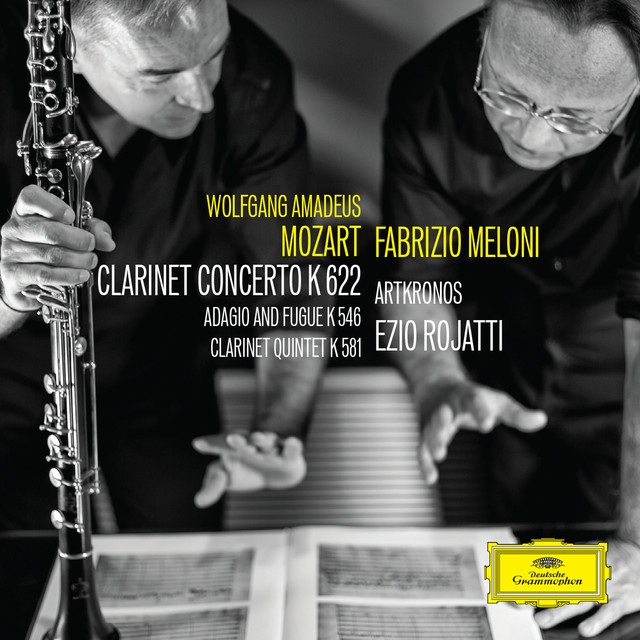
Fabrizio Meloni
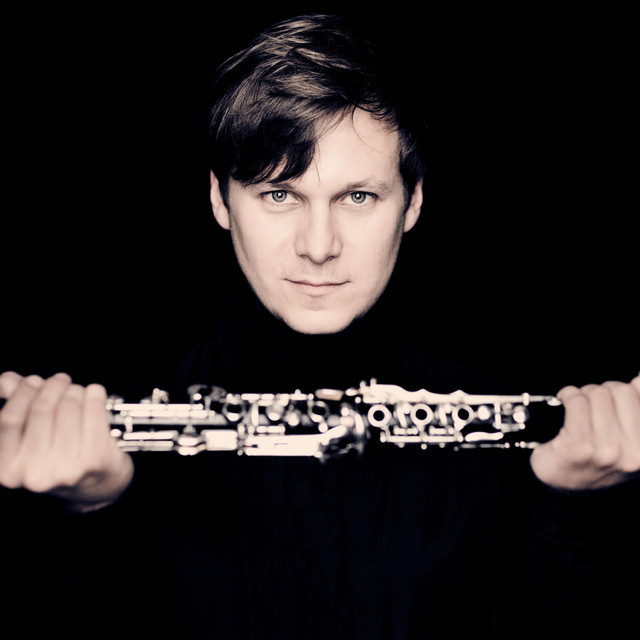
Sebastian Manz
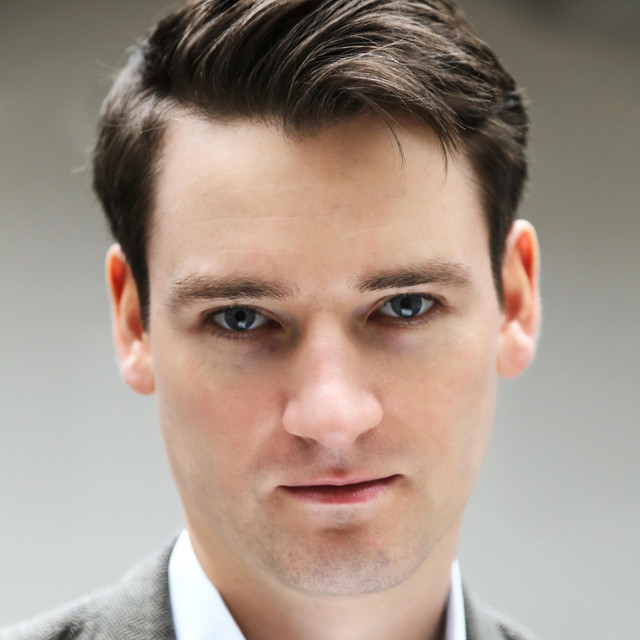
Max Baillie
Maya Magub
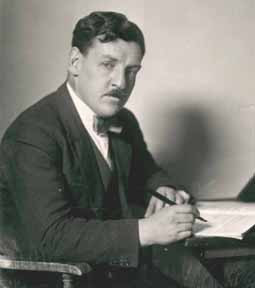

John Turner
Jörgen Van Rijen

Béla Kovács
Laurence Perkins
Godelieve Schrama