Data may be outdated
Last updated: 9 months ago — Click refresh to get the latest statistics.
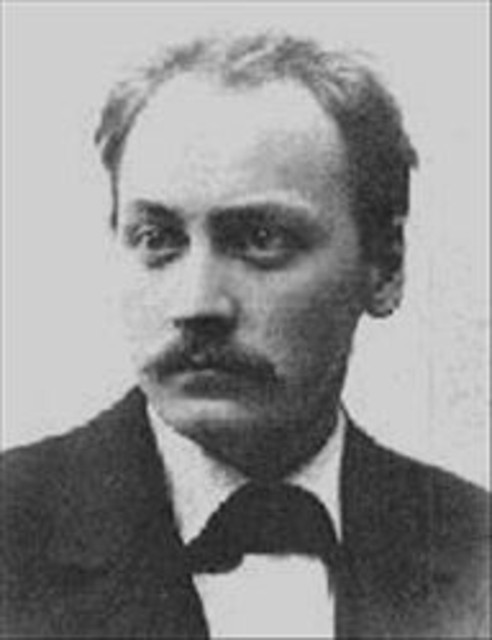
The Swedish composer Hugo Alfvén holds a position in the history of his country's music somewhat analogous to that of <a href="spotify:artist:5ihY290YPGc3aY2xTyx7Gy">Edvard Grieg</a> in Norway or <a href="spotify:artist:7jzR5qj8vFnSu5JHaXgFEr">Jean Sibelius</a> in Finland: Alfvén informed his essentially Romantic style with a regard for the history and folk culture of his homeland. His five symphonies, three Swedish Rhapsodies, and numerous cantatas and patriotic works evoke the land of Sweden and make extensive use of Swedish folk songs and dances; most of them have an explicit extramusical program or theme. In addition to composing music, Alfvén was also a painter.
After studies at the Stockholm Conservatory, Alfvén played violin in the Hovkapellet, the Swedish court orchestra, from 1890 to 1897. His first compositions date from those years. The success of his Symphony No. 2 in D, Op. 11 (premiered under <a href="spotify:artist:6gfRaesyLupPd0gDQaLwJV">Wilhelm Stenhammar</a>'s direction in 1899), led to Alfvén's being awarded the Jenny Lind stipend, which allowed him to study in France and Germany for three years. Shortly after his return from that trip, he wrote perhaps his best-known work, the Swedish Rhapsody No. 1 (1903-1904). Subtitled "Midsommarvaka" (Midsummer Vigil), this portrait of a Swedish summer makes use of several Swedish folk songs; it was among the first compositions by a Swedish composer to do so. Two further Swedish Rhapsodies, equally tuneful works, followed in 1907 and 1937.
In 1908, Alfvén was elected to Sweden's Royal Academy of Music. Two years later he became the music director of the Royal University of Uppsala; among his duties there was directing the student choir. Choral conducting was always a large part of Alfvén's life: he was also the conductor of the Siljan Choir, a sort of mega-choir, for over 50 years, and directed the Initiates of Orpheus, a choral group with which Alfvén toured Europe over 20 times during the period 1910-1947. A significant number of Alfvén's 225 compositions are in fact for chorus, many of them designed for amateur groups. The composer himself believed his five symphonies to be among his best works; the fourth includes two textless voice parts. Among his other well-known pieces are the incidental music for Ludwig Nordstrom's play Gustav II Adolf, Op. 121 (1932), the Elegy of which is often used as funeral music; and one of his last works, the 1957 ballet The Prodigal Son, Op. 217. He was also called on frequently to write cantatas and other works for festive and patriotic occasions.
After studies at the Stockholm Conservatory, Alfvén played violin in the Hovkapellet, the Swedish court orchestra, from 1890 to 1897. His first compositions date from those years. The success of his Symphony No. 2 in D, Op. 11 (premiered under <a href="spotify:artist:6gfRaesyLupPd0gDQaLwJV">Wilhelm Stenhammar</a>'s direction in 1899), led to Alfvén's being awarded the Jenny Lind stipend, which allowed him to study in France and Germany for three years. Shortly after his return from that trip, he wrote perhaps his best-known work, the Swedish Rhapsody No. 1 (1903-1904). Subtitled "Midsommarvaka" (Midsummer Vigil), this portrait of a Swedish summer makes use of several Swedish folk songs; it was among the first compositions by a Swedish composer to do so. Two further Swedish Rhapsodies, equally tuneful works, followed in 1907 and 1937.
In 1908, Alfvén was elected to Sweden's Royal Academy of Music. Two years later he became the music director of the Royal University of Uppsala; among his duties there was directing the student choir. Choral conducting was always a large part of Alfvén's life: he was also the conductor of the Siljan Choir, a sort of mega-choir, for over 50 years, and directed the Initiates of Orpheus, a choral group with which Alfvén toured Europe over 20 times during the period 1910-1947. A significant number of Alfvén's 225 compositions are in fact for chorus, many of them designed for amateur groups. The composer himself believed his five symphonies to be among his best works; the fourth includes two textless voice parts. Among his other well-known pieces are the incidental music for Ludwig Nordstrom's play Gustav II Adolf, Op. 121 (1932), the Elegy of which is often used as funeral music; and one of his last works, the 1957 ballet The Prodigal Son, Op. 217. He was also called on frequently to write cantatas and other works for festive and patriotic occasions.
Monthly Listeners
40,694
Monthly Listeners History
Track the evolution of monthly listeners over the last 28 days.
Followers
5,010
Followers History
Track the evolution of followers over the last 28 days.
Top Cities
4,334 listeners

2,185 listeners
1,182 listeners
726 listeners
537 listeners

Related Artists


Oskar Lindberg
Stockholm Radio Orchestra
David Wikander

Adolf Fredrik Lindblad
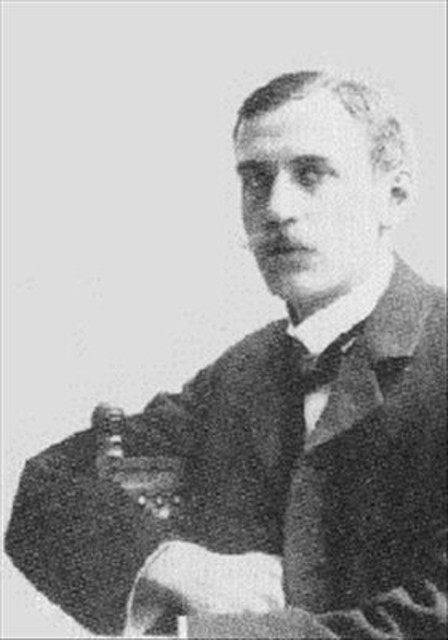
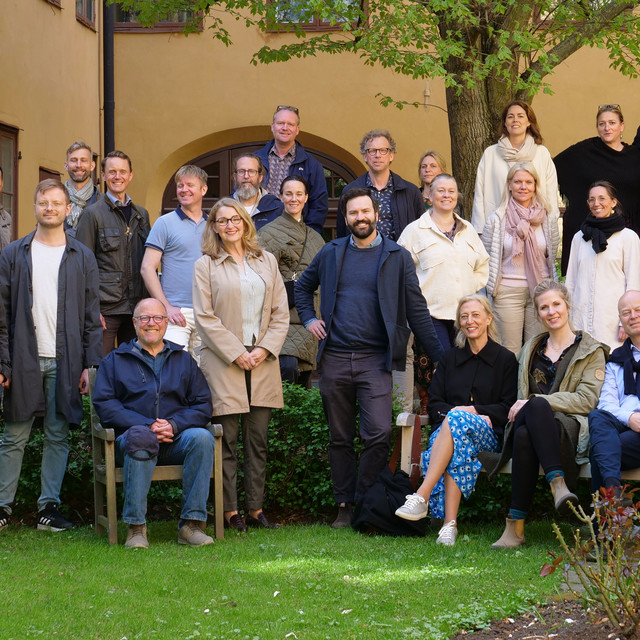
St. Jacob's Chamber Choir

Lunds Studentsångare
Nils Lindberg
Gunnar Idenstam

Waldemar Åhlén
Fredrik Sixten

Grex Vocalis
Grete Pedersen
Karin Rehnqvist

Gunnar Eriksson

Bengt Ollen
Allmänna Sången
August Söderman

Karin Ingeback

Sven-David Sandström
Gustaf Sjökvists Kammarkör
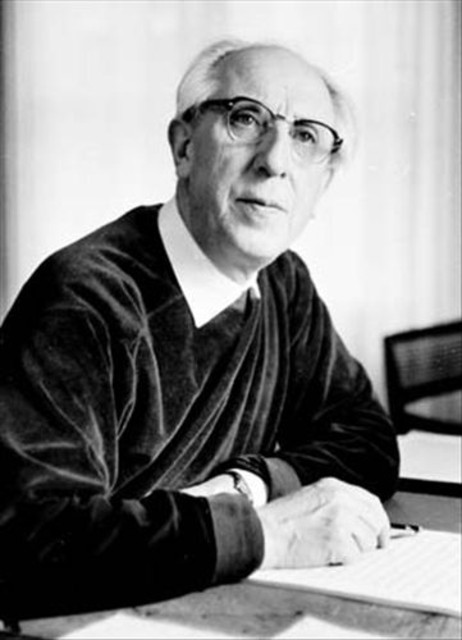
Hilding Rosenberg

Niels Wilhelm Gade
Verner von Heidenstam

Lone Larsen