Artist
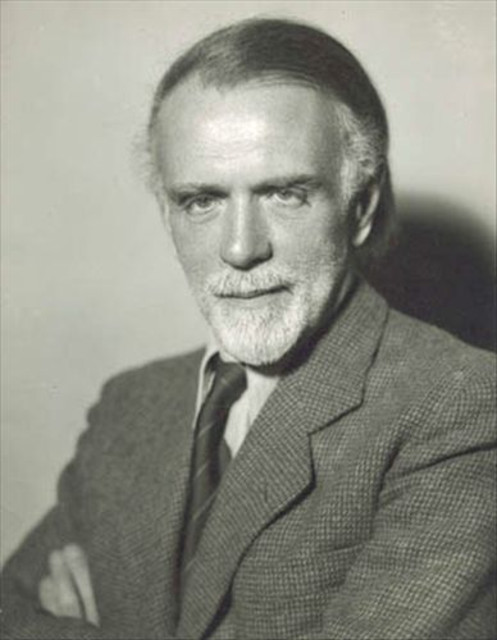
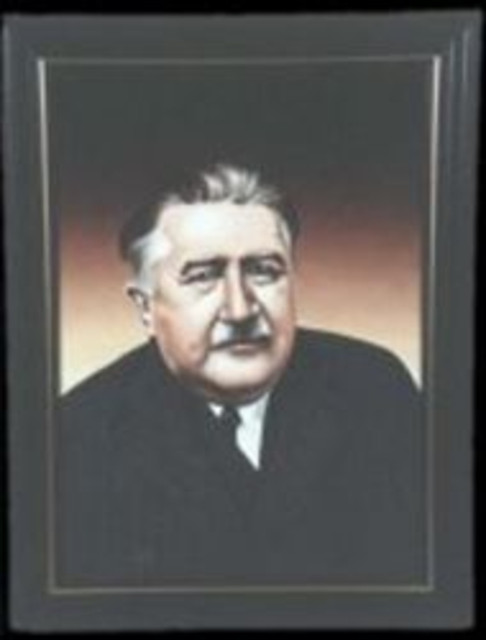
Wilhelm Stenhammar
Data may be outdated
Last updated: 9 months ago — Click refresh to get the latest statistics.
Stenhammar was a Swedish pianist and self-taught composer and conductor. His compositions began as typically late Romantic fare but evolved through three periods. In the first, his primary influences were <a href="spotify:artist:1385hLNbrnbCJGokfH2ac2">Liszt</a>, <a href="spotify:artist:5wTAi7QkpP6kp8a54lmTOq">Brahms</a>, and <a href="spotify:artist:1C1x4MVkql8AiABuTw6DgE">Wagner</a>, but the music is imbued with a Nordic sound without specifically quoting Swedish folk song. His early operas Gildet på Solhaug (1892-1893) and Tirfing (1897-1898), although unsuccessful, were the pinnacles of this period. Stenhammar's second period began as he attempted to create a more concentrated and motivically oriented style, modeled on the great classicists Beethoven, <a href="spotify:artist:656RXuyw7CE0dtjdPgjJV6">Haydn</a>, and <a href="spotify:artist:4NJhFmfw43RLBLjQvxDuRS">Mozart</a>. In spite of this, the music of this period loses none of its Nordic color. His brilliant cantata Ett folk (1904-1905) and the frequently played Second Piano Concerto are the most representative. Beginning in 1909, perhaps feeling his lack of training was detrimental to further development, Stenhammar engaged upon a nine-year course in strict counterpoint. The fruit of this study resulted in his last period, where the music becomes more contrapuntally and modally oriented, particularly in the last two of his six string quartets. Yet at the same time, his larger works, such as the orchestral Serenade and the Second Symphony, lose nothing of the earlier freshness and inspiration that make Stenhammar's music so attractive.
Stenhammar's early years were spent surrounded by culture, although he never undertook formal training except in piano. By 1900, he had established himself as a pianist, eventually giving over 1,000 concerts all over Sweden. He had also debuted as a conductor in 1897 with his own overture Excelsior!, and eventually went on to direct the Stockholm Philharmonic Society, the Royal Opera, the New Philharmonic Society, and the Göttesborgs Orkesterförening. Stenhammar eventually became one of the most important Scandinavian musicians of his era, and his compositions, including many songs, choral works, chamber and solo pieces, and theater and orchestral works represent the best music out of turn-of-the-century Sweden.
Stenhammar's early years were spent surrounded by culture, although he never undertook formal training except in piano. By 1900, he had established himself as a pianist, eventually giving over 1,000 concerts all over Sweden. He had also debuted as a conductor in 1897 with his own overture Excelsior!, and eventually went on to direct the Stockholm Philharmonic Society, the Royal Opera, the New Philharmonic Society, and the Göttesborgs Orkesterförening. Stenhammar eventually became one of the most important Scandinavian musicians of his era, and his compositions, including many songs, choral works, chamber and solo pieces, and theater and orchestral works represent the best music out of turn-of-the-century Sweden.
Monthly Listeners
17,990
Monthly Listeners History
Track the evolution of monthly listeners over the last 28 days.
Followers
5,239
Followers History
Track the evolution of followers over the last 28 days.
Top Cities
968 listeners

467 listeners
279 listeners
274 listeners

183 listeners

Related Artists

Niklas Sivelov


Franz Berwald


Niels Wilhelm Gade
Symphony Orchestra Of Norrlands Opera

Geirr Tveitt

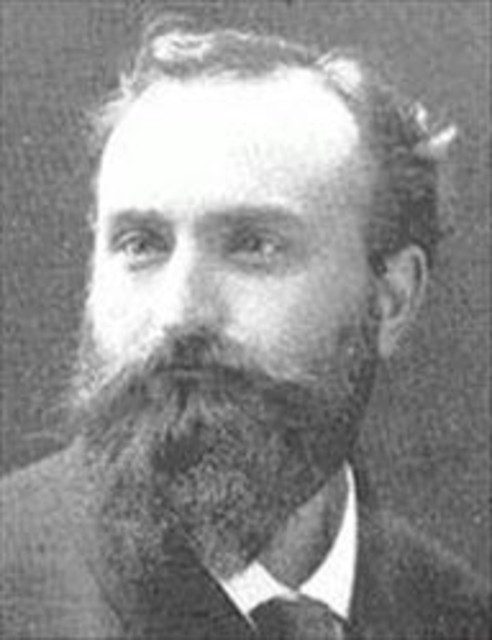

Tor Aulin
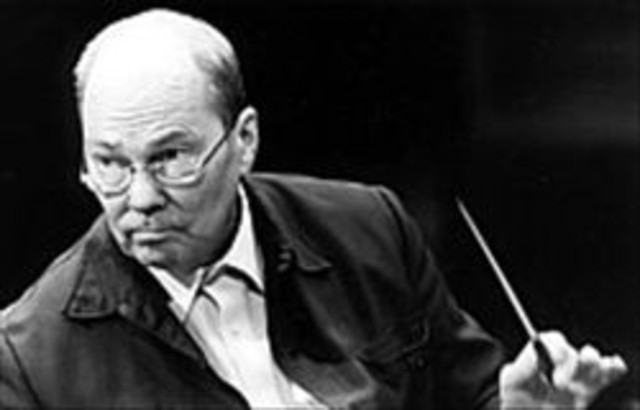
Paavo Berglund

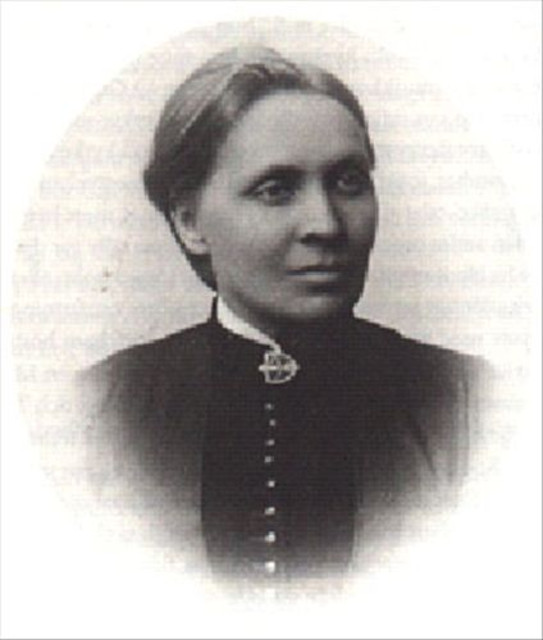
Elfrida Andrée


Erkki Melartin
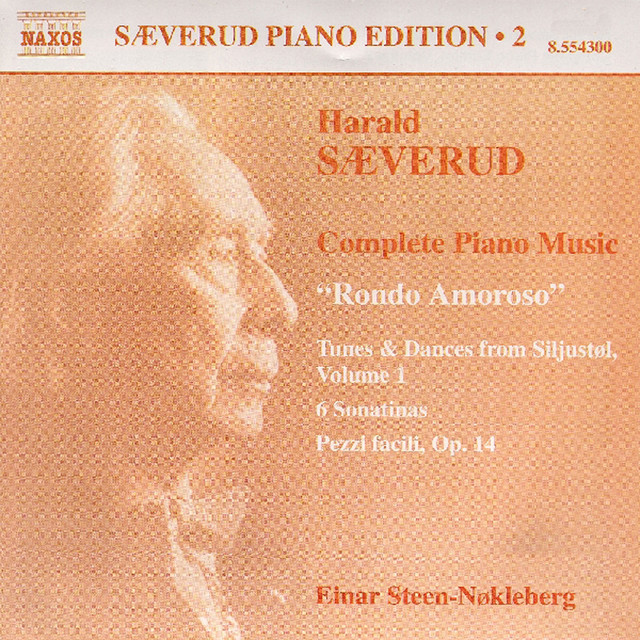
Harald Sæverud
Jurgen Bruns
William Smith
Andreas Brantelid

Gunnar de Frumerie