Data may be outdated
Last updated: 7 months ago — Click refresh to get the latest statistics.
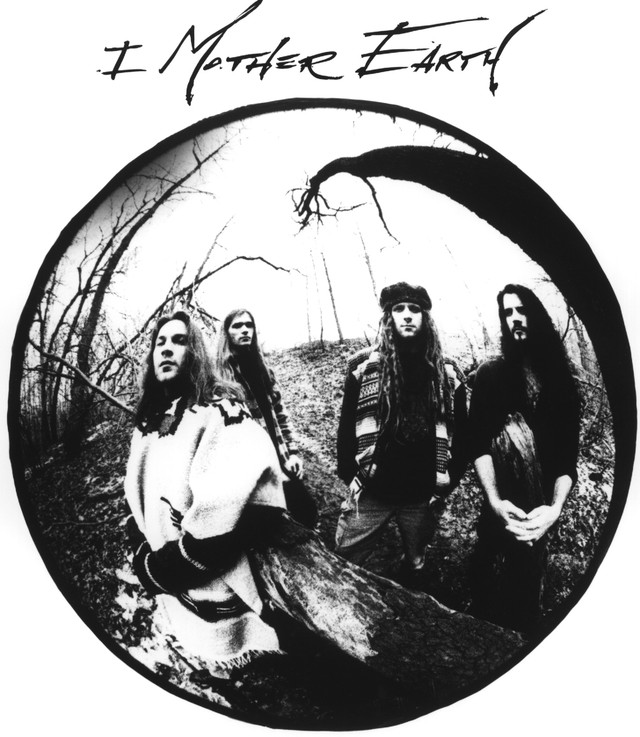
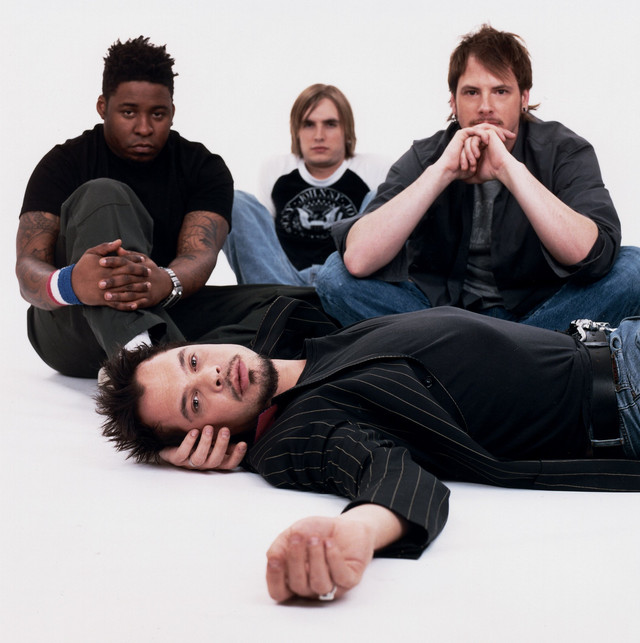
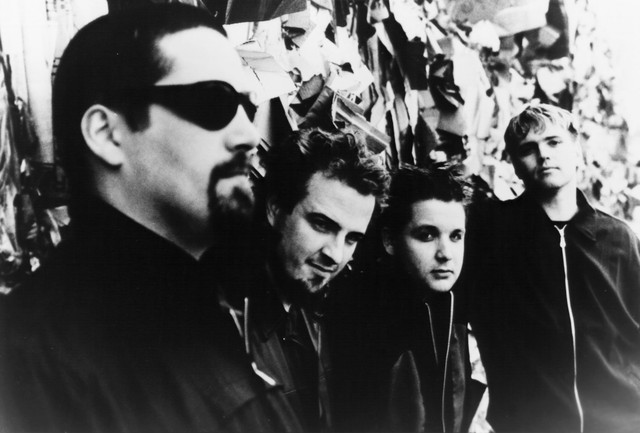
Talk of Canadian rock bands may conjure up images of <a href="spotify:artist:0cQuYRSzlItquYxsQKDvVc">the Guess Who</a> or <a href="spotify:artist:5q4AzEtCoYJyXjMMoEkSU5">Bachman-Turner Overdrive</a>, but Toronto quartet I Mother Earth is a modern update combining a wide range of influences, including jazz fusion, funk, and progressive rock. Add a pinch of Canadian counterparts <a href="spotify:artist:2Hkut4rAAyrQxRdof7FVJq">Rush</a> and dashes of artists as disparate as <a href="spotify:artist:6GI52t8N5F02MxU0g5U69P">Santana</a> and <a href="spotify:artist:7M1FPw29m5FbicYzS2xdpi">King Crimson</a>, <a href="spotify:artist:0L8ExT028jH3ddEcZwqJJ5">Red Hot Chili Peppers</a> and <a href="spotify:artist:64mPnRMMeudAet0E62ypkx">Primus</a>, and <a href="spotify:artist:02NfyD6AlLA12crYzw5YcR">Jane's Addiction</a> and <a href="spotify:artist:40Yq4vzPs9VNUrIBG5Jr2i">Smashing Pumpkins</a>, and you're bordering on I Mother Earth's expansive collage of styles. The group formed in Toronto in 1990 with vocalist <a href="spotify:artist:6KGoYByQcKFk2PJRuer0oq">Edwin</a>, bassist Bruce Gordon, and brothers Jagori Tanna (guitar/vocals) and Christian Tanna (drums). Signed to Capitol, I Mother Earth's agressive 1993 debut CD Dig nonetheless caused as much head-scratching as adulation. <a href="spotify:artist:6KGoYByQcKFk2PJRuer0oq">Edwin</a>'s heady lyrics hinted at progressive rock acts like <a href="spotify:artist:2Hkut4rAAyrQxRdof7FVJq">Rush</a> and <a href="spotify:artist:7AC976RDJzL2asmZuz7qil">Yes</a> while his vocals were completely different; the rhythm section played crisp funk patterns like an updated <a href="spotify:artist:7GaxyUddsPok8BuhxN6OUW">James Brown</a>, and the group's penchant for percussion neared <a href="spotify:artist:6GI52t8N5F02MxU0g5U69P">Santana</a> territory. Making things more complicated was guitarist Tanna, who ranged from <a href="spotify:artist:0L8ExT028jH3ddEcZwqJJ5">Chili Peppers</a>-style rhythm patterns ("Rain Will Fall") to bluesy <a href="spotify:artist:5fsDcuclIe8ZiBD5P787K1">Stevie Ray Vaughan</a> licks ("So Gently We Go") to the Woodstock-era Latin fire of <a href="spotify:artist:7yGQgQiiKpg2k00JXf8hJk">Carlos Santana</a> ("No One"). The fact that another Toronto band with a similar name (<a href="spotify:artist:1lqW59DUEKqvcHc8mVWBtH">Our Lady Peace</a>) was starting to gain notoriety didn't help I Mother Earth's cause, either. Nonplussed, the quartet set out to go further on its sophomore effort, even if it wasn't considered commercially wise for bands (especially Canadian bands) to be this versatile. Recruiting percussionists <a href="spotify:artist:0ztqSAprO9RSPrjxYCnbpI">Luis Conte</a> and Daniel Mansilla, keyboardist Ken Pearson, and even <a href="spotify:artist:2Hkut4rAAyrQxRdof7FVJq">Rush</a> guitarist <a href="spotify:artist:4vC9kK4Y7SBM3mSsyeTKCo">Alex Lifeson</a> for 1996's Scenery and Fish, I Mother Earth concocted another epic of genre-defiance. Even an otherwise radio-friendly track like "One More Astronaut" was filled with stops, starts, and odd rhythmic meters, with more detours through blues ("Three Days Old"), percussion-heavy numbers (the opening "Hello Dave!"), uptempo funk ("Used to Be Alright"), acoustic pieces ("Shortcut to Monelon"), and updated metal à la <a href="spotify:artist:7M1FPw29m5FbicYzS2xdpi">King Crimson</a> ("Pisser"). The band would release no more CDs on Capitol, but again took three years to release the successive Blue Green Orange. Distributed by Mercury throughout Canada, but harder to find in the U.S., the 1999 release expanded on I Mother Earth's already expansive musical pallette, as did an import CD of acoustic remixes and live tracks (Earth Sky and Everything in Between). ~ Bill Meredith, Rovi
Monthly Listeners
71,518
Monthly Listeners History
Track the evolution of monthly listeners over the last 28 days.
Followers
81,572
Followers History
Track the evolution of followers over the last 28 days.
Top Cities

Related Artists









Our Lady Peace





Barstool Prophets


Sponge

Oleander