Data may be outdated
Last updated: 9 months ago — Click refresh to get the latest statistics.
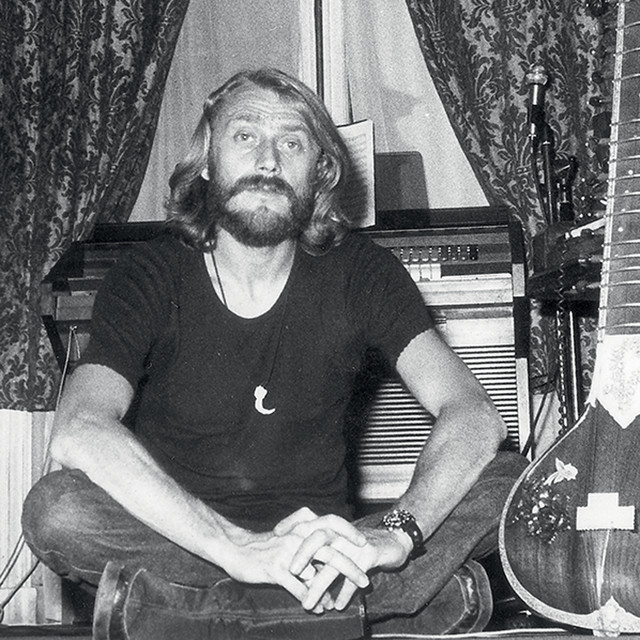
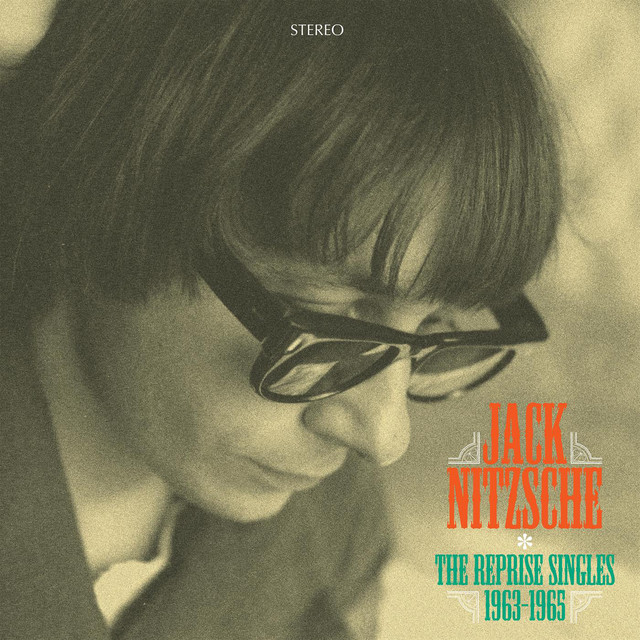
An important behind-the-scenes figure in popular music for 40 years, composer/songwriter/producer/arranger/studio musician Jack Nitzsche served a crucial function in 1960s rock & roll, bringing a trained musician's know-how to bear on the work of more instinctive rockers in a way that complemented and deepened their work. <a href="spotify:artist:22bE4uQ6baNwSHPVcDxLCe">The Rolling Stones</a> and <a href="spotify:artist:6v8FB84lnmJs434UJf2Mrm">Neil Young</a> in particular benefited from his talents. Nitzsche was also a capable writer who penned a couple of major hits and developed a career as a film composer that included nearly three dozen movie scores.
Nitzsche grew up in Howard City, Michigan, which he left at 18 in 1955 to attend Westlake College of Music in Hollywood, California; he remained based in the Los Angeles area for the rest of his career. After college in 1957 he found work as a music copyist. He was hired at <a href="spotify:search:label%3A%22Specialty+Records%22">Specialty Records</a> by <a href="spotify:artist:4ui9JwXE5MHylLzpsoiEhr">Sonny Bono</a>, with whom he would work extensively over the next several years. He also worked at <a href="spotify:search:label%3A%22Capitol+Records%22">Capitol Records</a> and Original Sound Records. At Original Sound, he wrote "Bongo Bongo Bongo," an instrumental that was recorded by <a href="spotify:artist:635NhD8wQskmUJhO2Lidhb">Preston Epps</a> as a follow-up to his hit "Bongo Rock." It made the national charts in the summer of 1960.
Nitzsche began getting arranging jobs, and when writer/producer <a href="spotify:artist:3jVMgT4X7YeuYE4aludcmE">Phil Spector</a> relocated to the West Coast, he went to work with <a href="spotify:artist:3jVMgT4X7YeuYE4aludcmE">Spector</a>, arranging many of <a href="spotify:artist:3jVMgT4X7YeuYE4aludcmE">Spector</a>'s hits, among them "He's a Rebel" by <a href="spotify:artist:7rewR1TVjhisjI6gauUamf">the Crystals</a> and "Be My Baby" by <a href="spotify:artist:7CyeXFnOrfC1N6z4naIpgo">the Ronettes</a>. He also scored his own recording contract with <a href="spotify:search:label%3A%22Reprise+Records%22">Reprise Records</a>, which released his instrumental "The Lonely Surfer" in the summer of 1963. It became a Top 40 hit, and Nitzsche followed it with an album of the same title, but he did not go on to a successful recording career, though he did release a few more albums. His next chart entry came with a song he composed but did not perform. He and <a href="spotify:artist:4ui9JwXE5MHylLzpsoiEhr">Sonny Bono</a> had written "Needles and Pins," initially recorded by <a href="spotify:artist:0iVed2Qu7dmL0pIYCj1Xw8">Jackie DeShannon</a>. It was covered by British Invasion group <a href="spotify:artist:4QmkLL9JOqM9dusHS1Hghe">the Searchers</a>, who took it into the Top 20 in the spring of 1964. (The song was revived for a chart entry by <a href="spotify:artist:5rIqOJspxDq89aBBCUda1X">Smokie</a> in 1977 and became a Top 40 hit for <a href="spotify:artist:4tX2TplrkIP4v05BNC903e">Tom Petty & the Heartbreakers</a> with <a href="spotify:artist:7crPfGd2k81ekOoSqQKWWz">Stevie Nicks</a> in 1986.)
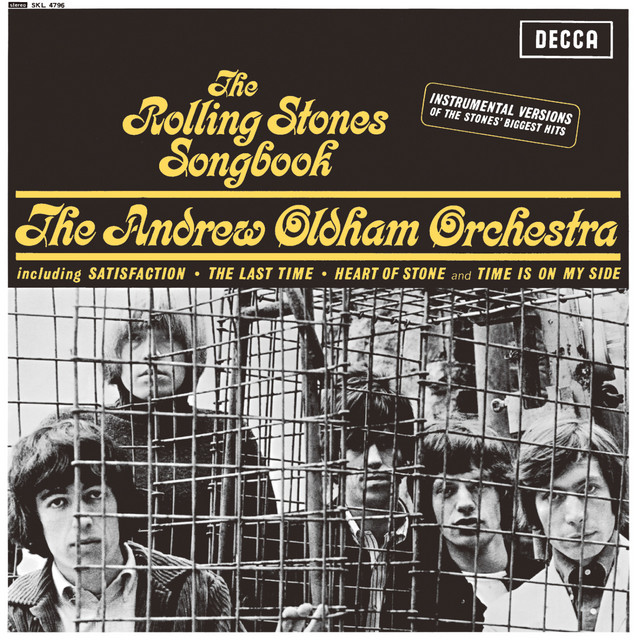
Nitzsche's work with <a href="spotify:artist:3jVMgT4X7YeuYE4aludcmE">Spector</a> stood him in good stead with another British Invasion group. In the fall of 1964, he played on sessions for <a href="spotify:artist:22bE4uQ6baNwSHPVcDxLCe">the Rolling Stones</a> album The Rolling Stones, Now!, beginning a long association with the group that would find him contributing to such <a href="spotify:artist:22bE4uQ6baNwSHPVcDxLCe">Stones</a> recordings as "Play with Fire," "Paint It Black," and "You Can't Always Get What You Want" (choral arrangement).
Nitzsche got his first film credit serving as musical director for The T.A.M.I. Show, a legendary concert movie filmed in November 1964 and released in January 1965. Also in 1965, he wrote his first film score, for the low-budget Village of the Giants, though it would be another five years before he really began to work in films consistently. In the meantime, he continued to produce, arrange, and record with a wide variety of musicians including <a href="spotify:artist:6zHRqvws8dVeqL8D31ponr">Tim Buckley</a>, <a href="spotify:artist:0EodhzA6yW1bIdD5B4tcmJ">Bobby Darin</a>, <a href="spotify:artist:3ESG6pj6a0LvUKklENalT6">Doris Day</a>, <a href="spotify:artist:7mlge4peaoNgzTsY6M32RB">Marianne Faithfull</a>, <a href="spotify:artist:3cgO5CdhEHKMxldjZlP5ix">Frankie Laine</a>, and <a href="spotify:artist:320EPCSEezHt1rtbfwH6Ck">the Monkees</a>. He began a long association with <a href="spotify:artist:6v8FB84lnmJs434UJf2Mrm">Neil Young</a> when he wrote a string arrangement for <a href="spotify:artist:6v8FB84lnmJs434UJf2Mrm">Young</a>'s song "Expecting to Fly," which appeared on the <a href="spotify:artist:3eskO5m0H4yiF64vRySBjr">Buffalo Springfield</a> album Buffalo Springfield Again in 1967. When <a href="spotify:artist:3eskO5m0H4yiF64vRySBjr">the Springfield</a> broke up in 1968 and <a href="spotify:artist:6v8FB84lnmJs434UJf2Mrm">Young</a> went solo, Nitzsche continued to work with him, co-producing and writing arrangements for his first solo album, Neil Young, in 1969. He also worked on <a href="spotify:artist:6v8FB84lnmJs434UJf2Mrm">Young</a>'s early-'70s albums After the Gold Rush, Harvest, Time Fades Away, and Tonight's the Night, and returned for Life (1987) and Harvest Moon (1992).
Nitzsche got his chance to return to movie work in 1970 with Performance, starring <a href="spotify:artist:3d2pb1dHTm8b61zAGVUVvO">Mick Jagger</a>. It really launched his career as a composer of film scores. By 1973, he was working on major studio films like The Exorcist, and in 1975 he earned an Academy Award nomination for his music to One Flew Over the Cuckoo's Nest. But in the late '70s, he accepted a few production jobs involving new wave rock performers, producing the first three albums by <a href="spotify:artist:1Oedz03PvIZQvBJBneRd9S">Mink DeVille</a> and <a href="spotify:artist:2CZj6Atoe6w2JhkMQnOEXo">Graham Parker & the Rumour</a>'s celebrated Squeezing out Sparks. By the 1980s, however, he was working full-time on film scores, averaging two a year during the decade. He got another Academy Award nomination for An Officer and a Gentleman in 1982, and, with <a href="spotify:artist:1Mq5WQehpxWHq4S2KTB3HI">Will Jennings</a> and <a href="spotify:artist:5exO2eW84QucBhrRhcK76x">Buffy Sainte-Marie</a> (at the time, Nitzsche's wife), he won the Oscar for best song for "Up Where We Belong," which had already become a number one hit for <a href="spotify:artist:3pFCERyEiP5xeN2EsPXhjI">Joe Cocker</a> and <a href="spotify:artist:1BwHztAQKypBuy5WBEdJnG">Jennifer Warnes</a>.
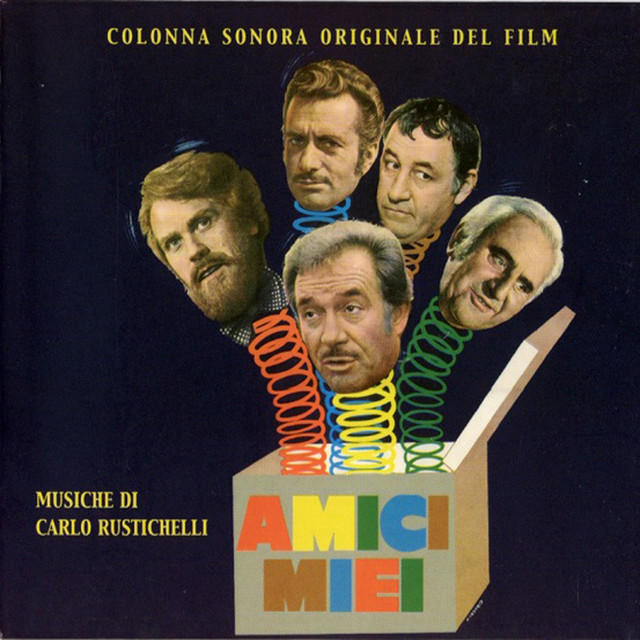
Nitzsche's film work slowed after the early '90s, his last film score coming with The Crossing Guard in 1995. He died in August of 2000 at the age of 63. ~ William Ruhlmann, Rovi
Nitzsche grew up in Howard City, Michigan, which he left at 18 in 1955 to attend Westlake College of Music in Hollywood, California; he remained based in the Los Angeles area for the rest of his career. After college in 1957 he found work as a music copyist. He was hired at <a href="spotify:search:label%3A%22Specialty+Records%22">Specialty Records</a> by <a href="spotify:artist:4ui9JwXE5MHylLzpsoiEhr">Sonny Bono</a>, with whom he would work extensively over the next several years. He also worked at <a href="spotify:search:label%3A%22Capitol+Records%22">Capitol Records</a> and Original Sound Records. At Original Sound, he wrote "Bongo Bongo Bongo," an instrumental that was recorded by <a href="spotify:artist:635NhD8wQskmUJhO2Lidhb">Preston Epps</a> as a follow-up to his hit "Bongo Rock." It made the national charts in the summer of 1960.
Nitzsche began getting arranging jobs, and when writer/producer <a href="spotify:artist:3jVMgT4X7YeuYE4aludcmE">Phil Spector</a> relocated to the West Coast, he went to work with <a href="spotify:artist:3jVMgT4X7YeuYE4aludcmE">Spector</a>, arranging many of <a href="spotify:artist:3jVMgT4X7YeuYE4aludcmE">Spector</a>'s hits, among them "He's a Rebel" by <a href="spotify:artist:7rewR1TVjhisjI6gauUamf">the Crystals</a> and "Be My Baby" by <a href="spotify:artist:7CyeXFnOrfC1N6z4naIpgo">the Ronettes</a>. He also scored his own recording contract with <a href="spotify:search:label%3A%22Reprise+Records%22">Reprise Records</a>, which released his instrumental "The Lonely Surfer" in the summer of 1963. It became a Top 40 hit, and Nitzsche followed it with an album of the same title, but he did not go on to a successful recording career, though he did release a few more albums. His next chart entry came with a song he composed but did not perform. He and <a href="spotify:artist:4ui9JwXE5MHylLzpsoiEhr">Sonny Bono</a> had written "Needles and Pins," initially recorded by <a href="spotify:artist:0iVed2Qu7dmL0pIYCj1Xw8">Jackie DeShannon</a>. It was covered by British Invasion group <a href="spotify:artist:4QmkLL9JOqM9dusHS1Hghe">the Searchers</a>, who took it into the Top 20 in the spring of 1964. (The song was revived for a chart entry by <a href="spotify:artist:5rIqOJspxDq89aBBCUda1X">Smokie</a> in 1977 and became a Top 40 hit for <a href="spotify:artist:4tX2TplrkIP4v05BNC903e">Tom Petty & the Heartbreakers</a> with <a href="spotify:artist:7crPfGd2k81ekOoSqQKWWz">Stevie Nicks</a> in 1986.)
Nitzsche's work with <a href="spotify:artist:3jVMgT4X7YeuYE4aludcmE">Spector</a> stood him in good stead with another British Invasion group. In the fall of 1964, he played on sessions for <a href="spotify:artist:22bE4uQ6baNwSHPVcDxLCe">the Rolling Stones</a> album The Rolling Stones, Now!, beginning a long association with the group that would find him contributing to such <a href="spotify:artist:22bE4uQ6baNwSHPVcDxLCe">Stones</a> recordings as "Play with Fire," "Paint It Black," and "You Can't Always Get What You Want" (choral arrangement).
Nitzsche got his first film credit serving as musical director for The T.A.M.I. Show, a legendary concert movie filmed in November 1964 and released in January 1965. Also in 1965, he wrote his first film score, for the low-budget Village of the Giants, though it would be another five years before he really began to work in films consistently. In the meantime, he continued to produce, arrange, and record with a wide variety of musicians including <a href="spotify:artist:6zHRqvws8dVeqL8D31ponr">Tim Buckley</a>, <a href="spotify:artist:0EodhzA6yW1bIdD5B4tcmJ">Bobby Darin</a>, <a href="spotify:artist:3ESG6pj6a0LvUKklENalT6">Doris Day</a>, <a href="spotify:artist:7mlge4peaoNgzTsY6M32RB">Marianne Faithfull</a>, <a href="spotify:artist:3cgO5CdhEHKMxldjZlP5ix">Frankie Laine</a>, and <a href="spotify:artist:320EPCSEezHt1rtbfwH6Ck">the Monkees</a>. He began a long association with <a href="spotify:artist:6v8FB84lnmJs434UJf2Mrm">Neil Young</a> when he wrote a string arrangement for <a href="spotify:artist:6v8FB84lnmJs434UJf2Mrm">Young</a>'s song "Expecting to Fly," which appeared on the <a href="spotify:artist:3eskO5m0H4yiF64vRySBjr">Buffalo Springfield</a> album Buffalo Springfield Again in 1967. When <a href="spotify:artist:3eskO5m0H4yiF64vRySBjr">the Springfield</a> broke up in 1968 and <a href="spotify:artist:6v8FB84lnmJs434UJf2Mrm">Young</a> went solo, Nitzsche continued to work with him, co-producing and writing arrangements for his first solo album, Neil Young, in 1969. He also worked on <a href="spotify:artist:6v8FB84lnmJs434UJf2Mrm">Young</a>'s early-'70s albums After the Gold Rush, Harvest, Time Fades Away, and Tonight's the Night, and returned for Life (1987) and Harvest Moon (1992).
Nitzsche got his chance to return to movie work in 1970 with Performance, starring <a href="spotify:artist:3d2pb1dHTm8b61zAGVUVvO">Mick Jagger</a>. It really launched his career as a composer of film scores. By 1973, he was working on major studio films like The Exorcist, and in 1975 he earned an Academy Award nomination for his music to One Flew Over the Cuckoo's Nest. But in the late '70s, he accepted a few production jobs involving new wave rock performers, producing the first three albums by <a href="spotify:artist:1Oedz03PvIZQvBJBneRd9S">Mink DeVille</a> and <a href="spotify:artist:2CZj6Atoe6w2JhkMQnOEXo">Graham Parker & the Rumour</a>'s celebrated Squeezing out Sparks. By the 1980s, however, he was working full-time on film scores, averaging two a year during the decade. He got another Academy Award nomination for An Officer and a Gentleman in 1982, and, with <a href="spotify:artist:1Mq5WQehpxWHq4S2KTB3HI">Will Jennings</a> and <a href="spotify:artist:5exO2eW84QucBhrRhcK76x">Buffy Sainte-Marie</a> (at the time, Nitzsche's wife), he won the Oscar for best song for "Up Where We Belong," which had already become a number one hit for <a href="spotify:artist:3pFCERyEiP5xeN2EsPXhjI">Joe Cocker</a> and <a href="spotify:artist:1BwHztAQKypBuy5WBEdJnG">Jennifer Warnes</a>.
Nitzsche's film work slowed after the early '90s, his last film score coming with The Crossing Guard in 1995. He died in August of 2000 at the age of 63. ~ William Ruhlmann, Rovi
Monthly Listeners
39,496
Monthly Listeners History
Track the evolution of monthly listeners over the last 28 days.
Followers
9,345
Followers History
Track the evolution of followers over the last 28 days.
Top Cities
903 listeners
804 listeners

578 listeners
571 listeners
449 listeners
Related Artists