Genre
surf rock
Top Surf rock Artists
Showing 25 of 2,472 artists















About Surf rock
Surf rock is an instrumental, guitar-centered genre that crystallized in Southern California in the early 1960s, riding the wave of beach culture, car-complected teen life, and the soundtrack of surf films and magazines. It fuses raw rock energy with a distinctly sunny, sun-drenched aesthetic: tremolo-picked guitar lines, rapid-fire picking, and a heavy, reverberant wash that makes the music feel like it’s skimming across the ocean. The sound is inseparable from the equipment that defined it—bright single-coil guitars (especially Fender Jaguars and Jazzmasters), loud tube amps, and above all, the signature spring reverb that became an audible seal of authenticity.
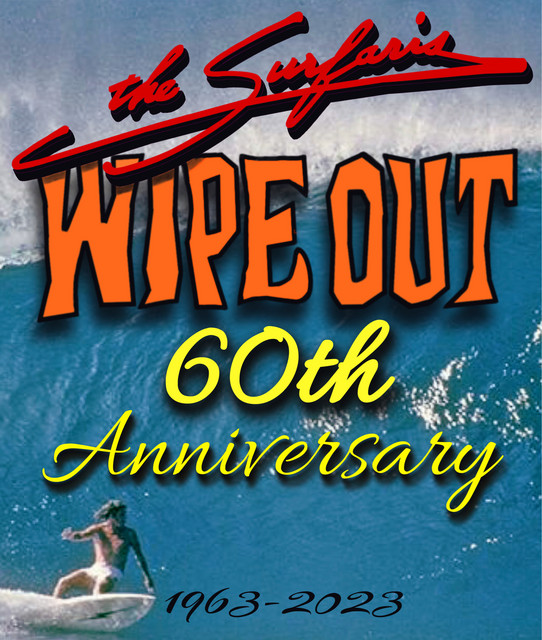
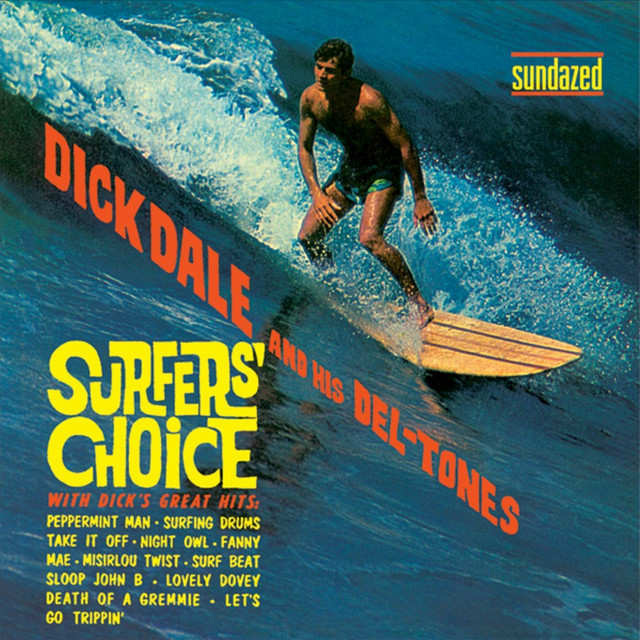
The genre’s birth is commonly linked to Dick Dale and the Del-Tones, whose 1961 single “Let’s Go Trippin’” helped codify the aggressive, reverb-drenched approach that would become a hallmark of surf guitar. Dale’s blistering tempo and blistering tremolo on tracks like “Miserlou” (1962) set a blueprint for intensity and precision. But surf rock was never a solo act. The Ventures, a Northwest-based instrumental outfit, already had a string of hits (including “Walk, Don’t Run” in 1960) that informed the template of lean, hook-driven instrumental rock that surf bands would later tailor to a beachbound mood. In California, acts such as The Belairs, The Chantays (“Pipeline,” 1963), and The Surfaris (“Wipe Out,” 1963) translated the surf milieu into vivid musical narratives—riding the wave, catching a barrel, or simply cruising the coast.
Ambassadors of the scene extend beyond the instrumental vanguard. The Beach Boys popularized surf culture through vocal harmonies and cinematic California imagery, elevating the broader surf sound into a mainstream pop phenomenon. While their approach was more pop-oriented, their success helped crystallize the cultural footprint of surfing in popular music. The genre’s enduring appeal rests on a balance between exuberant energy and meticulous craft: fast, memorable riffs shadowed by lush reverb, a rhythm section that can snap nimbly yet groove, and a sense of motion that mirrors riding a wave.
Musically, surf rock thrives on a few defining traits: tremolo or rapid-picking guitar lines, a driving backbeat, and a generous use of spring reverb to create a “wet” sonic texture. Production often features punchy, relatively sparse arrangements that let the guitar sing—and sometimes shout—over the drums. The aesthetic combines sunny melodies with a dash of danger, a tension that matches surfing’s high-risk, high-reward persona.
Global reach and ongoing influence: surf rock remains most closely associated with the United States, especially California, where it all began and where classic labels and studio engineers perfected the sound. It has developed enduring followers abroad, notably in Japan—where contemporary bands and revival acts (as well as masked-ensemble outfits like Los Straitjackets-inspired projects) keep the tradition alive—and in parts of Europe and Latin America, where revivals, compilations, and live tours celebrate the genre’s kinetic mood. In recent decades, a contemporary revival—often labeled modern instrumental surf—has produced acts like Los Straitjackets and a host of boutique groups that update the vocabulary with modern production while preserving the genre’s sunlit core.
For enthusiasts, surf rock offers an ideal blend: nostalgia for a pristine, sun-soaked era and a sonic toolkit that remains shockingly forward-facing—reverb-drenched riffs that still feel like a perfect wave breaking on a warm, endless coast.
The genre’s birth is commonly linked to Dick Dale and the Del-Tones, whose 1961 single “Let’s Go Trippin’” helped codify the aggressive, reverb-drenched approach that would become a hallmark of surf guitar. Dale’s blistering tempo and blistering tremolo on tracks like “Miserlou” (1962) set a blueprint for intensity and precision. But surf rock was never a solo act. The Ventures, a Northwest-based instrumental outfit, already had a string of hits (including “Walk, Don’t Run” in 1960) that informed the template of lean, hook-driven instrumental rock that surf bands would later tailor to a beachbound mood. In California, acts such as The Belairs, The Chantays (“Pipeline,” 1963), and The Surfaris (“Wipe Out,” 1963) translated the surf milieu into vivid musical narratives—riding the wave, catching a barrel, or simply cruising the coast.
Ambassadors of the scene extend beyond the instrumental vanguard. The Beach Boys popularized surf culture through vocal harmonies and cinematic California imagery, elevating the broader surf sound into a mainstream pop phenomenon. While their approach was more pop-oriented, their success helped crystallize the cultural footprint of surfing in popular music. The genre’s enduring appeal rests on a balance between exuberant energy and meticulous craft: fast, memorable riffs shadowed by lush reverb, a rhythm section that can snap nimbly yet groove, and a sense of motion that mirrors riding a wave.
Musically, surf rock thrives on a few defining traits: tremolo or rapid-picking guitar lines, a driving backbeat, and a generous use of spring reverb to create a “wet” sonic texture. Production often features punchy, relatively sparse arrangements that let the guitar sing—and sometimes shout—over the drums. The aesthetic combines sunny melodies with a dash of danger, a tension that matches surfing’s high-risk, high-reward persona.
Global reach and ongoing influence: surf rock remains most closely associated with the United States, especially California, where it all began and where classic labels and studio engineers perfected the sound. It has developed enduring followers abroad, notably in Japan—where contemporary bands and revival acts (as well as masked-ensemble outfits like Los Straitjackets-inspired projects) keep the tradition alive—and in parts of Europe and Latin America, where revivals, compilations, and live tours celebrate the genre’s kinetic mood. In recent decades, a contemporary revival—often labeled modern instrumental surf—has produced acts like Los Straitjackets and a host of boutique groups that update the vocabulary with modern production while preserving the genre’s sunlit core.
For enthusiasts, surf rock offers an ideal blend: nostalgia for a pristine, sun-soaked era and a sonic toolkit that remains shockingly forward-facing—reverb-drenched riffs that still feel like a perfect wave breaking on a warm, endless coast.