Data may be outdated
Last updated: 9 months ago — Click refresh to get the latest statistics.
One of the genuinely strange characters of pre-rock American popular music, Eden Ahbez's main claim to fame was as the composer of "Nature Boy." The melodically and lyrically beguiling song was a huge pop hit for <a href="spotify:artist:7v4imS0moSyGdXyLgVTIV7">Nat King Cole</a>; it would be covered by many other reputable performers including <a href="spotify:artist:1Mxqyy3pSjf8kZZL4QVxS0">Frank Sinatra</a>, <a href="spotify:artist:2hGh5VOeeqimQFxqXvfCUf">John Coltrane</a>, <a href="spotify:artist:1bgyxtWjZwA5PQlDsvs9b8">Sarah Vaughan</a>, and <a href="spotify:artist:2ukLYCAJW8XDlyobhmWQ8x">the Great Society</a> (<a href="spotify:artist:3wNX7r7t4Vaahrx9XzyYIY">Grace Slick</a>'s pre-<a href="spotify:artist:2qFr8w5sWUITRlzZ9kZotF">Jefferson Airplane</a> band). But Ahbez's modern stature rests on a 1960 album that mixed exotica and beatnik poetry.
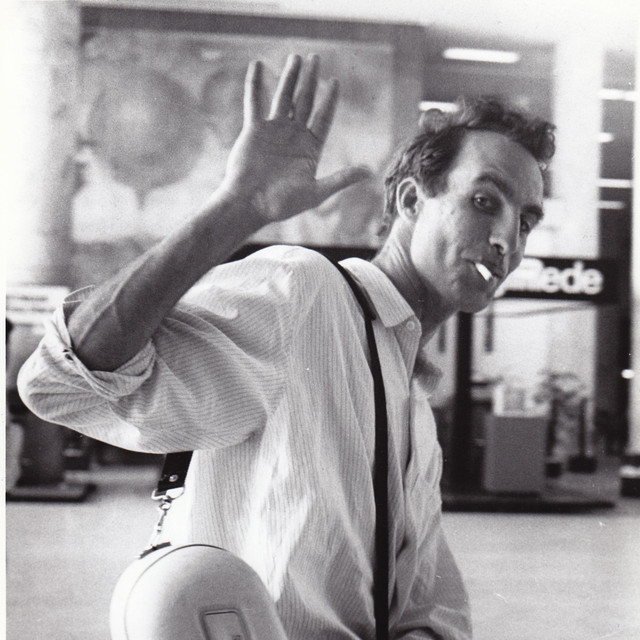
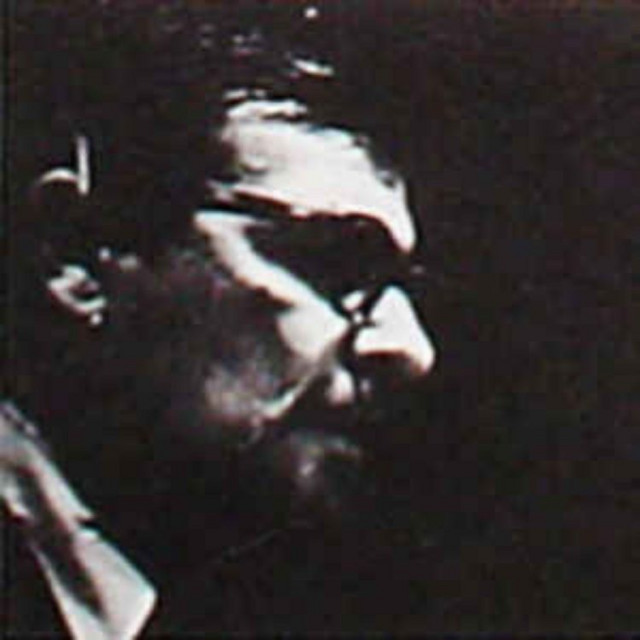
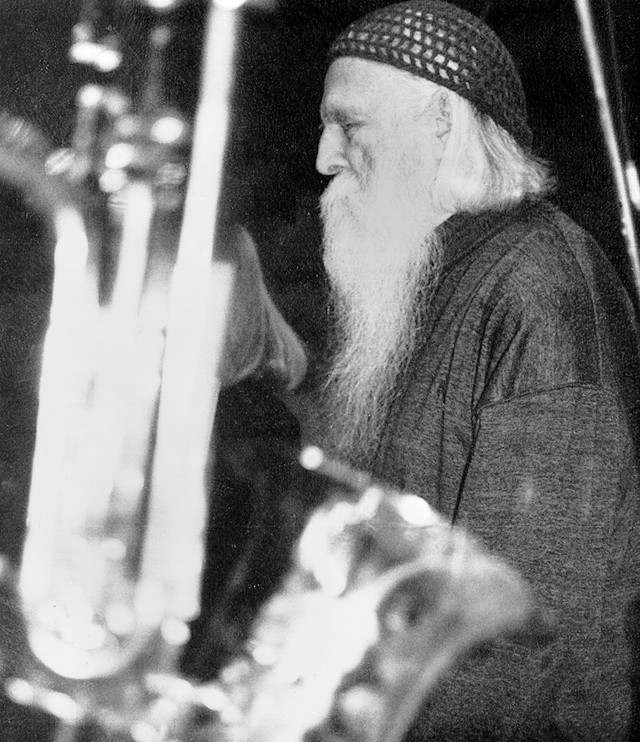
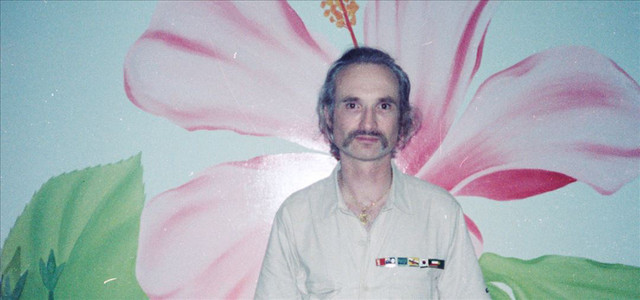
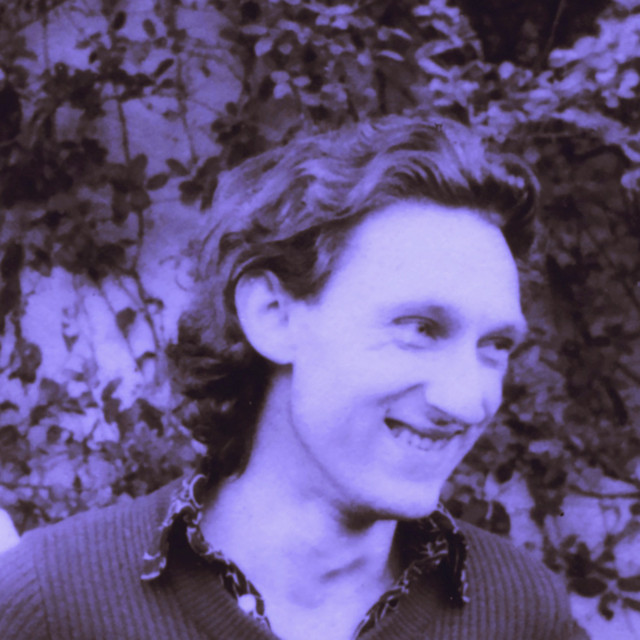
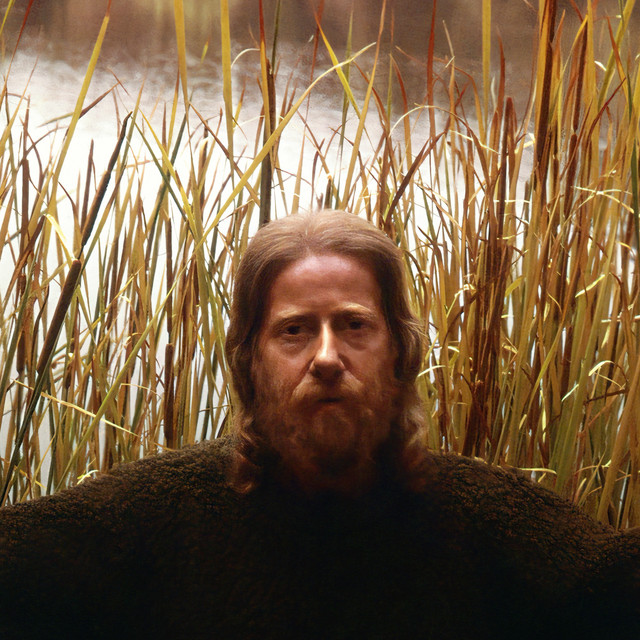
Ahbez boasted a résumé as colorful and mysterious as his music. Born Alexander Aberle in Brooklyn in the early 20th century, he changed his name in the 1940s shortly after moving to California. A hippie a good 20 years before his time, he cultivated a Christ-like appearance with his shoulder-length hair and beard. He claimed to live on three dollars a week, sleeping outdoors with his family and eating vegetables, fruits, and nuts.
Ahbez's big success was getting <a href="spotify:artist:7v4imS0moSyGdXyLgVTIV7">Nat King Cole</a> to record "Nature Boy," after diligently pestering some of <a href="spotify:artist:7v4imS0moSyGdXyLgVTIV7">Cole</a>'s associates at the Million Dollar Theater in Los Angeles, where <a href="spotify:artist:7v4imS0moSyGdXyLgVTIV7">Cole</a> was performing. Some of the luster was taken off that triumph when a publishing company claimed that Ahbez had taken some of the lyrics for "Nature Boy" from one of their copyrights, the Yiddish song "Schweig Mein Hertz" (the parties reached an out-of-court settlement).
Ahbez did manage to place another tune with <a href="spotify:artist:7v4imS0moSyGdXyLgVTIV7">Cole</a>, "Land of Love (Come My Love and Live with Me)." In the mid-'50s, he did some recording with jazz musician <a href="spotify:artist:1OH5IJZ1IM8QvrZC1ZXSUm">Herb Jeffries</a>; he also did some occasional composing and singing, sometimes for rock & roll novelty records. His most comprehensive statement as a recording artist, however, was the 1960 LP Eden's Island, which wedded <a href="spotify:artist:3D9J9nPNW1cBktx5apJq4V">Martin Denny</a>-style exotica to Ahbez's near-stereotypical beatnik poetry. <a href="spotify:artist:7v4imS0moSyGdXyLgVTIV7">Nat King Cole</a>, for one, claimed that Ahbez's hippie-mystical image was no act. His desert-island paradise trip was ripe for revival by space age pop aficionados in the 1990s and reissued on CD in 1995.
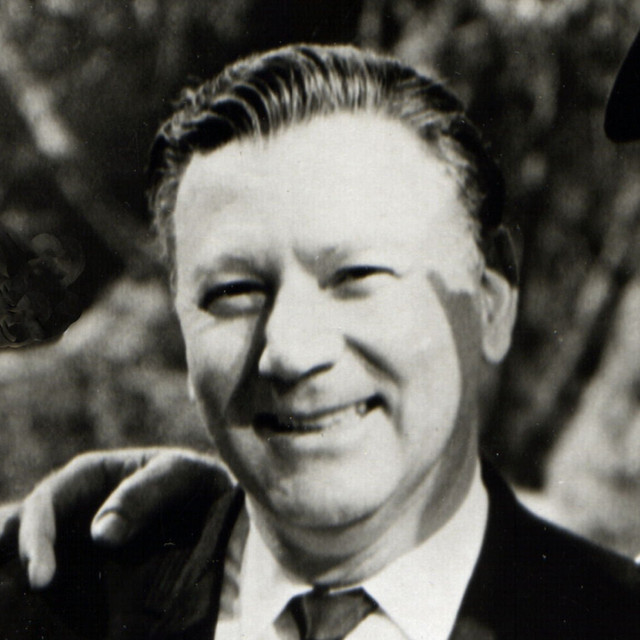
Ahbez was photographed with <a href="spotify:artist:4Q82S0VzF8qlCb4PnSDurj">Brian Wilson</a> in the studio in 1966, lending further credence to the theory that the head <a href="spotify:artist:3oDbviiivRWhXwIE8hxkVV">Beach Boy</a> was influenced by exotica during the Pet Sounds and SMiLE sessions. Ahbez died in 1995 after an auto accident. ~ Richie Unterberger, Rovi
Ahbez boasted a résumé as colorful and mysterious as his music. Born Alexander Aberle in Brooklyn in the early 20th century, he changed his name in the 1940s shortly after moving to California. A hippie a good 20 years before his time, he cultivated a Christ-like appearance with his shoulder-length hair and beard. He claimed to live on three dollars a week, sleeping outdoors with his family and eating vegetables, fruits, and nuts.
Ahbez's big success was getting <a href="spotify:artist:7v4imS0moSyGdXyLgVTIV7">Nat King Cole</a> to record "Nature Boy," after diligently pestering some of <a href="spotify:artist:7v4imS0moSyGdXyLgVTIV7">Cole</a>'s associates at the Million Dollar Theater in Los Angeles, where <a href="spotify:artist:7v4imS0moSyGdXyLgVTIV7">Cole</a> was performing. Some of the luster was taken off that triumph when a publishing company claimed that Ahbez had taken some of the lyrics for "Nature Boy" from one of their copyrights, the Yiddish song "Schweig Mein Hertz" (the parties reached an out-of-court settlement).
Ahbez did manage to place another tune with <a href="spotify:artist:7v4imS0moSyGdXyLgVTIV7">Cole</a>, "Land of Love (Come My Love and Live with Me)." In the mid-'50s, he did some recording with jazz musician <a href="spotify:artist:1OH5IJZ1IM8QvrZC1ZXSUm">Herb Jeffries</a>; he also did some occasional composing and singing, sometimes for rock & roll novelty records. His most comprehensive statement as a recording artist, however, was the 1960 LP Eden's Island, which wedded <a href="spotify:artist:3D9J9nPNW1cBktx5apJq4V">Martin Denny</a>-style exotica to Ahbez's near-stereotypical beatnik poetry. <a href="spotify:artist:7v4imS0moSyGdXyLgVTIV7">Nat King Cole</a>, for one, claimed that Ahbez's hippie-mystical image was no act. His desert-island paradise trip was ripe for revival by space age pop aficionados in the 1990s and reissued on CD in 1995.
Ahbez was photographed with <a href="spotify:artist:4Q82S0VzF8qlCb4PnSDurj">Brian Wilson</a> in the studio in 1966, lending further credence to the theory that the head <a href="spotify:artist:3oDbviiivRWhXwIE8hxkVV">Beach Boy</a> was influenced by exotica during the Pet Sounds and SMiLE sessions. Ahbez died in 1995 after an auto accident. ~ Richie Unterberger, Rovi
Monthly Listeners
87,904
Monthly Listeners History
Track the evolution of monthly listeners over the last 28 days.
Followers
19,519
Followers History
Track the evolution of followers over the last 28 days.
Top Cities
2,003 listeners

1,642 listeners
1,315 listeners

1,148 listeners

1,124 listeners