Data may be outdated
Last updated: 9 months ago — Click refresh to get the latest statistics.
Saxophonist Jacques Schwarz-Bart is an ambitious performer with a vibrantly cross-pollinated sound informed by post-bop jazz, the percussive gwo ka rhythms of his native Guadeloupe, and R&B. An original member of <a href="spotify:artist:49zXTngyUTielHTbbH5YKs">Roy Hargrove</a>'s <a href="spotify:artist:49zXTngyUTielHTbbH5YKs">RH Factor</a>, Schwarz-Bart has performed with a bevy of artists, including <a href="spotify:artist:336vr2M3Va0FjyvB55lJEd">D'Angelo</a>, <a href="spotify:artist:6nPiCm3jwXHrOsMbTDoc4E">Danilo Perez</a>, <a href="spotify:artist:27mRThsZ9K1BYmz0rioxwp">Chucho Valdes</a>, and <a href="spotify:artist:0uZRjholJ0fVC2J9EvnYnj">Meshell Ndegeocello</a>, among others. His own albums, like 2007's Soné Ka La, 2014's Jazz Racine Haiti, and 2018's Hazzan, have found him moving deftly from Afro-Caribbean and neo-soul sounds to Vodou traditions and Jewish liturgical music. In 2020, he further explored his hybrid gwo ka jazz style with Soné Ka La 2: Odyssey.
Born in 1962 in Les Abymes, Guadeloupe, Schwarz-Bart grew up in a creative family, the son of two award-winning writers, Black Guadeloupean novelist Simone Schwarz-Bart and French-Jewish author André Schwarz-Bart. As a child, he learned how to play the gwo ka drum with percussion master <a href="spotify:artist:7JojN7n9dqWgloJRmcHnxm">Anzala</a> and became exposed to the French Antillean biguine style of music. It was around age six that he first became interested in jazz and eventually taught himself how to play guitar by playing along to records. Although music was his passion, he initially headed towards politics, graduating from the Paris Institute of Political Studies (Sciences Po) and working for a time in the French Senate. It was during this period that he picked up the tenor saxophone. At age 27, he left his job to study at Boston's Berklee School of Music. There, he embarked on a fruitful performance career, collaborating with global-minded luminaries like <a href="spotify:artist:49zXTngyUTielHTbbH5YKs">Roy Hargrove</a> and <a href="spotify:artist:336vr2M3Va0FjyvB55lJEd">D'Angelo</a> as well as <a href="spotify:artist:6nPiCm3jwXHrOsMbTDoc4E">Danilo Perez</a>, <a href="spotify:artist:27mRThsZ9K1BYmz0rioxwp">Chucho Valdes</a>, <a href="spotify:artist:1P6Llrp12ldpVbyC8gCHBz">Ari Hoenig</a>, and many others. In 1999, Schwarz-Bart made his solo debut with Immersion, a modal jazz album featuring pianist <a href="spotify:artist:66A077KS2hWs1ajEfyiB1c">James Hurt</a>. There were also recordings with guitarist <a href="spotify:artist:3cNFUsl7hDZR84kfT40xwu">Fernando Huergo</a>, <a href="spotify:artist:49zXTngyUTielHTbbH5YKs">Hargrove</a>'s hip-hop-influenced <a href="spotify:artist:49zXTngyUTielHTbbH5YKs">RH Factor</a>, <a href="spotify:artist:0uZRjholJ0fVC2J9EvnYnj">Meshell Ndegeocello</a>, <a href="spotify:artist:6mWEaOFdcN3s30GuFWruGO">Soulive</a>, and more.
Following his time with <a href="spotify:artist:49zXTngyUTielHTbbH5YKs">Hargrove</a>, Schwarz-Bart founded his own expansive ensemble, incorporating jazz, hip-hop, and R&B with Guadeloupean gwo ka rhythmic traditions. The group released two critically-lauded albums for <a href="spotify:search:label%3A%22Universal%22">Universal</a>, 2007's Soné Ka La and 2008's Abyss. In 2010, he returned with another cross-pollinated album, the Caribbean jazz- and neo-soul-infused Rise Above, which featured his wife, former <a href="spotify:artist:4r4tRC1EUpfUCLjwQXP5EA">Brooklyn Funk Essentials</a> singer <a href="spotify:artist:08YadB7oKIN5eIRT7y6xLN">Stephanie McKay</a>. In 2012, he released The Art of Dreaming, which featured his longtime quartet with pianist <a href="spotify:artist:13hKwJWXAVm2hYLiJbM69R">Baptiste Trotignon</a>, bassist <a href="spotify:artist:0wDzOYze3ix7yh8brXMZBq">Thomas Bramerie</a>, and drummer <a href="spotify:artist:6F152Gyy69dlNrx8QZzxwV">Hans van Oosterhout</a>.
Jazz Racine Haiti arrived in 2014 and found the saxophonist combining his contemporary jazz with Haitian traditions, including musique rasin and ritualistic Vodou music. It featured contributions by Vodou priests, singer <a href="spotify:artist:12hDROw8kkFA7MROtrCIBO">Errol Josué</a>, and percussionist Gaston Bonga, along with appearances by trumpeter <a href="spotify:artist:4JykHd21q5YnsKDekqnqD3">Etienne Charles</a>, drummer <a href="spotify:artist:6LbNXRQZMLpMJ4E1S1d1Dm">Obed Calvaire</a>, bassist Luques Curtis, and keyboardist Milan Milanovic. Another quartet date, Hazzan, followed in 2018 and featured Schwarz-Bart's reinterpretation of Jewish liturgical chants. In 2020, he returned to his gwo ka and Caribbean-influenced sound with Soné Ka La 2: Odyssey. Along with contributions by singer Malika Tirolien, it featured pianist <a href="spotify:artist:0mmRcGkPj9s4Hq0xFrMBPh">Grégory Privat</a>, bassist <a href="spotify:artist:2DhxKxj7g3gQqViN5GsCHS">Reggie Washington</a>, drummer Arnaud Dolmen, and percussionist <a href="spotify:artist:3mH3h7p3UgTpjnWIYvW0Yd">Sonny Troupé</a>. ~ Matt Collar, Rovi
Born in 1962 in Les Abymes, Guadeloupe, Schwarz-Bart grew up in a creative family, the son of two award-winning writers, Black Guadeloupean novelist Simone Schwarz-Bart and French-Jewish author André Schwarz-Bart. As a child, he learned how to play the gwo ka drum with percussion master <a href="spotify:artist:7JojN7n9dqWgloJRmcHnxm">Anzala</a> and became exposed to the French Antillean biguine style of music. It was around age six that he first became interested in jazz and eventually taught himself how to play guitar by playing along to records. Although music was his passion, he initially headed towards politics, graduating from the Paris Institute of Political Studies (Sciences Po) and working for a time in the French Senate. It was during this period that he picked up the tenor saxophone. At age 27, he left his job to study at Boston's Berklee School of Music. There, he embarked on a fruitful performance career, collaborating with global-minded luminaries like <a href="spotify:artist:49zXTngyUTielHTbbH5YKs">Roy Hargrove</a> and <a href="spotify:artist:336vr2M3Va0FjyvB55lJEd">D'Angelo</a> as well as <a href="spotify:artist:6nPiCm3jwXHrOsMbTDoc4E">Danilo Perez</a>, <a href="spotify:artist:27mRThsZ9K1BYmz0rioxwp">Chucho Valdes</a>, <a href="spotify:artist:1P6Llrp12ldpVbyC8gCHBz">Ari Hoenig</a>, and many others. In 1999, Schwarz-Bart made his solo debut with Immersion, a modal jazz album featuring pianist <a href="spotify:artist:66A077KS2hWs1ajEfyiB1c">James Hurt</a>. There were also recordings with guitarist <a href="spotify:artist:3cNFUsl7hDZR84kfT40xwu">Fernando Huergo</a>, <a href="spotify:artist:49zXTngyUTielHTbbH5YKs">Hargrove</a>'s hip-hop-influenced <a href="spotify:artist:49zXTngyUTielHTbbH5YKs">RH Factor</a>, <a href="spotify:artist:0uZRjholJ0fVC2J9EvnYnj">Meshell Ndegeocello</a>, <a href="spotify:artist:6mWEaOFdcN3s30GuFWruGO">Soulive</a>, and more.
Following his time with <a href="spotify:artist:49zXTngyUTielHTbbH5YKs">Hargrove</a>, Schwarz-Bart founded his own expansive ensemble, incorporating jazz, hip-hop, and R&B with Guadeloupean gwo ka rhythmic traditions. The group released two critically-lauded albums for <a href="spotify:search:label%3A%22Universal%22">Universal</a>, 2007's Soné Ka La and 2008's Abyss. In 2010, he returned with another cross-pollinated album, the Caribbean jazz- and neo-soul-infused Rise Above, which featured his wife, former <a href="spotify:artist:4r4tRC1EUpfUCLjwQXP5EA">Brooklyn Funk Essentials</a> singer <a href="spotify:artist:08YadB7oKIN5eIRT7y6xLN">Stephanie McKay</a>. In 2012, he released The Art of Dreaming, which featured his longtime quartet with pianist <a href="spotify:artist:13hKwJWXAVm2hYLiJbM69R">Baptiste Trotignon</a>, bassist <a href="spotify:artist:0wDzOYze3ix7yh8brXMZBq">Thomas Bramerie</a>, and drummer <a href="spotify:artist:6F152Gyy69dlNrx8QZzxwV">Hans van Oosterhout</a>.
Jazz Racine Haiti arrived in 2014 and found the saxophonist combining his contemporary jazz with Haitian traditions, including musique rasin and ritualistic Vodou music. It featured contributions by Vodou priests, singer <a href="spotify:artist:12hDROw8kkFA7MROtrCIBO">Errol Josué</a>, and percussionist Gaston Bonga, along with appearances by trumpeter <a href="spotify:artist:4JykHd21q5YnsKDekqnqD3">Etienne Charles</a>, drummer <a href="spotify:artist:6LbNXRQZMLpMJ4E1S1d1Dm">Obed Calvaire</a>, bassist Luques Curtis, and keyboardist Milan Milanovic. Another quartet date, Hazzan, followed in 2018 and featured Schwarz-Bart's reinterpretation of Jewish liturgical chants. In 2020, he returned to his gwo ka and Caribbean-influenced sound with Soné Ka La 2: Odyssey. Along with contributions by singer Malika Tirolien, it featured pianist <a href="spotify:artist:0mmRcGkPj9s4Hq0xFrMBPh">Grégory Privat</a>, bassist <a href="spotify:artist:2DhxKxj7g3gQqViN5GsCHS">Reggie Washington</a>, drummer Arnaud Dolmen, and percussionist <a href="spotify:artist:3mH3h7p3UgTpjnWIYvW0Yd">Sonny Troupé</a>. ~ Matt Collar, Rovi
Monthly Listeners
7,725
Monthly Listeners History
Track the evolution of monthly listeners over the last 28 days.
Followers
1,757
Followers History
Track the evolution of followers over the last 28 days.
Top Cities
163 listeners

82 listeners

74 listeners

73 listeners

65 listeners

Related Artists

Tobias Meinhart

Javier Burin
Benjamin Petit

Tom Moretti
Ken Stubbs
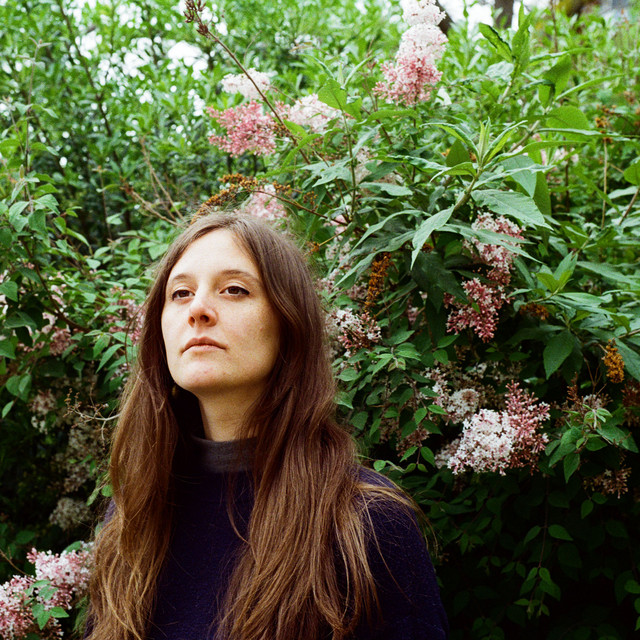
Christelle Raquillet
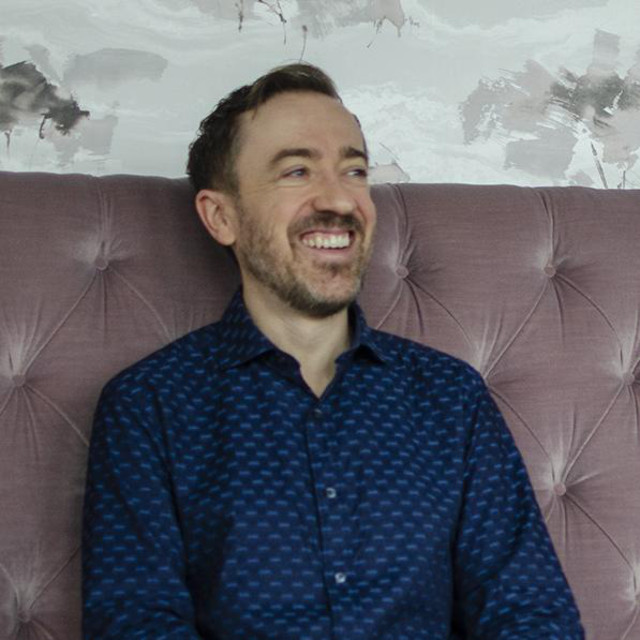


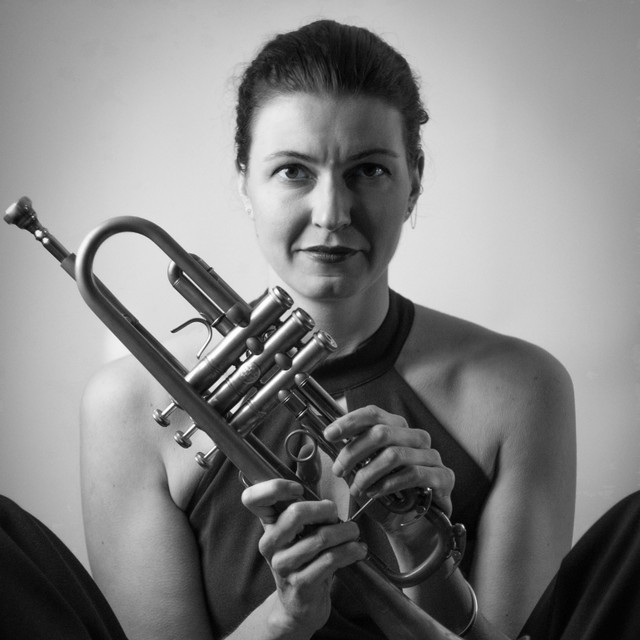
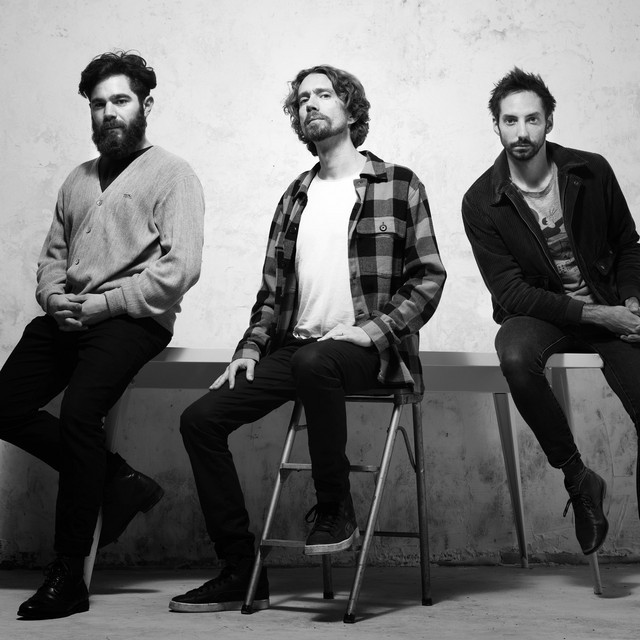
AGE
Henning Ullén

Noé Huchard
Leila Olivesi
Tim Collins

Vladimir Torres

The Sunset Hill Jazz Band

Jon Henriksson
Massimo Biolcati
Martin Nodeland


Gert-Jan Dreessen

Caelan Cardello

Yoko Yates
Demian Cabaud

Etienne Manchon

César Cardoso
Jultrane
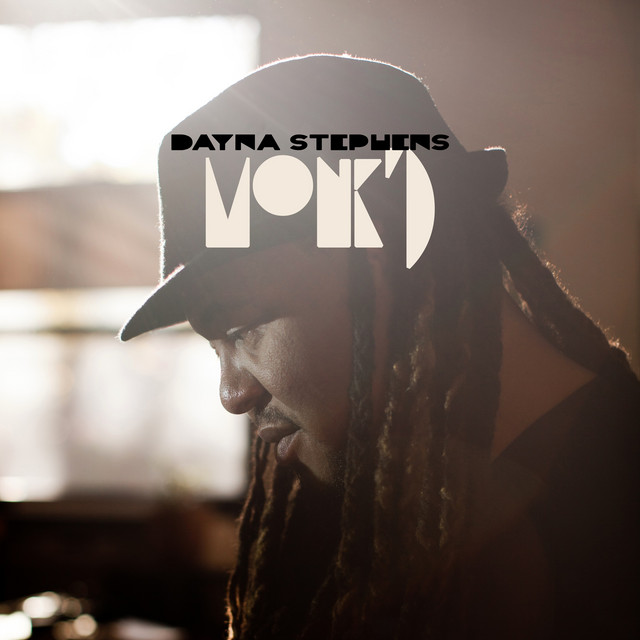
Eric McPherson
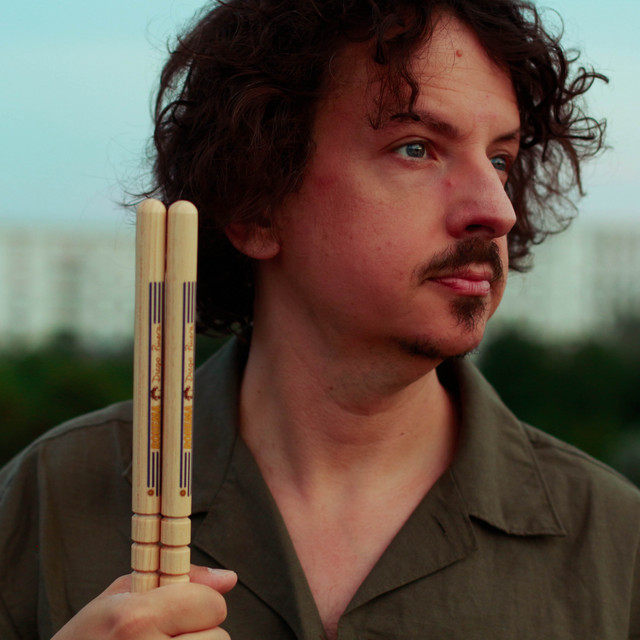
Diego Pinera
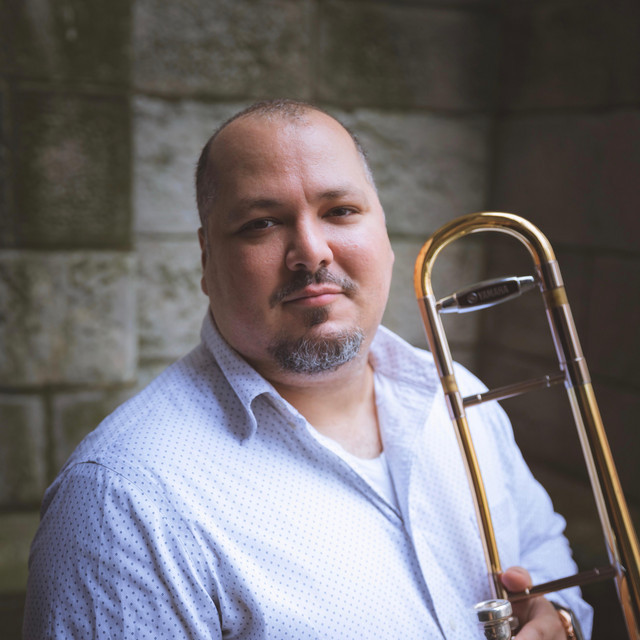
Michael Dease
Fernando Brox