Data may be outdated
Last updated: 9 months ago — Click refresh to get the latest statistics.
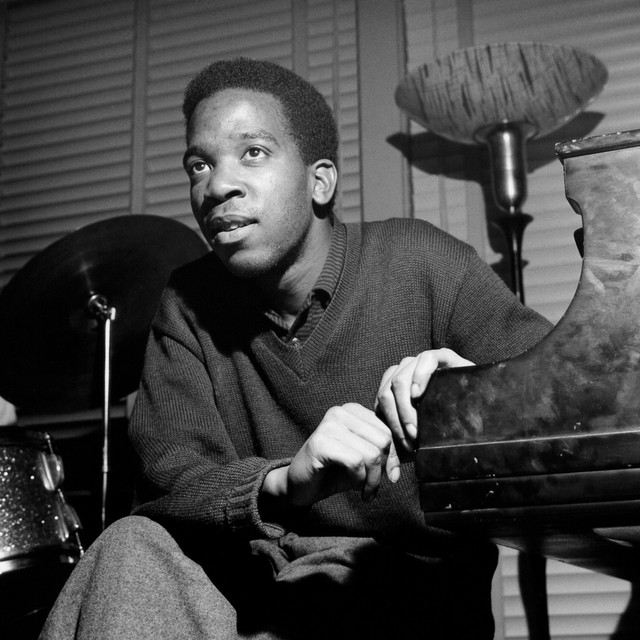
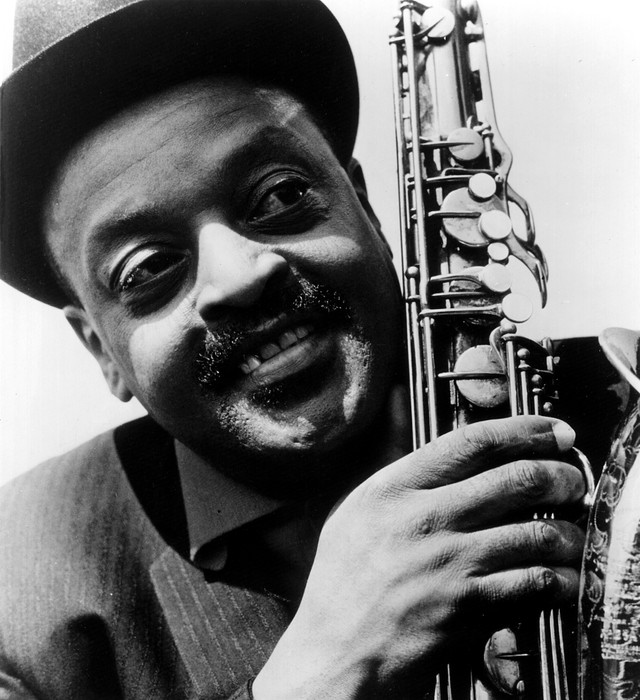
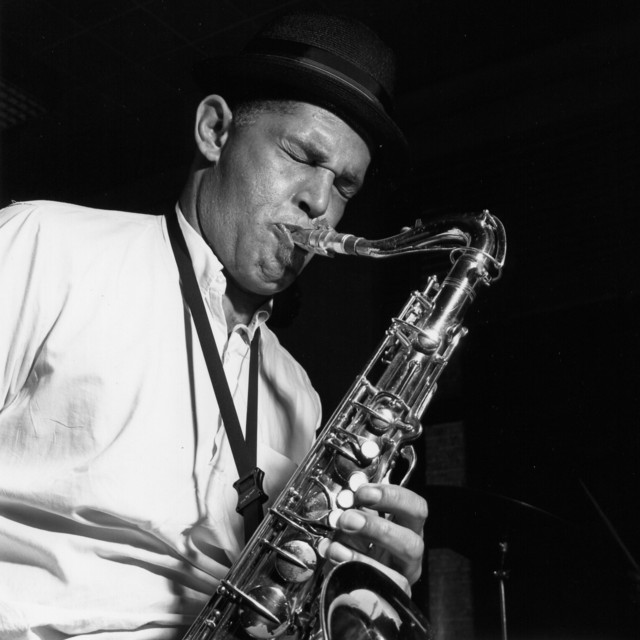
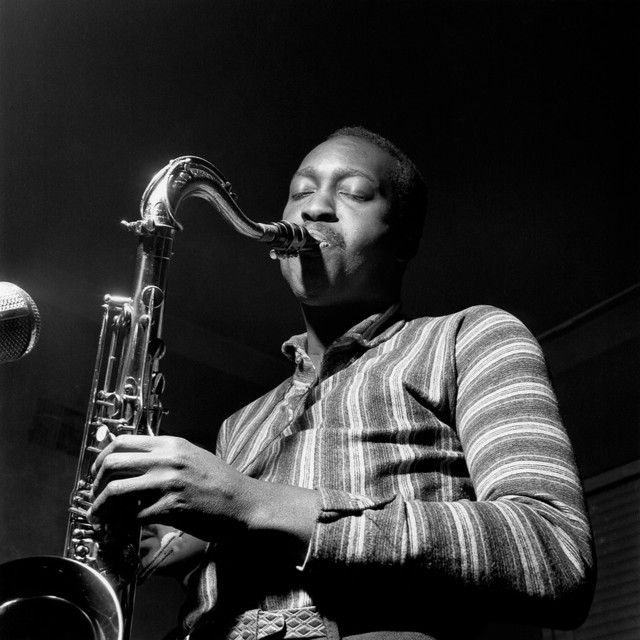
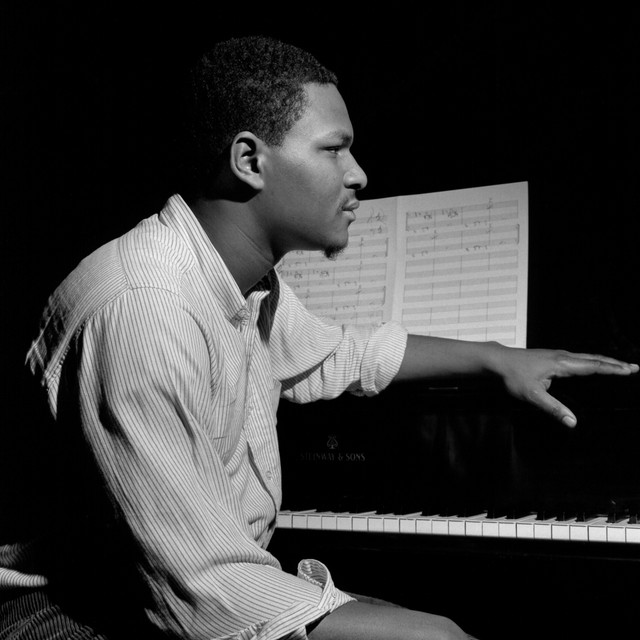
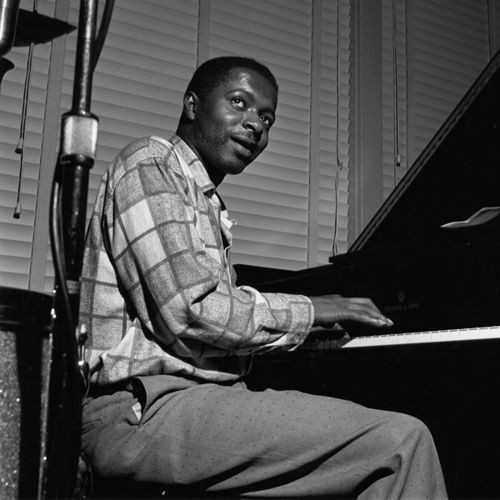
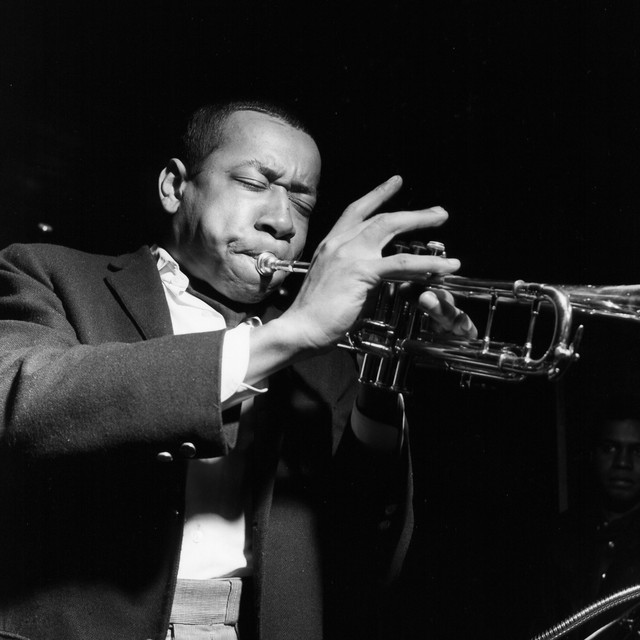
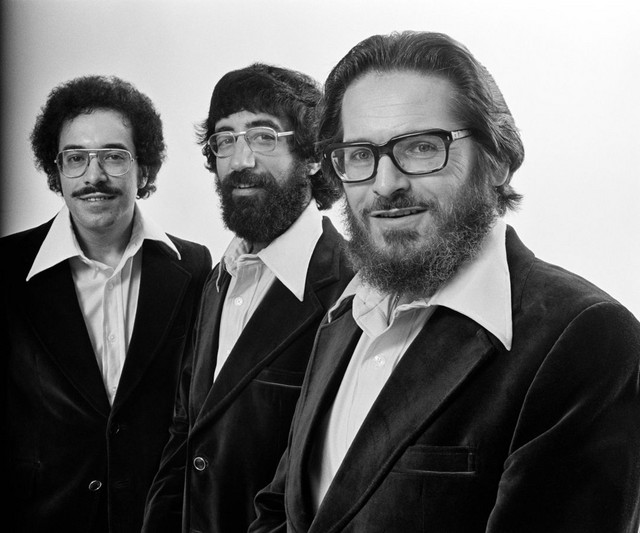
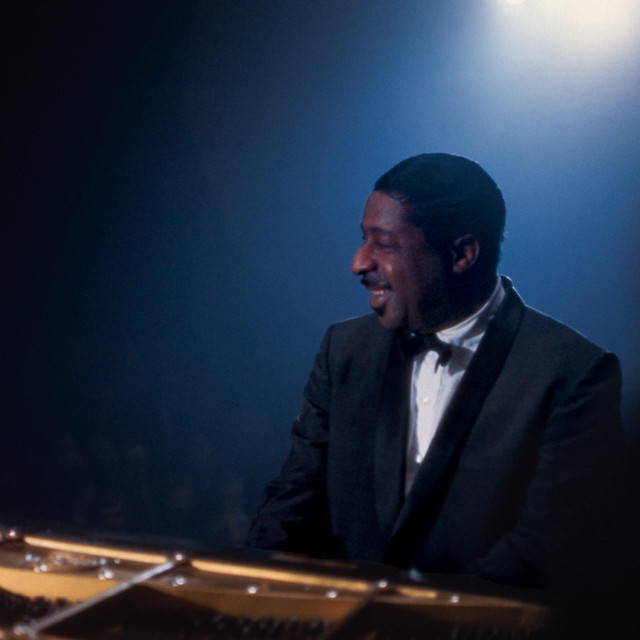
Red Garland mixed together the usual influences of his generation (<a href="spotify:artist:7v4imS0moSyGdXyLgVTIV7">Nat Cole</a>, <a href="spotify:artist:570vCzcespB48HIQyTbDO6">Bud Powell</a>, and <a href="spotify:artist:6gc6oo3u2f7SqTd4mhe81O">Ahmad Jamal</a>) into his own distinctive approach; Garland's block chords themselves became influential on the players of the 1960s. He started out playing clarinet and alto, switching to piano when he was 18. During 1946-1955, he worked steadily in New York and Philadelphia, backing such major players as <a href="spotify:artist:4Ww5mwS7BWYjoZTUIrMHfC">Charlie Parker</a>, <a href="spotify:artist:0JM134st8VY7Ld9T2wQiH0">Coleman Hawkins</a>, <a href="spotify:artist:05E3NBxNMdnrPtxF9oraJm">Lester Young</a>, and <a href="spotify:artist:4RvXA7BDgqNgGDjsSSJnPc">Roy Eldridge</a>, but still remaining fairly obscure. That changed when he became a member of the classic <a href="spotify:artist:0kbYTNQb4Pb1rPbbaF0pT4">Miles Davis Quintet</a> (1955-1958), heading a rhythm section that also included <a href="spotify:artist:0M1UOBJZ9tcKJbrbnVlHZG">Paul Chambers</a> and <a href="spotify:artist:4WhH68K75YKSAwHAqWFpi1">Philly Joe Jones</a>. After leaving <a href="spotify:artist:0kbYTNQb4Pb1rPbbaF0pT4">Miles</a>, Garland had his own popular trio and recorded very frequently for Prestige, Jazzland, and Moodsville during 1956-1962 (the majority of which are available in the Original Jazz Classics series). The pianist eventually returned to Texas and was in semi-retirement, but came back gradually in the 1970s, recording for MPS (1971) and Galaxy (1977-1979) before retiring again. ~ Scott Yanow, Rovi
Monthly Listeners
540,292
Monthly Listeners History
Track the evolution of monthly listeners over the last 28 days.
Followers
74,032
Followers History
Track the evolution of followers over the last 28 days.
Top Cities
7,460 listeners

5,506 listeners

5,174 listeners
4,062 listeners

3,869 listeners