Data may be outdated
Last updated: 7 months ago — Click refresh to get the latest statistics.
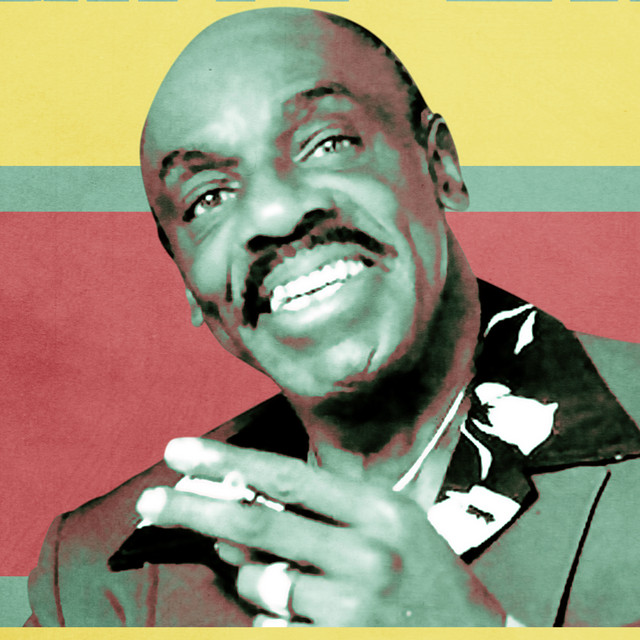
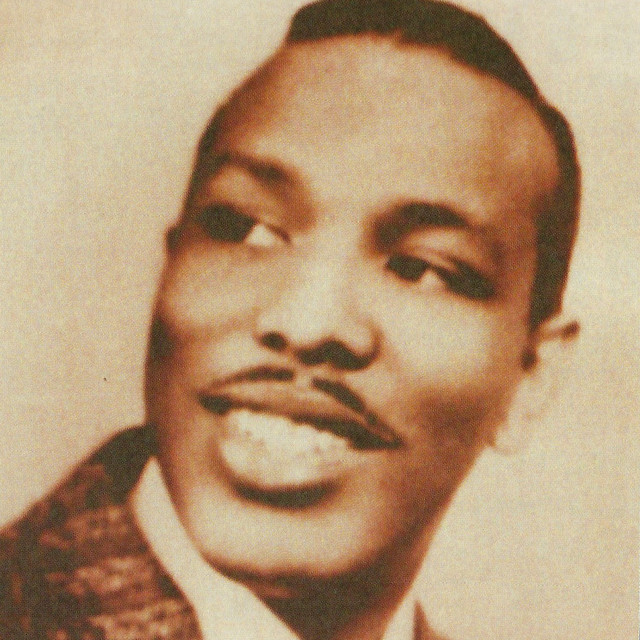
Another of the jump blues specialists whose romping output can be pinpointed as a direct precursor of rock & roll, guitarist Jimmy Liggins was a far more aggressive bandleader than his older brother <a href="spotify:artist:5csKyypxXUXTNBUGuCrsoV">Joe</a>, right down to the names of their respective combos (<a href="spotify:artist:5csKyypxXUXTNBUGuCrsoV">Joe</a> led the polished <a href="spotify:artist:48a17wukUChf44S5NQg7aH">Honeydrippers</a>; Jimmy proudly fronted <a href="spotify:artist:4xQBPJJJ7cnIch3BhKTm6S">the Drops of Joy</a>). Inspired by the success of his brother (Jimmy toiled as <a href="spotify:artist:5csKyypxXUXTNBUGuCrsoV">Joe</a>'s chauffeur for a year), the ex-pugilist jumped into the recording field in 1947 on Art Rupe's <a href="spotify:search:label%3A%22Specialty%22">Specialty</a> logo. His "Tear Drop Blues" pierced the R&B Top Ten the next year, while "Careful Love" and "Don't Put Me Down" hit for him in 1949. But it's Liggins' rough-and-ready rockers -- "Cadillac Boogie," "Saturday Night Boogie Woogie Man," and the loopy one-chord workout "Drunk" (his last smash in 1953) -- that mark Liggins as one of rock's forefathers. His roaring sax section at <a href="spotify:search:label%3A%22Specialty%22">Specialty</a> was populated by first-rate reedmen such as <a href="spotify:artist:1jcPgyzUoFrMSI5jloL3LD">Harold Land</a>, Charlie "Little Jazz" Ferguson, and the omnipresent Maxwell Davis. Liggins left <a href="spotify:search:label%3A%22Specialty%22">Specialty</a> in 1954, stopping off at <a href="spotify:search:label%3A%22Aladdin%22">Aladdin</a> long enough to wax the classic-to-be "I Ain't Drunk" (much later covered by <a href="spotify:artist:1uFixbBAduJkFAeRKznkvW">Albert Collins</a>) before fading from the scene. ~ Bill Dahl, Rovi
Monthly Listeners
2,264
Monthly Listeners History
Track the evolution of monthly listeners over the last 28 days.
Followers
2,344
Followers History
Track the evolution of followers over the last 28 days.
Top Cities
58 listeners

46 listeners
38 listeners
38 listeners

31 listeners
Related Artists




The Drivers


Hurricane Harry