Data may be outdated
Last updated: 9 months ago — Click refresh to get the latest statistics.
Lauritz Melchior was the first of the great Wagnerian heldentenors (heroic tenors) to sing on records, and he was the first operatic tenor to sing on radio. His recorded legacy is considered a benchmark for all subsequent Siegfrieds and Tristans. One can only imagine what a legacy was lost when he and his wife fled Germany in 1939; his home there was subsequently occupied and looted by both German and Russian soldiers and a collection of unpublished recordings was used for target practice. Contemporary reviews indicated that he was frequently lax in keeping rhythms, and many of his debuts were not completely successful, but he had a long operatic career.
Melchior started singing at an early age, when a boarder in his father's house who was a voice teacher gave Melchior and the other children in the family singing lessons. He often accompanied his sister (who was blind) to the opera, and from her reactions he learned how dramatically powerful a voice can be, even without stagecraft. Like many Wagnerian and heroic tenors, he started his career as a baritone (and very briefly as a bass), first studying privately with Paul Bang, and after he turned 21, studying at the Copenhagen Royal Opera School. His unofficial debut was in 1912 as Germont in La Traviata with a tiny touring company, the Zwicki and Stagel Opera Company, and he made his official debut in 1913 as Silvio in I Pagliacci at the Royal Opera. He remained there for several seasons, first in comprimario roles, and later in major roles, beginning what looked like a solid career as a <a href="spotify:artist:1JOQXgYdQV2yfrhewqx96o">Verdi</a> baritone when singing di Luna in Il Trovatore and the elder Germont in La Traviata.
A colleague heard him take an unwritten high C in Il Trovatore one evening and told the directors of the Royal Opera she heard the foundation of a heldentenor in Melchior's voice. The management agreed and made arrangements for him to restudy his voice with the tenor Wilhelm Herold. He made his debut as a tenor in 1918 as Tannhauser, again at the Copenhagen Royal Opera. However, he was still uncertain of his technique and voice. In 1919, a wealthy patron encouraged the conductor Henry Woods to audition him, and he had his London debut at the Proms in 1920. He came to the attention of another patron, Hugh Walpole, the noted author, who provided Melchior with a generous allowance to further his studies as well as support his family. His Covent Garden debut was in 1924 as Siegmund. He auditioned for <a href="spotify:artist:6HjftNkzQx9VtHUo7xpYN1">Siegfried Wagner</a> (the son of the composer) and made his Bayreuth debut in 1924 as Parsifal. He continued to take leading roles there, including the legendary 1930 Tristan und Isolde under <a href="spotify:artist:4xpgBZSojKNEQqQHXrwSXA">Toscanini</a>, who dubbed him "Tristanissimo," until shortly before World War II. His Metropolitan debut was in 1926 as Tannhauser and he sang there regularly until 1950, when one of Rudolf Bing's first actions as general manager was to decline to renew his contract. This was partly for extra-musical reasons, including a predilection for practical jokes and appearing on "low brow" venues such as radio comedy and variety shows with <a href="spotify:artist:3Krr0d6KTcQfy6Xdh2yXFN">Fred Allen</a> and <a href="spotify:artist:6ZjFtWeHP9XN7FeKSUe80S">Bing Crosby</a>, and partly for a growing disinclination to attend lengthy rehearsals.
After this dismissal, Melchior retired from the stage, though he continued to appear in films and operettas, sang on the radio (including a broadcast of the first act of Die Walküre from Copenhagen on his 70th birthday), and as part of his own touring music company.
Melchior started singing at an early age, when a boarder in his father's house who was a voice teacher gave Melchior and the other children in the family singing lessons. He often accompanied his sister (who was blind) to the opera, and from her reactions he learned how dramatically powerful a voice can be, even without stagecraft. Like many Wagnerian and heroic tenors, he started his career as a baritone (and very briefly as a bass), first studying privately with Paul Bang, and after he turned 21, studying at the Copenhagen Royal Opera School. His unofficial debut was in 1912 as Germont in La Traviata with a tiny touring company, the Zwicki and Stagel Opera Company, and he made his official debut in 1913 as Silvio in I Pagliacci at the Royal Opera. He remained there for several seasons, first in comprimario roles, and later in major roles, beginning what looked like a solid career as a <a href="spotify:artist:1JOQXgYdQV2yfrhewqx96o">Verdi</a> baritone when singing di Luna in Il Trovatore and the elder Germont in La Traviata.
A colleague heard him take an unwritten high C in Il Trovatore one evening and told the directors of the Royal Opera she heard the foundation of a heldentenor in Melchior's voice. The management agreed and made arrangements for him to restudy his voice with the tenor Wilhelm Herold. He made his debut as a tenor in 1918 as Tannhauser, again at the Copenhagen Royal Opera. However, he was still uncertain of his technique and voice. In 1919, a wealthy patron encouraged the conductor Henry Woods to audition him, and he had his London debut at the Proms in 1920. He came to the attention of another patron, Hugh Walpole, the noted author, who provided Melchior with a generous allowance to further his studies as well as support his family. His Covent Garden debut was in 1924 as Siegmund. He auditioned for <a href="spotify:artist:6HjftNkzQx9VtHUo7xpYN1">Siegfried Wagner</a> (the son of the composer) and made his Bayreuth debut in 1924 as Parsifal. He continued to take leading roles there, including the legendary 1930 Tristan und Isolde under <a href="spotify:artist:4xpgBZSojKNEQqQHXrwSXA">Toscanini</a>, who dubbed him "Tristanissimo," until shortly before World War II. His Metropolitan debut was in 1926 as Tannhauser and he sang there regularly until 1950, when one of Rudolf Bing's first actions as general manager was to decline to renew his contract. This was partly for extra-musical reasons, including a predilection for practical jokes and appearing on "low brow" venues such as radio comedy and variety shows with <a href="spotify:artist:3Krr0d6KTcQfy6Xdh2yXFN">Fred Allen</a> and <a href="spotify:artist:6ZjFtWeHP9XN7FeKSUe80S">Bing Crosby</a>, and partly for a growing disinclination to attend lengthy rehearsals.
After this dismissal, Melchior retired from the stage, though he continued to appear in films and operettas, sang on the radio (including a broadcast of the first act of Die Walküre from Copenhagen on his 70th birthday), and as part of his own touring music company.
Monthly Listeners
1,227
Monthly Listeners History
Track the evolution of monthly listeners over the last 28 days.
Followers
2,108
Followers History
Track the evolution of followers over the last 28 days.
Top Cities
28 listeners

27 listeners

18 listeners

14 listeners

14 listeners

Related Artists

Elisabeth Rethberg
Charles Kullman

Alexander Kipnis
Charles Cambon
Paul Cabanel
Henri Medus
Lotte Lehmann
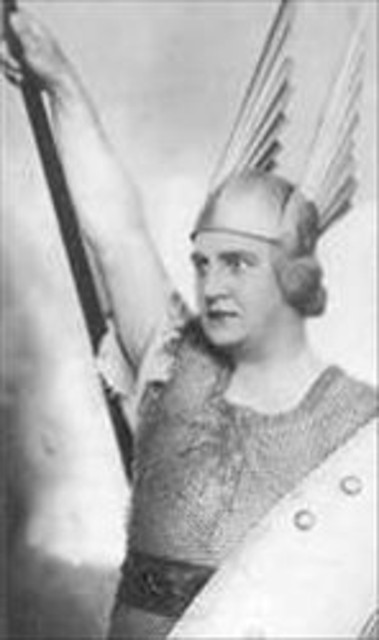
Max Lorenz
Orchestra Della Rai di Torino

Hermann Weigert
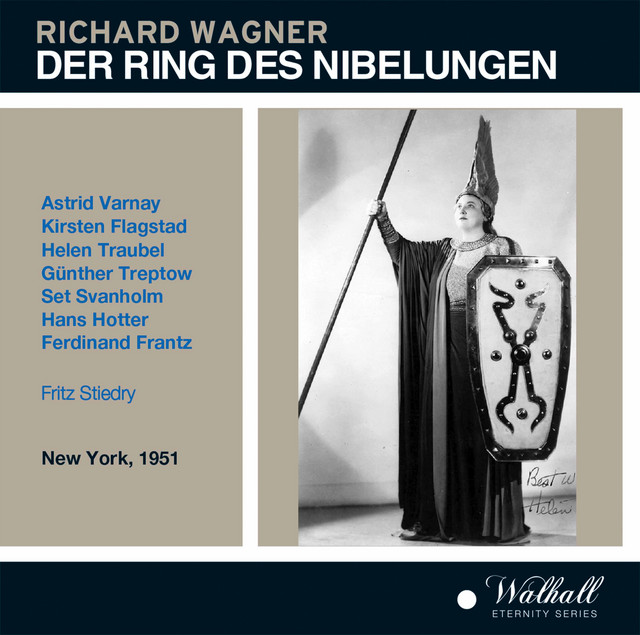
Herbert Janssen

Rose Bampton
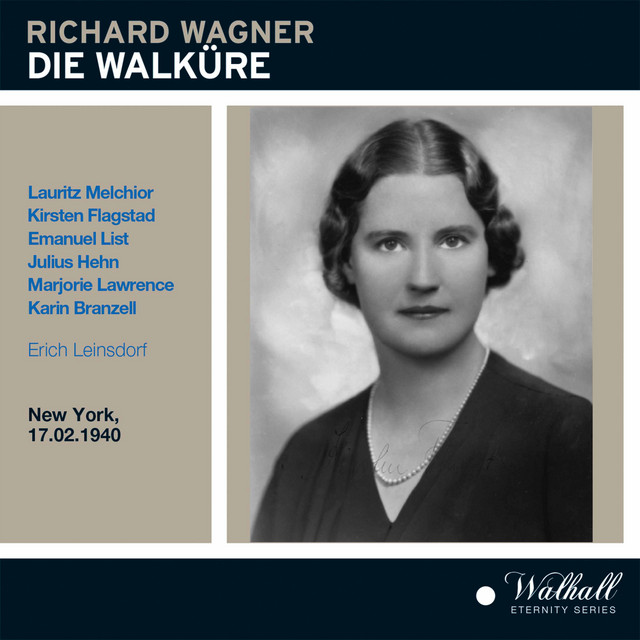
Karin Branzell

Ljuba Welitsch
Kurt Preger
Elie Cohen
Samuel Samosud

Gino Sinimberghi
Denise Scharley
Vincenzo Bellezza
Emanuel List
Eugen Fuchs

Mattia Battistini
Carlo Sabajno
Kurt Schröder
Metropolitan Opera Orchester
Ramon Vinay
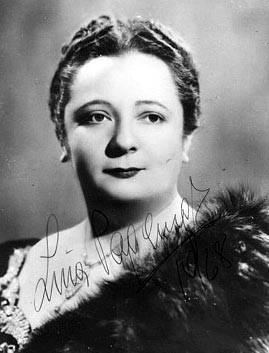
Lina Pagliughi
Milan Malý

Lorenzo Molajoli

Leonard Warren
José Luccioni
Viorica Ursuleac
Fritz Stiedry
Maria von Ilosvay