Data may be outdated
Last updated: 9 months ago — Click refresh to get the latest statistics.
Cellist Leonard Joseph Rose was a member of a Russian family who had immigrated to the U.S. from Kiev. His father was an amateur cellist who gave him his first lessons on the instrument. Rose's formal studies began after the family had moved to Florida, at the Miami Conservatory with Walter Grossmann. After that, he moved to New York to study with Frank Miller, principal cellist of the <a href="spotify:artist:7JiZysLPLBijVnS9uWX312">NBC Symphony Orchestra</a>, who was his cousin. At the age of 16, he won a scholarship to attend the Curtis Institute of Music in Philadelphia where his teacher was <a href="spotify:artist:4lcdJZhxQvnASqXVg6ZgJz">Felix Salmond</a>. After two years of study, Rose became <a href="spotify:artist:4lcdJZhxQvnASqXVg6ZgJz">Salmond</a>'s assistant.
Rose is among those cellists whose career included a period of membership in an orchestra. Later, he would tell his students that this was the best way to gain experience. In Rose's case, he followed the path of his cousin by becoming a member of <a href="spotify:artist:4xpgBZSojKNEQqQHXrwSXA">Toscanini</a>'s <a href="spotify:artist:7JiZysLPLBijVnS9uWX312">NBC Symphony Orchestra</a> and by the age of 20 was principal cellist. After one season, he took a position with the <a href="spotify:artist:0jJszR81GjA87jeRq0Jgwz">Cleveland Orchestra</a>, then conducted by <a href="spotify:artist:0ej6PhcTJqDmAosTaZyvyA">Artur Rodzinski</a>. In 1943, <a href="spotify:artist:0ej6PhcTJqDmAosTaZyvyA">Rodzinski</a> moved to New York, where he became the principal conductor of the <a href="spotify:artist:3gacryguGmpmCvgPGt2CBI">New York Philharmonic</a>. He brought Rose with him. Rose remained the leader of the orchestra's cellists through 1951. While with the <a href="spotify:artist:3gacryguGmpmCvgPGt2CBI">Philharmonic</a>, he made his debut playing the <a href="spotify:artist:4kWXpaUAQNnuCcaPiwFYW1">Lalo</a> Cello Concerto in 1944. He also accepted a position teaching at the Juilliard School in 1947. Except for the years 1951 to 1962 when he taught at the Curtis Institute in Philadelphia, he was on the Juilliard faculty for the rest of his life.
Playing on a luscious-sounding Amati cello from 1662, Rose had a rich, flowing tone. His playing had a free, effortless sound, a free approach to rubato, and a resulting feeling of spontaneity. These were actually achieved by strenuous practice (four to five hours a day even on tour) and meticulous planning of all aspects of the performance. "I do not believe in receiving last-minute inspiration in public performance," he once said.
He developed a solid touring career, but he remained strongly devoted to teaching and developed into one of the most respected and successful cello teachers in America. Among his pupils were <a href="spotify:artist:5Dl3HXZjG6ZOWT5cV375lk">Yo-Yo Ma</a>, <a href="spotify:artist:3x54bOKrweiGvotzFWdF91">Stephen Kates</a>, and <a href="spotify:artist:1pl7nw0L88oUuQP5WQoePL">Lynn Harrell</a>. <a href="spotify:artist:3x54bOKrweiGvotzFWdF91">Kates</a> recalls that a student "generally speaking came out of a lesson feeling like a million dollars...he gave you confidence."
In his teaching, he favored positions and techniques that were natural. He disagreed with the school of thought that the cello bow could be held the way violinists held theirs, with the little finger on top of the bow. On the other hand, his approach to vibrato is directly taken from the technique of a violinist, <a href="spotify:artist:0HdNDZaNm7xLt18v9aWDfe">Fritz Kreisler</a>, in that the motion of the vibrato comes from the upper arm with the hand pivoting on the finger that is down on the string. He found the upper arm can move the most freely and allows vibrato of any width and speed.
Rose recorded for <a href="spotify:search:label%3A%22Columbia+Records%22">Columbia Records</a> and among his great recordings are those of the <a href="spotify:artist:2UqjDAXnDxejEyE0CzfUrZ">Schumann</a> concerto with <a href="spotify:artist:2LmyJyCF5V1eQyvHgJNbTn">Bernstein</a> accompanying and <a href="spotify:artist:4s7qI7HT1XDzotj6IYNEuJ">Bloch</a>'s Schelomo with <a href="spotify:artist:3naY4Tq98GRh9K8xOsINyv">Eugene Ormandy</a>. He also formed a chamber trio, the Istomin-Stern-Rose-Trio, which made many fine recordings.
Rose is among those cellists whose career included a period of membership in an orchestra. Later, he would tell his students that this was the best way to gain experience. In Rose's case, he followed the path of his cousin by becoming a member of <a href="spotify:artist:4xpgBZSojKNEQqQHXrwSXA">Toscanini</a>'s <a href="spotify:artist:7JiZysLPLBijVnS9uWX312">NBC Symphony Orchestra</a> and by the age of 20 was principal cellist. After one season, he took a position with the <a href="spotify:artist:0jJszR81GjA87jeRq0Jgwz">Cleveland Orchestra</a>, then conducted by <a href="spotify:artist:0ej6PhcTJqDmAosTaZyvyA">Artur Rodzinski</a>. In 1943, <a href="spotify:artist:0ej6PhcTJqDmAosTaZyvyA">Rodzinski</a> moved to New York, where he became the principal conductor of the <a href="spotify:artist:3gacryguGmpmCvgPGt2CBI">New York Philharmonic</a>. He brought Rose with him. Rose remained the leader of the orchestra's cellists through 1951. While with the <a href="spotify:artist:3gacryguGmpmCvgPGt2CBI">Philharmonic</a>, he made his debut playing the <a href="spotify:artist:4kWXpaUAQNnuCcaPiwFYW1">Lalo</a> Cello Concerto in 1944. He also accepted a position teaching at the Juilliard School in 1947. Except for the years 1951 to 1962 when he taught at the Curtis Institute in Philadelphia, he was on the Juilliard faculty for the rest of his life.
Playing on a luscious-sounding Amati cello from 1662, Rose had a rich, flowing tone. His playing had a free, effortless sound, a free approach to rubato, and a resulting feeling of spontaneity. These were actually achieved by strenuous practice (four to five hours a day even on tour) and meticulous planning of all aspects of the performance. "I do not believe in receiving last-minute inspiration in public performance," he once said.
He developed a solid touring career, but he remained strongly devoted to teaching and developed into one of the most respected and successful cello teachers in America. Among his pupils were <a href="spotify:artist:5Dl3HXZjG6ZOWT5cV375lk">Yo-Yo Ma</a>, <a href="spotify:artist:3x54bOKrweiGvotzFWdF91">Stephen Kates</a>, and <a href="spotify:artist:1pl7nw0L88oUuQP5WQoePL">Lynn Harrell</a>. <a href="spotify:artist:3x54bOKrweiGvotzFWdF91">Kates</a> recalls that a student "generally speaking came out of a lesson feeling like a million dollars...he gave you confidence."
In his teaching, he favored positions and techniques that were natural. He disagreed with the school of thought that the cello bow could be held the way violinists held theirs, with the little finger on top of the bow. On the other hand, his approach to vibrato is directly taken from the technique of a violinist, <a href="spotify:artist:0HdNDZaNm7xLt18v9aWDfe">Fritz Kreisler</a>, in that the motion of the vibrato comes from the upper arm with the hand pivoting on the finger that is down on the string. He found the upper arm can move the most freely and allows vibrato of any width and speed.
Rose recorded for <a href="spotify:search:label%3A%22Columbia+Records%22">Columbia Records</a> and among his great recordings are those of the <a href="spotify:artist:2UqjDAXnDxejEyE0CzfUrZ">Schumann</a> concerto with <a href="spotify:artist:2LmyJyCF5V1eQyvHgJNbTn">Bernstein</a> accompanying and <a href="spotify:artist:4s7qI7HT1XDzotj6IYNEuJ">Bloch</a>'s Schelomo with <a href="spotify:artist:3naY4Tq98GRh9K8xOsINyv">Eugene Ormandy</a>. He also formed a chamber trio, the Istomin-Stern-Rose-Trio, which made many fine recordings.
Monthly Listeners
4,471
Monthly Listeners History
Track the evolution of monthly listeners over the last 28 days.
Followers
926
Followers History
Track the evolution of followers over the last 28 days.
Top Cities
89 listeners

72 listeners

67 listeners
64 listeners

56 listeners

Related Artists
Leonid Kogan
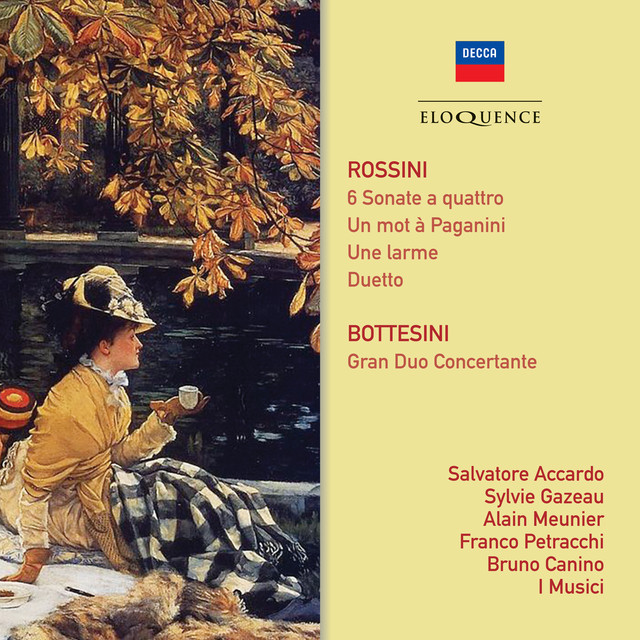
Alain Meunier

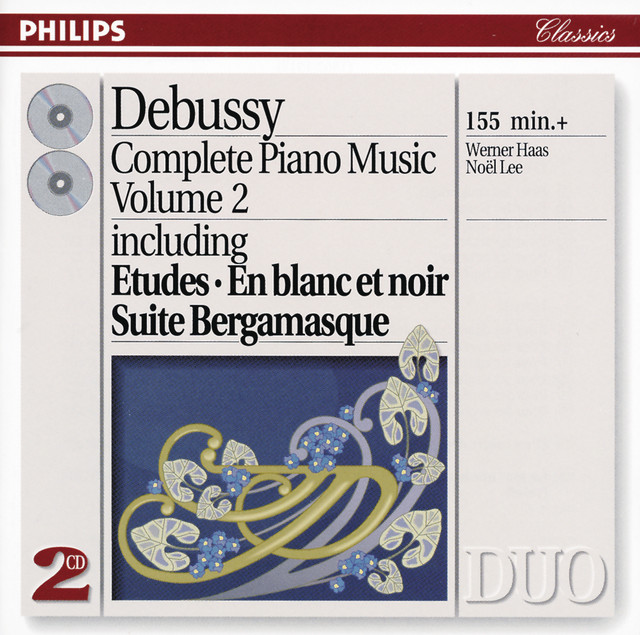
Noël Lee

Artur Balsam

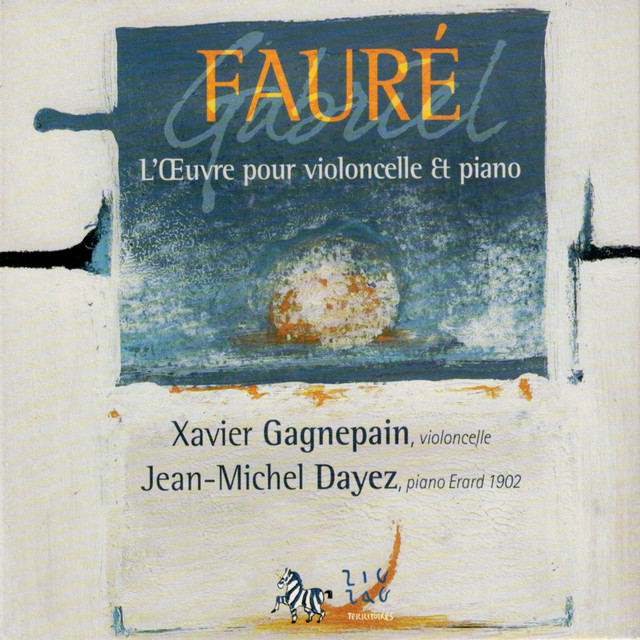
Xavier Gagnepain
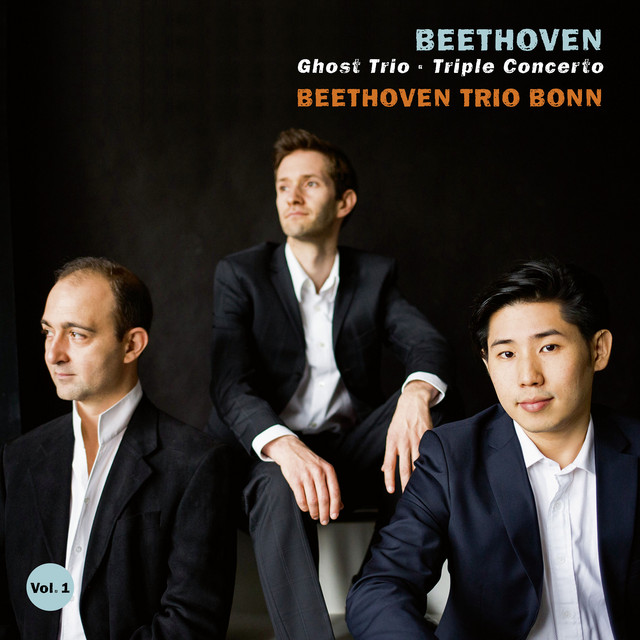
Beethoven Trio Bonn
Christian Ferras
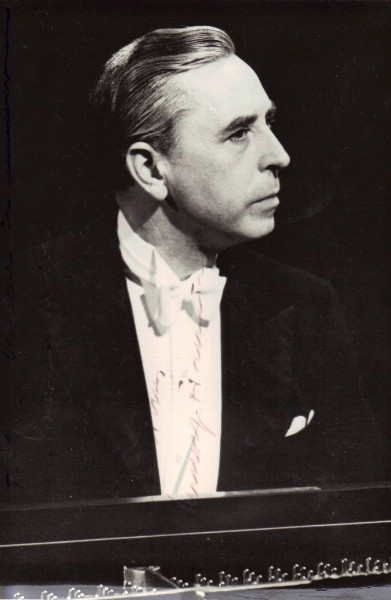

Mieczysław Horszowski

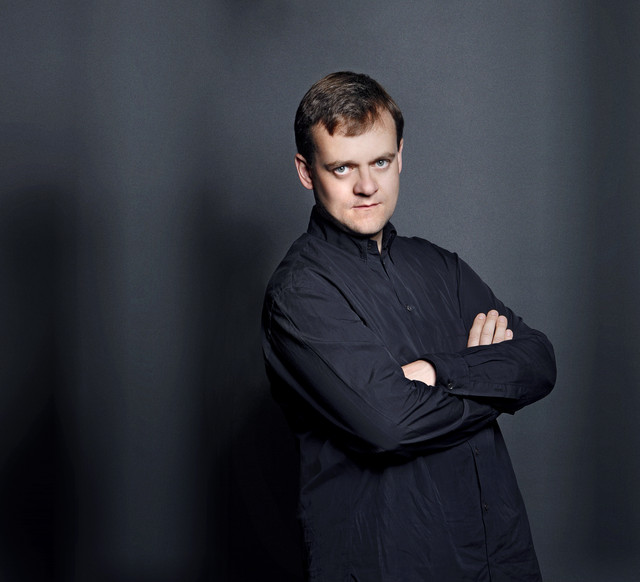


Lorenzo Gatto
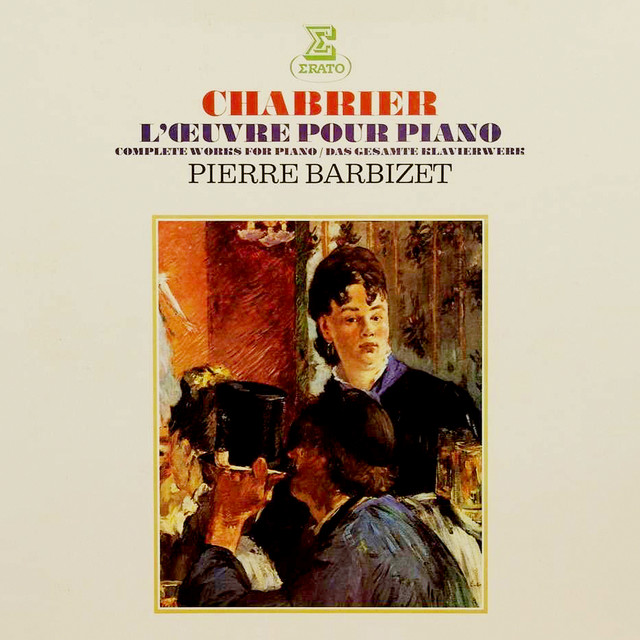
Pierre Barbizet
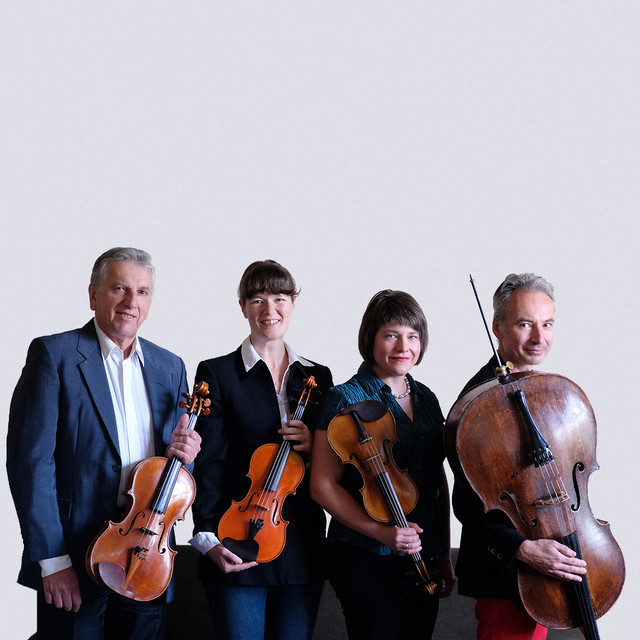
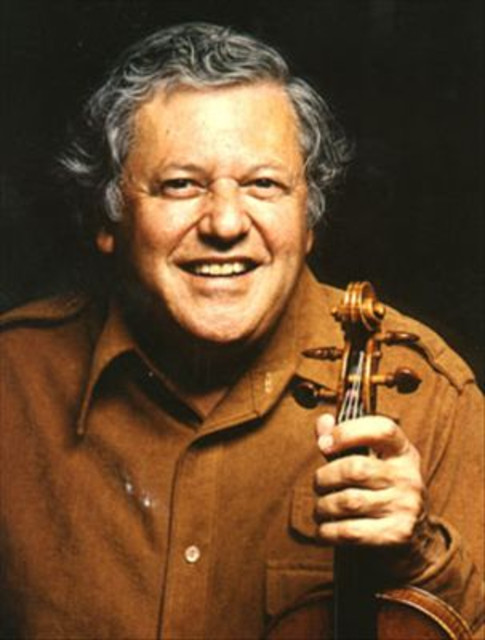
Robert Mann
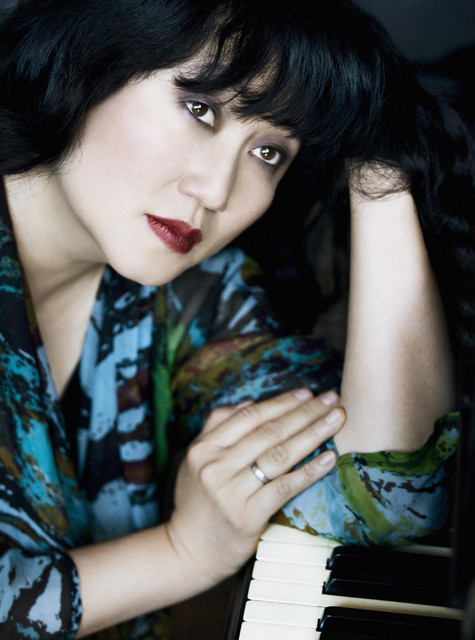
Wu Han
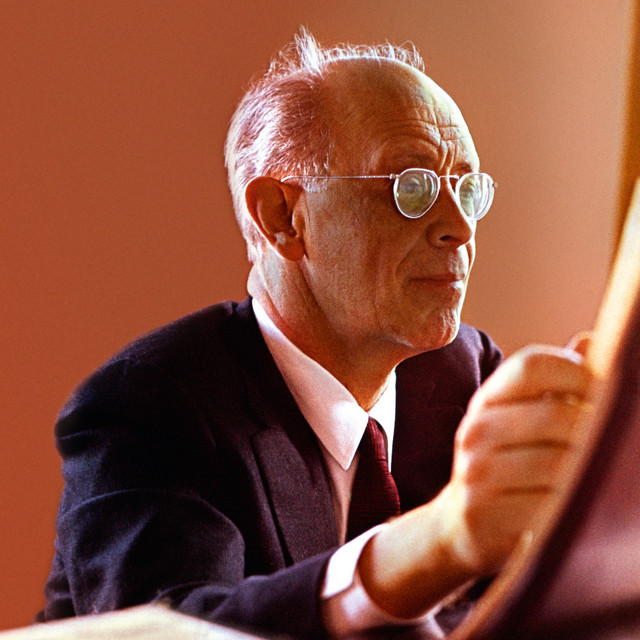

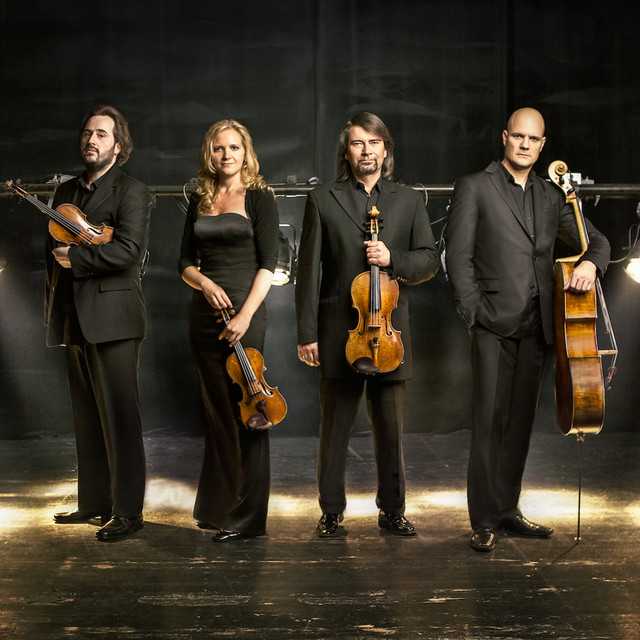

Martin Ostertag

Szymon Goldberg
Florin Szigeti
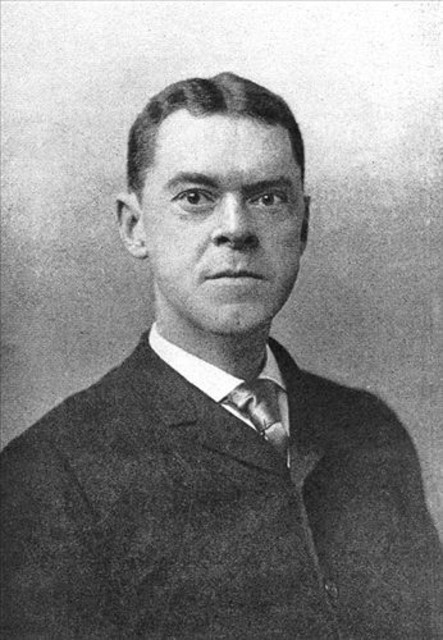
Arthur Foote
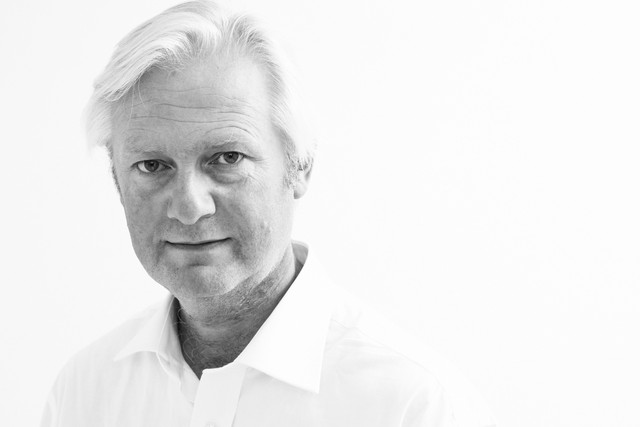
Lars Anders Tomter