Data may be outdated
Last updated: 7 months ago — Click refresh to get the latest statistics.
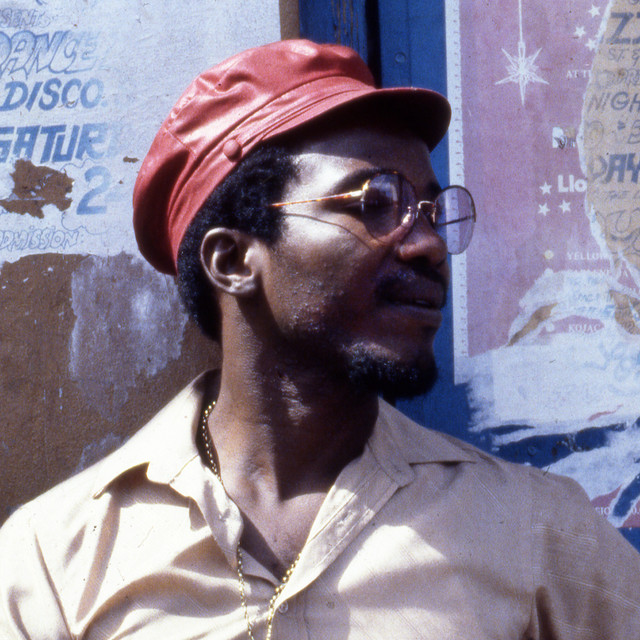
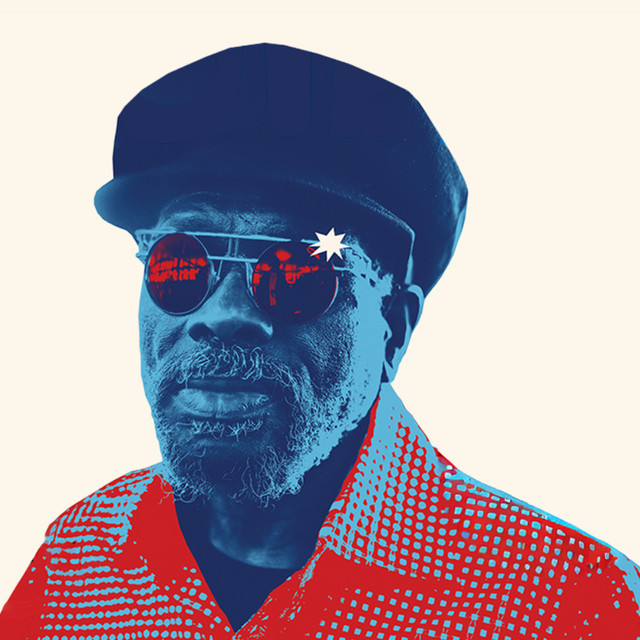
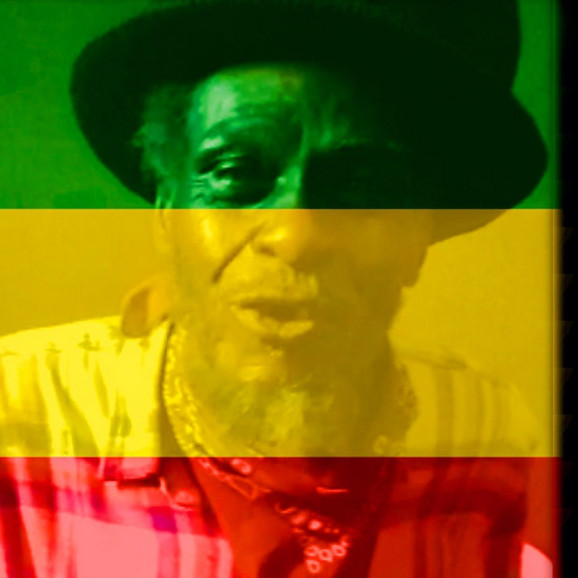
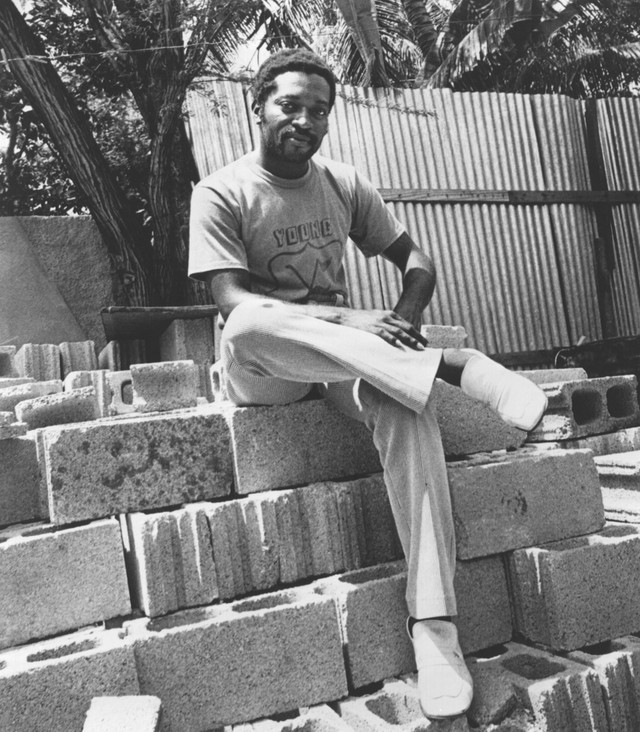
Borrowing his stage name from the popular TV Western hero of the same name, the Lone Ranger was one of Jamaica's most influential early dancehall DJs. He helped pioneer a newly rhythmic, on-the-beat rhyming style that led DJ toasting into the modern age, and punctuated his lyrics with bizarre exclamations and sound effects ("bim" and "ribbit" were his favorites) that made him perhaps the most imaginative stylist of his time. The Lone Ranger was born Anthony Waldron and spent a good portion of his childhood in the U.K., later moving to Kingston. He first recorded in tandem with <a href="spotify:artist:1cvJY2OCAqLpcc7bGXSEpB">Welton Irie</a> at Clement "Coxsone" Dodd's famed Studio One, but soon went solo, toasting over the rhythm tracks of past Studio One hits from the rocksteady and roots reggae eras. He also became the top DJ for the Virgo Hi Fi Sound System, resulting in its being voted the top sound system in Jamaica in 1980.
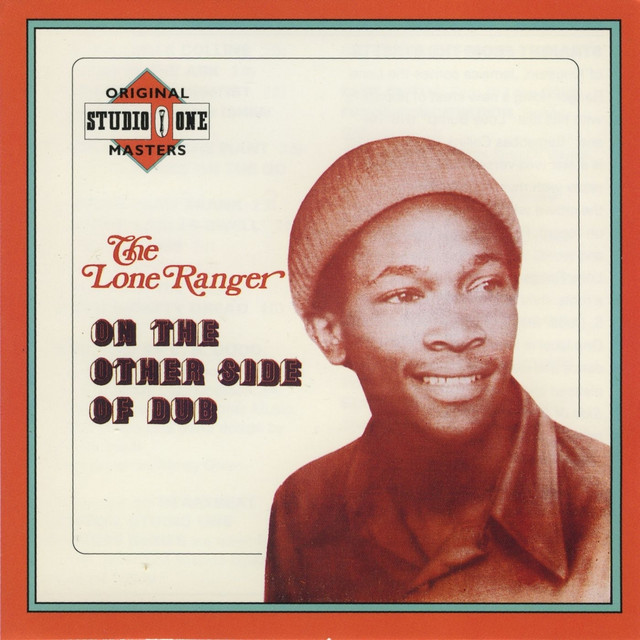
The Lone Ranger's breakout hit was "Love Bump," a Dodd-produced version of the rhythm from <a href="spotify:artist:2PuBpv31beJyhHfvXoku41">Slim Smith</a>'s "Rougher Yet." His signature song, however, was "Barnabas Collins," an ode to the vampiric main character of the TV series Dark Shadows. Produced by <a href="spotify:artist:5jpCnLfvJKLyebDV0mDA5d">Alvin "GG" Ranglin</a>, "Barnabas Collins" was a massive hit in 1980, topping charts in both Jamaica and the U.K. An album of the same name (aka Barnabas in Collins Wood) followed on <a href="spotify:artist:5jpCnLfvJKLyebDV0mDA5d">Ranglin</a>'s label, and established him as one of the top recording DJs of the time. Over the next two years, the Lone Ranger recorded prolifically for Studio One, issuing albums like On the Other Side of Dub, Badda Dan Dem, and what many regarded as his strongest LP, M-16. M-16 featured further hits in the title track, "Natty Burial," and "Fist to Fist." He also recorded with other producers, including Channel One's <a href="spotify:artist:0MzVii4VFShJDVer6ULBHM">Winston Riley</a> (1981's Rosemarie) and himself, in tandem with Clive Jarrett (1982's Hi Yo Silver Away).
With the ascent of <a href="spotify:artist:6yTNMMqumesCWhMJ47HB2a">Yellowman</a> and the recording debuts of other prominent early DJs (<a href="spotify:artist:5IJ9bzeZ3Jhnj2bwWwMZza">Brigadier Jerry</a>, <a href="spotify:artist:2hqyZpGViBQDIaMCme0DKC">Josey Wales</a>, <a href="spotify:artist:1qqZKSFPWKwT4Rtcu5zc8h">Charlie Chaplin</a>, etc.), the Lone Ranger found his popularity challenged; he also found some of his signature gimmicks appropriated by imitators. After his initial burst of activity, his pace had slowed considerably by the mid-'80s. He cut another album, DJ Daddy, for <a href="spotify:artist:0MzVii4VFShJDVer6ULBHM">Winston Riley</a> in 1984, and followed it with Learn to Drive, a low-profile album for Bebo Phillips' label, in 1985. He subsequently dropped out of sight. ~ Steve Huey, Rovi
The Lone Ranger's breakout hit was "Love Bump," a Dodd-produced version of the rhythm from <a href="spotify:artist:2PuBpv31beJyhHfvXoku41">Slim Smith</a>'s "Rougher Yet." His signature song, however, was "Barnabas Collins," an ode to the vampiric main character of the TV series Dark Shadows. Produced by <a href="spotify:artist:5jpCnLfvJKLyebDV0mDA5d">Alvin "GG" Ranglin</a>, "Barnabas Collins" was a massive hit in 1980, topping charts in both Jamaica and the U.K. An album of the same name (aka Barnabas in Collins Wood) followed on <a href="spotify:artist:5jpCnLfvJKLyebDV0mDA5d">Ranglin</a>'s label, and established him as one of the top recording DJs of the time. Over the next two years, the Lone Ranger recorded prolifically for Studio One, issuing albums like On the Other Side of Dub, Badda Dan Dem, and what many regarded as his strongest LP, M-16. M-16 featured further hits in the title track, "Natty Burial," and "Fist to Fist." He also recorded with other producers, including Channel One's <a href="spotify:artist:0MzVii4VFShJDVer6ULBHM">Winston Riley</a> (1981's Rosemarie) and himself, in tandem with Clive Jarrett (1982's Hi Yo Silver Away).
With the ascent of <a href="spotify:artist:6yTNMMqumesCWhMJ47HB2a">Yellowman</a> and the recording debuts of other prominent early DJs (<a href="spotify:artist:5IJ9bzeZ3Jhnj2bwWwMZza">Brigadier Jerry</a>, <a href="spotify:artist:2hqyZpGViBQDIaMCme0DKC">Josey Wales</a>, <a href="spotify:artist:1qqZKSFPWKwT4Rtcu5zc8h">Charlie Chaplin</a>, etc.), the Lone Ranger found his popularity challenged; he also found some of his signature gimmicks appropriated by imitators. After his initial burst of activity, his pace had slowed considerably by the mid-'80s. He cut another album, DJ Daddy, for <a href="spotify:artist:0MzVii4VFShJDVer6ULBHM">Winston Riley</a> in 1984, and followed it with Learn to Drive, a low-profile album for Bebo Phillips' label, in 1985. He subsequently dropped out of sight. ~ Steve Huey, Rovi
Monthly Listeners
207,425
Monthly Listeners History
Track the evolution of monthly listeners over the last 28 days.
Followers
13,178
Followers History
Track the evolution of followers over the last 28 days.
Top Cities
3,182 listeners
3,163 listeners

2,075 listeners
1,912 listeners

1,671 listeners
Related Artists

Dorian Zero

The Interior Castle
The Lloyd Langton Group