Last updated: 1 day ago
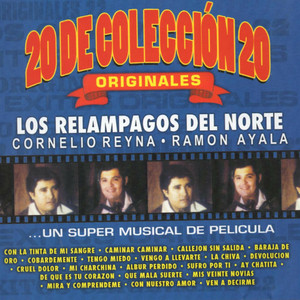
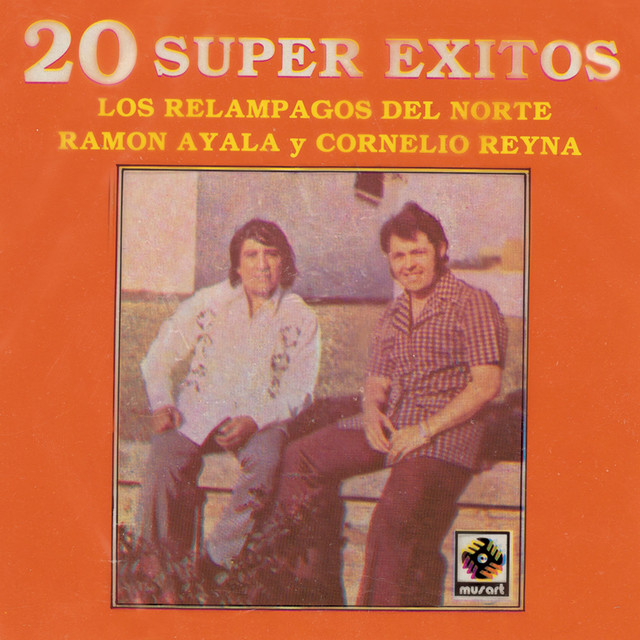
A seminal norteño-conjunto act, Los Relámpagos del Norte (literally "The Lightning from the North") set new standards of songcraft and technique, the latter through the astonishingly inventive playing of Ramón Ayala. They brought norteño music into the mainstream, and they did it while maintaining and even intensifying an essential "cantina" loneliness. The breadth of Los Relámpagos' influence can be found on any of their many recordings.
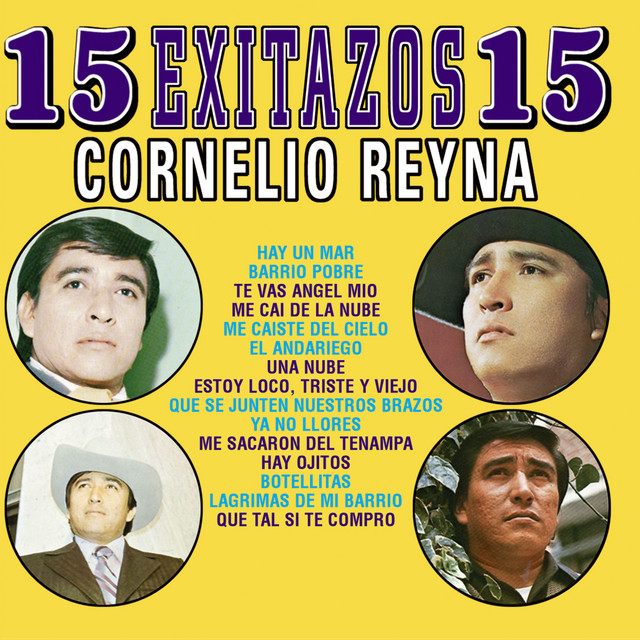
<a href="spotify:artist:2hbA9AbMYcgXBGgBK6MCfx">Cornelio Reyna</a> was born on September 16, 1940, in Coahuila. A bricklayer by trade, he was deeply involved with music by the age of 16. Several years later he was performing in a conjunto band at the Cadillac Bar in the border town of Reynosa, which is where he met the 15-year-old Ramón Ayala. Ayala was born in 1945 in Monterrey and had received his first musical education at five years of age from his father, local musician Ramón Covarrubias. He was already a mature talent on the accordion by the time he met <a href="spotify:artist:2hbA9AbMYcgXBGgBK6MCfx">Reyna</a>, having paid his dues in several groups from both Monterrey and Reynosa.
Los Relámpagos del Norte came together in 1961. <a href="spotify:artist:2hbA9AbMYcgXBGgBK6MCfx">Reyna</a> played the bajo sexto, a 12-string bass guitar, sang lead vocals, and served as the group's principal songwriter. Often bass and drums were added to their basic sound. Under the management of Servando Cano, the group signed with <a href="spotify:artist:01cC6Xh3v6VQULSSyKIMtU">Paulino Bernal</a>'s BEGO Records in McAllen, Texas, and released their first hit single, "Ya No Llores," in 1963.
From the outset, the bulk of Los Relámpagos' fans were migrant agricultural workers on the U.S. side of the border. Their numbers had been steadily increasing in the postwar years through a prevalence of guest-worker programs. Their music, born in the cantinas of "la frontera," had largely been overlooked during the early 20th century by affluent Mexican record buyers who tended to live further south. Agricultural work gave a sudden jolt of disposable income to a downtrodden and somewhat isolated northern Mexican culture at a time when its cantina artists were achieving new heights of expressiveness and soulfulness.
Los Relámpagos did not invent the conjunto -- such a claim ignores the contributions of <a href="spotify:artist:5wMSwnMUwqgIPSEkrhLYr4">Narciso Martínez</a>, Santiago Jiménez, and <a href="spotify:artist:7gVEby21xqzjD8mZn9rDGZ">the Conjunto Bernal</a>, to name a few -- but they arguably rode the commercial wave of the '60s with the greatest deserved success. As they gained popularity south of the border, many Mexicans perceived them as the exponents of a popular new style. A smattering of some of the great songs from this period includes "Desconfianza" (with its perfect marriage of speed and delicacy), "Devolucion," "Mi Tesoro," "Tengo Miedo," "Te Traigo Estas Flores," the almost existential "Callejón sin Salida," and "Me Caí de las Nubes."
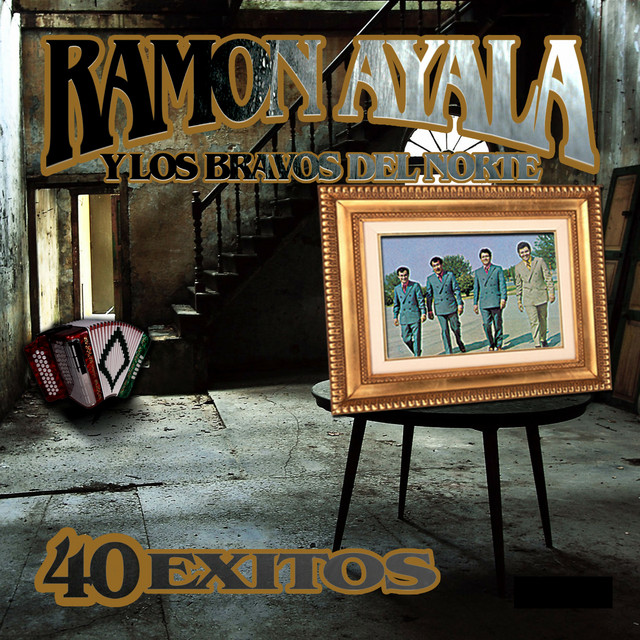
Los Relámpagos split amicably in 1971 after nearly a decade of hits, with <a href="spotify:artist:2hbA9AbMYcgXBGgBK6MCfx">Reyna</a> trying his hand at ranchero singing and movie acting. He used his reputation as a songwriter to gain roles in genre films of variable quality, some of which were actually based on concepts taken from his songs. He rapidly graduated to the director's chair and helmed several vehicles for other Mexican music stars. His post-Relámpagos music career, as a mariachi singer and as the leader of <a href="spotify:artist:1Xjm7jpjGWmZ2i6XSJpE7V">Los Reyes del Norte</a>, was sometimes judged to be inferior to his earlier greatness, and by the mid-'90s, his star had dimmed slightly. Meanwhile, Ramón Ayala had formed the wildly successful Los Bravos del Norte, which in the ensuing three decades all but eclipsed his former band with a slicker, more commercially appealing sound.
In 1995, Los Relámpagos del Norte united for the album Juntos Para Siempre, and two years later, in 1997, they were inducted into the Pura Vida Music Hall of Fame. By that time, <a href="spotify:artist:2hbA9AbMYcgXBGgBK6MCfx">Cornelio Reyna</a> had passed. Ayala continued to perform with Los Bravos del Norte well into the 21st century. A steady stream of compilations was released by a variety of labels. Many artists on both sides of the border in pop and traditional Mexican music continue to acknowledge the original group's influence. ~ J. Witzgall, Rovi
<a href="spotify:artist:2hbA9AbMYcgXBGgBK6MCfx">Cornelio Reyna</a> was born on September 16, 1940, in Coahuila. A bricklayer by trade, he was deeply involved with music by the age of 16. Several years later he was performing in a conjunto band at the Cadillac Bar in the border town of Reynosa, which is where he met the 15-year-old Ramón Ayala. Ayala was born in 1945 in Monterrey and had received his first musical education at five years of age from his father, local musician Ramón Covarrubias. He was already a mature talent on the accordion by the time he met <a href="spotify:artist:2hbA9AbMYcgXBGgBK6MCfx">Reyna</a>, having paid his dues in several groups from both Monterrey and Reynosa.
Los Relámpagos del Norte came together in 1961. <a href="spotify:artist:2hbA9AbMYcgXBGgBK6MCfx">Reyna</a> played the bajo sexto, a 12-string bass guitar, sang lead vocals, and served as the group's principal songwriter. Often bass and drums were added to their basic sound. Under the management of Servando Cano, the group signed with <a href="spotify:artist:01cC6Xh3v6VQULSSyKIMtU">Paulino Bernal</a>'s BEGO Records in McAllen, Texas, and released their first hit single, "Ya No Llores," in 1963.
From the outset, the bulk of Los Relámpagos' fans were migrant agricultural workers on the U.S. side of the border. Their numbers had been steadily increasing in the postwar years through a prevalence of guest-worker programs. Their music, born in the cantinas of "la frontera," had largely been overlooked during the early 20th century by affluent Mexican record buyers who tended to live further south. Agricultural work gave a sudden jolt of disposable income to a downtrodden and somewhat isolated northern Mexican culture at a time when its cantina artists were achieving new heights of expressiveness and soulfulness.
Los Relámpagos did not invent the conjunto -- such a claim ignores the contributions of <a href="spotify:artist:5wMSwnMUwqgIPSEkrhLYr4">Narciso Martínez</a>, Santiago Jiménez, and <a href="spotify:artist:7gVEby21xqzjD8mZn9rDGZ">the Conjunto Bernal</a>, to name a few -- but they arguably rode the commercial wave of the '60s with the greatest deserved success. As they gained popularity south of the border, many Mexicans perceived them as the exponents of a popular new style. A smattering of some of the great songs from this period includes "Desconfianza" (with its perfect marriage of speed and delicacy), "Devolucion," "Mi Tesoro," "Tengo Miedo," "Te Traigo Estas Flores," the almost existential "Callejón sin Salida," and "Me Caí de las Nubes."
Los Relámpagos split amicably in 1971 after nearly a decade of hits, with <a href="spotify:artist:2hbA9AbMYcgXBGgBK6MCfx">Reyna</a> trying his hand at ranchero singing and movie acting. He used his reputation as a songwriter to gain roles in genre films of variable quality, some of which were actually based on concepts taken from his songs. He rapidly graduated to the director's chair and helmed several vehicles for other Mexican music stars. His post-Relámpagos music career, as a mariachi singer and as the leader of <a href="spotify:artist:1Xjm7jpjGWmZ2i6XSJpE7V">Los Reyes del Norte</a>, was sometimes judged to be inferior to his earlier greatness, and by the mid-'90s, his star had dimmed slightly. Meanwhile, Ramón Ayala had formed the wildly successful Los Bravos del Norte, which in the ensuing three decades all but eclipsed his former band with a slicker, more commercially appealing sound.
In 1995, Los Relámpagos del Norte united for the album Juntos Para Siempre, and two years later, in 1997, they were inducted into the Pura Vida Music Hall of Fame. By that time, <a href="spotify:artist:2hbA9AbMYcgXBGgBK6MCfx">Cornelio Reyna</a> had passed. Ayala continued to perform with Los Bravos del Norte well into the 21st century. A steady stream of compilations was released by a variety of labels. Many artists on both sides of the border in pop and traditional Mexican music continue to acknowledge the original group's influence. ~ J. Witzgall, Rovi
Monthly Listeners
1.0 million
Monthly Listeners History
Track the evolution of monthly listeners over the last 28 days.
Followers
195,354
Followers History
Track the evolution of followers over the last 28 days.
Total Streams
683.1 million
Total Streams History
Track the evolution of total streams over the last 28 days. This data is calculated from all tracks listed in the artist's discography.
Top Cities
68,476 listeners
42,830 listeners
41,395 listeners
25,464 listeners
25,220 listeners

Related Artists




Cornelio & Ramon & Los Relampaguitos


Cadetes De Linares De Lupe Tijerina

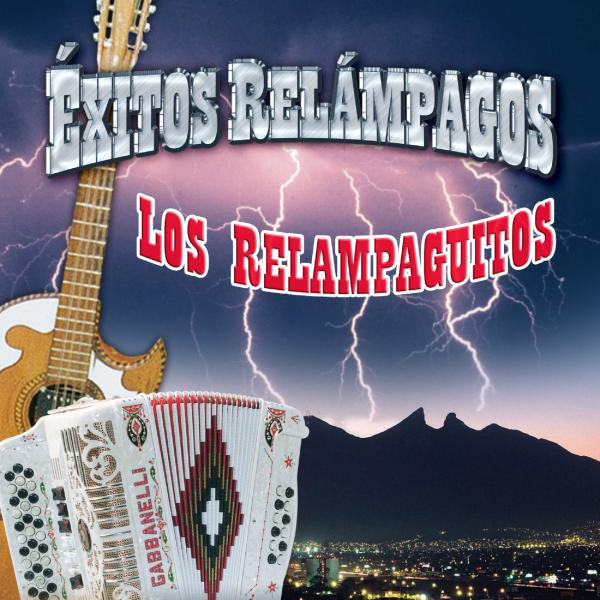
Los relampaguitos

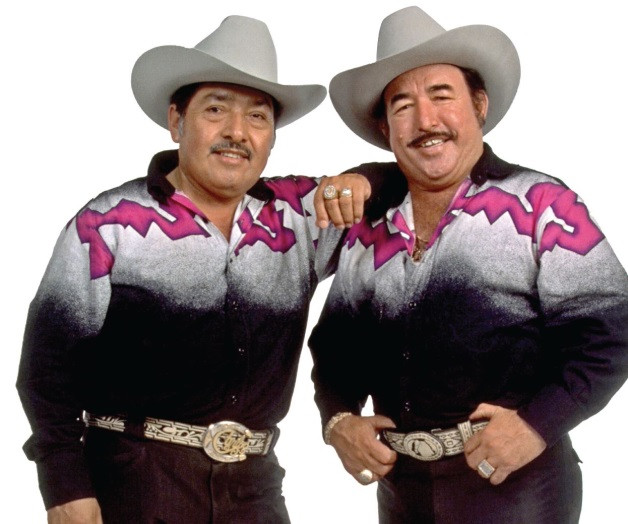

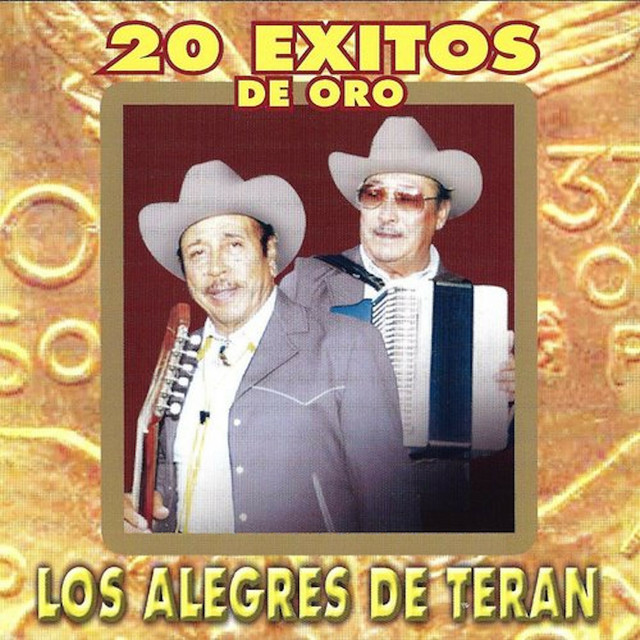

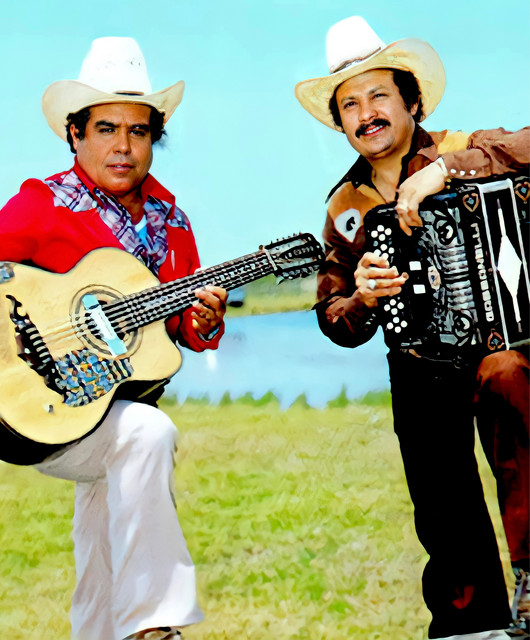
Los Nuevos Cadetes