Genre
french baroque
Top French baroque Artists
Showing 25 of 36 artists





About French baroque
French Baroque is the French flowering of Baroque music, roughly spanning the mid-17th to the mid-18th century. Born in the courts of Louis XIV and his successors, it crystallized a distinct national idiom that prized clarity of line, refined ornament, and a close integration of vocal drama with instrumental color. This was not merely music for grand ceremony; it was a culture of performance where ballet, theater, and church music fed into an overarching sense of taste, order, and spectacle.
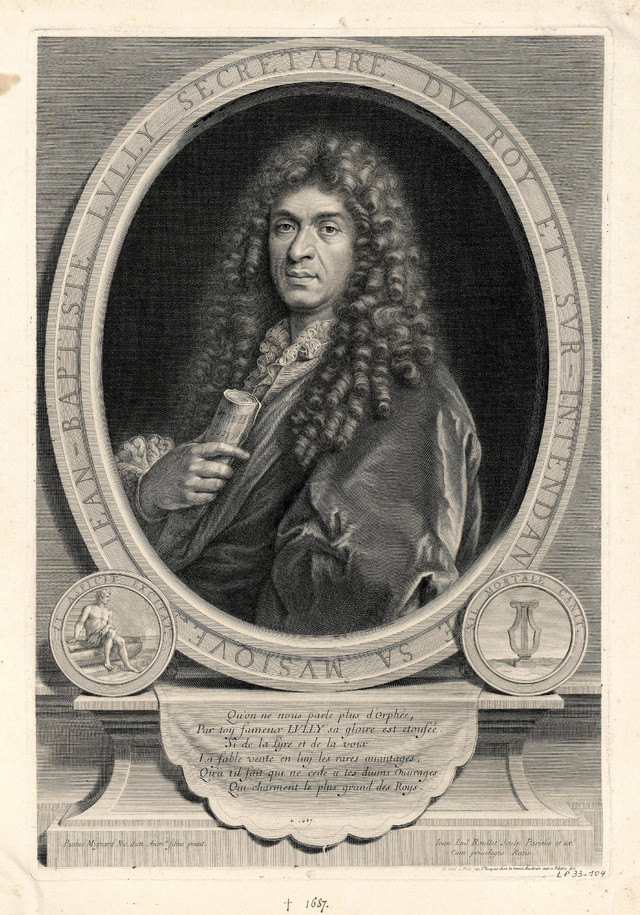
A few names anchor the genre’s identity. Jean-Baptiste Lully (1572–1687) looms as the founder of the French operatic tradition and a central architect of courtly sound. His tragedie en musique and the signature French overture—a slow, dotted-prc rhythm opening gives way to a lively, fugal texture—set a template that would color French orchestration for generations. The Lullian model also reinforced a stylistic emphasis on declamatory vocal lines and instrumental rhetoric that served drama with psychological precision.
On the keyboard and in chamber music, François Couperin (1668–1733) and his contemporaries forged a parallel language of nuance and ornament. Couperin’s keyboard works—his Ordres and the famous Leçons de clavecin—are studded with agréments, tasteful mordents, and rhetorical expressions that reveal a cultivated sensibility about touch, articulation, and character. The French harpsichord school, with its intricate dance suites and character pieces, became a hallmark of the era’s intimate listening experiences as well as public concert life.
Jean-Philippe Rameau (1683–1764) stands as the bridge to later Baroque and the dawn of tonal harmony. A prodigious theorist as well as a composer, his Traité de l’harmonie (1722) codified functional harmony and expressive syntax that would influence European music long after his own operas—Hippolyte et Aricie, Castor et Pollux, and Platée—reintroduced the French stage with bold orchestration and psychological depth.
Other essential voices include Marin Marais, the virtuoso viola da gamba performer whose chamber works and suite-like pieces embody the elegiac, intimate side of French Baroque; Jean-Féry Rebel, whose Les Élémens (1701) experiments with musical program and color; and Michel-Richard Delalande, whose sacred and theatrical music sustained the court’s liturgical life. Collectively, these composers cultivated a sound world—clarity of line, refined ornament, evocative dance rhythms, and a preference for ensembles that could balance chorus, solo voice, continuo, and a bright string color.
Form and practice in the French Baroque emphasize overture-and-aria contrasts, dance suite structures, and a rhetoric of affect (affectation) that aims to move the listener through emotion and narrative. The orchestra often relied on harpsichord continuo, theorbo or lute, and viola da gamba in chamber works, producing an unmistakable blend of elegance and color.
Today, French Baroque music thrives in historical performance circles worldwide, with France as its principal home base and a robust revival community in Belgium, the Netherlands, and parts of Canada and the United States. Ensembles such as those dedicated to early music bring Lully, Couperin, Rameau, and their peers to life with period instruments and historically informed practices, ensuring that the refined, rhetorical beauty of French Baroque remains a vital, evolving language for modern audiences.
A few names anchor the genre’s identity. Jean-Baptiste Lully (1572–1687) looms as the founder of the French operatic tradition and a central architect of courtly sound. His tragedie en musique and the signature French overture—a slow, dotted-prc rhythm opening gives way to a lively, fugal texture—set a template that would color French orchestration for generations. The Lullian model also reinforced a stylistic emphasis on declamatory vocal lines and instrumental rhetoric that served drama with psychological precision.
On the keyboard and in chamber music, François Couperin (1668–1733) and his contemporaries forged a parallel language of nuance and ornament. Couperin’s keyboard works—his Ordres and the famous Leçons de clavecin—are studded with agréments, tasteful mordents, and rhetorical expressions that reveal a cultivated sensibility about touch, articulation, and character. The French harpsichord school, with its intricate dance suites and character pieces, became a hallmark of the era’s intimate listening experiences as well as public concert life.
Jean-Philippe Rameau (1683–1764) stands as the bridge to later Baroque and the dawn of tonal harmony. A prodigious theorist as well as a composer, his Traité de l’harmonie (1722) codified functional harmony and expressive syntax that would influence European music long after his own operas—Hippolyte et Aricie, Castor et Pollux, and Platée—reintroduced the French stage with bold orchestration and psychological depth.
Other essential voices include Marin Marais, the virtuoso viola da gamba performer whose chamber works and suite-like pieces embody the elegiac, intimate side of French Baroque; Jean-Féry Rebel, whose Les Élémens (1701) experiments with musical program and color; and Michel-Richard Delalande, whose sacred and theatrical music sustained the court’s liturgical life. Collectively, these composers cultivated a sound world—clarity of line, refined ornament, evocative dance rhythms, and a preference for ensembles that could balance chorus, solo voice, continuo, and a bright string color.
Form and practice in the French Baroque emphasize overture-and-aria contrasts, dance suite structures, and a rhetoric of affect (affectation) that aims to move the listener through emotion and narrative. The orchestra often relied on harpsichord continuo, theorbo or lute, and viola da gamba in chamber works, producing an unmistakable blend of elegance and color.
Today, French Baroque music thrives in historical performance circles worldwide, with France as its principal home base and a robust revival community in Belgium, the Netherlands, and parts of Canada and the United States. Ensembles such as those dedicated to early music bring Lully, Couperin, Rameau, and their peers to life with period instruments and historically informed practices, ensuring that the refined, rhetorical beauty of French Baroque remains a vital, evolving language for modern audiences.