Data may be outdated
Last updated: 7 months ago — Click refresh to get the latest statistics.
During a career that spanned seven decades, composer and arranger Manny Albam collaborated with a who's who of jazz greats including <a href="spotify:artist:2jFZlvIea42ZvcCw4OeEdA">Count Basie</a>, <a href="spotify:artist:5RzjqfPS0Bu4bUMkyNNDpn">Dizzy Gillespie</a>, and <a href="spotify:artist:0FMucZsEnCxs5pqBjHjIc8">Stan Getz</a>. He also developed successive generations of new talent as co-founder and musical director of the BMI Jazz Composers Workshop. Albam was born June 24, 1922. His parents were en route from their native Russia to their new home in New York City, and his mother went into labor while their ship was outside of the Dominican Republic port of Samana. At the age of seven Albam discovered jazz after hearing a <a href="spotify:artist:3kfbYBrL3MCPAMUwKDRpc7">Bix Beiderbecke</a> record, and soon after began playing the alto saxophone; at 16 he dropped out of school following an invitation to join <a href="spotify:artist:0u61vtGdkaLTguZ5mVxLjK">Muggsy Spanier</a>'s Dixieland combo, and later played with <a href="spotify:artist:7EjhAMl9ws3ielUFZ5OoiF">Georgie Auld</a>, an experience that also afforded Albam his first shot at arranging under the tutelage of bandmate <a href="spotify:artist:3X1cmny2PiOISd8ZAfPGH7">Budd Johnson</a>. Albam next gigged behind <a href="spotify:artist:4SPws2VXOmZIiRTp75mzsb">Charlie Barnet</a>, from there signing on with <a href="spotify:artist:2afmt006cSGq0G3kA4u8je">Charlie Spivak</a>. During his two years with <a href="spotify:artist:2afmt006cSGq0G3kA4u8je">Spivak</a>, his arranging skills flourished, and he generated an average of two arrangements per week. After serving in the U.S. Army during World War II, Albam returned to the <a href="spotify:artist:4SPws2VXOmZIiRTp75mzsb">Barnet</a> stable, and as his interest in writing and arranging grew, he effectively retired from performing in 1950, a decision that coincided with the last gasps of the big band era.
Albam quickly emerged as a sought-after freelancer, composing and arranging material for many of the bop era's brightest talents. His tight, brisk arrangements favored subtlety over flash, while his writing exhibited a wry sense of humor. Albam eventually signed to headline his own LPs for labels including Mercury, RCA Victor, and Dot, bringing together musicians including <a href="spotify:artist:6G4hVmXKJ9NW5JecncK89f">Phil Woods</a>, <a href="spotify:artist:4yPUoMbYxVJ6XNJWZVJV7Y">Al Cohn</a>, and <a href="spotify:artist:3aM9H4QBnPUo6mnNVufAtN">Bob Brookmeyer</a> for acclaimed easy listening efforts including The Blues Is Everybody's Business and The Drum Suite. His 1957 jazz arrangement of <a href="spotify:artist:2LmyJyCF5V1eQyvHgJNbTn">Leonard Bernstein</a>'s score to West Side Story so impressed <a href="spotify:artist:2LmyJyCF5V1eQyvHgJNbTn">Bernstein</a> that the maestro invited Albam to write for <a href="spotify:artist:3gacryguGmpmCvgPGt2CBI">the New York Philharmonic</a>. The offer prompted Albam to study classical composition under Tibor Serly, later yielding such works as the luminous "Concerto for Trombone and Strings." Albam also wrote for feature films, television, and even advertising jingles, and in 1964 signed on as musical director for <a href="spotify:artist:7gMc5IXrOP0pgV1Wi0vqeX">Sonny Lester</a>'s fledgling Solid State label, which two years later issued his jazz suite The Soul of the City. By that time Albam was increasingly channeling his energies into teaching, however. After stints with the Eastman School of Music, Glassboro State College, and the Manhattan School of Music, in 1988 he co-founded the BMI Jazz Composers Workshop, assuming the title of musical director from <a href="spotify:artist:3aM9H4QBnPUo6mnNVufAtN">Brookmeyer</a> three years later. Albam died of cancer on October 2, 2001. ~ Jason Ankeny, Rovi
Albam quickly emerged as a sought-after freelancer, composing and arranging material for many of the bop era's brightest talents. His tight, brisk arrangements favored subtlety over flash, while his writing exhibited a wry sense of humor. Albam eventually signed to headline his own LPs for labels including Mercury, RCA Victor, and Dot, bringing together musicians including <a href="spotify:artist:6G4hVmXKJ9NW5JecncK89f">Phil Woods</a>, <a href="spotify:artist:4yPUoMbYxVJ6XNJWZVJV7Y">Al Cohn</a>, and <a href="spotify:artist:3aM9H4QBnPUo6mnNVufAtN">Bob Brookmeyer</a> for acclaimed easy listening efforts including The Blues Is Everybody's Business and The Drum Suite. His 1957 jazz arrangement of <a href="spotify:artist:2LmyJyCF5V1eQyvHgJNbTn">Leonard Bernstein</a>'s score to West Side Story so impressed <a href="spotify:artist:2LmyJyCF5V1eQyvHgJNbTn">Bernstein</a> that the maestro invited Albam to write for <a href="spotify:artist:3gacryguGmpmCvgPGt2CBI">the New York Philharmonic</a>. The offer prompted Albam to study classical composition under Tibor Serly, later yielding such works as the luminous "Concerto for Trombone and Strings." Albam also wrote for feature films, television, and even advertising jingles, and in 1964 signed on as musical director for <a href="spotify:artist:7gMc5IXrOP0pgV1Wi0vqeX">Sonny Lester</a>'s fledgling Solid State label, which two years later issued his jazz suite The Soul of the City. By that time Albam was increasingly channeling his energies into teaching, however. After stints with the Eastman School of Music, Glassboro State College, and the Manhattan School of Music, in 1988 he co-founded the BMI Jazz Composers Workshop, assuming the title of musical director from <a href="spotify:artist:3aM9H4QBnPUo6mnNVufAtN">Brookmeyer</a> three years later. Albam died of cancer on October 2, 2001. ~ Jason Ankeny, Rovi
Monthly Listeners
5,163
Monthly Listeners History
Track the evolution of monthly listeners over the last 28 days.
Followers
488
Followers History
Track the evolution of followers over the last 28 days.
Top Cities
67 listeners

62 listeners

61 listeners
60 listeners

52 listeners

Related Artists

Harry Carney

Lester Young Quartet
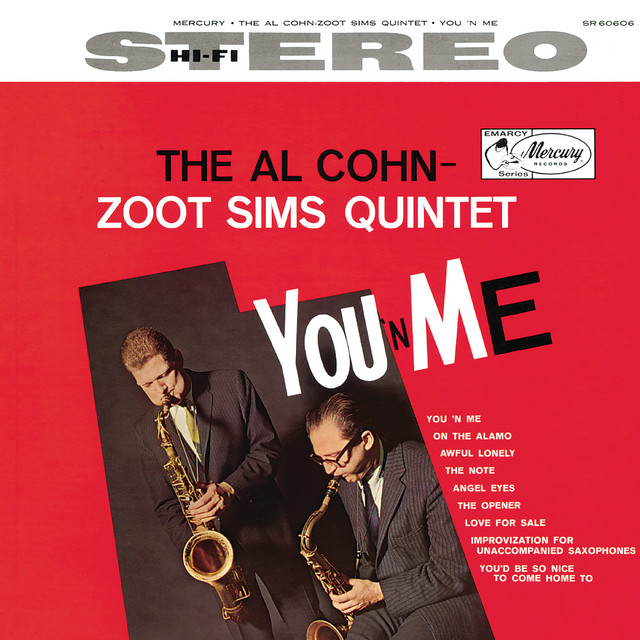
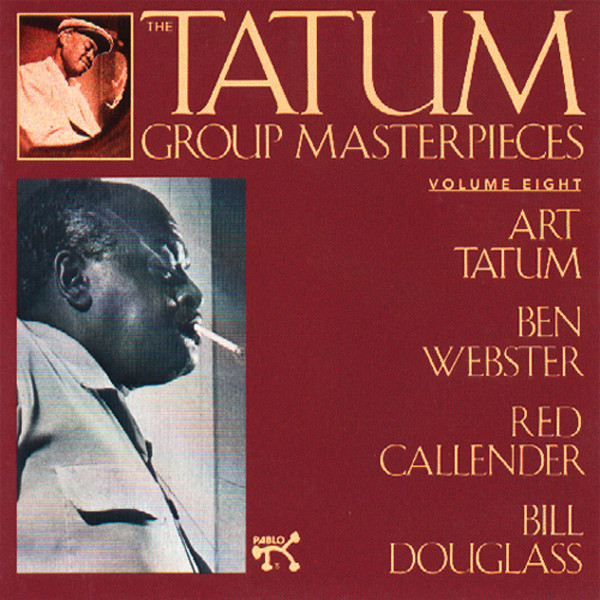
Red Callender


Bill Douglass
Howard McGhee

Teddy Wilson Trio
Serge Chaloff
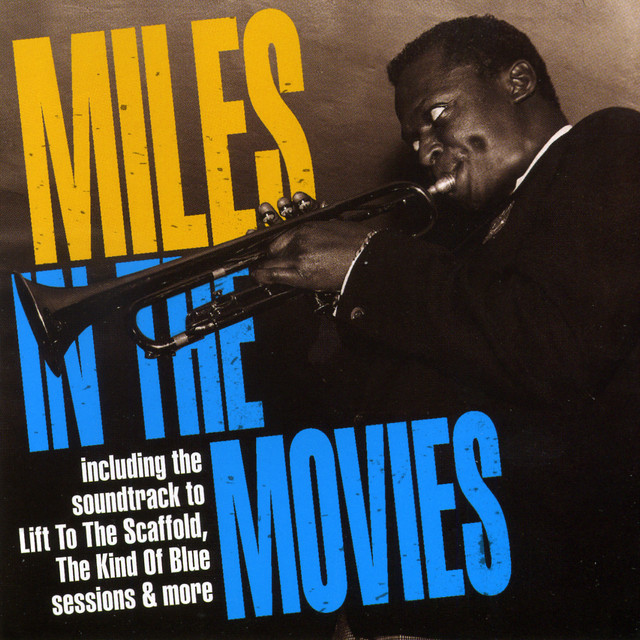

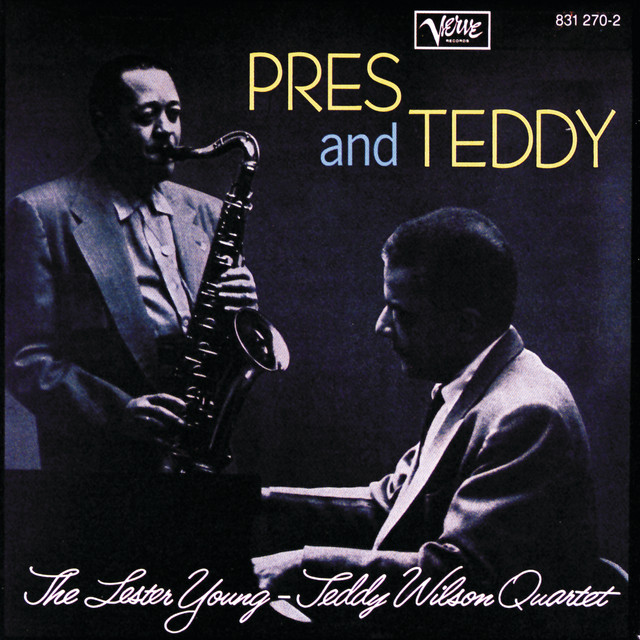
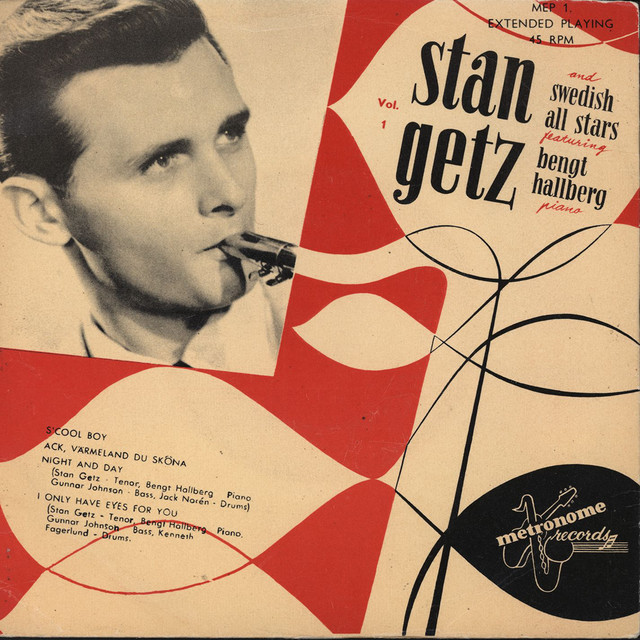

Oscar Peterson, Ray Brown, Ed Thigpen
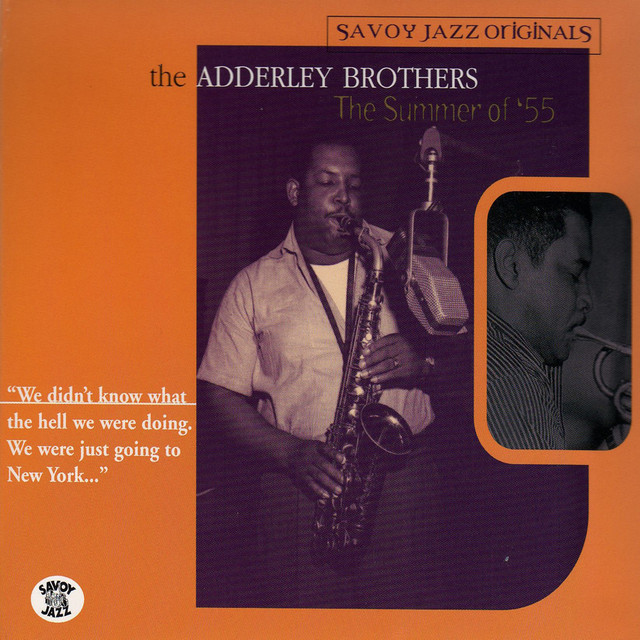

Charlie Parker Quintet feat. Miles Davis