Data may be outdated
Last updated: 9 months ago — Click refresh to get the latest statistics.
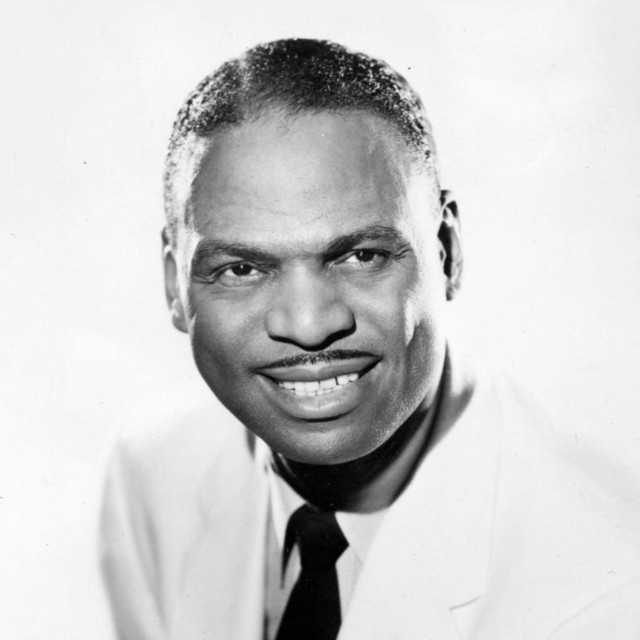
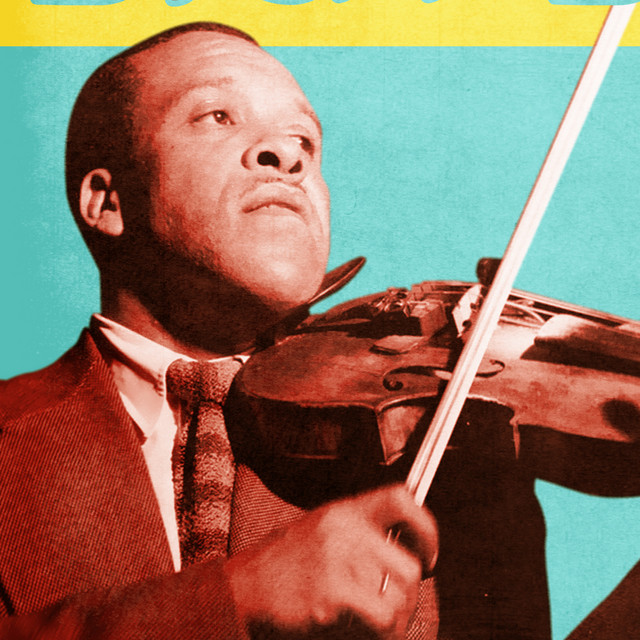
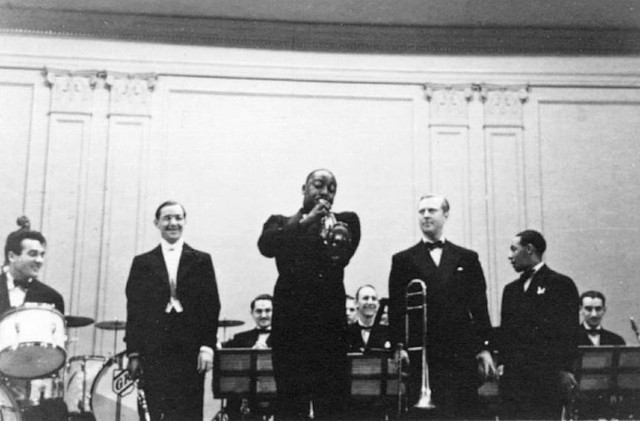
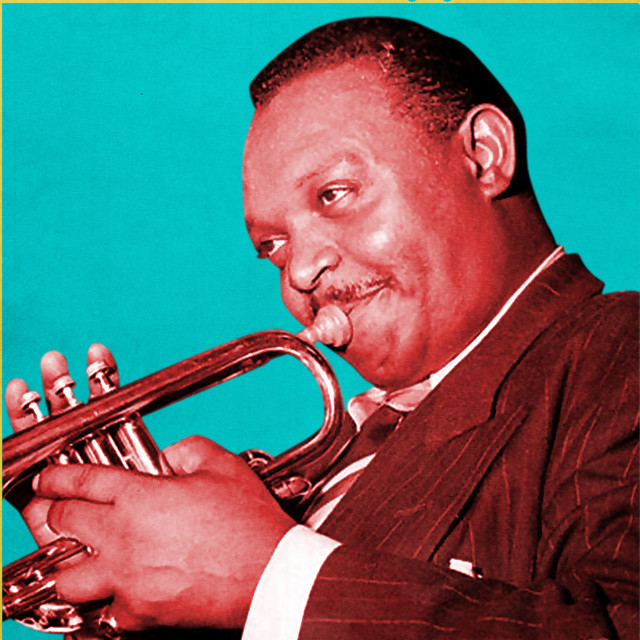
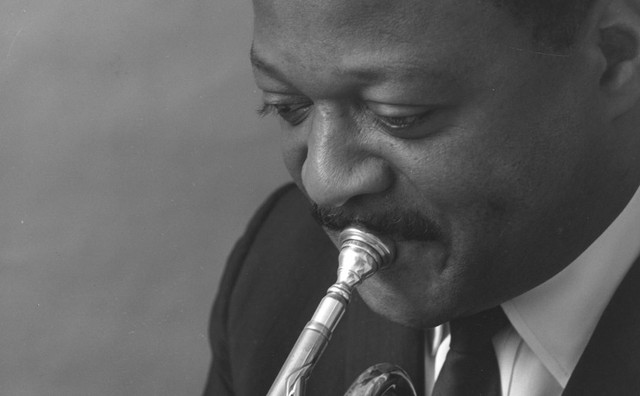
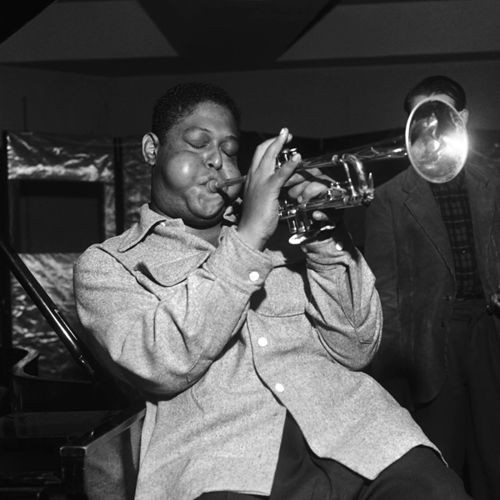
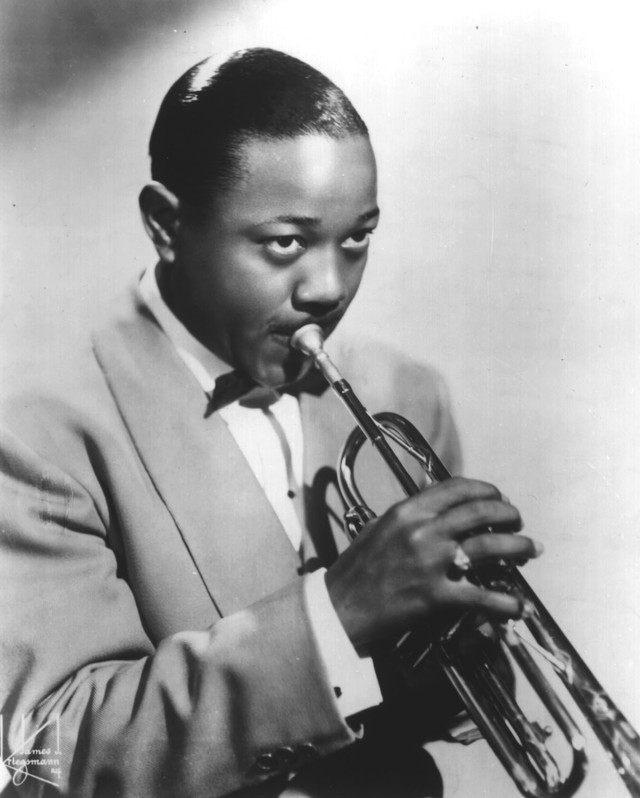
One of the most exciting trumpeters to emerge during the swing era, Roy Eldridge's combative approach, chance-taking style and strong musicianship were an inspiration (and an influence) to the next musical generation, most notably <a href="spotify:artist:5RzjqfPS0Bu4bUMkyNNDpn">Dizzy Gillespie</a>. Although he sometimes pushed himself farther than he could go, Eldridge never played a dull solo.
Roy Eldridge started out playing trumpet and drums in carnival and circus bands. With the Nighthawk Syncopators he received a bit of attention by playing a note-for-note re-creation of <a href="spotify:artist:0JM134st8VY7Ld9T2wQiH0">Coleman Hawkins</a>' tenor solo on "The Stampede." Inspired by the dynamic playing of <a href="spotify:artist:46Oxwha8XISOSTpE1bSNgQ">Jabbo Smith</a> (Eldridge would not discover <a href="spotify:artist:19eLuQmk9aCobbVDHc6eek">Louis Armstrong</a> for a few years), Eldridge played with some territory bands including Zack Whyte and Speed Webb and in New York (where he arrive in 1931) he worked with <a href="spotify:artist:3xNzMGxMGxIhGXYmQTc4iP">Elmer Snowden</a> (who nicknamed him "Little Jazz"), <a href="spotify:artist:5I3S4y3G5KQ6M5DUqxM3wD">McKinney's Cotton Pickers</a>, and most importantly <a href="spotify:artist:6RcS0R1ApjQDjEnMMMeoVa">Teddy Hill</a> (1935). Eldridge's recorded solos with <a href="spotify:artist:6RcS0R1ApjQDjEnMMMeoVa">Hill</a>, backing <a href="spotify:artist:1YzCsTRb22dQkh9lghPIrp">Billie Holiday</a> and with <a href="spotify:artist:2ovJLSejirvJybNers2YG6">Fletcher Henderson</a> (including his 1936 hit "Christopher Columbus") gained a great deal of attention. In 1937 he appeared with his octet (which included brother Joe on alto) at the Three Deuces Club in Chicago and recorded some outstanding selections as a leader including "Heckler's Hop" and "Wabash Stomp." By 1939 Eldridge had a larger group playing at the Arcadia Ballroom in New York. With the decline of <a href="spotify:artist:5mzFDFweHwx7BZFmMtdll7">Bunny Berigan</a> and the increasing predictability of <a href="spotify:artist:19eLuQmk9aCobbVDHc6eek">Louis Armstrong</a>, Eldridge was arguably the top trumpeter in jazz during this era.
During 1941-1942 Eldridge sparked <a href="spotify:artist:2YODXXiVE8ABc0TfihLOFj">Gene Krupa's Orchestra</a>, recording classic versions of "Rockin' Chair" and "After You've Gone" and interacting with <a href="spotify:artist:5QGnprJtpZmk3OiDqspPlB">Anita O'Day</a> on "Let Me Off Uptown." The difficulties of traveling with a White band during a racist period hurt him, as did some of the incidents that occurred during his stay with <a href="spotify:artist:5wam12nGWDBIrLDV78TNSF">Artie Shaw</a> (1944-1945) but the music during both stints was quite memorable. Eldridge can be seen in several "soundies" (short promotional film devoted to single songs) of this era by the <a href="spotify:artist:2YODXXiVE8ABc0TfihLOFj">Krupa</a> band, often in association with <a href="spotify:artist:5QGnprJtpZmk3OiDqspPlB">O'Day</a>, including "Let Me Off Uptown" and "Thanks for the Boogie Ride." He is also very prominent in the band's appearance in Howard Hawks' Ball of Fire, in an extended performance of "Drum Boogie" mimed by Barbara Stanwyck, taking a long trumpet solo -- the clip was filmed soon after Eldridge joined the band in late April of 1941, and "Drum Boogie" was a song that Eldridge co-wrote with <a href="spotify:artist:2YODXXiVE8ABc0TfihLOFj">Krupa</a>.
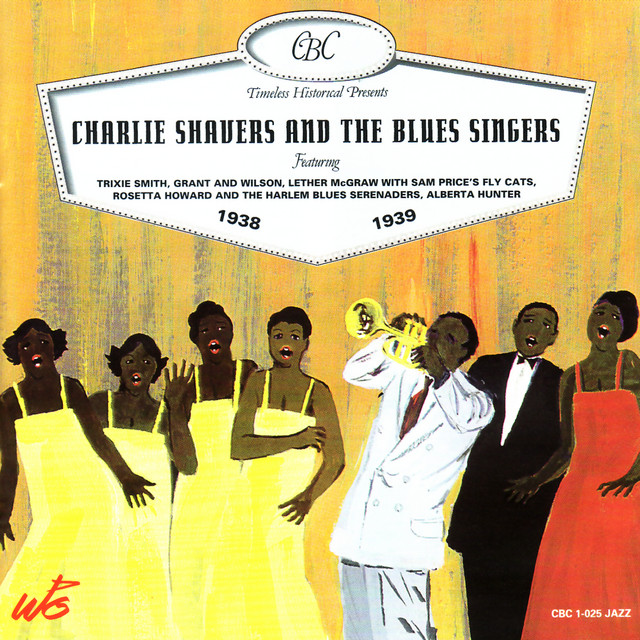
Eldridge had a short-lived big band of his own, toured with <a href="spotify:artist:1MrfEFvDJwmXQJADGBSEPV">Jazz at the Philharmonic</a>, and then had a bit of an identity crisis when he realized that his playing was not as modern as the beboppers. A successful stay in France during 1950-1951 restored his confidence when he realized that being original was more important than being up-to-date. Eldridge recorded steadily for <a href="spotify:artist:3I3Jb7GD2tAy4yefo7pZD2">Norman Granz</a> in the '50s, was one of the stars of <a href="spotify:artist:1MrfEFvDJwmXQJADGBSEPV">JATP</a> (where he battled <a href="spotify:artist:1yOf0GbMOo9zdD2FF0rUoK">Charlie Shavers</a> and <a href="spotify:artist:5RzjqfPS0Bu4bUMkyNNDpn">Dizzy Gillespie</a>), and by 1956, was often teamed with <a href="spotify:artist:0JM134st8VY7Ld9T2wQiH0">Coleman Hawkins</a> in a quintet; their 1957 appearance at Newport was quite memorable. The '60s were tougher as recording opportunities and work became rarer. Eldridge had brief and unhappy stints with <a href="spotify:artist:2jFZlvIea42ZvcCw4OeEdA">Count Basie's Orchestra</a> and <a href="spotify:artist:5V0MlUE1Bft0mbLlND7FJz">Ella Fitzgerald</a> (feeling unnecessary in both contexts) but was leading his own group by the end of the decade. He spent much of the '70s playing regularly at Ryan's and recording for Pablo and, although his range had shrunk a bit, Eldridge's competitive spirit was still very much intact. Only a serious stroke in 1980 was able to halt his horn. Roy Eldridge recorded throughout his career for virtually every label. ~ Scott Yanow, Rovi
Roy Eldridge started out playing trumpet and drums in carnival and circus bands. With the Nighthawk Syncopators he received a bit of attention by playing a note-for-note re-creation of <a href="spotify:artist:0JM134st8VY7Ld9T2wQiH0">Coleman Hawkins</a>' tenor solo on "The Stampede." Inspired by the dynamic playing of <a href="spotify:artist:46Oxwha8XISOSTpE1bSNgQ">Jabbo Smith</a> (Eldridge would not discover <a href="spotify:artist:19eLuQmk9aCobbVDHc6eek">Louis Armstrong</a> for a few years), Eldridge played with some territory bands including Zack Whyte and Speed Webb and in New York (where he arrive in 1931) he worked with <a href="spotify:artist:3xNzMGxMGxIhGXYmQTc4iP">Elmer Snowden</a> (who nicknamed him "Little Jazz"), <a href="spotify:artist:5I3S4y3G5KQ6M5DUqxM3wD">McKinney's Cotton Pickers</a>, and most importantly <a href="spotify:artist:6RcS0R1ApjQDjEnMMMeoVa">Teddy Hill</a> (1935). Eldridge's recorded solos with <a href="spotify:artist:6RcS0R1ApjQDjEnMMMeoVa">Hill</a>, backing <a href="spotify:artist:1YzCsTRb22dQkh9lghPIrp">Billie Holiday</a> and with <a href="spotify:artist:2ovJLSejirvJybNers2YG6">Fletcher Henderson</a> (including his 1936 hit "Christopher Columbus") gained a great deal of attention. In 1937 he appeared with his octet (which included brother Joe on alto) at the Three Deuces Club in Chicago and recorded some outstanding selections as a leader including "Heckler's Hop" and "Wabash Stomp." By 1939 Eldridge had a larger group playing at the Arcadia Ballroom in New York. With the decline of <a href="spotify:artist:5mzFDFweHwx7BZFmMtdll7">Bunny Berigan</a> and the increasing predictability of <a href="spotify:artist:19eLuQmk9aCobbVDHc6eek">Louis Armstrong</a>, Eldridge was arguably the top trumpeter in jazz during this era.
During 1941-1942 Eldridge sparked <a href="spotify:artist:2YODXXiVE8ABc0TfihLOFj">Gene Krupa's Orchestra</a>, recording classic versions of "Rockin' Chair" and "After You've Gone" and interacting with <a href="spotify:artist:5QGnprJtpZmk3OiDqspPlB">Anita O'Day</a> on "Let Me Off Uptown." The difficulties of traveling with a White band during a racist period hurt him, as did some of the incidents that occurred during his stay with <a href="spotify:artist:5wam12nGWDBIrLDV78TNSF">Artie Shaw</a> (1944-1945) but the music during both stints was quite memorable. Eldridge can be seen in several "soundies" (short promotional film devoted to single songs) of this era by the <a href="spotify:artist:2YODXXiVE8ABc0TfihLOFj">Krupa</a> band, often in association with <a href="spotify:artist:5QGnprJtpZmk3OiDqspPlB">O'Day</a>, including "Let Me Off Uptown" and "Thanks for the Boogie Ride." He is also very prominent in the band's appearance in Howard Hawks' Ball of Fire, in an extended performance of "Drum Boogie" mimed by Barbara Stanwyck, taking a long trumpet solo -- the clip was filmed soon after Eldridge joined the band in late April of 1941, and "Drum Boogie" was a song that Eldridge co-wrote with <a href="spotify:artist:2YODXXiVE8ABc0TfihLOFj">Krupa</a>.
Eldridge had a short-lived big band of his own, toured with <a href="spotify:artist:1MrfEFvDJwmXQJADGBSEPV">Jazz at the Philharmonic</a>, and then had a bit of an identity crisis when he realized that his playing was not as modern as the beboppers. A successful stay in France during 1950-1951 restored his confidence when he realized that being original was more important than being up-to-date. Eldridge recorded steadily for <a href="spotify:artist:3I3Jb7GD2tAy4yefo7pZD2">Norman Granz</a> in the '50s, was one of the stars of <a href="spotify:artist:1MrfEFvDJwmXQJADGBSEPV">JATP</a> (where he battled <a href="spotify:artist:1yOf0GbMOo9zdD2FF0rUoK">Charlie Shavers</a> and <a href="spotify:artist:5RzjqfPS0Bu4bUMkyNNDpn">Dizzy Gillespie</a>), and by 1956, was often teamed with <a href="spotify:artist:0JM134st8VY7Ld9T2wQiH0">Coleman Hawkins</a> in a quintet; their 1957 appearance at Newport was quite memorable. The '60s were tougher as recording opportunities and work became rarer. Eldridge had brief and unhappy stints with <a href="spotify:artist:2jFZlvIea42ZvcCw4OeEdA">Count Basie's Orchestra</a> and <a href="spotify:artist:5V0MlUE1Bft0mbLlND7FJz">Ella Fitzgerald</a> (feeling unnecessary in both contexts) but was leading his own group by the end of the decade. He spent much of the '70s playing regularly at Ryan's and recording for Pablo and, although his range had shrunk a bit, Eldridge's competitive spirit was still very much intact. Only a serious stroke in 1980 was able to halt his horn. Roy Eldridge recorded throughout his career for virtually every label. ~ Scott Yanow, Rovi
Monthly Listeners
46,941
Monthly Listeners History
Track the evolution of monthly listeners over the last 28 days.
Followers
29,284
Followers History
Track the evolution of followers over the last 28 days.
Top Cities
824 listeners

586 listeners
548 listeners
541 listeners
441 listeners
Related Artists