Data may be outdated
Last updated: 7 months ago — Click refresh to get the latest statistics.
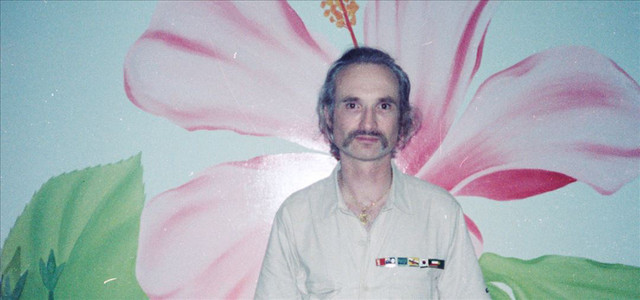
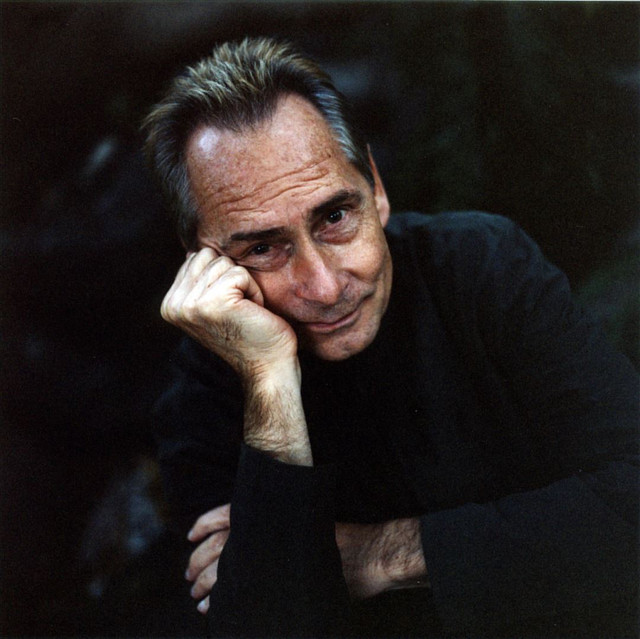
The frontman of the influential new wave-era band <a href="spotify:artist:7Fo8TAyGJr4VmhE68QamMf">Talk Talk</a>, singer/songwriter Mark Hollis finally mounted his long-awaited solo career during the late '90s. The younger brother of Ed Hollis, a disc jockey and producer who went on to manage bands such as <a href="spotify:artist:70e4IgnWAQfPPxKnD9jXDr">Eddie & the Hot Rods</a>, Hollis originally planned to become a child psychologist but in 1975 left university to relocate to London, eventually forming a band called the Reaction. In 1977, the Reaction recorded a demo for <a href="spotify:search:label%3A%22Island+Records%22">Island Records</a>; among the tracks was a Hollis original titled "Talk Talk" that later surfaced on the Beggars Banquet punk compilation Streets. After just one single, 1978's "I Can't Resist," the Reaction disbanded, and through his brother, Hollis was first introduced to musicians Paul Webb, Lee Harris, and Simon Brenner, with whom he formed <a href="spotify:artist:7Fo8TAyGJr4VmhE68QamMf">Talk Talk</a> in 1981; they soon signed to the <a href="spotify:search:label%3A%22EMI%22">EMI</a> label.
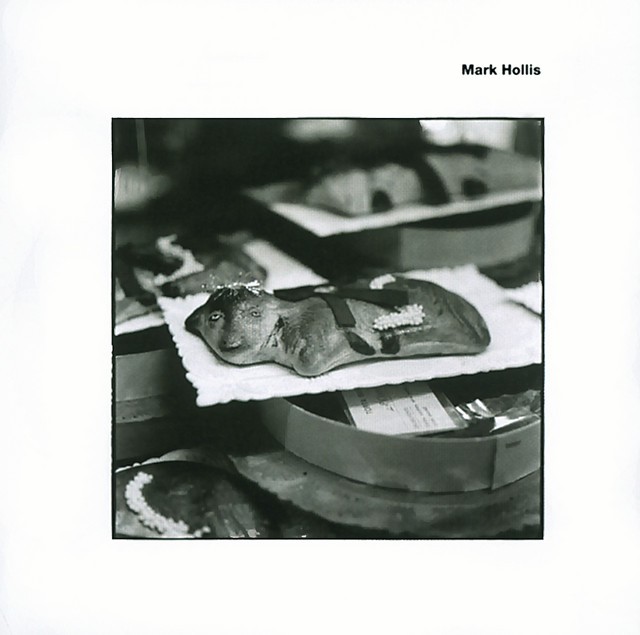
With their 1982 debut The Party's Over, <a href="spotify:artist:7Fo8TAyGJr4VmhE68QamMf">Talk Talk</a> emerged as an archetype of new wave ideals, but with each successive record their sound grew more atmospheric and complex, moving further away from conventional pop structure. Records like 1986's The Colour of Spring and 1988's brilliant Spirit of Eden increasingly represented the vision of Hollis and producer <a href="spotify:artist:7Dx9xrykZrUZd5aemucBMi">Tim Friese-Green</a>, who together steered away from the electronic pop of <a href="spotify:artist:7Fo8TAyGJr4VmhE68QamMf">Talk Talk</a>'s early work toward a more organic, often acoustic sound textured by elements of jazz and ambient music. Despite lavish critical praise, relations with <a href="spotify:search:label%3A%22EMI%22">EMI</a> disintegrated; personality conflicts within <a href="spotify:artist:7Fo8TAyGJr4VmhE68QamMf">Talk Talk</a>'s ranks were growing as well, and after completing 1991's Laughing Stock, the group was essentially finished. Hollis then disappeared from sight for the next seven years; finally, in early 1998, he issued a self-titled solo album, a beautiful continuation of the final <a href="spotify:artist:7Fo8TAyGJr4VmhE68QamMf">Talk Talk</a> records. However, Hollis then retired from music and was little heard from after that. Hollis wrote several instrumental themes for the 2010 film Peacock, but the material went unused; one of the pieces, "ARB Section One," surfaced in 2012 on an episode of the cable TV drama Boss. It was the last music from Hollis that would appear in his lifetime; he died on February 25, 2019 at the age of 64. ~ Jason Ankeny, Rovi
With their 1982 debut The Party's Over, <a href="spotify:artist:7Fo8TAyGJr4VmhE68QamMf">Talk Talk</a> emerged as an archetype of new wave ideals, but with each successive record their sound grew more atmospheric and complex, moving further away from conventional pop structure. Records like 1986's The Colour of Spring and 1988's brilliant Spirit of Eden increasingly represented the vision of Hollis and producer <a href="spotify:artist:7Dx9xrykZrUZd5aemucBMi">Tim Friese-Green</a>, who together steered away from the electronic pop of <a href="spotify:artist:7Fo8TAyGJr4VmhE68QamMf">Talk Talk</a>'s early work toward a more organic, often acoustic sound textured by elements of jazz and ambient music. Despite lavish critical praise, relations with <a href="spotify:search:label%3A%22EMI%22">EMI</a> disintegrated; personality conflicts within <a href="spotify:artist:7Fo8TAyGJr4VmhE68QamMf">Talk Talk</a>'s ranks were growing as well, and after completing 1991's Laughing Stock, the group was essentially finished. Hollis then disappeared from sight for the next seven years; finally, in early 1998, he issued a self-titled solo album, a beautiful continuation of the final <a href="spotify:artist:7Fo8TAyGJr4VmhE68QamMf">Talk Talk</a> records. However, Hollis then retired from music and was little heard from after that. Hollis wrote several instrumental themes for the 2010 film Peacock, but the material went unused; one of the pieces, "ARB Section One," surfaced in 2012 on an episode of the cable TV drama Boss. It was the last music from Hollis that would appear in his lifetime; he died on February 25, 2019 at the age of 64. ~ Jason Ankeny, Rovi
Monthly Listeners
36,776
Monthly Listeners History
Track the evolution of monthly listeners over the last 28 days.
Followers
35,766
Followers History
Track the evolution of followers over the last 28 days.
Top Cities




Related Artists

Rustin Man