Genre
anime
Top Anime Artists
Showing 25 of 2,915 artists




10

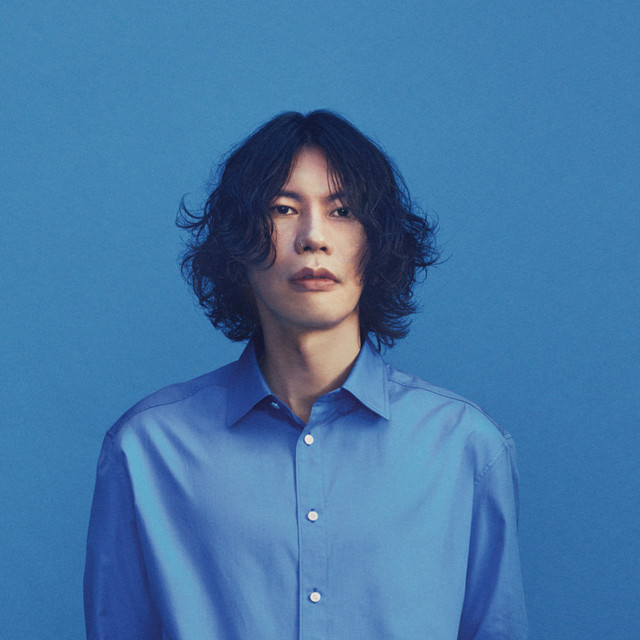
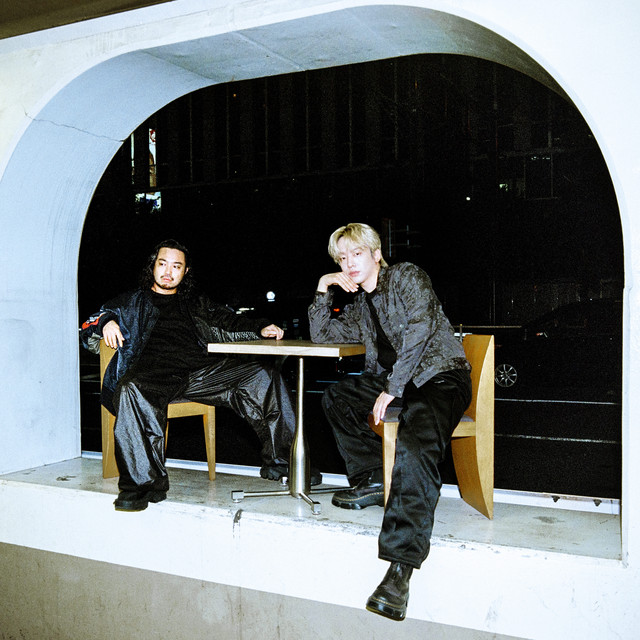
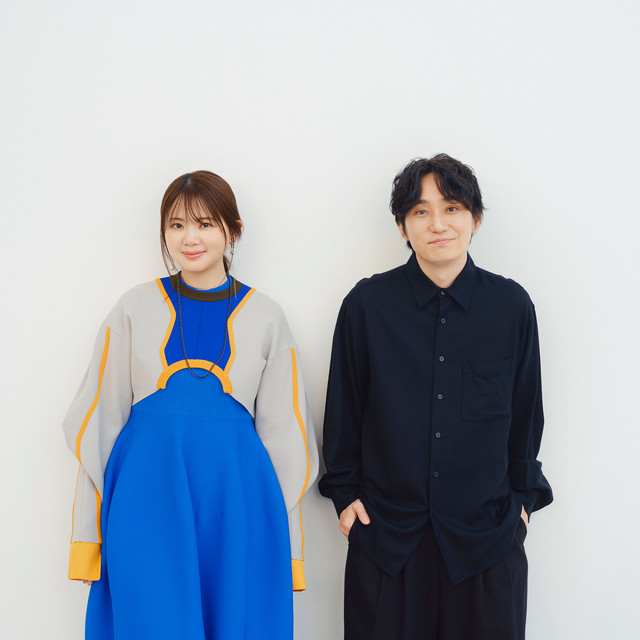
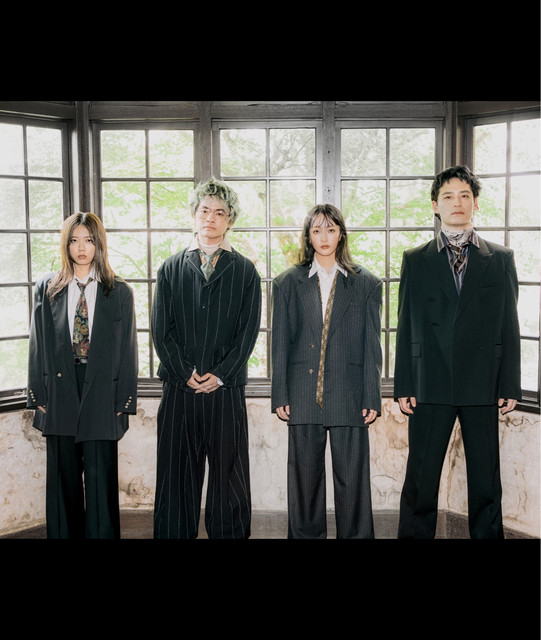
ヨルシカ
Japan
3.7 million
5.3 million listeners




About Anime
Anime music, often referred to as anisong, is not a single fixed genre but a vibrant ecosystem of songs written for and inspired by Japanese animation. It blends J-pop’s catchy immediacy, J-rock’s grit, orchestral scores, and electronic textures to accompany anime storytelling—from high-octane battles to quiet, character-driven moments. For fans, these songs serve as openings and endings that frame a series, as performances by voice actors, and as independent tracks that can dominate streaming playlists and radio charts.
Origins trace back to the early days of TV anime in the 1960s and 70s, when shows began pairing memorable themes with beloved characters. As anime gained mass appeal in the 1980s and 1990s—through landmark franchises like Gundam, Dragon Ball, and Macross—the openings and endings became a recognizable facet of the viewing experience. The scene matured with prolific singers and composers who specialized in anime music, and later with dedicated labels and agencies that built catalogs of anisong artists. The musical identity of a series could become as iconic as its visuals, sometimes helping a song cross over into mainstream pop.
Key artists and ambassadors illustrate the spectrum of the field. Veteran performers such as Ichirō Mizuki helped define classic anisong, while contemporary powerhouses like LiSA, Maaya Sakamoto, May’n, and Yui carry the torch today. Composers such as Yoko Kanno and Hiroyuki Sawano expanded the palette to cinematic scales, blending orchestral ambition with modern electronics for scores that feel operatic and urgent at once. LiSA’s global breakout with “Gurenge,” the opening for Demon Slayer, and May’n’s “Diamond Crevasse” from Macross Frontier are touchstones for fans who trace the evolution of the genre. The anisong ecosystem is supported by labels like Lantis, FlyingDog, and King Records, which curate rosters of singers, vocalists, and composers who specialize in anime music and its cross-media ambitions.
Musically, anisong runs a broad gamut. You’ll hear adrenaline-charged pop anthems built for adrenaline-fueled montages, tender ballads that underscore emotional turns, and synth-driven tracks that evoke futuristic or fantastical worlds. The opening track often carries the series’ energy and themes, while endings can provide reflective or bittersweet counterpoints. The music is designed to enhance storytelling, becoming a character in its own right and a memorable entry point for new fans. Live anisong events—dedicated concerts and festival tours—have helped turn the scene into a global community, with performances that bring together fans from across generations.
Geographically, Japan remains the heart of anisong, where anime and its music are deeply woven into popular culture. Outside Japan, anisong has cultivated passionate followings in the United States, France, Italy, Spain, Germany, and across Southeast Asia, as well as in Latin America and the Philippines. Fans attend concerts, participate in conventions, and stream playlists that celebrate both classic anison era tracks and cutting-edge collaborations.
For enthusiasts, anisong offers a gateway to a worldwide subculture: concert experiences that feel cinematic, soundtracks that function as memory and anthem, and a continuously evolving collaboration between composers, vocalists, and animation creators. If you love anime, you’ll likely find a resonant bridge in anisong—where music and motion together create enduring, singable moments.
Origins trace back to the early days of TV anime in the 1960s and 70s, when shows began pairing memorable themes with beloved characters. As anime gained mass appeal in the 1980s and 1990s—through landmark franchises like Gundam, Dragon Ball, and Macross—the openings and endings became a recognizable facet of the viewing experience. The scene matured with prolific singers and composers who specialized in anime music, and later with dedicated labels and agencies that built catalogs of anisong artists. The musical identity of a series could become as iconic as its visuals, sometimes helping a song cross over into mainstream pop.
Key artists and ambassadors illustrate the spectrum of the field. Veteran performers such as Ichirō Mizuki helped define classic anisong, while contemporary powerhouses like LiSA, Maaya Sakamoto, May’n, and Yui carry the torch today. Composers such as Yoko Kanno and Hiroyuki Sawano expanded the palette to cinematic scales, blending orchestral ambition with modern electronics for scores that feel operatic and urgent at once. LiSA’s global breakout with “Gurenge,” the opening for Demon Slayer, and May’n’s “Diamond Crevasse” from Macross Frontier are touchstones for fans who trace the evolution of the genre. The anisong ecosystem is supported by labels like Lantis, FlyingDog, and King Records, which curate rosters of singers, vocalists, and composers who specialize in anime music and its cross-media ambitions.
Musically, anisong runs a broad gamut. You’ll hear adrenaline-charged pop anthems built for adrenaline-fueled montages, tender ballads that underscore emotional turns, and synth-driven tracks that evoke futuristic or fantastical worlds. The opening track often carries the series’ energy and themes, while endings can provide reflective or bittersweet counterpoints. The music is designed to enhance storytelling, becoming a character in its own right and a memorable entry point for new fans. Live anisong events—dedicated concerts and festival tours—have helped turn the scene into a global community, with performances that bring together fans from across generations.
Geographically, Japan remains the heart of anisong, where anime and its music are deeply woven into popular culture. Outside Japan, anisong has cultivated passionate followings in the United States, France, Italy, Spain, Germany, and across Southeast Asia, as well as in Latin America and the Philippines. Fans attend concerts, participate in conventions, and stream playlists that celebrate both classic anison era tracks and cutting-edge collaborations.
For enthusiasts, anisong offers a gateway to a worldwide subculture: concert experiences that feel cinematic, soundtracks that function as memory and anthem, and a continuously evolving collaboration between composers, vocalists, and animation creators. If you love anime, you’ll likely find a resonant bridge in anisong—where music and motion together create enduring, singable moments.