Data may be outdated
Last updated: 9 months ago — Click refresh to get the latest statistics.
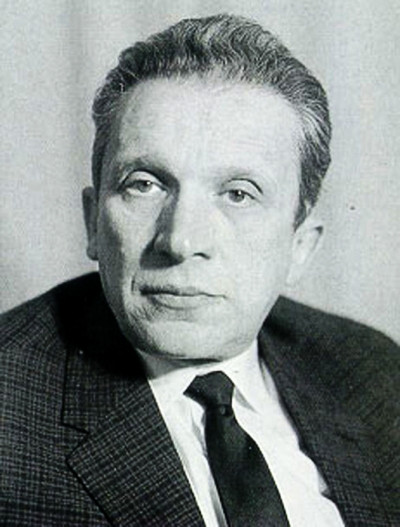
The work of Polish-born Soviet composer Mieczyslaw Weinberg (also transliterated as Moisey Vainberg) was once one of the best-kept secrets of 20th century Russian music. His style is Romantic at its core, but makes use of a highly expanded tonal palette combined with vibrant instrument coloring. After Weinberg's death, Russian recordings of his music started trickling into the West, and more and more artists began discovering it anew. His never-mediocre symphonies have struck a responsive chord among many enthusiasts of mainstream orchestral literature, in particular those listeners already favorably disposed toward the music of <a href="spotify:artist:6s1pCNXcbdtQJlsnM1hRIA">Shostakovich</a>.
Weinberg was born in a Warsaw ghetto to a family of itinerant Jewish theatrical performers. He made his debut as a pianist at the age of ten, and he was studying at the Warsaw Conservatory by the time he was 12. With the outbreak of war in 1939, Weinberg fled to Minsk, enrolling in the conservatory and studying with Vasily Zolotaryov. In 1943, he sent the score of his first symphony to <a href="spotify:artist:6s1pCNXcbdtQJlsnM1hRIA">Dmitry Shostakovich</a>, who was impressed and arranged for Weinberg to be invited to Moscow under official approval. This was the beginning of their long friendship and of Weinberg's career as a Soviet composer.
Weinberg was the only member of his immediate family to survive the Nazi Holocaust. His father-in-law was executed as an enemy of the state in 1948, just as Weinberg attracted the ire of Soviet authorities through his opposition to Andrei Zhdanov's attack on formalism during the Soviet Composers Union Congress. In early 1953, Weinberg was detained during the so-called "Doctor's Plot" and readied for execution. <a href="spotify:artist:6s1pCNXcbdtQJlsnM1hRIA">Shostakovich</a> intervened on Weinberg's behalf with Lavrentiy Beria, head of the NKVD (People's Commissariat for Internal Affairs), but the death of Stalin on March 5, 1953, earned Weinberg his freedom. For the rest of the 1950s, he kept his profile low, but his work continued and ultimately found favor with performers such as pianist <a href="spotify:artist:21h8E3aA7a9mjcUHbLpjxf">Emil Gilels</a> and conductor <a href="spotify:artist:4cIRgxH6tNb73qtbQ0LuV9">Kurt Sanderling</a>.
In 1962, <a href="spotify:artist:1nBRaXFNbBFqcFNeB1AMg2">Kiril Kondrashin</a> took up the cause of Weinberg's Symphony No. 5; the Symphony No. 6 for boys' chorus and orchestra Op. 79 (1963) helped establish the composer's reputation within Russia and remains his best-known work. Weinberg's own judgment was that the opera Passazhirka (The Passenger), Op. 97 (1968) was the most significant of his compositions. His sizeable and impressive output runs to 156 opus numbers and includes ten operas, three ballets, 25 symphonies, 17 string quartets, many choral works, and music for more than 60 motion pictures. Weinberg composed even while illness kept him house-bound in the last years of his life. He converted to Christianity shortly before his death in 1996. ~ Uncle Dave Lewis, Rovi
Weinberg was born in a Warsaw ghetto to a family of itinerant Jewish theatrical performers. He made his debut as a pianist at the age of ten, and he was studying at the Warsaw Conservatory by the time he was 12. With the outbreak of war in 1939, Weinberg fled to Minsk, enrolling in the conservatory and studying with Vasily Zolotaryov. In 1943, he sent the score of his first symphony to <a href="spotify:artist:6s1pCNXcbdtQJlsnM1hRIA">Dmitry Shostakovich</a>, who was impressed and arranged for Weinberg to be invited to Moscow under official approval. This was the beginning of their long friendship and of Weinberg's career as a Soviet composer.
Weinberg was the only member of his immediate family to survive the Nazi Holocaust. His father-in-law was executed as an enemy of the state in 1948, just as Weinberg attracted the ire of Soviet authorities through his opposition to Andrei Zhdanov's attack on formalism during the Soviet Composers Union Congress. In early 1953, Weinberg was detained during the so-called "Doctor's Plot" and readied for execution. <a href="spotify:artist:6s1pCNXcbdtQJlsnM1hRIA">Shostakovich</a> intervened on Weinberg's behalf with Lavrentiy Beria, head of the NKVD (People's Commissariat for Internal Affairs), but the death of Stalin on March 5, 1953, earned Weinberg his freedom. For the rest of the 1950s, he kept his profile low, but his work continued and ultimately found favor with performers such as pianist <a href="spotify:artist:21h8E3aA7a9mjcUHbLpjxf">Emil Gilels</a> and conductor <a href="spotify:artist:4cIRgxH6tNb73qtbQ0LuV9">Kurt Sanderling</a>.
In 1962, <a href="spotify:artist:1nBRaXFNbBFqcFNeB1AMg2">Kiril Kondrashin</a> took up the cause of Weinberg's Symphony No. 5; the Symphony No. 6 for boys' chorus and orchestra Op. 79 (1963) helped establish the composer's reputation within Russia and remains his best-known work. Weinberg's own judgment was that the opera Passazhirka (The Passenger), Op. 97 (1968) was the most significant of his compositions. His sizeable and impressive output runs to 156 opus numbers and includes ten operas, three ballets, 25 symphonies, 17 string quartets, many choral works, and music for more than 60 motion pictures. Weinberg composed even while illness kept him house-bound in the last years of his life. He converted to Christianity shortly before his death in 1996. ~ Uncle Dave Lewis, Rovi
Monthly Listeners
23,958
Monthly Listeners History
Track the evolution of monthly listeners over the last 28 days.
Followers
7,871
Followers History
Track the evolution of followers over the last 28 days.
Top Cities





Related Artists
Andrei Pushkarev
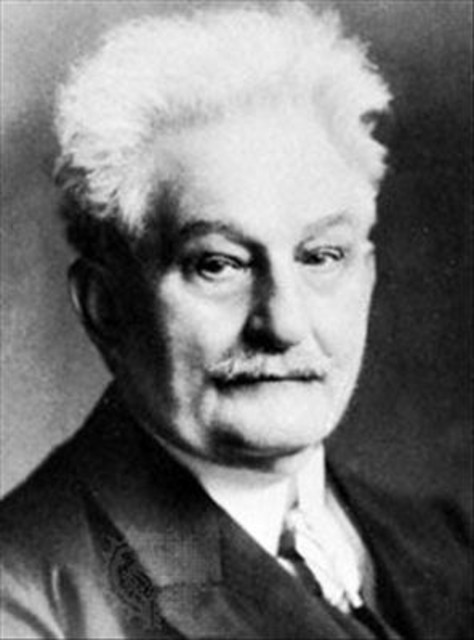


WDR Sinfonieorchester
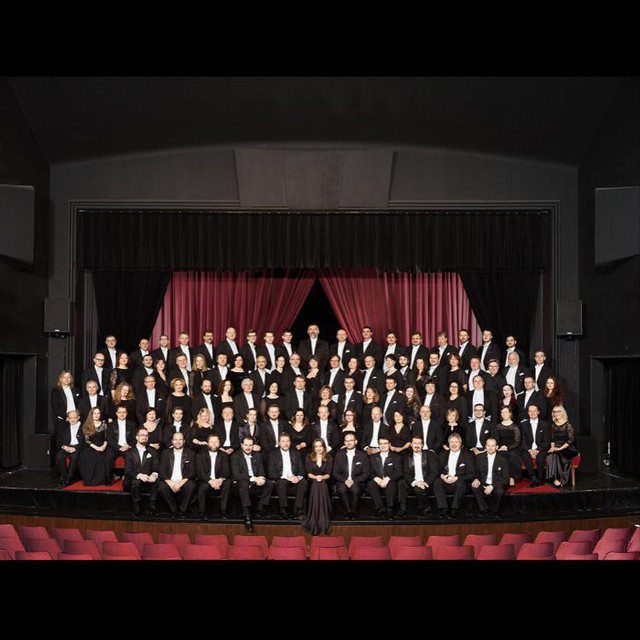
Janáček Philharmonic Orchestra
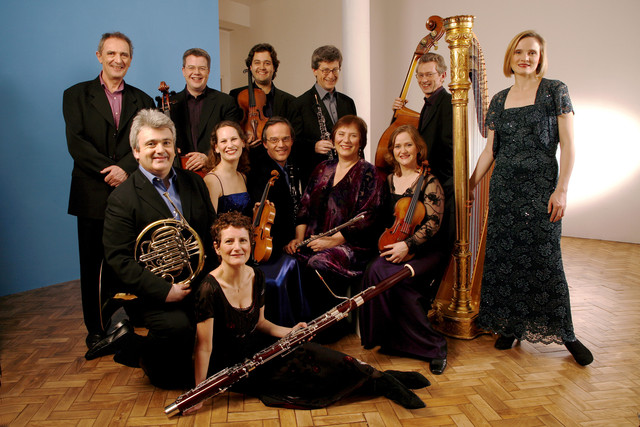
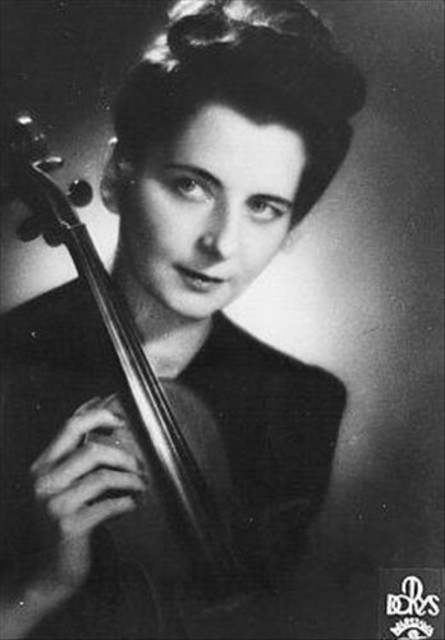

Mikalojus Konstantinas Čiurlionis


Christopher Ward

Jean-Pierre Armengaud

Yuval Gotlibovich

Radoslaw Pallarz