Data may be outdated
Last updated: 9 months ago — Click refresh to get the latest statistics.
Born into one of the first families of American folk music, it was probably inevitable that Mike Seeger would become a musician and folklorist. His father and mother, Charles and Ruth Crawford Seeger, assisted John and <a href="spotify:artist:1u8YzEYh6gvvFog95WtAao">Alan Lomax</a> at the Archive of Folk Song in the Library of Congress. Mike's half-brother, <a href="spotify:artist:1P9syEkl41IFowWIJN7ZBY">Pete Seeger</a>, performed in both <a href="spotify:artist:6FJhtg2UjgNZk9e8tf6Zew">the Almanac Singers</a> and <a href="spotify:artist:4E5eAkpbJLO40r8fWNWm6X">the Weavers</a>, while his sister <a href="spotify:artist:0gXQn7UrpopDb2TIkmIjoU">Peggy Seeger</a> was highly regarded in traditional music circles. There was little surprise, then, when Mike Seeger, at the age of 25, joined <a href="spotify:artist:1uJaXjjAObKF2aK7CJTtDx">Tom Paley</a> and <a href="spotify:artist:4U2o01NctxOlSFeJrC1xBA">John Cohen</a> to form <a href="spotify:artist:4fqd1tgX1D2YESwxzr2cvd">the New Lost City Ramblers</a>.
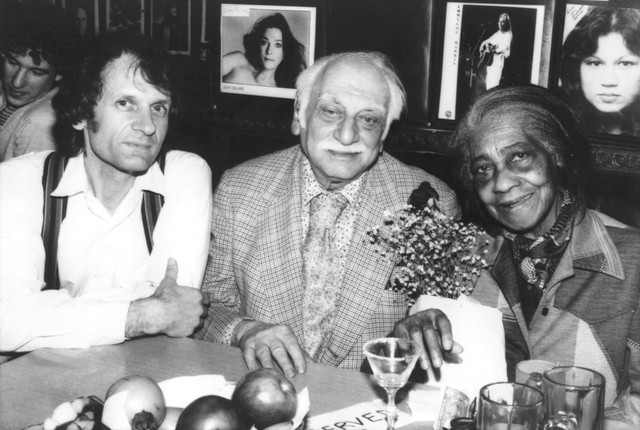
It is perhaps ironic that a traditional performer like Seeger was born in New York City to a middle-class family. Born on August 15, 1933, he began playing the autoharp at the age of 12. Soon, he also began playing the banjo, fiddle, dulcimer, mouth harp, mandolin, and dobro. His parents brought music home from the Library of Congress. "They started letting me play field recordings when I was six or seven," Seeger told Dirty Linen. "These were aluminum records that you played with cactus needles." He was also influenced by the African-American singer/guitarist Elizabeth Cotton, who lived in the Seeger home for five years.
In the early '50s, Seeger began to conduct his own field recordings and perform at square dances in the Washington, D.C., area with his sister <a href="spotify:artist:0gXQn7UrpopDb2TIkmIjoU">Peggy</a>. Because he was a conscientious objector, he was assigned work in a hospital, and during this time formed a band with <a href="spotify:artist:2IEiSF4inDSwzQowcQjdfT">Hazel Dickens</a> and <a href="spotify:artist:0z1Gjub5fw5iQv9zIFUymP">Bob Baker</a>. In 1958, he helped form <a href="spotify:artist:4fqd1tgX1D2YESwxzr2cvd">the New Lost City Ramblers</a>, a band that specialized in performing string band music from the 1920s and 1930s. While the band never gained the exposure of folk revival bands like <a href="spotify:artist:3qtcbDvdIgQOXkPbtRvBaQ">the Kingston Trio</a>, the group's commitment to accurately reproducing traditional music proved significant. "<a href="spotify:artist:4fqd1tgX1D2YESwxzr2cvd">The Ramblers</a>' influence on generations of young musicians who have followed in their footsteps," wrote Randy Pitts in Music Hound Folk, "is incalculable."
In 1962, when <a href="spotify:artist:0l3diHv1z3360yRMKuC11D">Tracy Schwarz</a> replaced <a href="spotify:artist:1uJaXjjAObKF2aK7CJTtDx">Paley</a> in the Ramblers, Seeger became involved in a number of solo projects. He recorded Mike Seeger for Vanguard in 1964 and Tipple, Loom & Rail: Songs of the Industrialization of the South for Folkways in 1965. In the late '60s, Seeger, <a href="spotify:artist:2IEiSF4inDSwzQowcQjdfT">Dickens</a>, <a href="spotify:artist:3jw7tGSvkcf3nb1LWNnguT">Alice Gerrard</a>, and Lamar Grier formed <a href="spotify:artist:21MpV15TSKEVJBhAGU0OKq">the Strange Creek Singers</a> (Arhoolie released Strange Creek Singers: Get Acquainted Waltz in 1975, reissued in 1997). He also became involved in the Newport Folk Festival and, in 1970, became the director of the Smithsonian Folklife Company. In 1970, he married <a href="spotify:artist:3jw7tGSvkcf3nb1LWNnguT">Gerrard</a>, though they later divorced.
Seeger continued to involve himself in a multitude of projects. Beginning in the 1970s, he recorded a string of albums for Rounder, and he continued to compile scholarly projects such as Southern Banjo Sounds (1998) and True Vine (2003) -- both for Smithsonian Folkways. He was nominated for three Grammys, won a Guggenheim Fellowship in 1984, received the Rex Foundation's Ralph Gleason Award in 1995, and an Award of Merit from the International Bluegrass Music Association (IBMA) the same year. "I feel there's just as much fun in old-time music as there's ever been," Seeger told Dirty Linen in 1997. "People ask me, don't you get tired of it? And some people do, but I think I could have three more lifetimes and not get tired of it." Seeger's 2007 album Early Southern Guitar Sounds was released on Smithsonian Folkways. ~ Ronnie D. Lankford, Jr., Rovi
It is perhaps ironic that a traditional performer like Seeger was born in New York City to a middle-class family. Born on August 15, 1933, he began playing the autoharp at the age of 12. Soon, he also began playing the banjo, fiddle, dulcimer, mouth harp, mandolin, and dobro. His parents brought music home from the Library of Congress. "They started letting me play field recordings when I was six or seven," Seeger told Dirty Linen. "These were aluminum records that you played with cactus needles." He was also influenced by the African-American singer/guitarist Elizabeth Cotton, who lived in the Seeger home for five years.
In the early '50s, Seeger began to conduct his own field recordings and perform at square dances in the Washington, D.C., area with his sister <a href="spotify:artist:0gXQn7UrpopDb2TIkmIjoU">Peggy</a>. Because he was a conscientious objector, he was assigned work in a hospital, and during this time formed a band with <a href="spotify:artist:2IEiSF4inDSwzQowcQjdfT">Hazel Dickens</a> and <a href="spotify:artist:0z1Gjub5fw5iQv9zIFUymP">Bob Baker</a>. In 1958, he helped form <a href="spotify:artist:4fqd1tgX1D2YESwxzr2cvd">the New Lost City Ramblers</a>, a band that specialized in performing string band music from the 1920s and 1930s. While the band never gained the exposure of folk revival bands like <a href="spotify:artist:3qtcbDvdIgQOXkPbtRvBaQ">the Kingston Trio</a>, the group's commitment to accurately reproducing traditional music proved significant. "<a href="spotify:artist:4fqd1tgX1D2YESwxzr2cvd">The Ramblers</a>' influence on generations of young musicians who have followed in their footsteps," wrote Randy Pitts in Music Hound Folk, "is incalculable."
In 1962, when <a href="spotify:artist:0l3diHv1z3360yRMKuC11D">Tracy Schwarz</a> replaced <a href="spotify:artist:1uJaXjjAObKF2aK7CJTtDx">Paley</a> in the Ramblers, Seeger became involved in a number of solo projects. He recorded Mike Seeger for Vanguard in 1964 and Tipple, Loom & Rail: Songs of the Industrialization of the South for Folkways in 1965. In the late '60s, Seeger, <a href="spotify:artist:2IEiSF4inDSwzQowcQjdfT">Dickens</a>, <a href="spotify:artist:3jw7tGSvkcf3nb1LWNnguT">Alice Gerrard</a>, and Lamar Grier formed <a href="spotify:artist:21MpV15TSKEVJBhAGU0OKq">the Strange Creek Singers</a> (Arhoolie released Strange Creek Singers: Get Acquainted Waltz in 1975, reissued in 1997). He also became involved in the Newport Folk Festival and, in 1970, became the director of the Smithsonian Folklife Company. In 1970, he married <a href="spotify:artist:3jw7tGSvkcf3nb1LWNnguT">Gerrard</a>, though they later divorced.
Seeger continued to involve himself in a multitude of projects. Beginning in the 1970s, he recorded a string of albums for Rounder, and he continued to compile scholarly projects such as Southern Banjo Sounds (1998) and True Vine (2003) -- both for Smithsonian Folkways. He was nominated for three Grammys, won a Guggenheim Fellowship in 1984, received the Rex Foundation's Ralph Gleason Award in 1995, and an Award of Merit from the International Bluegrass Music Association (IBMA) the same year. "I feel there's just as much fun in old-time music as there's ever been," Seeger told Dirty Linen in 1997. "People ask me, don't you get tired of it? And some people do, but I think I could have three more lifetimes and not get tired of it." Seeger's 2007 album Early Southern Guitar Sounds was released on Smithsonian Folkways. ~ Ronnie D. Lankford, Jr., Rovi
Monthly Listeners
6,014
Monthly Listeners History
Track the evolution of monthly listeners over the last 28 days.
Followers
3,629
Followers History
Track the evolution of followers over the last 28 days.
Top Cities
96 listeners

96 listeners

86 listeners
79 listeners
76 listeners
Related Artists


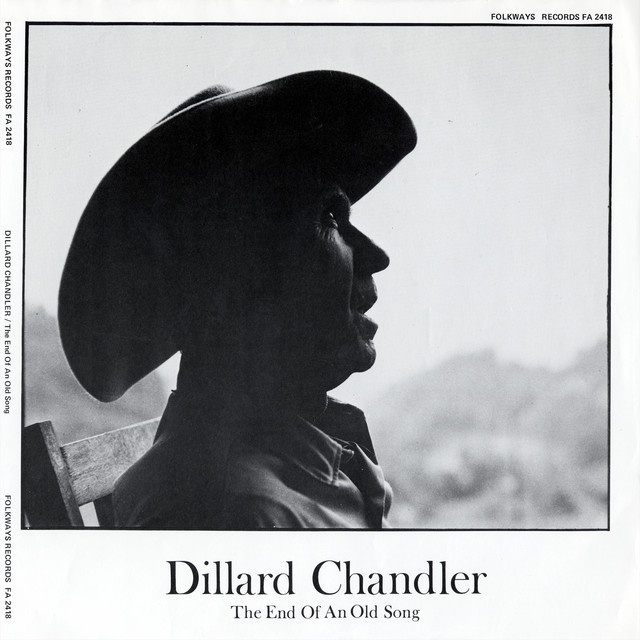
Dillard Chandler
Erik Darling
Wade Ward
George Pegram

Doc Watson Family
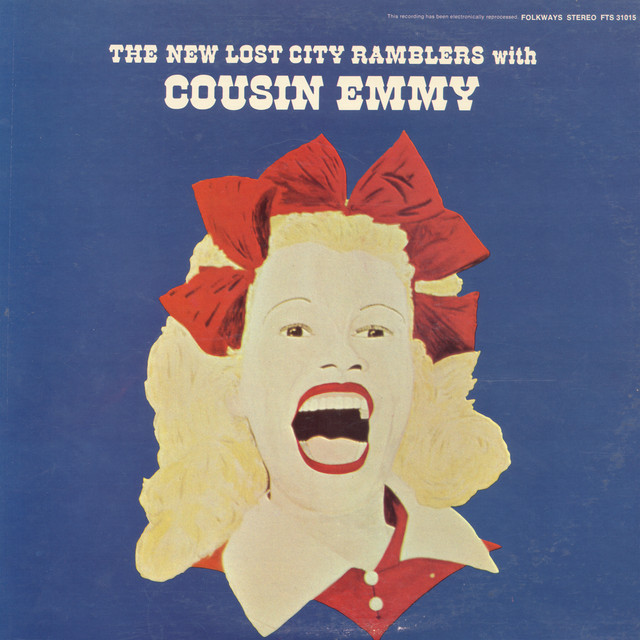

Buell Kazee
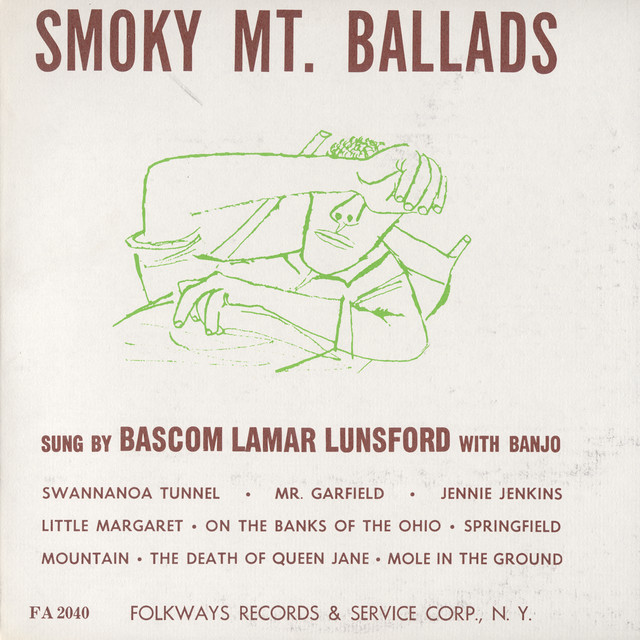


Estil Ball

John Cohen

The New Golden Ring

Horton Barker
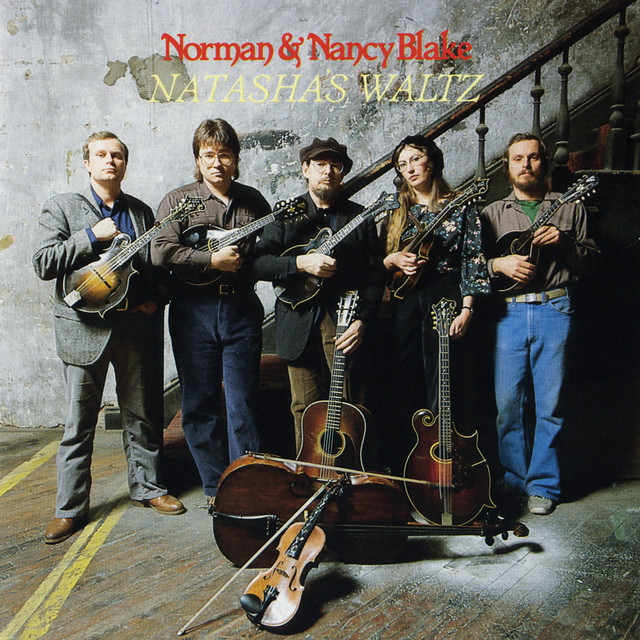
Nancy Blake

Tracy Schwarz


Clark Jones

Rick Lee
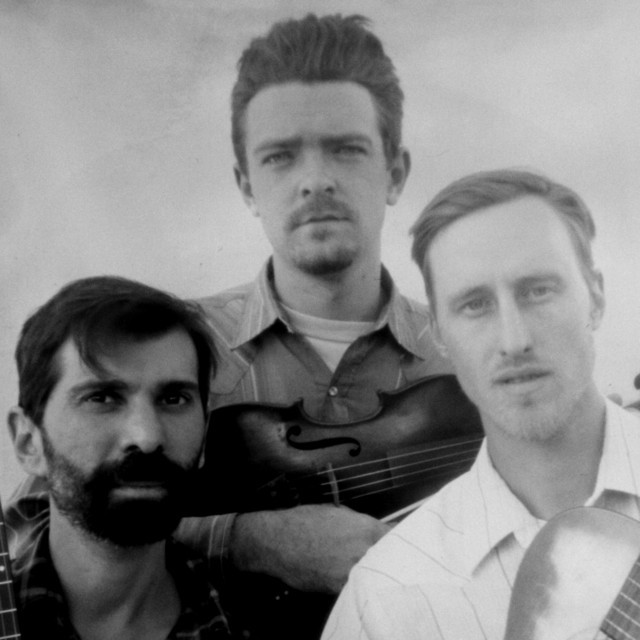
The Down Hill Strugglers
The Leake County Revelers

Ed Haley

The Seeger Family

Eric Darling
The Red Clay Ramblers

The Phipps Family


Burl Kilby

Jeff Davis

Highwoods String Band
Frank Hamilton