Data may be outdated
Last updated: 9 months ago — Click refresh to get the latest statistics.
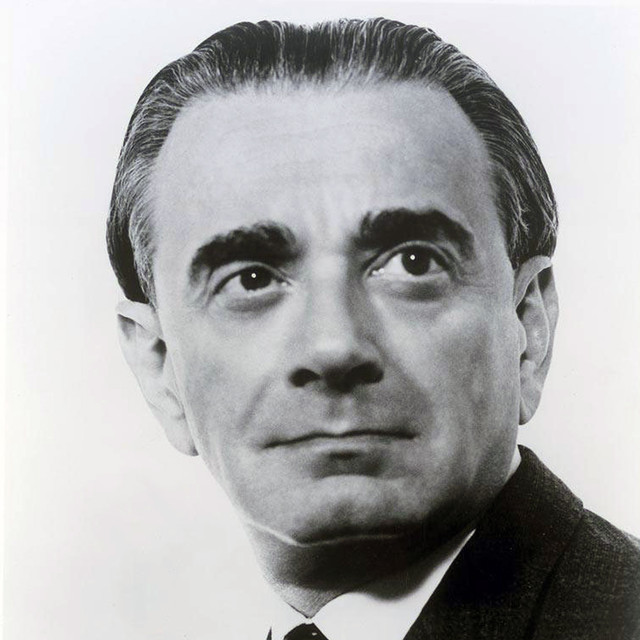
Miklos Rozsa already had a promising career as a composer in the concert hall when he started writing movie scores in the mid-1930s. By the end of that decade, he was working on the most expensive movie being made in England, and by the end of the decade that followed, he was under contract to the biggest studio in Hollywood.
Born into a well-to-do family in Budapest, Rozsa's musical sensibilities were shaped by his contact with the Magyar peasants who lived around his father's summer estate. As a boy he could read music before he could read words, and proved a natural musician, taking up the violin at age six. His earliest influences as a student were <a href="spotify:artist:5zyNXVd952fWOjkdGHCvPd">Béla Bartók</a> and <a href="spotify:artist:7MjAFDEchgyC28I0asclTE">Zoltán Kodály</a>, who were regarded as dangerous radicals at the time. After studying at the Leipzig Conservatory, Rozsa embarked on a career as a composer and saw early success with his Variations On a Hungarian Peasant Song and his Theme, Variations and Finale -- the latter entered the repertory of several major conductors, including <a href="spotify:artist:1p4YAX8Nh6LiW3uPd49oAR">Bruno Walter</a>, in the mid-1930s, and Rozsa received encouragement in his career from none other than <a href="spotify:artist:6pAwHPeExeUbMd5w7Iny6D">Richard Strauss</a>. He began writing music for films at the inspiration and suggestion of his friend <a href="spotify:artist:0QDRLNPr0wXKeR5ThXZAUp">Arthur Honegger</a> -- Rozsa needed the income, and he liked the idea of writing music that would get performed and recorded quickly. Rozsa established himself as a film composer at London Films, the British studio founded by his fellow Hungarian Alexander Korda, and after impressing Korda with his work on thrillers like Knight Without Armor (1937), the producer chose Rozsa as the composer for his Arabian Nights fantasy film The Thief of Baghdad (1940). The latter proved too ambitious and expensive to finish in England once the war broke out, and the production was moved to Hollywood, and Rozsa with it. He spent the next eight years as a successful freelance composer, winning his first Oscar with his score for Alfred Hitchcock's Spellbound (1945), which broke new ground in movie music with its use of the electronic instrument the theremin (and also yielded a popular piece of light classical music with the Spellbound Concerto). He became known for his ability to score crime movies, particularly the category now known as film noir, psychologically oriented tales of personal and criminal disorder, including The Killers (1946) and The Naked City (1947). In 1948, after winning his second Oscar (for A Double Life), Rozsa joined MGM, then the biggest studio in Hollywood, where he earned a third Oscar (for Ben-Hur (1959)) and a brace of nominations; his music graced some of the biggest movies of the era, including epics like Quo Vadis (1949) and costume adventure yarns such as Ivanhoe (1952), and serious topical dramas like The Red Danube (1949). Rozsa continued writing for the concert hall, although as a post-Romantic composer whose work was rooted in tonality, he found himself out of favor with the critics as early as 1943, when his Theme, Variations and Finale was performed by the <a href="spotify:artist:3gacryguGmpmCvgPGt2CBI">New York Philharmonic</a>. That didn't stop the performances or prevent commissions from coming in; he wrote his Violin Concerto for <a href="spotify:artist:7yaBUcdjmqPP2vIv6F5bFD">Jascha Heifetz</a>, and into the 1960s and 1970s was writing concertos for piano, cello, and viola that were performed and recorded by such soloists as <a href="spotify:artist:0dm9wL4PQ7dmrsiyArDWTt">Leonard Pennario</a> and <a href="spotify:artist:6D7itIGHznFfHx3ZDqCk3j">Janos Starker</a>. Rozsa remained active into the 1980s, composing music for a new generation of filmmakers, including Alain Resnais. At the time of his death in 1995, his concert and film music were in the process of being rediscovered and newly recorded.
Born into a well-to-do family in Budapest, Rozsa's musical sensibilities were shaped by his contact with the Magyar peasants who lived around his father's summer estate. As a boy he could read music before he could read words, and proved a natural musician, taking up the violin at age six. His earliest influences as a student were <a href="spotify:artist:5zyNXVd952fWOjkdGHCvPd">Béla Bartók</a> and <a href="spotify:artist:7MjAFDEchgyC28I0asclTE">Zoltán Kodály</a>, who were regarded as dangerous radicals at the time. After studying at the Leipzig Conservatory, Rozsa embarked on a career as a composer and saw early success with his Variations On a Hungarian Peasant Song and his Theme, Variations and Finale -- the latter entered the repertory of several major conductors, including <a href="spotify:artist:1p4YAX8Nh6LiW3uPd49oAR">Bruno Walter</a>, in the mid-1930s, and Rozsa received encouragement in his career from none other than <a href="spotify:artist:6pAwHPeExeUbMd5w7Iny6D">Richard Strauss</a>. He began writing music for films at the inspiration and suggestion of his friend <a href="spotify:artist:0QDRLNPr0wXKeR5ThXZAUp">Arthur Honegger</a> -- Rozsa needed the income, and he liked the idea of writing music that would get performed and recorded quickly. Rozsa established himself as a film composer at London Films, the British studio founded by his fellow Hungarian Alexander Korda, and after impressing Korda with his work on thrillers like Knight Without Armor (1937), the producer chose Rozsa as the composer for his Arabian Nights fantasy film The Thief of Baghdad (1940). The latter proved too ambitious and expensive to finish in England once the war broke out, and the production was moved to Hollywood, and Rozsa with it. He spent the next eight years as a successful freelance composer, winning his first Oscar with his score for Alfred Hitchcock's Spellbound (1945), which broke new ground in movie music with its use of the electronic instrument the theremin (and also yielded a popular piece of light classical music with the Spellbound Concerto). He became known for his ability to score crime movies, particularly the category now known as film noir, psychologically oriented tales of personal and criminal disorder, including The Killers (1946) and The Naked City (1947). In 1948, after winning his second Oscar (for A Double Life), Rozsa joined MGM, then the biggest studio in Hollywood, where he earned a third Oscar (for Ben-Hur (1959)) and a brace of nominations; his music graced some of the biggest movies of the era, including epics like Quo Vadis (1949) and costume adventure yarns such as Ivanhoe (1952), and serious topical dramas like The Red Danube (1949). Rozsa continued writing for the concert hall, although as a post-Romantic composer whose work was rooted in tonality, he found himself out of favor with the critics as early as 1943, when his Theme, Variations and Finale was performed by the <a href="spotify:artist:3gacryguGmpmCvgPGt2CBI">New York Philharmonic</a>. That didn't stop the performances or prevent commissions from coming in; he wrote his Violin Concerto for <a href="spotify:artist:7yaBUcdjmqPP2vIv6F5bFD">Jascha Heifetz</a>, and into the 1960s and 1970s was writing concertos for piano, cello, and viola that were performed and recorded by such soloists as <a href="spotify:artist:0dm9wL4PQ7dmrsiyArDWTt">Leonard Pennario</a> and <a href="spotify:artist:6D7itIGHznFfHx3ZDqCk3j">Janos Starker</a>. Rozsa remained active into the 1980s, composing music for a new generation of filmmakers, including Alain Resnais. At the time of his death in 1995, his concert and film music were in the process of being rediscovered and newly recorded.
Monthly Listeners
42,841
Monthly Listeners History
Track the evolution of monthly listeners over the last 28 days.
Followers
15,712
Followers History
Track the evolution of followers over the last 28 days.
Top Cities
674 listeners

613 listeners

599 listeners

565 listeners

445 listeners

Related Artists
Jerome Moross
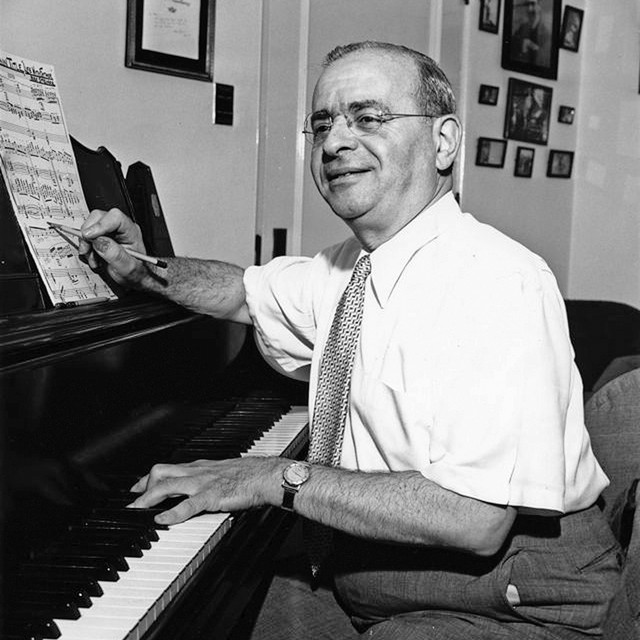

The Rome Symphony Orchestra
Armonias
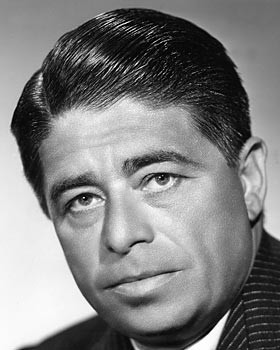

Constantino Martínez Orts
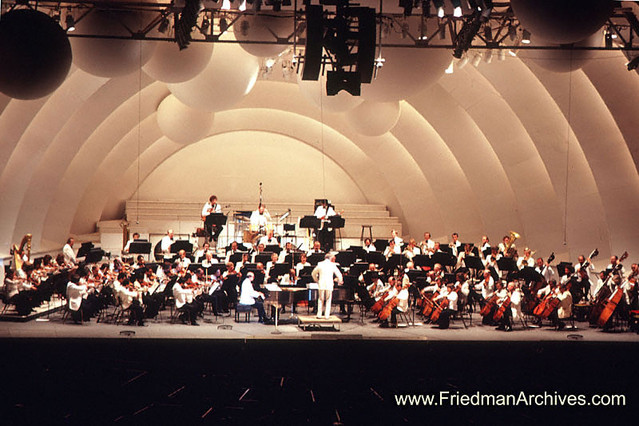
John Morris Russell
Jerry Goldsmith

Sirenas Celestiales
Mario Nascimbene Studio Orchestra

Gottfried Huppertz

Bob Cobert