We are currently migrating our data. We expect the process to take 24 to 48 hours before everything is back to normal.

Last updated: 6 days ago

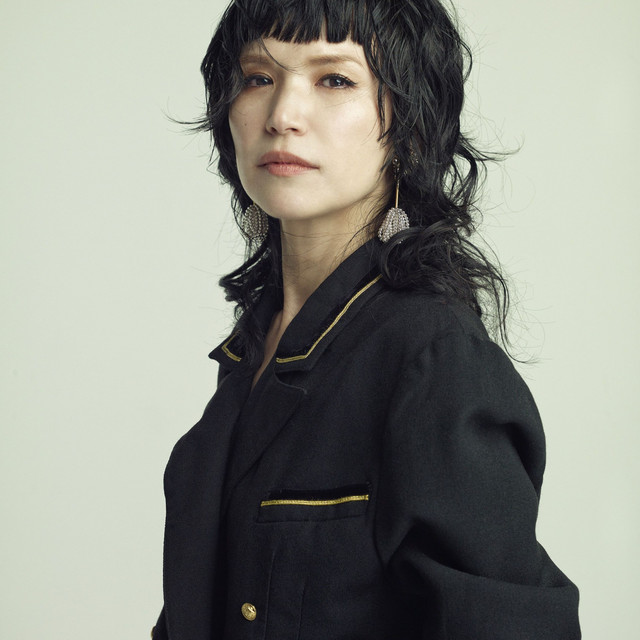
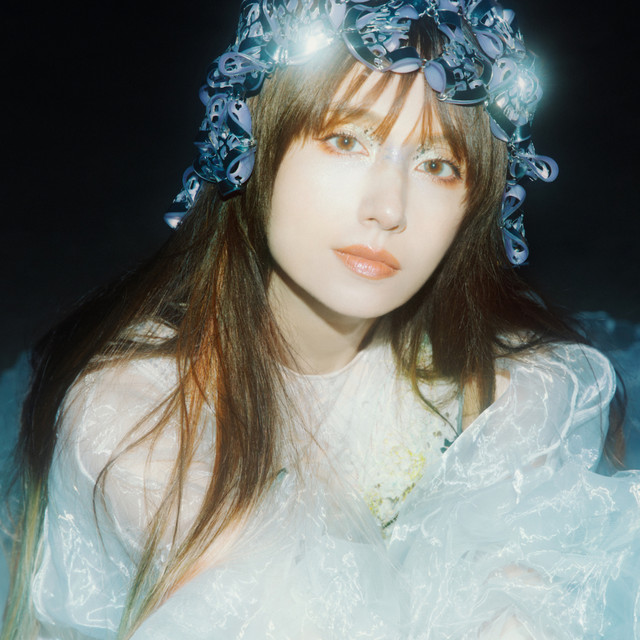
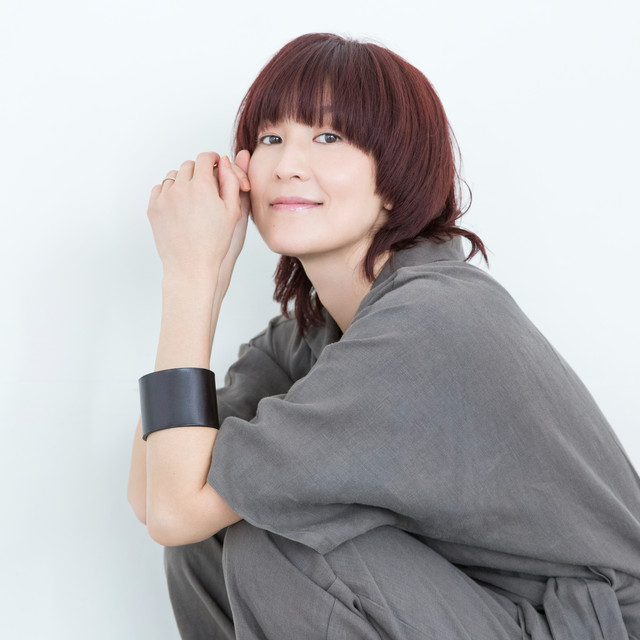
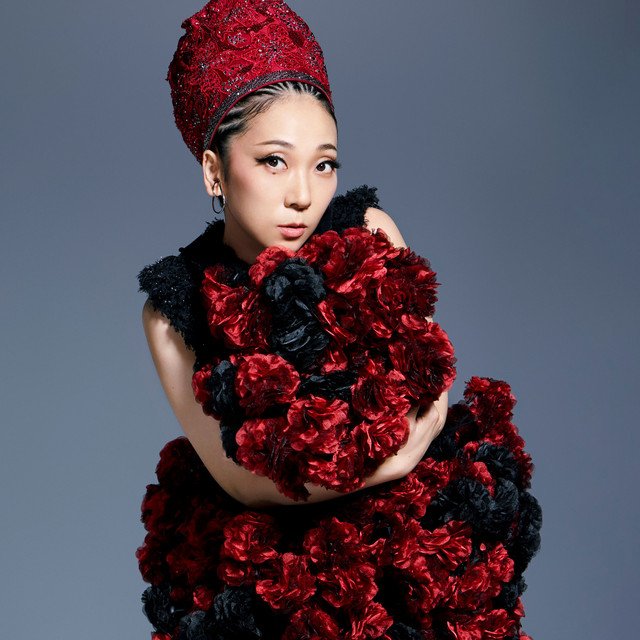
Though Misia's music has elements of blues and soul, she's considered the first Japanese R&B superstar, paving the way for other R&B-based J-pop "divas," such as <a href="spotify:artist:7lbSsjYACZHn1MSDXPxNF2">Hikaru Utada</a> and <a href="spotify:artist:4DevUOKYHHOfBdxfSDz74z">Yuki Koyanagi</a>, with her five-octave voice that is said to be able to produce sounds too high for the human ear to hear. That she achieved this breakthrough without appearing in TV music shows makes it even more impressive, as this is a very rare thing in Japanese showbiz.
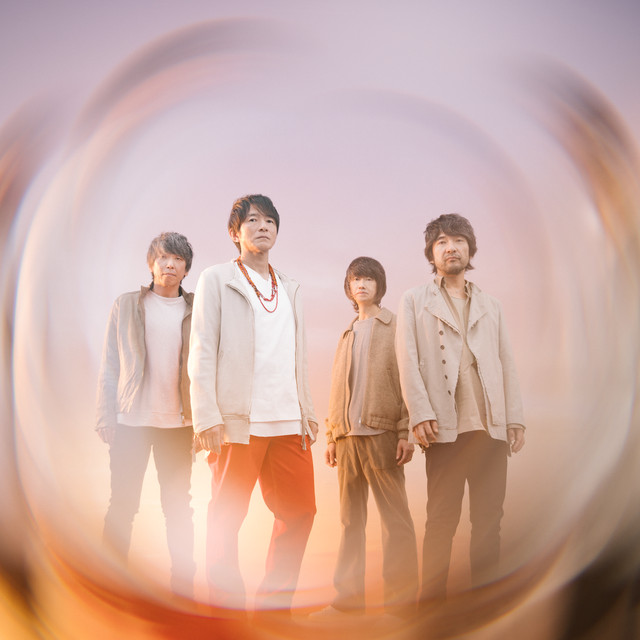

Misia (real name Misaki Ito) was born and raised in a music-loving family in Fukuoka, a city more known for its rock scene, but she developed an interest in R&B and related music in high school, thanks to her African-American vocal teachers. She entered the Seinan Gakuin University in 1997, but the same year she passed an audition of 3,000-plus aspiring performers for the BMG label and dropped her formal education to begin a career in music. Around this time she formed her alias, which is said to be a combination of either Misaki and Asia, or Messiah and Asia. Misia's career took off right from the start: her debut single, "Tsutsumikomu You Ni..." (1998), charted for 27 weeks and sold 400,000 units; her next single, "Hi No Ataru Basho," cracked the Top Ten; and her debut album, Mother Father Brother Sister (1998), spent four weeks on top of the charts and sold over two and a half million copies. That year, Misia won twice at the Japan Gold Disc Awards.

Her next full-length, Love Is the Message (2000), shifted another two million units, and its follow-up, Marvelous (2001), sold over one and a half million, although it was her last million-selling album. Still, Kiss in the Sky (2002), which featured <a href="spotify:artist:3M1HWcYx5ztxCEeVxGdMVe">Tak Matsumoto</a> from <a href="spotify:artist:7i9bNUSGORP5MIgrii3cJc">B'z</a>, went platinum, and in 2001 she was even able to record the single "I Miss You (Toki O Koete)" with <a href="spotify:artist:1dMS02fPNC7ace36g64qPm">Masato Nakamura</a> from her favorite band, <a href="spotify:artist:2mJOGcLR3aCHkM1uAF93or">Dreams Come True</a>. In 2002, she transferred from BMG to the <a href="spotify:search:label%3A%22Avex%22">Avex</a> sublabel <a href="spotify:search:label%3A%22Rhythmedia+Tribe%22">Rhythmedia Tribe</a>, on which she stayed until 2007, recording four albums and a bevy of singles, some of which were used as theme songs in games, movies, and TV dramas; in 2004, she also became the first female solo artist to pull off the high-profile "five domes" tour in Japan. Misia's first full-length after her return to BMG was Eighth World (2008), which became her second album not to go platinum, but still sold 131,000 copies. She also debuted overseas in 2007, playing in Taiwan, and performed a tour in support of Eighth World in Seoul, Singapore, Hong Kong, and Shanghai. Her ninth album, Just Ballade, was released in December 2009. She continued to record prolifically into the 2010s. ~ Alexey Eremenko, Rovi

Monthly Listeners

1.4 million

Followers

2.0 million

Total Streams

419.6 million

Top Cities

102,907 listeners
74,299 listeners
53,749 listeners
30,484 listeners
27,722 listeners

Popular Tracks

497 tracks
1
アイノカタチ

アイノカタチ

Aug 22, 2018

89.0 million

streams

2
Everything

Everything

Jan 1, 2000

48.1 million

streams

3
逢いたくていま

逢いたくていま

Nov 18, 2009

38.5 million

streams

4
つつみ込むように・・・

つつみ込むように・・・

Jan 1, 1998

25.8 million

streams

5
アイノカタチ

アイノカタチ

Jan 22, 2020

15.8 million

streams

6
眠れぬ夜は君のせい

眠れぬ夜は君のせい

Aug 8, 2002

11.3 million

streams

7
Every Wish Deserves a Dream

Every Wish Deserves a Dream

Sep 30, 2022

10.7 million

streams

8
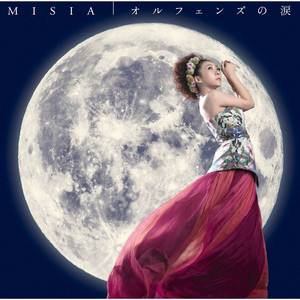
オルフェンズの涙

オルフェンズの涙

Nov 25, 2015

7.8 million

streams

9
果てなく続くストーリー

果てなく続くストーリー

Jan 30, 2002

7.7 million

streams

10
アイノカタチ -Tv size-

アイノカタチ -Tv size-

Aug 22, 2018

7.2 million

streams