Genre
j-pop
Top J-pop Artists
Showing 25 of 1,854 artists







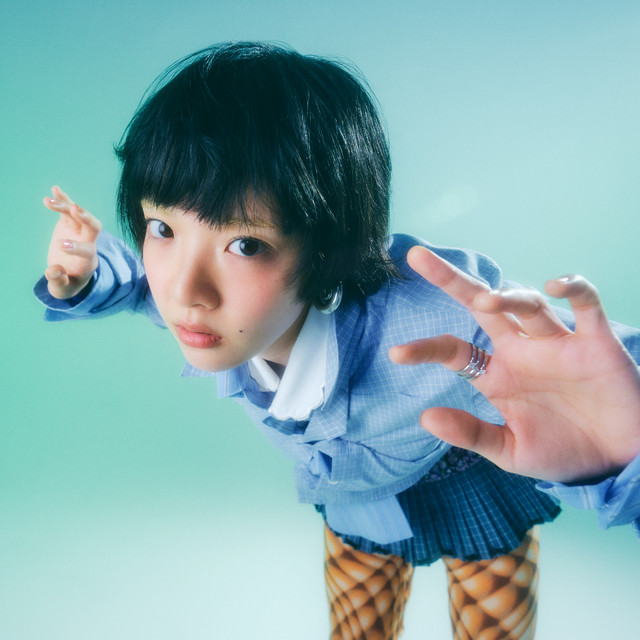
13

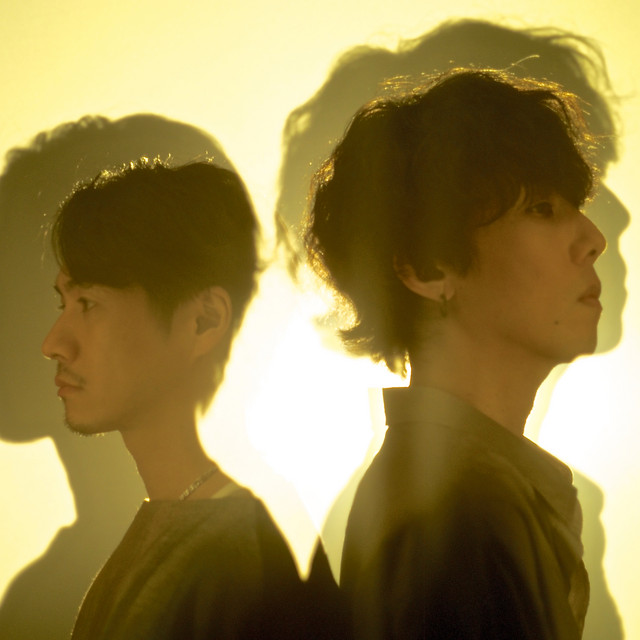
ヨルシカ
Japan
3.7 million
5.3 million listeners







About J-pop
J-pop, short for Japanese pop, is the umbrella term for popular music produced in Japan. Rather than a single musical style, it’s a broad ecosystem that spans glossy dance-pop, singer-songwriter ballads, electro-pop, hip-hop influenced tracks, and expansive idol-driven productions. The genre as a recognizable category took shape in the 1990s, when English-language media started labeling the contemporary Japanese mainstream as “J-pop” to distinguish it from traditional enka and Western pop. Since then, J-pop has grown into a global cultural language, linked as much to the media machinery of Japan—tv shows, commercials, anime, and idols—as to the music itself.
Origins and evolution. In the 1990s, a wave of producers, groups, and solo artists helped codify the modern J-pop sound. The late-90s scene was propelled by polished production and a strong emphasis on memorable choruses. City pop from the 1980s, with its glossy fusion of funk, synth, and soft rock, left an imprint that modern J-pop would rework in new digital textures. The rise of large idol companies and teen pop groups, plus the emergence of singer-songwriters who could cross over to international audiences, cemented J-pop as Japan’s dominant mainstream music. The 2000s brought a new generation—artists who wrote their own lyrics or crafted distinctive personas—while the 2010s introduced electro-pop and dance-centered acts that found audiences beyond Japan’s borders.
Key artists and ambassadors. J-pop’s recognizable faces include both long-running icons and boundary-pushing innovators. Namie Amuro defined the 1990s and early 2000s as a solo pop queen, delivering hits like “Can You Celebrate?” that remain cultural touchstones. Hikaru Utada (Utada Hikaru) broke through in 1999 with a bilingual approach and album sales that mark her as one of the genre’s best-selling artists ever. Ayumi Hamasaki carried the torch through the early 2000s with a string of chart-topping albums and a distinctive, fashion-forward persona. On the idol side, Morning Musume and later AKB48 shaped audience expectations around performance, branding, and fan culture. In the 2000s and 2010s, Perfume offered a futurist electro-pop vision with highly choreographed shows, while Kyary Pamyu Pamyu popularized a playful, visually striking form of J-pop in the global indie scene. Arashi, as a mega-pop boy band, and other groups from labels like Johnny & Associates helped keep J-pop’s mainstream momentum strong.
Cultural reach and listening practices. J-pop thrives on a network of media—music television, radio, anime ties (Anison), dramas, and live arenas. The genre also thrives in subcultures: anime and game communities, dance-culture scenes, and the global fan networks that stream, remix, and reinterpret songs. While Japan remains the core market, J-pop enjoys substantial audiences in other parts of Asia and among diaspora communities worldwide. The rise of streaming has made tracks, playlists, and live-streamed performances more accessible, enabling acts like Perfume or Utada to cultivate international followings.
In sum, J-pop is a dynamic, industry-spanning phenomenon: a continually evolving art form that reflects Japan’s pop culture machinery as much as individual creativity. It rewards melodic craft, polished production, and a willingness to blend tradition with contemporary sound.
Origins and evolution. In the 1990s, a wave of producers, groups, and solo artists helped codify the modern J-pop sound. The late-90s scene was propelled by polished production and a strong emphasis on memorable choruses. City pop from the 1980s, with its glossy fusion of funk, synth, and soft rock, left an imprint that modern J-pop would rework in new digital textures. The rise of large idol companies and teen pop groups, plus the emergence of singer-songwriters who could cross over to international audiences, cemented J-pop as Japan’s dominant mainstream music. The 2000s brought a new generation—artists who wrote their own lyrics or crafted distinctive personas—while the 2010s introduced electro-pop and dance-centered acts that found audiences beyond Japan’s borders.
Key artists and ambassadors. J-pop’s recognizable faces include both long-running icons and boundary-pushing innovators. Namie Amuro defined the 1990s and early 2000s as a solo pop queen, delivering hits like “Can You Celebrate?” that remain cultural touchstones. Hikaru Utada (Utada Hikaru) broke through in 1999 with a bilingual approach and album sales that mark her as one of the genre’s best-selling artists ever. Ayumi Hamasaki carried the torch through the early 2000s with a string of chart-topping albums and a distinctive, fashion-forward persona. On the idol side, Morning Musume and later AKB48 shaped audience expectations around performance, branding, and fan culture. In the 2000s and 2010s, Perfume offered a futurist electro-pop vision with highly choreographed shows, while Kyary Pamyu Pamyu popularized a playful, visually striking form of J-pop in the global indie scene. Arashi, as a mega-pop boy band, and other groups from labels like Johnny & Associates helped keep J-pop’s mainstream momentum strong.
Cultural reach and listening practices. J-pop thrives on a network of media—music television, radio, anime ties (Anison), dramas, and live arenas. The genre also thrives in subcultures: anime and game communities, dance-culture scenes, and the global fan networks that stream, remix, and reinterpret songs. While Japan remains the core market, J-pop enjoys substantial audiences in other parts of Asia and among diaspora communities worldwide. The rise of streaming has made tracks, playlists, and live-streamed performances more accessible, enabling acts like Perfume or Utada to cultivate international followings.
In sum, J-pop is a dynamic, industry-spanning phenomenon: a continually evolving art form that reflects Japan’s pop culture machinery as much as individual creativity. It rewards melodic craft, polished production, and a willingness to blend tradition with contemporary sound.