Genre
kayokyoku
Top Kayokyoku Artists
Showing 25 of 2,302 artists
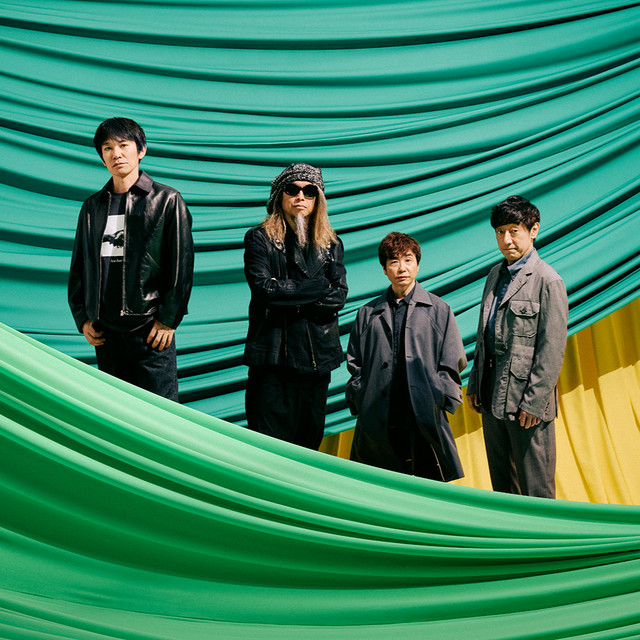
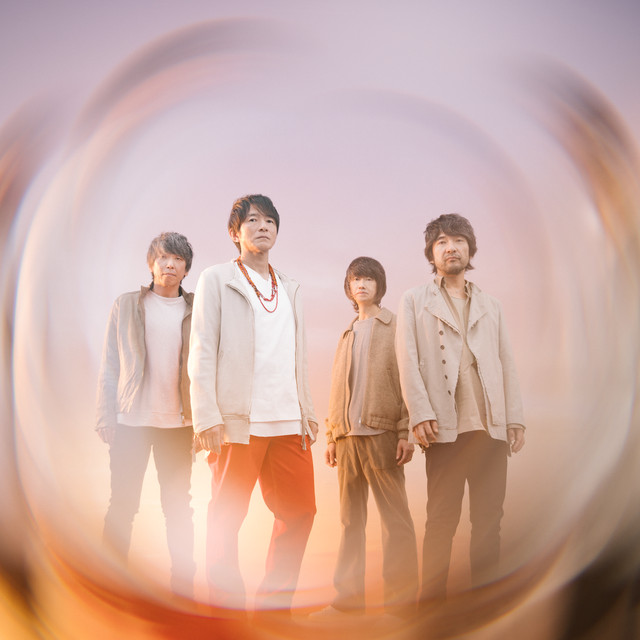
3
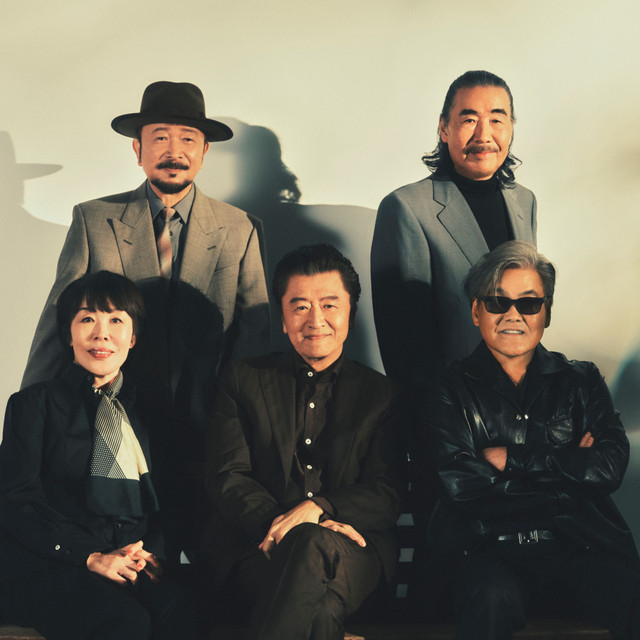
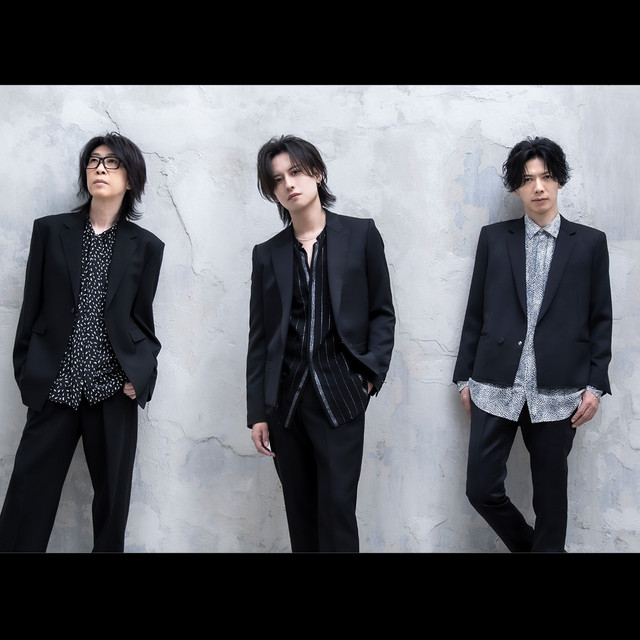
サザンオールスターズ
2.8 million
2.5 million listeners
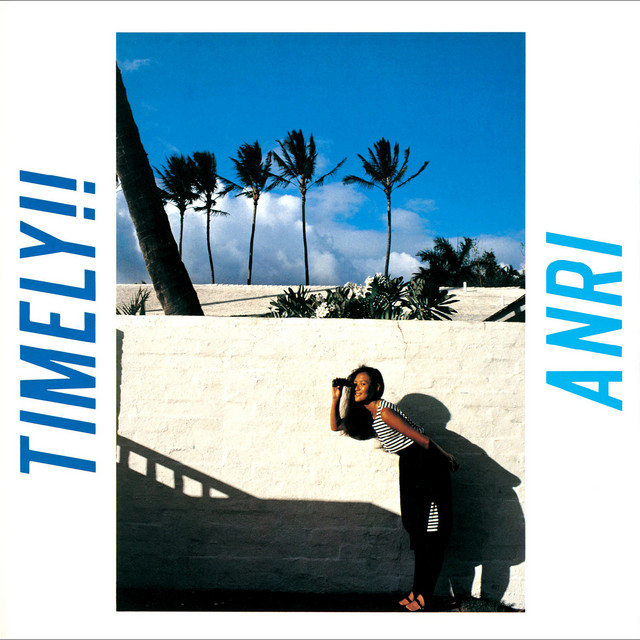







About Kayokyoku
Kayōkyoku is the umbrella term for Japanese popular music that thrived from the 1920s through the 1980s, before the rise of what listeners today call J-pop. The word itself blends "kayō" (singing, songs) with "kyoku" (tune), signaling a form of mainstream, radio-friendly music that sat at the heart of Showa-era entertainment. It is not a single sound but a spectrum: upbeat dance tunes, early rock-tinged pop, dramatic ballads, and lighter, cafe-ready melodies all under the kayōkyoku banner. For many music buffs, it represents the classic arc of Japanese pop: Western influences filtered through Japanese sensibilities, then re-exported to form something distinctly domestic.
The genre’s birth lies in a decades-long exchange between Japan and the West. In the 1920s and 1930s, Western popular forms—tango, foxtrot, swing, and jazzy arrangements—began to mingle with Japanese language and sensibilities in dance halls, radio shows, and film. Postwar Japan saw further expansion as broadcast media and recording technology accelerated the production and distribution of popular songs. Kayōkyoku thrived in a transitional period when “enka” and “pop” were still cohabiting, but by the 1950s and 1960s it had established a distinct voice: songs that were melodic, emotionally direct, and crafted for broad audiences.
What sets kayōkyoku apart from later J-pop is its tonal and emotional range, as well as its role in bridging traditional Japanese aesthetics with international pop idioms. It embraced melodrama and sentiment—think cabaret ballads and kiss-off tunes alike—yet it could also swing with Western-influenced arrangements, including brass, strings, and jazzy cadences. The genre’s producers and performers often wrote songs that could be arranged with simple, memorable hooks, making them portable across radio, stage, and screen.
Among the ambassadors and touchstones of kayōkyoku are some enduring icons. Hibari Misora stands as its queenly figure—an artist whose voice and repertoire defined a generation of listeners and whose songs touched both cheerful and melancholic nerves. Chiemi Eri helped popularize the lighter, urbane side of kayōkyoku in the 1950s with a string of accessible tunes and collaborations. Kyu Sakamoto achieved global reach with Sukiyaki (Ue o Muite Arukō) in 1961, a rare kayōkyoku track that topped charts in the United States and beyond, bringing international attention to the genre. The Peanuts, a famous vocal duo of the era, contributed bright, catchy numbers that circulated widely on television and radio. Taken together, these artists illustrate kayōkyoku’s versatility—from intimate ballads to cosmopolitan pop.
Geographically, kayōkyoku has been most popular in Japan and among Japanese-speaking audiences, with pockets of resonance in Taiwan, Hong Kong, and other parts of East Asia during the mid-20th century. In the West, its imprint comes mainly through international hits like Sukiyaki and through the ongoing curiosity of collectors and enthusiasts. In contemporary discussions, kayōkyoku is often revisited as a historical foundation for J-pop and for understanding how Japanese pop music negotiated modernization, global influences, and local identity.
For enthusiasts, the genre offers a rich repository of melodic craft, vocal styles, and production languages that illuminate how pop music can travel, adapt, and endure.
The genre’s birth lies in a decades-long exchange between Japan and the West. In the 1920s and 1930s, Western popular forms—tango, foxtrot, swing, and jazzy arrangements—began to mingle with Japanese language and sensibilities in dance halls, radio shows, and film. Postwar Japan saw further expansion as broadcast media and recording technology accelerated the production and distribution of popular songs. Kayōkyoku thrived in a transitional period when “enka” and “pop” were still cohabiting, but by the 1950s and 1960s it had established a distinct voice: songs that were melodic, emotionally direct, and crafted for broad audiences.
What sets kayōkyoku apart from later J-pop is its tonal and emotional range, as well as its role in bridging traditional Japanese aesthetics with international pop idioms. It embraced melodrama and sentiment—think cabaret ballads and kiss-off tunes alike—yet it could also swing with Western-influenced arrangements, including brass, strings, and jazzy cadences. The genre’s producers and performers often wrote songs that could be arranged with simple, memorable hooks, making them portable across radio, stage, and screen.
Among the ambassadors and touchstones of kayōkyoku are some enduring icons. Hibari Misora stands as its queenly figure—an artist whose voice and repertoire defined a generation of listeners and whose songs touched both cheerful and melancholic nerves. Chiemi Eri helped popularize the lighter, urbane side of kayōkyoku in the 1950s with a string of accessible tunes and collaborations. Kyu Sakamoto achieved global reach with Sukiyaki (Ue o Muite Arukō) in 1961, a rare kayōkyoku track that topped charts in the United States and beyond, bringing international attention to the genre. The Peanuts, a famous vocal duo of the era, contributed bright, catchy numbers that circulated widely on television and radio. Taken together, these artists illustrate kayōkyoku’s versatility—from intimate ballads to cosmopolitan pop.
Geographically, kayōkyoku has been most popular in Japan and among Japanese-speaking audiences, with pockets of resonance in Taiwan, Hong Kong, and other parts of East Asia during the mid-20th century. In the West, its imprint comes mainly through international hits like Sukiyaki and through the ongoing curiosity of collectors and enthusiasts. In contemporary discussions, kayōkyoku is often revisited as a historical foundation for J-pop and for understanding how Japanese pop music negotiated modernization, global influences, and local identity.
For enthusiasts, the genre offers a rich repository of melodic craft, vocal styles, and production languages that illuminate how pop music can travel, adapt, and endure.