Data may be outdated
Last updated: 2 weeks ago — Click refresh to get the latest statistics.
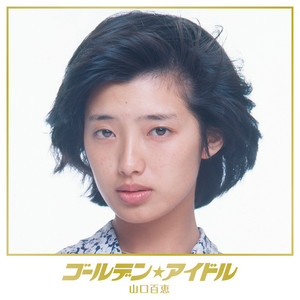
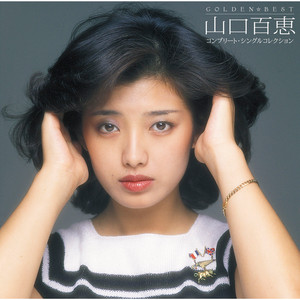
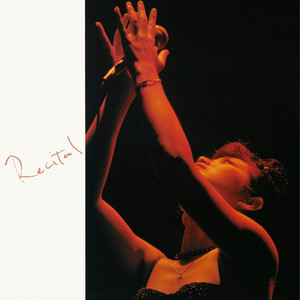
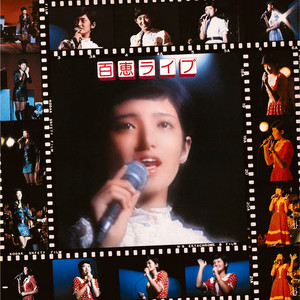
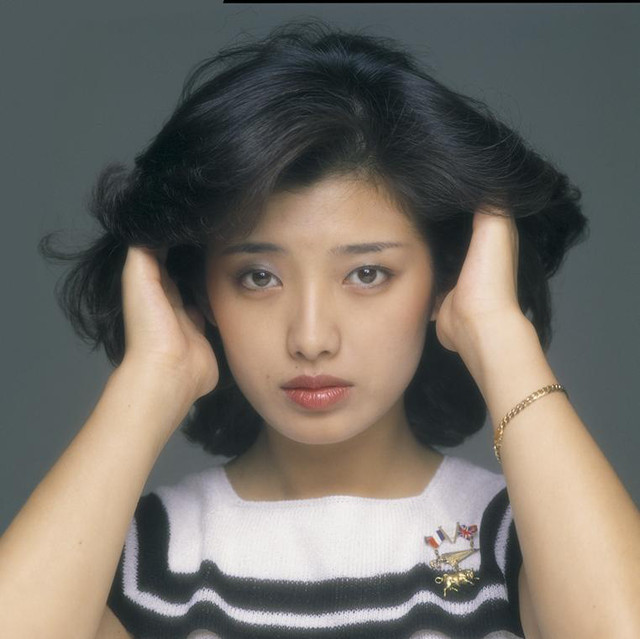
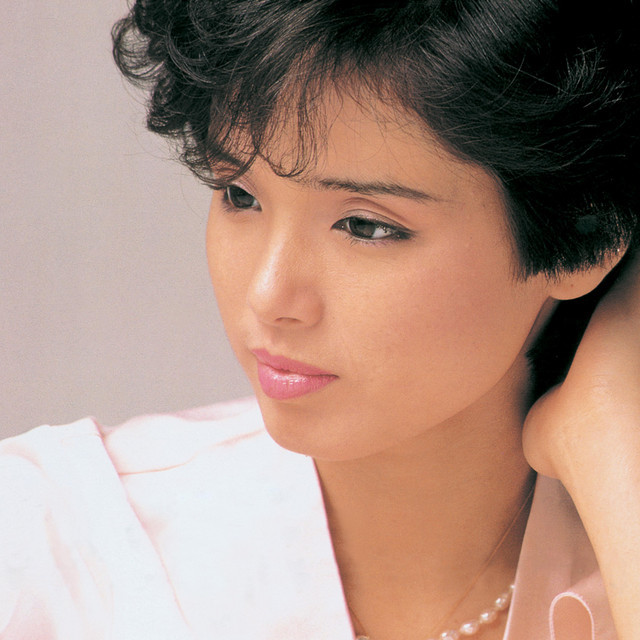
Coming from an unconventional family background, she was born to unmarried parents and abandoned by her father at a young age, she was raised by her mother in the naval town of Yokosuka and got her first break at the age of 13 on the TV talent show Star Tanjo. With her dark, panda-like eyes and deep, mature-sounding voice, her image contrasted with the bright, cheerful image that was the norm for young, female Japanese singers. Nevertheless, she struck a chord with audiences, partly due to songs such as "Aoi Kajitsu" and "Hito Natsu no Keiken," both of which were reminiscent of French singer <a href="spotify:artist:22HVxZPA6UhBp8wahxDA6I">France Gall</a>'s work with <a href="spotify:artist:01C9OoXDvCKkGcf735Tcfo">Serge Gainsbourg</a> in that they wrapped playfully suggestive lyrics around catchy melodies.
1974 saw the release of the film Izu no Odoriko which marked the beginning of Yamaguchi's onscreen partnership with the actor Miura Tomokazu, with whom she would be paired in a dozen more films by the end of the decade. An astonishing work ethic also saw Yamaguchi release a steady stream of singles to a rigid schedule of one per season, and two or three albums a year throughout her career.
As the decade wore on and her position as an instantly bankable star solidified, Yamaguchi began to assert herself more over the musical direction her songs took. The Lolita-esque lyrics were the first thing to go, replaced by more dramatic, romantic tales, often centering around a mistreated woman discovering her independence and inner strength, with the 1976 hit "Yokosuka Story" demonstrating Yamaguchi's growing influence over the songwriting direction with its specific reference to the town where she grew up.
As the '70s began drawing to a close, Yamaguchi began pushing her music in a harder direction, importing rock and even metal influences into her songs, as in 1978's "Zettai Zetsumei" with its crunching guitars and unconventional arrangement. By this time, Yamaguchi and her onscreen partner Miura were in a well-established relationship, which Yamaguchi announced officially in 1979. The following year it was announced that the couple would get married. There was a flurry of releases and a farewell concert at the Nippon Budokan, after which Yamaguchi retired almost entirely from public life, moving in one brief moment from her position of Japan's most popular idol to the nation's best-loved housewife.
Despite repeated rumors of a comeback, Yamaguchi continued to resist the temptation to return to the limelight; however, in 2008 the couple's son, Miura Yutaro, made his show biz debut as part of the rock band Peaky SALT. ~ Ian Martin, Rovi
Monthly Listeners
313,617
Monthly Listeners History
Track the evolution of monthly listeners over the last 28 days.
Followers
148,493
Followers History
Track the evolution of followers over the last 28 days.
Total Streams
84.5 million
Total Streams History
Track the evolution of total streams over the last 28 days. This data is calculated from all tracks listed in the artist's discography.
Top Cities

Related Artists


キャンディーズ






中島みゆき





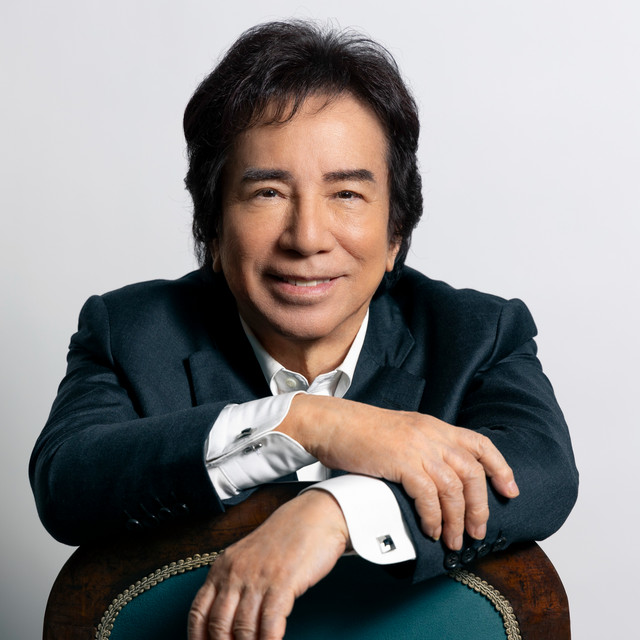
布施明


高田みづえ