Data may be outdated
Last updated: 2 months ago — Click refresh to get the latest statistics.
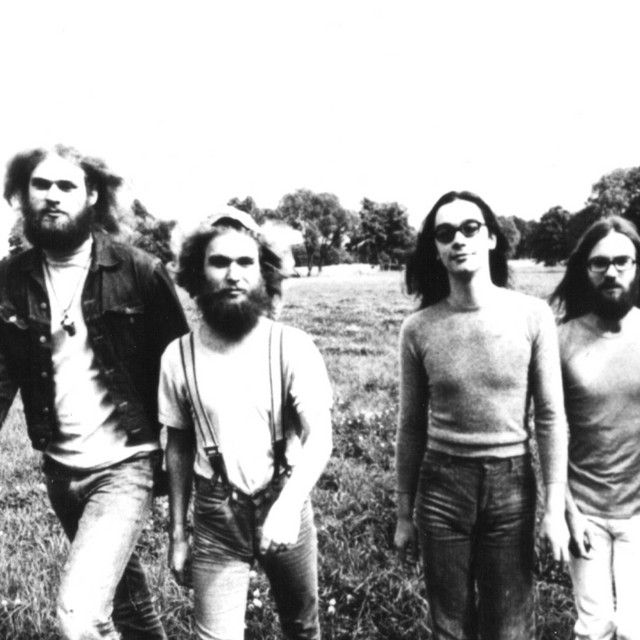
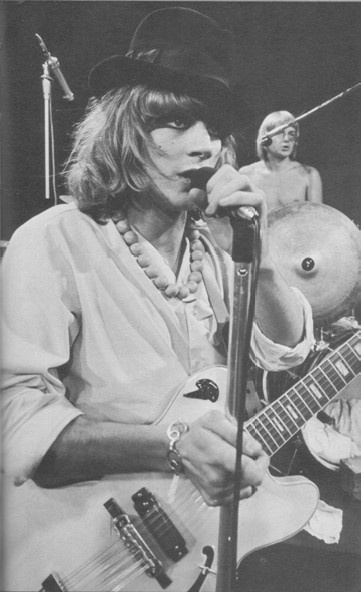
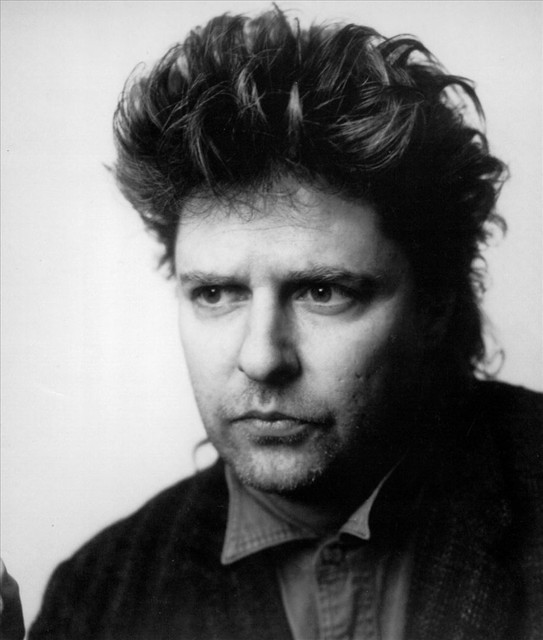
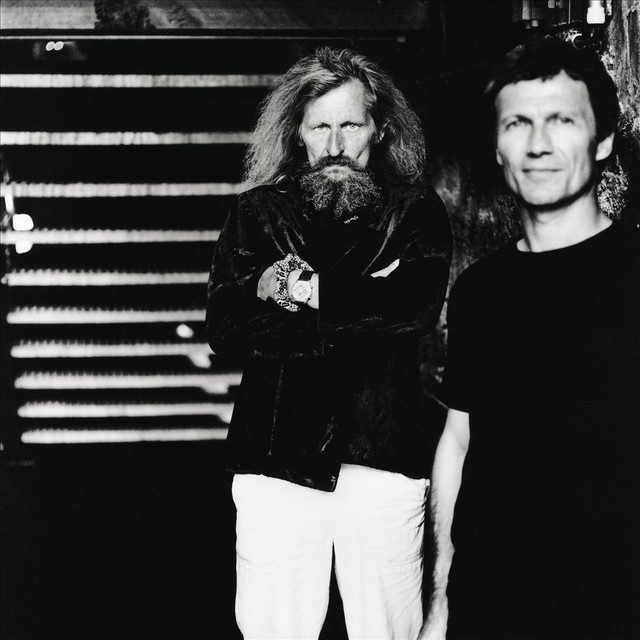
Neu! formed in 1971 in Düsseldorf shortly after <a href="spotify:artist:6fIpQUsK4DNUgB7G4T9gvV">Dinger</a> and <a href="spotify:artist:4njCJpFlUJkSmFRj6vDZ9D">Rother</a> parted ways with <a href="spotify:artist:0dmPX6ovclgOy8WWJaFEUU">Kraftwerk</a>. Though Neu! played live on occasion and toured minimally, they were primarily a studio project for the duration of their career. Their self-titled first album was recorded over four nights in December 1971 with <a href="spotify:artist:1NvaYXFBSMlgokdn84mOkx">Plank</a> helming the mixing board, and was released in 1972 by <a href="spotify:search:label%3A%22Brain+Records%22">Brain Records</a>. The record included the first instances of <a href="spotify:artist:6fIpQUsK4DNUgB7G4T9gvV">Dinger</a>'s signature motorik beat, which he himself called the "endlose gerade" ("endless straight") at the time, referring to its driving, uninterrupted forward motion. The album sold somewhere in the neighborhood of 30,000 copies, which didn't quite qualify as a success at the time. Despite this lackluster commercial reception, the waves of influence generated by Neu! were immediate, with Germany's post-psychedelic bands beginning to lean more into the ambient and proto-punk styles presented within and global stars like <a href="spotify:artist:0oSGxfWSnnOXhD2fKuz2Gy">David Bowie</a> and <a href="spotify:artist:33EUXrFKGjpUSGacqEHhU4">Iggy Pop</a> also applying some of the album's approaches to their own music.
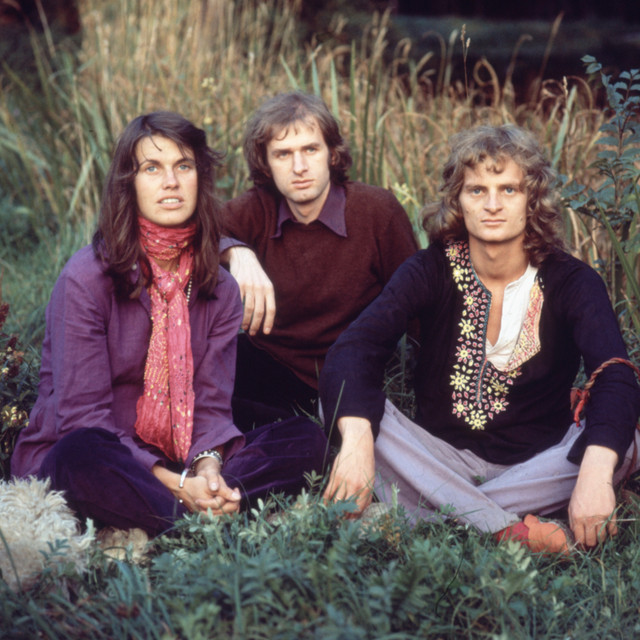
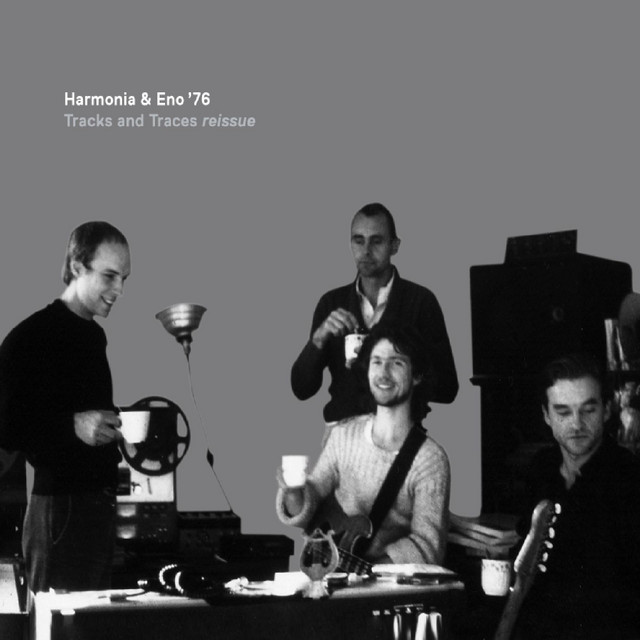
Neu! spent a significant chunk of their advance for the next album on new instruments, so much so that they ran out of money midway through the recording of it. When the label refused to front them any more funds, the band completed 1973's Neu! 2 by inventing one of the earliest forms of remixing, filling out the second side of the album with various slowed-down, sped-up, or otherwise manipulated versions of their already released songs "Neuschnee" and "Super." Shortly after the release of Neu! 2, <a href="spotify:artist:4njCJpFlUJkSmFRj6vDZ9D">Rother</a> formed a new project, <a href="spotify:artist:0tHDVpPzMs1JqKTAuGQkQR">Harmonia</a>, with the members of <a href="spotify:artist:5mNY0NPszdalbrb4ITO3M8">Cluster</a>, and focused his attention there for much of the next few years.
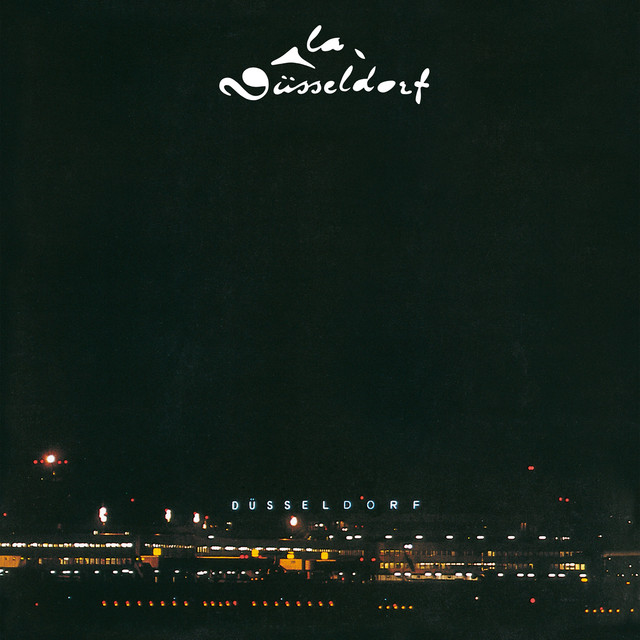
When <a href="spotify:artist:4njCJpFlUJkSmFRj6vDZ9D">Rother</a> and <a href="spotify:artist:6fIpQUsK4DNUgB7G4T9gvV">Dinger</a> reconvened in the studio in late 1974, their respective visions for Neu! had split. They agreed to approach their third album, Neu! '75, accordingly, with the first side consisting of three songs by the original duo, played in a similar style to their other albums, and side two made up of tracks with <a href="spotify:artist:6fIpQUsK4DNUgB7G4T9gvV">Dinger</a> on guitar and lead vocals, joined by Hans Lampe and his brother <a href="spotify:artist:35aFCAq2lreYMf2nrhtgfm">Thomas</a> on dual drum kits. While the album was received by the record-buying public as another strange chapter in Neu!'s never-straightforward trajectory, Neu! '75, too, had a substantial impact on other musicians. Neu! disbanded after the release of the album, with <a href="spotify:artist:4njCJpFlUJkSmFRj6vDZ9D">Rother</a> continuing on with <a href="spotify:artist:0tHDVpPzMs1JqKTAuGQkQR">Harmonia</a> as well as releasing multiple solo albums and <a href="spotify:artist:6fIpQUsK4DNUgB7G4T9gvV">Dinger</a> forming new outfit <a href="spotify:artist:3GLAEAmt9FYRZWv8HUYha0">La Düsseldorf</a> with the same lineup of dual drummers that played on the second side of Neu! '75.
Neu! tried to meet up in the studio once again for sessions in 1985 and 1986, but they butted heads to the point where the material was shelved. These sessions (a mix of Neu!'s early-'70s repetition and the more synth-heavy sounds of '80s new wave) surfaced as bootlegs and other questionable releases in the late '90s under the titles Neu! '86 or Neu! 4, and <a href="spotify:artist:4njCJpFlUJkSmFRj6vDZ9D">Rother</a> and <a href="spotify:artist:6fIpQUsK4DNUgB7G4T9gvV">Dinger</a> argued about the specifics of releasing the album legitimately up until the time of <a href="spotify:artist:6fIpQUsK4DNUgB7G4T9gvV">Dinger</a>'s death in 2008.
While Neu! was relatively short-lived and both players remained active in music long after the band broke up, the sound they achieved on their early albums would inform multiple arenas of boundary-pushing music that followed. Neu!'s combination of fearless experimentation and playful offhandedness can be heard throughout a wide range of electronic music subgenres, and their collision of textural guitar and synth sounds with charged rhythms would inform wave after wave of independent rock music on the whole. The formula Neu! created would be modified to various degrees by subsequent eras of college rock bands, space rock and home-recording artists, abstract noise musicians, and several generations of indie rock. ~ Fred Thomas, Rovi
Monthly Listeners
85,958
Monthly Listeners History
Track the evolution of monthly listeners over the last 28 days.
Followers
151,441
Followers History
Track the evolution of followers over the last 28 days.
Total Streams
34.1 million
Total Streams History
Track the evolution of total streams over the last 28 days. This data is calculated from all tracks listed in the artist's discography.
Top Cities




Related Artists