Data may be outdated
Last updated: 9 months ago — Click refresh to get the latest statistics.
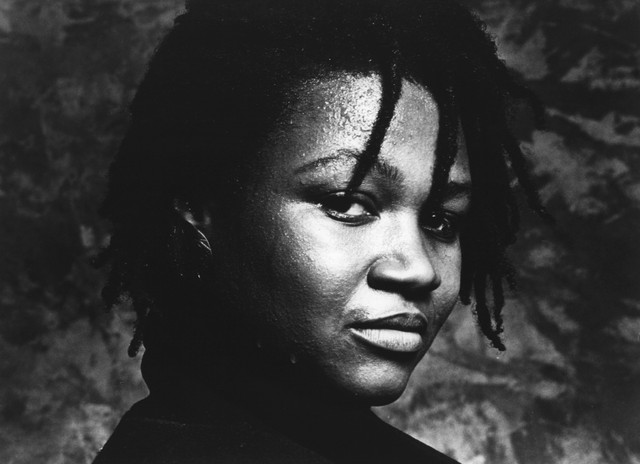
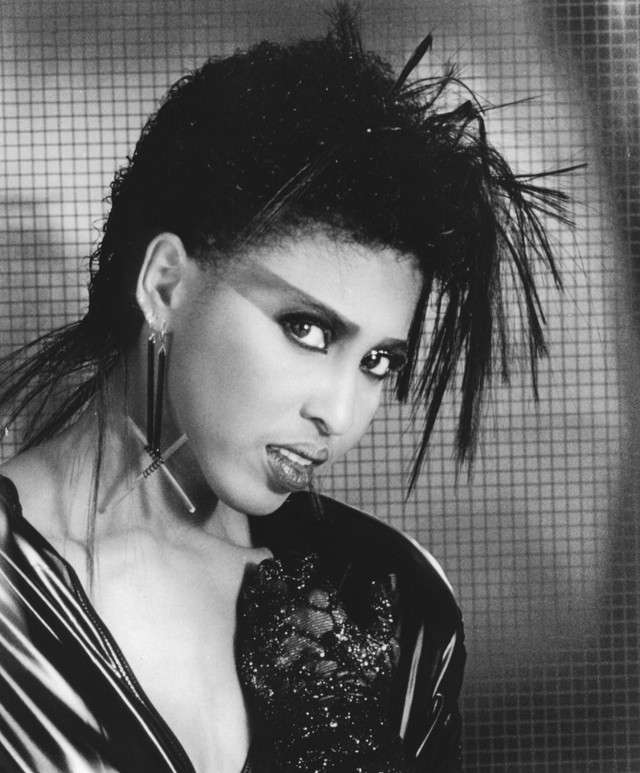
One-third of the pop/soul act <a href="spotify:artist:3DznKagEU8yMQZR9z33Da5">Labelle</a> (their big hit was "Lady Marmalade"), Nona Hendryx, made the hippest solo records of any member of that group (the others being <a href="spotify:artist:0ty0xha1dbprYIUAQufkFn">Patti LaBelle</a> and <a href="spotify:artist:40GzTuEPg9xjzGeXJESEMH">Sarah Dash</a>). After <a href="spotify:artist:3DznKagEU8yMQZR9z33Da5">Labelle</a> called it quits in 1976, Hendryx released her debut record Nona Hendryx, which was an amazingly strong amalgam of soul and hard rock. It also went almost completely ignored by critics, soul fans, and even <a href="spotify:artist:3DznKagEU8yMQZR9z33Da5">Labelle</a> fans, so Hendryx took her strong, clear, booming voice and did lots of session work in the late '70s and early '80s. It was here that she fell in with a hip crowd of musicians, including <a href="spotify:artist:7qZdnGoW781UFYTcMpDilR">David Johansen</a>, <a href="spotify:artist:7C4sUpWGlTy7IANjruj02I">Peter Gabriel</a>, <a href="spotify:artist:5a2EaR3hamoenG9rDuVn8j">Prince</a>, <a href="spotify:artist:2s4tjL6W3qrblOe0raIzwJ">Yoko Ono</a>, <a href="spotify:artist:545idYhdloaSlLGBY8E9u2">Cameo</a>, <a href="spotify:artist:6BLhUZMqXO8eXjhToNRteA">Garland Jeffreys</a>, and <a href="spotify:artist:7cg61q8kK8jlFi8TKKw70p">Afrika Bambaataa</a>, and sang backup for a time with <a href="spotify:artist:2x9SpqnPi8rlE9pjHBwmSC">Talking Heads</a>. The association with the <a href="spotify:artist:2x9SpqnPi8rlE9pjHBwmSC">Heads</a>' <a href="spotify:artist:20vuBdFblWUo2FCOvUzusB">David Byrne</a> led to her working with bassist, producer, and conceptualist <a href="spotify:artist:5RISqKCcrhGITX2TQAPGPL">Bill Laswell</a>, who, along with his band <a href="spotify:artist:7yegFhKemMedsme3entsAW">Material</a>, helped Hendryx put together her second solo record, 1983's Nona. A strong album not as wild-eyed as her debut, Nona did spark greater interest in Hendryx's considerable talents, and after that, her solo career flourished to the point where she no longer needed studio work to supplement her income.
In 1984, Hendryx again collaborated with <a href="spotify:artist:5RISqKCcrhGITX2TQAPGPL">Laswell</a> on The Art of Defense. She returned one year later with Heat, produced by <a href="spotify:artist:5YzGCkGA6XEGKs2C9KRVKA">Arthur Baker</a>. The latter album featured a stellar cast of players: guitarists Ronnie Drayton and <a href="spotify:artist:08avsqaGIlK2x3i2Cu7rKH">Keith Richards</a>, bassists <a href="spotify:artist:19l1pnOM9X4cSf8QhuRGwT">Doug Wimbish</a> and <a href="spotify:artist:0H50J2JBGvMud4sNbRaWjI">Bernard Edwards</a>, saxophonist <a href="spotify:artist:0z51oMD1IlExmnfVFJCnln">Lenny Pickett</a>, and vocalists <a href="spotify:artist:69k2JfIQxMpBbc1wtmHWZY">Will Downing</a> and <a href="spotify:artist:3AmWjMXXtBJOmNGpUFSOAl">Gang of Four</a>'s Hugo Burnham. Female Trouble appeared in 1987 with a slew of producers, and featured guest spots from <a href="spotify:artist:7C4sUpWGlTy7IANjruj02I">Gabriel</a> and <a href="spotify:artist:2kYTI6qNJ3d36PFJsP37AD">David Van Tieghem</a>.
In 1989, Hendryx shifted gears; she issued the almost solely keyboard-driven Skin Diver on former <a href="spotify:artist:1BGN1IdyiSR0ZYrkoKNchl">Tangerine Dream</a> member <a href="spotify:artist:4u9mLb6exlbHuNehyJ11jq">Peter Baumann</a>'s <a href="spotify:search:label%3A%22Private+Music%22">Private Music</a> label. After a three-year break, Hendryx surprised again with You Have to Cry Sometime, in 1992. The album, a collection of soul covers in collaboration with <a href="spotify:artist:79wnqcube11BTT6VnhdPoA">Billy Vera</a>, was issued as part of a benefit offering 50% of its profits to the Rhythm and Blues Foundation charity. Exhausted by touring, switching labels, and the changing nature of the music business in general, she stopped releasing her own records for the remainder of the decade.
Hendryx returned to studio work in the '90s and into the 21st century, appearing on recordings by <a href="spotify:artist:4o5EnPig031rB2gPAuB5br">Lisa Lisa</a>, <a href="spotify:artist:3VV18HyGcfLTqNjSjbROA1">Morgan Heritage</a>, and the reunited <a href="spotify:artist:2X2Q1fpEwW7WtZxXb4acYb">Bush Tetras</a>, as well as on soundtrack recordings.
<a href="spotify:artist:0ty0xha1dbprYIUAQufkFn">LaBelle</a> reunited in 2007 and issued Back to Now on <a href="spotify:search:label%3A%22Verve%22">Verve</a> in 2008. The set was produced by the legendary <a href="spotify:search:label%3A%22Philadelphia+International%22">Philadelphia International</a> team of <a href="spotify:artist:0TEdanYTgQdUgNBPjK2vXI">Kenny Gamble</a> and <a href="spotify:artist:24uSOCTYbMPqL1B56WYT7T">Leon Huff</a>, and included several Hendryx compositions. She also scored playwright Charles R. Wright's Blue, guested on <a href="spotify:artist:02HpkiuAylAwAnQBswaXlP">Terri Lynne Carrington</a>'s Mosaic Project album, and contributed a cut to the soundtrack for the film Precious.
Apparently, the <a href="spotify:artist:3DznKagEU8yMQZR9z33Da5">Labelle</a> reunion was the impetus for Hendryx to begin recording and touring as a solo artist again. In 2011, she released the jazz-funk album It's Time, in collaboration with Kahil El'zabar's Ethnics, to critical acclaim. In the summer of 2012, she followed with the self-produced Mutatis Mutandis, for <a href="spotify:artist:0AiTwNtYX8m4uhfU7rJ8RD">Ani DiFranco</a>'s Righteous Babe label. Hendryx collaborated with eclectic guitarist <a href="spotify:artist:7pfGmIs49lIUBtoqAtyUEH">Gary Lucas</a> for the 2017 album The World of Captain Beefheart, featuring new interpretations of the music of the experimental rock icon. ~ John Dougan & Thom Jurek, Rovi
In 1984, Hendryx again collaborated with <a href="spotify:artist:5RISqKCcrhGITX2TQAPGPL">Laswell</a> on The Art of Defense. She returned one year later with Heat, produced by <a href="spotify:artist:5YzGCkGA6XEGKs2C9KRVKA">Arthur Baker</a>. The latter album featured a stellar cast of players: guitarists Ronnie Drayton and <a href="spotify:artist:08avsqaGIlK2x3i2Cu7rKH">Keith Richards</a>, bassists <a href="spotify:artist:19l1pnOM9X4cSf8QhuRGwT">Doug Wimbish</a> and <a href="spotify:artist:0H50J2JBGvMud4sNbRaWjI">Bernard Edwards</a>, saxophonist <a href="spotify:artist:0z51oMD1IlExmnfVFJCnln">Lenny Pickett</a>, and vocalists <a href="spotify:artist:69k2JfIQxMpBbc1wtmHWZY">Will Downing</a> and <a href="spotify:artist:3AmWjMXXtBJOmNGpUFSOAl">Gang of Four</a>'s Hugo Burnham. Female Trouble appeared in 1987 with a slew of producers, and featured guest spots from <a href="spotify:artist:7C4sUpWGlTy7IANjruj02I">Gabriel</a> and <a href="spotify:artist:2kYTI6qNJ3d36PFJsP37AD">David Van Tieghem</a>.
In 1989, Hendryx shifted gears; she issued the almost solely keyboard-driven Skin Diver on former <a href="spotify:artist:1BGN1IdyiSR0ZYrkoKNchl">Tangerine Dream</a> member <a href="spotify:artist:4u9mLb6exlbHuNehyJ11jq">Peter Baumann</a>'s <a href="spotify:search:label%3A%22Private+Music%22">Private Music</a> label. After a three-year break, Hendryx surprised again with You Have to Cry Sometime, in 1992. The album, a collection of soul covers in collaboration with <a href="spotify:artist:79wnqcube11BTT6VnhdPoA">Billy Vera</a>, was issued as part of a benefit offering 50% of its profits to the Rhythm and Blues Foundation charity. Exhausted by touring, switching labels, and the changing nature of the music business in general, she stopped releasing her own records for the remainder of the decade.
Hendryx returned to studio work in the '90s and into the 21st century, appearing on recordings by <a href="spotify:artist:4o5EnPig031rB2gPAuB5br">Lisa Lisa</a>, <a href="spotify:artist:3VV18HyGcfLTqNjSjbROA1">Morgan Heritage</a>, and the reunited <a href="spotify:artist:2X2Q1fpEwW7WtZxXb4acYb">Bush Tetras</a>, as well as on soundtrack recordings.
<a href="spotify:artist:0ty0xha1dbprYIUAQufkFn">LaBelle</a> reunited in 2007 and issued Back to Now on <a href="spotify:search:label%3A%22Verve%22">Verve</a> in 2008. The set was produced by the legendary <a href="spotify:search:label%3A%22Philadelphia+International%22">Philadelphia International</a> team of <a href="spotify:artist:0TEdanYTgQdUgNBPjK2vXI">Kenny Gamble</a> and <a href="spotify:artist:24uSOCTYbMPqL1B56WYT7T">Leon Huff</a>, and included several Hendryx compositions. She also scored playwright Charles R. Wright's Blue, guested on <a href="spotify:artist:02HpkiuAylAwAnQBswaXlP">Terri Lynne Carrington</a>'s Mosaic Project album, and contributed a cut to the soundtrack for the film Precious.
Apparently, the <a href="spotify:artist:3DznKagEU8yMQZR9z33Da5">Labelle</a> reunion was the impetus for Hendryx to begin recording and touring as a solo artist again. In 2011, she released the jazz-funk album It's Time, in collaboration with Kahil El'zabar's Ethnics, to critical acclaim. In the summer of 2012, she followed with the self-produced Mutatis Mutandis, for <a href="spotify:artist:0AiTwNtYX8m4uhfU7rJ8RD">Ani DiFranco</a>'s Righteous Babe label. Hendryx collaborated with eclectic guitarist <a href="spotify:artist:7pfGmIs49lIUBtoqAtyUEH">Gary Lucas</a> for the 2017 album The World of Captain Beefheart, featuring new interpretations of the music of the experimental rock icon. ~ John Dougan & Thom Jurek, Rovi
Monthly Listeners
19,520
Monthly Listeners History
Track the evolution of monthly listeners over the last 28 days.
Followers
8,673
Followers History
Track the evolution of followers over the last 28 days.
Top Cities
724 listeners

282 listeners
275 listeners
263 listeners
250 listeners
Related Artists










The Undisputed Truth