Last updated: 9 hours ago
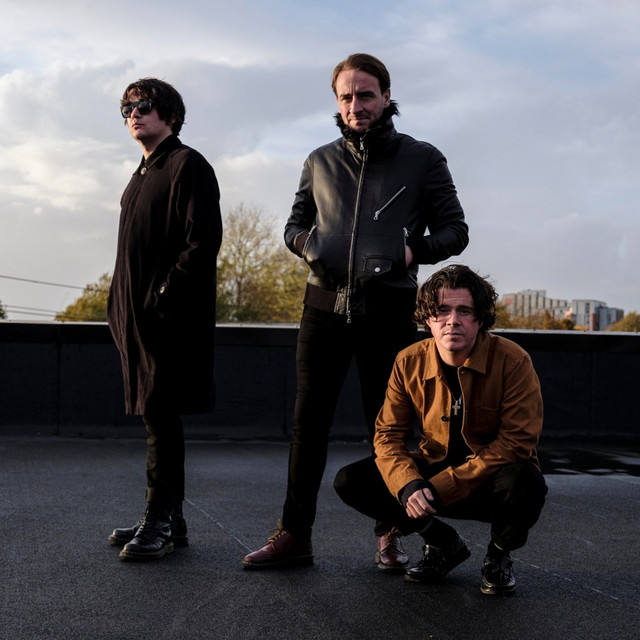
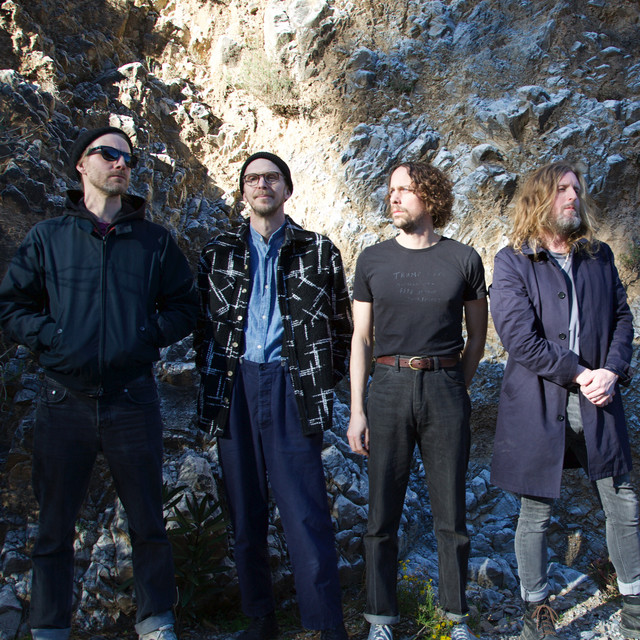
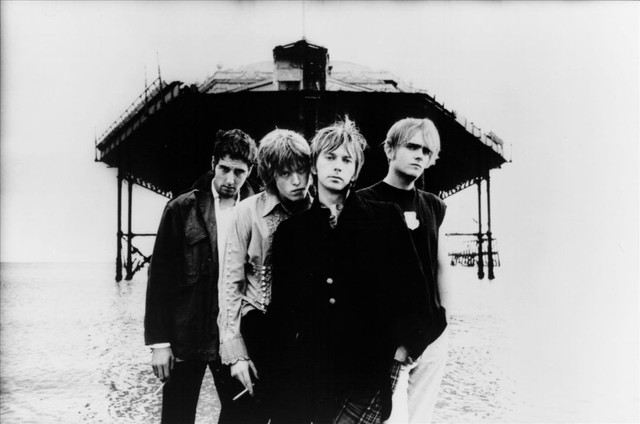
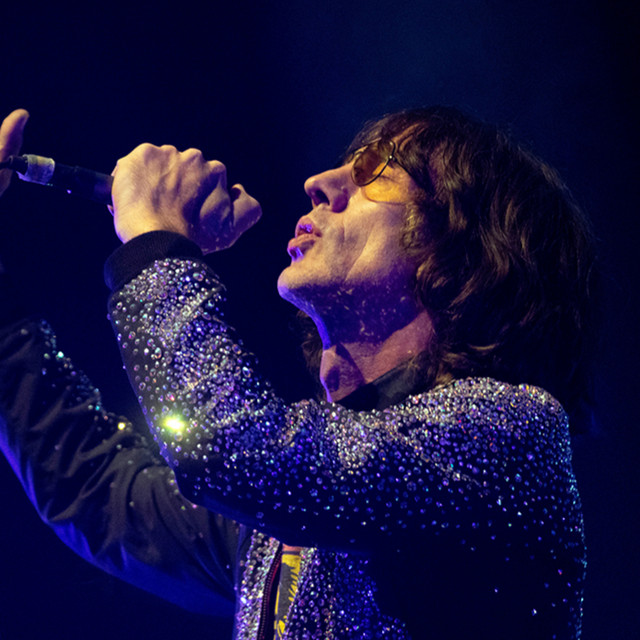
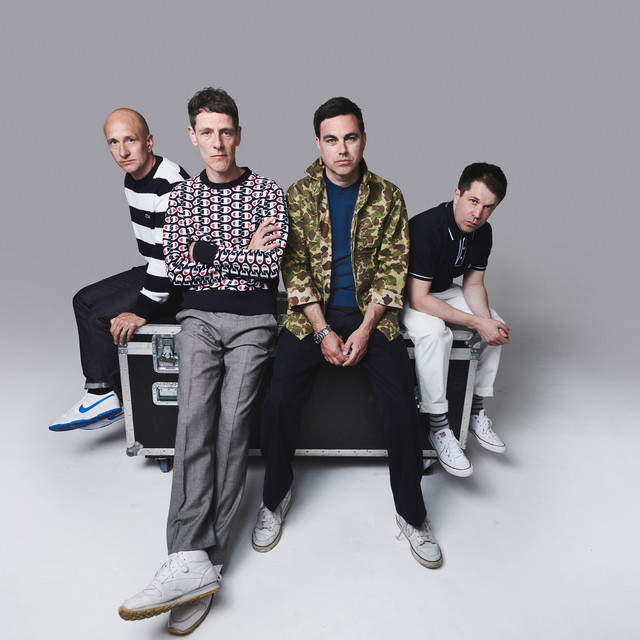
Embracing classic pop song structures and guitar jams in equal measure, Ocean Colour Scene defined the best qualities of the British trad rock that surfaced in the wake of <a href="spotify:artist:2DaxqgrOhkeH0fpeiQq2f4">Oasis</a> during the second half of the 1990s. Ocean Colour Scene pioneered this blend of the clever tunefulness of <a href="spotify:artist:1YqGsKpdixxSVgpfaL2AEQ">Small Faces</a> and the heady exploration of Traffic on Moseley Shoals, the 1996 album that made the band's career. Featuring "The Riverboat Song," "You've Got It Bad," and "The Day We Caught the Train," Moseley Shoals went triple platinum in the U.K., a success furthered by 1997's Marchin' Already, and its hits "Hundred Mile High City" and "Travellers Tune." These two tuneful, vigorous records established the blueprint the group would follow over the decades. Once the Brit-pop boom faded in the early 2000s, Ocean Colour Scene kept the classic rock flame burning by continuing to record on a regular basis and touring into the 2020s.
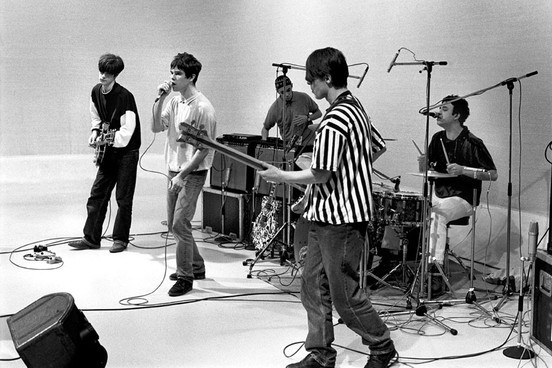
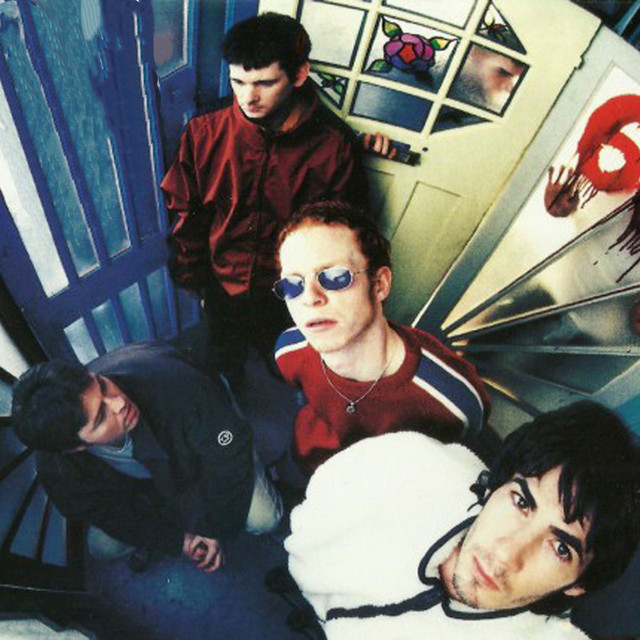
Prior to forming in 1990, the members -- <a href="spotify:artist:6aVs7hKSqbqwzojU6D7vVY">Steve Cradock</a> (lead guitar, keyboards, vocals), <a href="spotify:artist:0LKYGPiLYpJoRnWuQBX3ou">Simon Fowler</a> (lead vocals, guitar), Damon Minchella (bass), and <a href="spotify:artist:3sCm8JsErEUvbnSs0tLYBe">Oscar Harrison</a> (drums) -- had played in a variety of other groups. During the late '80s, <a href="spotify:artist:6aVs7hKSqbqwzojU6D7vVY">Cradock</a> played in a mod revival band called the Boys. Though they released an independent EP called Happy Days and supported former <a href="spotify:artist:1YqGsKpdixxSVgpfaL2AEQ">Small Faces</a> frontman <a href="spotify:artist:7pvL2bMcPtEGYzwTcULQKj">Steve Marriott</a>, the band never gained much of an audience. At the same time the Boys were active, <a href="spotify:artist:0LKYGPiLYpJoRnWuQBX3ou">Fowler</a> and Minchella were in a <a href="spotify:artist:1nJvji2KIlWSseXRSlNYsC">Velvet Underground</a>-influenced group called Fanatics, who released an EP, Suburban Love Songs, on the independent label <a href="spotify:search:label%3A%22Chapter+22%22">Chapter 22</a> in the first part of 1989. Following the release of the single, the group's original drummer, Caroline Bullock, was replaced by <a href="spotify:artist:3sCm8JsErEUvbnSs0tLYBe">Harrison</a>, who had previously played with a reggae/soul band called Echo Base. Shortly after <a href="spotify:artist:3sCm8JsErEUvbnSs0tLYBe">Harrison</a> joined Fanatics, the group split up. Several months after their disbandment, <a href="spotify:artist:0LKYGPiLYpJoRnWuQBX3ou">Fowler</a>, Minchella, and <a href="spotify:artist:3sCm8JsErEUvbnSs0tLYBe">Harrison</a> formed Ocean Colour Scene with <a href="spotify:artist:6aVs7hKSqbqwzojU6D7vVY">Cradock</a>, whom they met at a <a href="spotify:artist:1lYT0A0LV5DUfxr6doRP3d">Stone Roses</a> concert.
Appropriately, OCS was initially heavily influenced by <a href="spotify:artist:1lYT0A0LV5DUfxr6doRP3d">the Stone Roses</a>. After performing a few concerts, the group built a small fan base and signed with a local indie label !Phfft. Shortly after signing, Ocean Colour Scene became hyped as "the next big thing" by the British music press, as their live shows and debut single, "Sway," earned positive reviews during the first half of 1990. Early in 1991, they headed into the studio to record their debut album with Jimmy Miller, who'd worked on <a href="spotify:artist:22bE4uQ6baNwSHPVcDxLCe">the Rolling Stones</a>' classic albums of the late '60s and early '70s, but things didn't go well. The band drank too much, resulting in a batch of uneven recordings. Unsatisfied by the tapes, they headed back into the studio with Hugo Nicolson, who had previously worked with <a href="spotify:artist:3wury2nd8idV4GecUg5xze">Primal Scream</a>.
By the time they completed the record, !Phfft had been acquired by <a href="spotify:search:label%3A%22Fontana+Records%22">Fontana Records</a>, who bought the indie with the intent of owning the rights to OCS. Despite their enthusiasm for the band, the label's head of A&R, Dave Bates, rejected the group's first attempt at the album and asked them to re-enter the studio to re-record most of it with another producer, <a href="spotify:artist:4G9xLqPaO7B2UIZAmvOyqi">Tim Palmer</a>, who had previously worked with <a href="spotify:artist:3Hdx4fgVxsfEJLFaYCB6ql">Tin Machine</a>. <a href="spotify:artist:4G9xLqPaO7B2UIZAmvOyqi">Palmer</a> also remixed the remaining cuts, resulting in a slick debut album that was delivered belatedly in the spring of 1992. By that time, the music press had abandoned the Madchester scene that <a href="spotify:artist:1lYT0A0LV5DUfxr6doRP3d">the Stone Roses</a> spawned, and in turn they downplayed the return of OCS. The public also didn't buy the record in great numbers. The band made some headway on an American tour, but tensions with <a href="spotify:search:label%3A%22Fontana%22">Fontana</a> continued to increase throughout the year.
OCS returned to England halfway through the year, planning to record a new album quickly, but Bates rejected their new material. The band sued to get out of its <a href="spotify:search:label%3A%22Fontana%22">Fontana</a> contract. By the time it was settled in early 1993, the group owed hundreds of thousands of pounds to the label and they were back on the dole. OCS continued to rehearse, often supported by their manager (and <a href="spotify:artist:6aVs7hKSqbqwzojU6D7vVY">Steve</a>'s father), Chris Cradock, who put the family house up for mortgage. The band converted their rehearsal space into a studio and began recording constantly, but their break didn't arrive until they played a gig supporting <a href="spotify:artist:7Lf3LOZp3U3u2f6cWMd3AH">Paul Weller</a>'s new band in early 1993. <a href="spotify:artist:7Lf3LOZp3U3u2f6cWMd3AH">Weller</a> was impressed with <a href="spotify:artist:6aVs7hKSqbqwzojU6D7vVY">Steve Cradock</a>'s playing, and asked him to play on his forthcoming single, "The Weaver." <a href="spotify:artist:6aVs7hKSqbqwzojU6D7vVY">Cradock</a> gradually became part of <a href="spotify:artist:7Lf3LOZp3U3u2f6cWMd3AH">Weller</a>'s backing band, performing on much of <a href="spotify:artist:7Lf3LOZp3U3u2f6cWMd3AH">Weller</a>'s second solo album, Wild Wood. However, the guitarist didn't abandon OCS -- all the money he was making was funneled back into it, and he landed <a href="spotify:artist:0LKYGPiLYpJoRnWuQBX3ou">Fowler</a> a gig as a backing vocalist for <a href="spotify:artist:7Lf3LOZp3U3u2f6cWMd3AH">Weller</a>. By the end of 1993, <a href="spotify:artist:6aVs7hKSqbqwzojU6D7vVY">Cradock</a>, <a href="spotify:artist:0LKYGPiLYpJoRnWuQBX3ou">Fowler</a>, and Minchella were all playing in <a href="spotify:artist:7Lf3LOZp3U3u2f6cWMd3AH">Weller</a>'s band.
The next break for OCS arrived in 1994, when <a href="spotify:artist:6IRQd80VHepXiTXdmBzk6l">Noel Gallagher</a>, the leader of <a href="spotify:artist:2DaxqgrOhkeH0fpeiQq2f4">Oasis</a>, heard the band's tape in the offices of his record label. <a href="spotify:artist:6IRQd80VHepXiTXdmBzk6l">Gallagher</a> offered OCS the opening slot for <a href="spotify:artist:2DaxqgrOhkeH0fpeiQq2f4">Oasis</a>' breakthrough late 1994 tour, which provided the group with much-needed exposure. Soon, the group was subject to a bidding war between several major labels, all of whom wanted the band to change their name. Eventually, they signed with <a href="spotify:search:label%3A%22MCA%22">MCA</a> in 1995; they were one of the few labels not to insist that the group change their name.
In early 1996, buzz began to build for OCS as <a href="spotify:artist:6IRQd80VHepXiTXdmBzk6l">Gallagher</a> proclaimed them the best band in Britain in several interviews and Chris Evans, a DJ on BBC's Radio 1, constantly played OCS' comeback single, "The Riverboat Song," essentially using it as his theme song. "The Riverboat Song" entered the charts at number 15 early in 1996. Moseley Shoals, the band's second album, was released in April of 1996, unexpectedly entering the charts at number two. It was a fixture in the British Top Ten throughout 1996, spending six months total in the upper regions of the charts. Two subsequent singles from the record, "You've Got It Bad" and "The Day We Caught the Train," reached the Top Ten and the album continued to sell strongly throughout 1996, going multi-platinum in the U.K. OCS also became a popular live attraction in Britain, selling out concerts during the album's supporting tour. Moseley Shoals was released in America, but it failed to have much of an impact in the U.S.
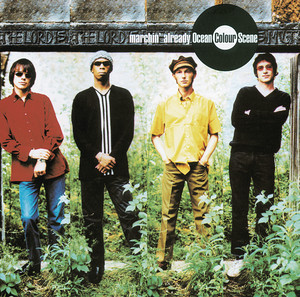
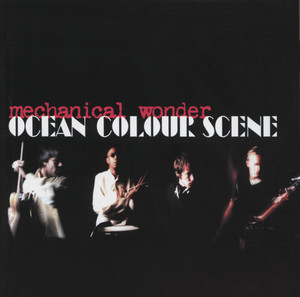
As they were working on their third album, OCS released the rarities compilation B-Sides: Seasides & Freerides in March 1997. By June they had completed the album and had released "Hundred Mile City" as a single; it debuted at number two on the U.K. charts. Marchin' Already, OCS' third album, was released in September 1997 and debuted at number one in the U.K., knocking <a href="spotify:artist:2DaxqgrOhkeH0fpeiQq2f4">Oasis</a>' Be Here Now out of the top slot. One from the Modern arrived in 1999, followed by Mechanical Wonder and the greatest-hits collection Songs for the Front Row: The Very Best of Ocean Colour Scene in 2001. Damon Minchella left the band after the release of North Atlantic Drift in 2003. <a href="spotify:artist:6aVs7hKSqbqwzojU6D7vVY">Cradock</a> played bass on the lion's share of 2005's Hyperactive Workout for the Flying Squad, while the group had expanded to encompass bassist Dan Sealey and guitarist Andy Bennett by the release of On the Leyline, in 2007. In February 2010, to mark the 21st anniversary of the band, OCS released an all-new collection of studio recordings called Saturday, which was followed later in the year by the box set retrospective 21. OCS spent a fair chunk of 2011 celebrating the 15th anniversary of Moseley Shoals -- their 1996 breakthrough that saw a double-disc deluxe reissue in 2011 -- and in the next year they started work on a new album called Painting, which was released in February 2013.
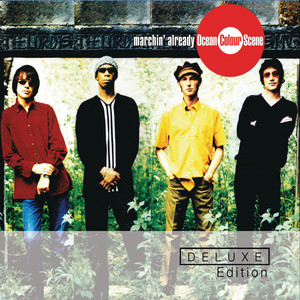
Ocean Colour Scene spent the next decade celebrating its past through reissues and commemorative tours. A deluxe edition of Marchin' Already arrived in 2014, while they toured the U.K. celebrating the 20th anniversary of Moseley Shoals in 2016. That year, Raymond Meade joined OCS as their full-time bassist. The group offered hardcore fans who attended their Christmas 2018 shows the opportunity to purchase a vinyl EP containing their first original songs since 2013. <a href="spotify:artist:0LKYGPiLYpJoRnWuQBX3ou">Simon Fowler</a> and <a href="spotify:artist:3sCm8JsErEUvbnSs0tLYBe">Oscar Harrison</a> released a pair of digital singles, "Argyle Street" and "The Fortress," in 2022, the same year that OCS released the Live at the Roundhouse LP. Early in 2023, Ocean Colour Scene rounded up the vast majority of their recorded material in the massive box set Yesterday, Today 1992-2018. ~ Stephen Thomas Erlewine, Rovi
Prior to forming in 1990, the members -- <a href="spotify:artist:6aVs7hKSqbqwzojU6D7vVY">Steve Cradock</a> (lead guitar, keyboards, vocals), <a href="spotify:artist:0LKYGPiLYpJoRnWuQBX3ou">Simon Fowler</a> (lead vocals, guitar), Damon Minchella (bass), and <a href="spotify:artist:3sCm8JsErEUvbnSs0tLYBe">Oscar Harrison</a> (drums) -- had played in a variety of other groups. During the late '80s, <a href="spotify:artist:6aVs7hKSqbqwzojU6D7vVY">Cradock</a> played in a mod revival band called the Boys. Though they released an independent EP called Happy Days and supported former <a href="spotify:artist:1YqGsKpdixxSVgpfaL2AEQ">Small Faces</a> frontman <a href="spotify:artist:7pvL2bMcPtEGYzwTcULQKj">Steve Marriott</a>, the band never gained much of an audience. At the same time the Boys were active, <a href="spotify:artist:0LKYGPiLYpJoRnWuQBX3ou">Fowler</a> and Minchella were in a <a href="spotify:artist:1nJvji2KIlWSseXRSlNYsC">Velvet Underground</a>-influenced group called Fanatics, who released an EP, Suburban Love Songs, on the independent label <a href="spotify:search:label%3A%22Chapter+22%22">Chapter 22</a> in the first part of 1989. Following the release of the single, the group's original drummer, Caroline Bullock, was replaced by <a href="spotify:artist:3sCm8JsErEUvbnSs0tLYBe">Harrison</a>, who had previously played with a reggae/soul band called Echo Base. Shortly after <a href="spotify:artist:3sCm8JsErEUvbnSs0tLYBe">Harrison</a> joined Fanatics, the group split up. Several months after their disbandment, <a href="spotify:artist:0LKYGPiLYpJoRnWuQBX3ou">Fowler</a>, Minchella, and <a href="spotify:artist:3sCm8JsErEUvbnSs0tLYBe">Harrison</a> formed Ocean Colour Scene with <a href="spotify:artist:6aVs7hKSqbqwzojU6D7vVY">Cradock</a>, whom they met at a <a href="spotify:artist:1lYT0A0LV5DUfxr6doRP3d">Stone Roses</a> concert.
Appropriately, OCS was initially heavily influenced by <a href="spotify:artist:1lYT0A0LV5DUfxr6doRP3d">the Stone Roses</a>. After performing a few concerts, the group built a small fan base and signed with a local indie label !Phfft. Shortly after signing, Ocean Colour Scene became hyped as "the next big thing" by the British music press, as their live shows and debut single, "Sway," earned positive reviews during the first half of 1990. Early in 1991, they headed into the studio to record their debut album with Jimmy Miller, who'd worked on <a href="spotify:artist:22bE4uQ6baNwSHPVcDxLCe">the Rolling Stones</a>' classic albums of the late '60s and early '70s, but things didn't go well. The band drank too much, resulting in a batch of uneven recordings. Unsatisfied by the tapes, they headed back into the studio with Hugo Nicolson, who had previously worked with <a href="spotify:artist:3wury2nd8idV4GecUg5xze">Primal Scream</a>.
By the time they completed the record, !Phfft had been acquired by <a href="spotify:search:label%3A%22Fontana+Records%22">Fontana Records</a>, who bought the indie with the intent of owning the rights to OCS. Despite their enthusiasm for the band, the label's head of A&R, Dave Bates, rejected the group's first attempt at the album and asked them to re-enter the studio to re-record most of it with another producer, <a href="spotify:artist:4G9xLqPaO7B2UIZAmvOyqi">Tim Palmer</a>, who had previously worked with <a href="spotify:artist:3Hdx4fgVxsfEJLFaYCB6ql">Tin Machine</a>. <a href="spotify:artist:4G9xLqPaO7B2UIZAmvOyqi">Palmer</a> also remixed the remaining cuts, resulting in a slick debut album that was delivered belatedly in the spring of 1992. By that time, the music press had abandoned the Madchester scene that <a href="spotify:artist:1lYT0A0LV5DUfxr6doRP3d">the Stone Roses</a> spawned, and in turn they downplayed the return of OCS. The public also didn't buy the record in great numbers. The band made some headway on an American tour, but tensions with <a href="spotify:search:label%3A%22Fontana%22">Fontana</a> continued to increase throughout the year.
OCS returned to England halfway through the year, planning to record a new album quickly, but Bates rejected their new material. The band sued to get out of its <a href="spotify:search:label%3A%22Fontana%22">Fontana</a> contract. By the time it was settled in early 1993, the group owed hundreds of thousands of pounds to the label and they were back on the dole. OCS continued to rehearse, often supported by their manager (and <a href="spotify:artist:6aVs7hKSqbqwzojU6D7vVY">Steve</a>'s father), Chris Cradock, who put the family house up for mortgage. The band converted their rehearsal space into a studio and began recording constantly, but their break didn't arrive until they played a gig supporting <a href="spotify:artist:7Lf3LOZp3U3u2f6cWMd3AH">Paul Weller</a>'s new band in early 1993. <a href="spotify:artist:7Lf3LOZp3U3u2f6cWMd3AH">Weller</a> was impressed with <a href="spotify:artist:6aVs7hKSqbqwzojU6D7vVY">Steve Cradock</a>'s playing, and asked him to play on his forthcoming single, "The Weaver." <a href="spotify:artist:6aVs7hKSqbqwzojU6D7vVY">Cradock</a> gradually became part of <a href="spotify:artist:7Lf3LOZp3U3u2f6cWMd3AH">Weller</a>'s backing band, performing on much of <a href="spotify:artist:7Lf3LOZp3U3u2f6cWMd3AH">Weller</a>'s second solo album, Wild Wood. However, the guitarist didn't abandon OCS -- all the money he was making was funneled back into it, and he landed <a href="spotify:artist:0LKYGPiLYpJoRnWuQBX3ou">Fowler</a> a gig as a backing vocalist for <a href="spotify:artist:7Lf3LOZp3U3u2f6cWMd3AH">Weller</a>. By the end of 1993, <a href="spotify:artist:6aVs7hKSqbqwzojU6D7vVY">Cradock</a>, <a href="spotify:artist:0LKYGPiLYpJoRnWuQBX3ou">Fowler</a>, and Minchella were all playing in <a href="spotify:artist:7Lf3LOZp3U3u2f6cWMd3AH">Weller</a>'s band.
The next break for OCS arrived in 1994, when <a href="spotify:artist:6IRQd80VHepXiTXdmBzk6l">Noel Gallagher</a>, the leader of <a href="spotify:artist:2DaxqgrOhkeH0fpeiQq2f4">Oasis</a>, heard the band's tape in the offices of his record label. <a href="spotify:artist:6IRQd80VHepXiTXdmBzk6l">Gallagher</a> offered OCS the opening slot for <a href="spotify:artist:2DaxqgrOhkeH0fpeiQq2f4">Oasis</a>' breakthrough late 1994 tour, which provided the group with much-needed exposure. Soon, the group was subject to a bidding war between several major labels, all of whom wanted the band to change their name. Eventually, they signed with <a href="spotify:search:label%3A%22MCA%22">MCA</a> in 1995; they were one of the few labels not to insist that the group change their name.
In early 1996, buzz began to build for OCS as <a href="spotify:artist:6IRQd80VHepXiTXdmBzk6l">Gallagher</a> proclaimed them the best band in Britain in several interviews and Chris Evans, a DJ on BBC's Radio 1, constantly played OCS' comeback single, "The Riverboat Song," essentially using it as his theme song. "The Riverboat Song" entered the charts at number 15 early in 1996. Moseley Shoals, the band's second album, was released in April of 1996, unexpectedly entering the charts at number two. It was a fixture in the British Top Ten throughout 1996, spending six months total in the upper regions of the charts. Two subsequent singles from the record, "You've Got It Bad" and "The Day We Caught the Train," reached the Top Ten and the album continued to sell strongly throughout 1996, going multi-platinum in the U.K. OCS also became a popular live attraction in Britain, selling out concerts during the album's supporting tour. Moseley Shoals was released in America, but it failed to have much of an impact in the U.S.
As they were working on their third album, OCS released the rarities compilation B-Sides: Seasides & Freerides in March 1997. By June they had completed the album and had released "Hundred Mile City" as a single; it debuted at number two on the U.K. charts. Marchin' Already, OCS' third album, was released in September 1997 and debuted at number one in the U.K., knocking <a href="spotify:artist:2DaxqgrOhkeH0fpeiQq2f4">Oasis</a>' Be Here Now out of the top slot. One from the Modern arrived in 1999, followed by Mechanical Wonder and the greatest-hits collection Songs for the Front Row: The Very Best of Ocean Colour Scene in 2001. Damon Minchella left the band after the release of North Atlantic Drift in 2003. <a href="spotify:artist:6aVs7hKSqbqwzojU6D7vVY">Cradock</a> played bass on the lion's share of 2005's Hyperactive Workout for the Flying Squad, while the group had expanded to encompass bassist Dan Sealey and guitarist Andy Bennett by the release of On the Leyline, in 2007. In February 2010, to mark the 21st anniversary of the band, OCS released an all-new collection of studio recordings called Saturday, which was followed later in the year by the box set retrospective 21. OCS spent a fair chunk of 2011 celebrating the 15th anniversary of Moseley Shoals -- their 1996 breakthrough that saw a double-disc deluxe reissue in 2011 -- and in the next year they started work on a new album called Painting, which was released in February 2013.
Ocean Colour Scene spent the next decade celebrating its past through reissues and commemorative tours. A deluxe edition of Marchin' Already arrived in 2014, while they toured the U.K. celebrating the 20th anniversary of Moseley Shoals in 2016. That year, Raymond Meade joined OCS as their full-time bassist. The group offered hardcore fans who attended their Christmas 2018 shows the opportunity to purchase a vinyl EP containing their first original songs since 2013. <a href="spotify:artist:0LKYGPiLYpJoRnWuQBX3ou">Simon Fowler</a> and <a href="spotify:artist:3sCm8JsErEUvbnSs0tLYBe">Oscar Harrison</a> released a pair of digital singles, "Argyle Street" and "The Fortress," in 2022, the same year that OCS released the Live at the Roundhouse LP. Early in 2023, Ocean Colour Scene rounded up the vast majority of their recorded material in the massive box set Yesterday, Today 1992-2018. ~ Stephen Thomas Erlewine, Rovi
Monthly Listeners
506,984
Monthly Listeners History
Track the evolution of monthly listeners over the last 28 days.
Followers
444,657
Followers History
Track the evolution of followers over the last 28 days.
Top Cities
63,782 listeners
28,858 listeners
22,481 listeners
17,972 listeners
16,255 listeners