Data may be outdated
Last updated: 9 months ago — Click refresh to get the latest statistics.
Paul Wranitzky was the brother of <a href="spotify:artist:1QGcJpJr1zmLmH71Uv4XoL">Anton</a>, and like him played the violin, but Paul was also versed in the organ. When he studied theology at the seminary in Vienna he also continued to study music and became the choirmaster for the seminary during the course of his studies. More than likely Wranitzky studied with <a href="spotify:artist:656RXuyw7CE0dtjdPgjJV6">Haydn</a> and <a href="spotify:artist:5Sh5bcsXTZJZlRgIrK1NxW">Kraus</a> while in seminary. In 1785 he was appointed music director for Prince Esterhazy becoming his orchestra director in 1790. Compositions by Wranitzky included the opera "Oberon," over fifty symphonies and a number of chamber works. He was preferred by both Beethoven and <a href="spotify:artist:656RXuyw7CE0dtjdPgjJV6">Haydn</a> to conduct their works over other musicians and he did in fact conduct the Vienna performance of <a href="spotify:artist:656RXuyw7CE0dtjdPgjJV6">Haydn's</a> "The Creation" and the premiere of Beethoven's "First Symphony." Wranitzky's symphonies were clearly composed in the Classical style with four large movements. In his music for Oberon, which was the successful and popular piece among the public, he was able to capture the mystery and mood of the setting. Not until Weber's "Oberon" in 1826 did any other opera surpass it in popularity. ~ Keith Johnson, Rovi
Monthly Listeners
11,505
Monthly Listeners History
Track the evolution of monthly listeners over the last 28 days.
Followers
1,022
Followers History
Track the evolution of followers over the last 28 days.
Top Cities
112 listeners

111 listeners

101 listeners

99 listeners

92 listeners

Related Artists
Johannes Moesus
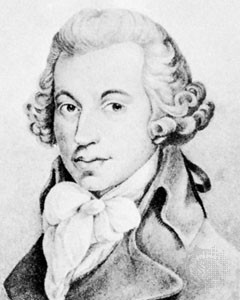
Ignaz Pleyel

Kurpfälzisches Kammerorchester Mannheim
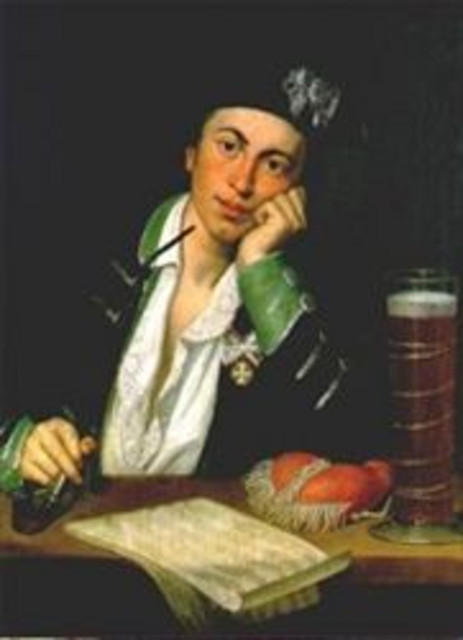
Joseph Martin Kraus

Florian Heyerick
Franz Joseph Haydn
Christian Cannabich
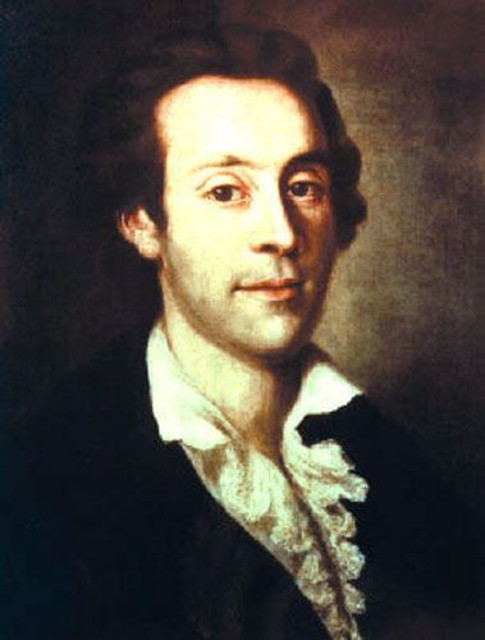
Antonio Rosetti
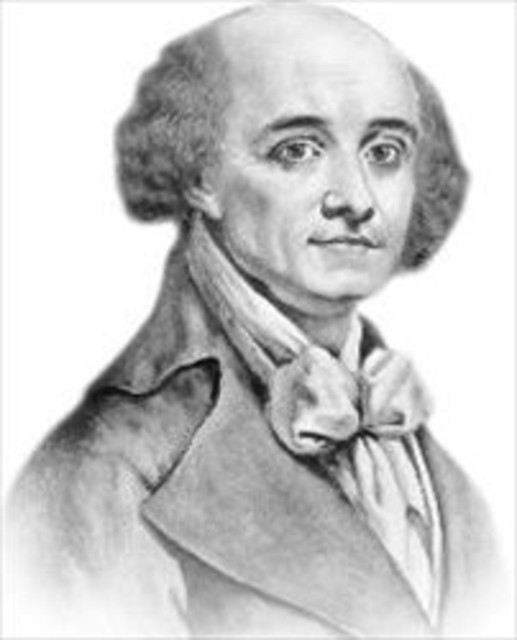
Giovanni Battista Viotti
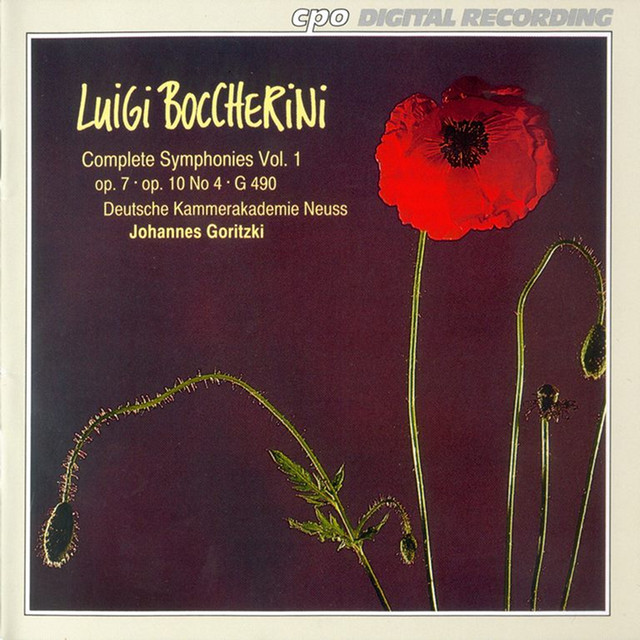
German Chamber Academy Neuss
Tamas Pal
Franz Krommer
Antal Gyorgy Csermak
I Virtuosi del Teatro alla Scala
Samuel Arnold
Dieter Klöcker
Adalbert Gyrowetz
Bernhard Paumgartner
Friedrich Witt
Orazio Sciortino
Orchestre national Auvergne-Rhône-Alpes

Vittorio Parisi
Arvid Engegard

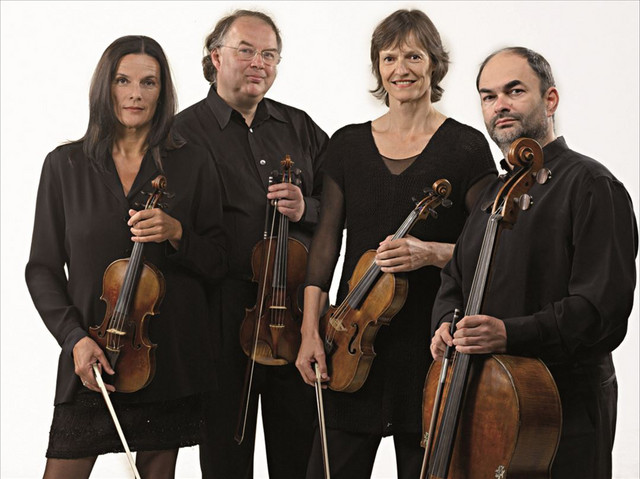
Haydn Trio Eisenstadt

Österreichische Kammersymphoniker - Wien, Massimo Palumbo & Ernst Theis
William Shield
Stephen Simon
Polish Chamber Philharmonic
Olga Nodel