Data may be outdated
Last updated: 9 months ago — Click refresh to get the latest statistics.
The Philharmonia Hungarica has a unique history emerging from one of the darkest weeks of the Cold War. After World War II, Hungary, a country that had allied itself with Nazi Germany, was occupied by Red Army troops, who backed a Communist party that seized control of the country. In 1956, a popular movement for freedom arose and ousted the Communists. Unable to tolerate this, the Soviet Union in October launched a massive tank attack on Hungary and after a few days of resistance, their overwhelming strength destroyed the fledgling free government's forces. Tens of thousands fled before the advancing Soviet forces. Austria, the only non-Communist country bordering Hungary, opened its borders to this flow of humanity, and on its soil the first displaced persons' camps since the post-War years reopened.
Among them were some of the most talented musical artists of Hungary. A young conductor, Zoltan Rozsnyai had the idea of forming an orchestra in exile from the refugees in the camps. He gathered 75 musicians. They put together a concert program and performed as the Philharmonia Hungarica in the Vienna Konzerthaus on May 28, 1957. They had spirit and passion, but they performed like an ad hoc, one-shot group. The members and Rozsnyai determined that they would build the group into a genuine professional ensemble. They were motivated by their own sense of professional pride, but also were in hopes of making permanent jobs for the orchestral players, who were refugees and homeless, in addition to being subject, should they return to the Eastern Bloc, to the death penalty.
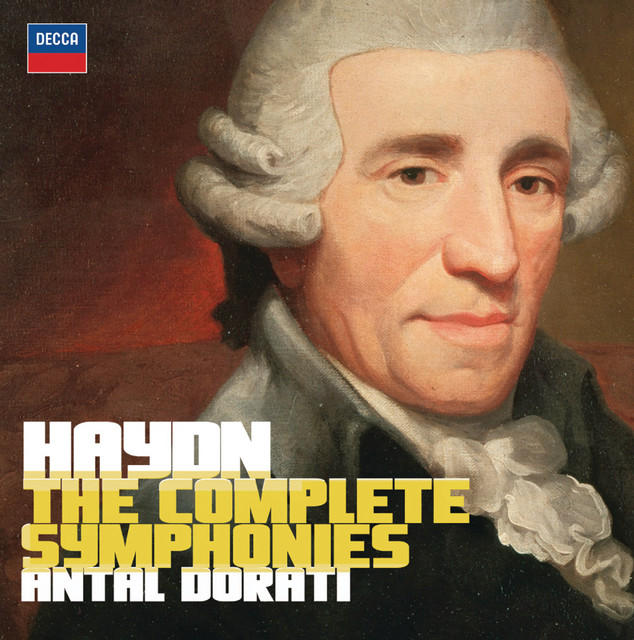
International Refugee Aid Organizations and other sponsors, including leading musicians of many nationalities, supported this effort. Among them was the perpetual humanitarian <a href="spotify:artist:32i0ni9RO8Q7T7T7ZqkGU2">Yehudi Menuhin</a> and the internationally known conductor <a href="spotify:artist:3kBrUZAp2FVhkN5bcTu0QL">Antal Dorati</a>. <a href="spotify:artist:3kBrUZAp2FVhkN5bcTu0QL">Dorati</a>, a Hungarian who had left his homeland before World War II, now had a reputation as one of the greatest living orchestra-building conductors. He agreed to work with the orchestra as their artistic mentor. He built them up, led some of the first recordings (including music of <a href="spotify:artist:5zyNXVd952fWOjkdGHCvPd">Béla Bartók</a> and <a href="spotify:artist:7MjAFDEchgyC28I0asclTE">Zoltán Kodály</a>) and took them on their first international tour. Such support enabled the orchestra to negotiate a guaranteed loan for operating expenses. Then the small city of Marl, on the Ruhr in West Germany, invited the Philharmonia Hungarica to become its resident orchestra. The musicians were delighted to find a permanent home. They continued to be an active recording orchestra with Rozsnyai, <a href="spotify:artist:3kBrUZAp2FVhkN5bcTu0QL">Dorati</a>, and others, and participated in one of the most honored projects in phonograph history, the first integral set of all <a href="spotify:artist:656RXuyw7CE0dtjdPgjJV6">Joseph Haydn</a> symphonies, conducted by <a href="spotify:artist:3kBrUZAp2FVhkN5bcTu0QL">Dorati</a>. This set won virtually all international recording prizes.
Since then the Hungarica has released over 130 discs and performed in 250 cities all over the world. It has accompanied great stars like <a href="spotify:artist:0Y8KmFkKOgJybpVobn1onU">Luciano Pavarotti</a>, <a href="spotify:artist:1ahGKezyX9Rl7GuEF2tc15">José Carreras</a>, <a href="spotify:artist:20iZXzMb8LoWXOeca32i82">Vladimir Ashkenazy</a>, <a href="spotify:artist:6bzQf5UbyQgSJlwFBglsum">Heinrich Schiff</a>, and <a href="spotify:artist:32i0ni9RO8Q7T7T7ZqkGU2">Menuhin</a>.
Following the death in 1989 of artistic mentor <a href="spotify:artist:3kBrUZAp2FVhkN5bcTu0QL">Dorati</a>, the orchestra appointed <a href="spotify:artist:32i0ni9RO8Q7T7T7ZqkGU2">Menuhin</a> as its honorary president and new artistic mentor. <a href="spotify:artist:32i0ni9RO8Q7T7T7ZqkGU2">Menuhin</a> conceived the successful plan to redirect the identity of the orchestra, establishing it as the cultural ambassador of the newly united Free Europe. Due to the great support <a href="spotify:artist:32i0ni9RO8Q7T7T7ZqkGU2">Menuhin</a> gave to the orchestra, it and the city of Marl have named the Hungarica's concert venue Lord Menuhin Hall.
The orchestra now has 80 full-time members of 14 nationalities. In 1990, following the fall of Communism in Europe, it gave its triumphant first concert in Budapest, Hungary. In 1997, Justus Frantz was appointed its chief conductor.
Among them were some of the most talented musical artists of Hungary. A young conductor, Zoltan Rozsnyai had the idea of forming an orchestra in exile from the refugees in the camps. He gathered 75 musicians. They put together a concert program and performed as the Philharmonia Hungarica in the Vienna Konzerthaus on May 28, 1957. They had spirit and passion, but they performed like an ad hoc, one-shot group. The members and Rozsnyai determined that they would build the group into a genuine professional ensemble. They were motivated by their own sense of professional pride, but also were in hopes of making permanent jobs for the orchestral players, who were refugees and homeless, in addition to being subject, should they return to the Eastern Bloc, to the death penalty.
International Refugee Aid Organizations and other sponsors, including leading musicians of many nationalities, supported this effort. Among them was the perpetual humanitarian <a href="spotify:artist:32i0ni9RO8Q7T7T7ZqkGU2">Yehudi Menuhin</a> and the internationally known conductor <a href="spotify:artist:3kBrUZAp2FVhkN5bcTu0QL">Antal Dorati</a>. <a href="spotify:artist:3kBrUZAp2FVhkN5bcTu0QL">Dorati</a>, a Hungarian who had left his homeland before World War II, now had a reputation as one of the greatest living orchestra-building conductors. He agreed to work with the orchestra as their artistic mentor. He built them up, led some of the first recordings (including music of <a href="spotify:artist:5zyNXVd952fWOjkdGHCvPd">Béla Bartók</a> and <a href="spotify:artist:7MjAFDEchgyC28I0asclTE">Zoltán Kodály</a>) and took them on their first international tour. Such support enabled the orchestra to negotiate a guaranteed loan for operating expenses. Then the small city of Marl, on the Ruhr in West Germany, invited the Philharmonia Hungarica to become its resident orchestra. The musicians were delighted to find a permanent home. They continued to be an active recording orchestra with Rozsnyai, <a href="spotify:artist:3kBrUZAp2FVhkN5bcTu0QL">Dorati</a>, and others, and participated in one of the most honored projects in phonograph history, the first integral set of all <a href="spotify:artist:656RXuyw7CE0dtjdPgjJV6">Joseph Haydn</a> symphonies, conducted by <a href="spotify:artist:3kBrUZAp2FVhkN5bcTu0QL">Dorati</a>. This set won virtually all international recording prizes.
Since then the Hungarica has released over 130 discs and performed in 250 cities all over the world. It has accompanied great stars like <a href="spotify:artist:0Y8KmFkKOgJybpVobn1onU">Luciano Pavarotti</a>, <a href="spotify:artist:1ahGKezyX9Rl7GuEF2tc15">José Carreras</a>, <a href="spotify:artist:20iZXzMb8LoWXOeca32i82">Vladimir Ashkenazy</a>, <a href="spotify:artist:6bzQf5UbyQgSJlwFBglsum">Heinrich Schiff</a>, and <a href="spotify:artist:32i0ni9RO8Q7T7T7ZqkGU2">Menuhin</a>.
Following the death in 1989 of artistic mentor <a href="spotify:artist:3kBrUZAp2FVhkN5bcTu0QL">Dorati</a>, the orchestra appointed <a href="spotify:artist:32i0ni9RO8Q7T7T7ZqkGU2">Menuhin</a> as its honorary president and new artistic mentor. <a href="spotify:artist:32i0ni9RO8Q7T7T7ZqkGU2">Menuhin</a> conceived the successful plan to redirect the identity of the orchestra, establishing it as the cultural ambassador of the newly united Free Europe. Due to the great support <a href="spotify:artist:32i0ni9RO8Q7T7T7ZqkGU2">Menuhin</a> gave to the orchestra, it and the city of Marl have named the Hungarica's concert venue Lord Menuhin Hall.
The orchestra now has 80 full-time members of 14 nationalities. In 1990, following the fall of Communism in Europe, it gave its triumphant first concert in Budapest, Hungary. In 1997, Justus Frantz was appointed its chief conductor.
Monthly Listeners
7,623
Monthly Listeners History
Track the evolution of monthly listeners over the last 28 days.
Followers
1,881
Followers History
Track the evolution of followers over the last 28 days.
Top Cities
153 listeners

104 listeners

100 listeners
94 listeners

91 listeners

Related Artists

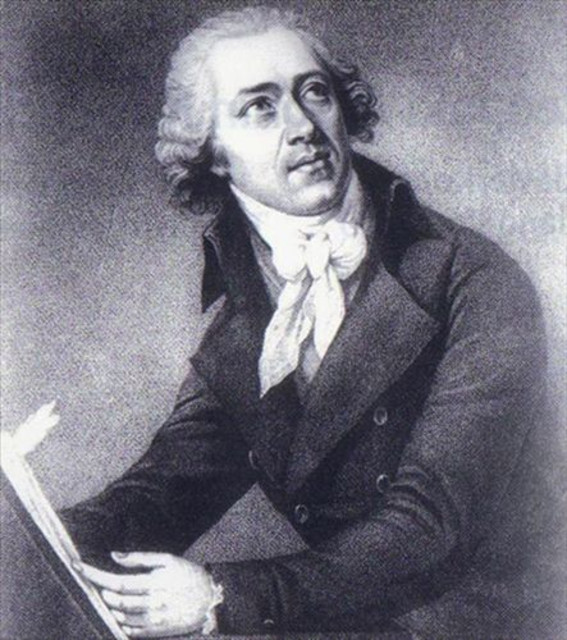
Leopold Koželuch
German Chamber Academy Neuss
Georg Mais

Capella Academica Wien
Johannes Moesus

Kurpfälzisches Kammerorchester Mannheim
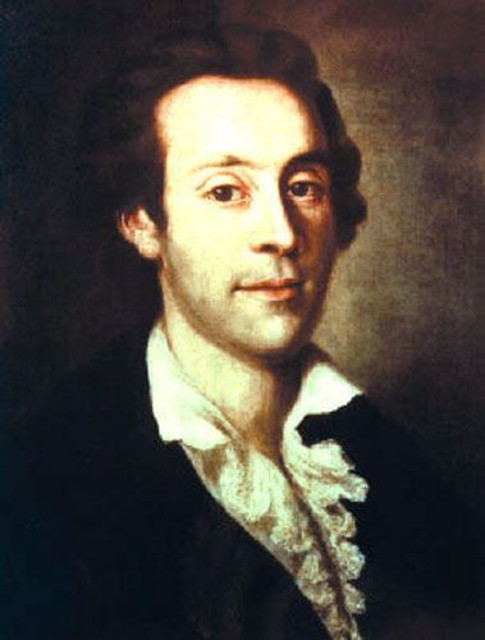
Antonio Rosetti
Christian Cannabich

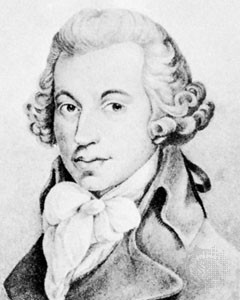
Ignaz Pleyel

Florian Heyerick
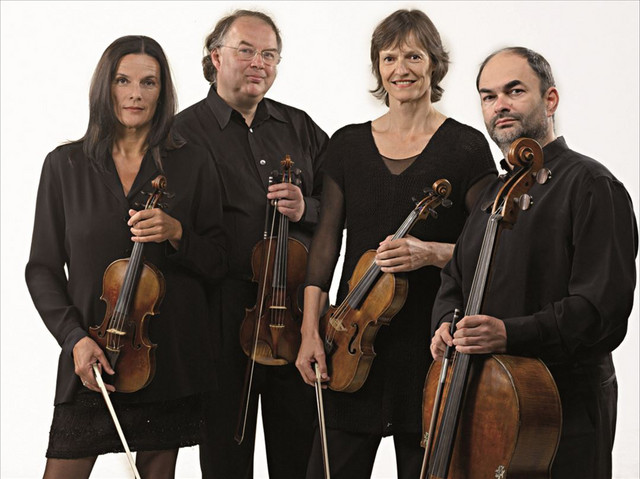
Franz Krommer
Bernhard Paumgartner
Orazio Sciortino
Franz Joseph Haydn

Dennis Brain

Österreichische Kammersymphoniker - Wien, Massimo Palumbo & Ernst Theis
Antal Gyorgy Csermak
Bläserensemble Sabine Meyer
Samuel Arnold
Joseph Martin Kraus
Buchberger Quartet
Neithard Bethke
Adalbert Gyrowetz
Tamas Pal