Data may be outdated
Last updated: 9 months ago — Click refresh to get the latest statistics.
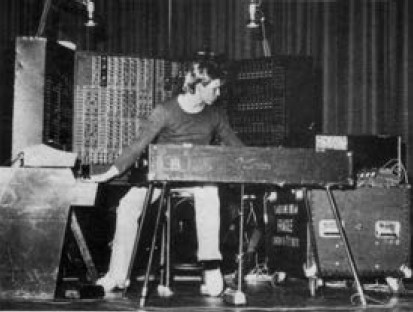
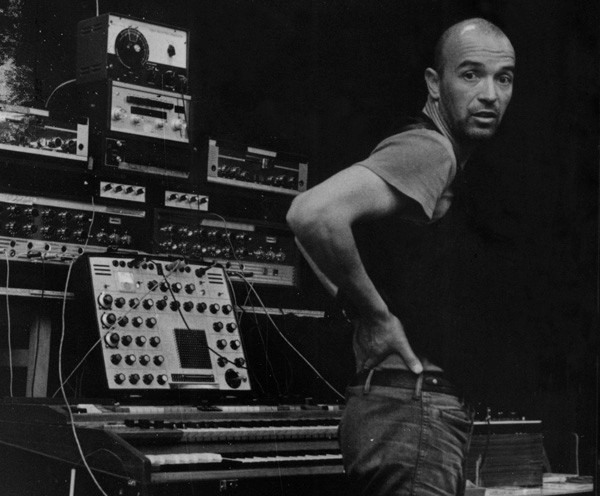
A longtime member of the groundbreaking electronic group <a href="spotify:artist:1BGN1IdyiSR0ZYrkoKNchl">Tangerine Dream</a>, keyboardist and composer Peter Baumann was born in Berlin on January 29, 1953. A classically trained performer, he formed his first rock band at age 14, appearing in a series of short-lived groups before joining <a href="spotify:artist:1BGN1IdyiSR0ZYrkoKNchl">Tangerine Dream</a> in 1971. With only a few temporary breaks, Baumann remained with the project for seven years, during that time greatly expanding the parameters of electronic music through his contributions to landmark records including Zeit, Atem, and Phaedra. Although he left <a href="spotify:artist:1BGN1IdyiSR0ZYrkoKNchl">Tangerine Dream</a> in 1977, Baumann mounted a solo career a year earlier with the release of Romance '76, which heralded a move toward electronic pop structures. Baumann produced <a href="spotify:artist:5mNY0NPszdalbrb4ITO3M8">Cluster</a>'s 1979 album Grosses Wasser, as well as solo work by the duo's Hans-Joachim Roedelius.
In the wake of his 1979 solo album Trans-Harmonic Nights, Baumann relocated from Germany to New York City and began work on 1981's Repeat Repeat, his most club-oriented effort to date. In 1982, Baumann collaborated with <a href="spotify:artist:79f49kyfxgPm1WF8EHz2vf">Conrad Schnitzler</a> and his son Gregor Schnitzler for a new wave side project called Berlin Express, who released a single titled "The Russians Are Coming." Upon completing 1983's more pop-focused Strangers in the Night, Baumann formed his own label, <a href="spotify:search:label%3A%22Private+Music%22">Private Music</a>, which later emerged as a major new age outlet thanks to signings including <a href="spotify:artist:72qxDp6R6v22pai96pZioz">Yanni</a>, <a href="spotify:artist:59B2CHEMh1to8diq0jB92r">John Tesh</a>, and <a href="spotify:artist:08b6RShfMPcbl6FQZx9ax2">Shadowfax</a>. The label consumed much of his energy for the remainder of the decade, but in 1990 Baumann appeared poised to return to performing as a member of Blue Room alongside <a href="spotify:artist:5d9PdhcsOsXj0GIM857nvE">Paul Haslinger</a> and <a href="spotify:artist:0ohMm0liNC3Iwhk4elZyok">John Baxter</a>. However, the group's planned debut was scrapped two years later. A disheartened Baumann eventually sold his interests in <a href="spotify:search:label%3A%22Private+Music%22">Private Music</a> and retired from the music business. He later moved to San Francisco, and in 2009 he established the Baumann Foundation, an organization that focuses on the nature of awareness in relation to human health and well-being.
In late 2014, Baumann got the urge to began creating music again. He set up a recording studio in his basement in order to work on new music, and he flew to Austria to meet up with his former bandmate, <a href="spotify:artist:1BGN1IdyiSR0ZYrkoKNchl">Tangerine Dream</a> founder <a href="spotify:artist:2XP4UvuJoUxBIjO95l8Mlr">Edgar Froese</a>, with the intention of a renewed collaboration. Unfortunately, <a href="spotify:artist:2XP4UvuJoUxBIjO95l8Mlr">Froese</a> passed away shortly afterwards, but Baumann worked with the remaining lineup of <a href="spotify:artist:1BGN1IdyiSR0ZYrkoKNchl">Tangerine Dream</a> during the year. Baumann made his return to the music world with his first solo album since 1983, Machines of Desire, which was issued by <a href="spotify:search:label%3A%22Bureau+B%22">Bureau B</a> in 2016. ~ Jason Ankeny, Rovi
In the wake of his 1979 solo album Trans-Harmonic Nights, Baumann relocated from Germany to New York City and began work on 1981's Repeat Repeat, his most club-oriented effort to date. In 1982, Baumann collaborated with <a href="spotify:artist:79f49kyfxgPm1WF8EHz2vf">Conrad Schnitzler</a> and his son Gregor Schnitzler for a new wave side project called Berlin Express, who released a single titled "The Russians Are Coming." Upon completing 1983's more pop-focused Strangers in the Night, Baumann formed his own label, <a href="spotify:search:label%3A%22Private+Music%22">Private Music</a>, which later emerged as a major new age outlet thanks to signings including <a href="spotify:artist:72qxDp6R6v22pai96pZioz">Yanni</a>, <a href="spotify:artist:59B2CHEMh1to8diq0jB92r">John Tesh</a>, and <a href="spotify:artist:08b6RShfMPcbl6FQZx9ax2">Shadowfax</a>. The label consumed much of his energy for the remainder of the decade, but in 1990 Baumann appeared poised to return to performing as a member of Blue Room alongside <a href="spotify:artist:5d9PdhcsOsXj0GIM857nvE">Paul Haslinger</a> and <a href="spotify:artist:0ohMm0liNC3Iwhk4elZyok">John Baxter</a>. However, the group's planned debut was scrapped two years later. A disheartened Baumann eventually sold his interests in <a href="spotify:search:label%3A%22Private+Music%22">Private Music</a> and retired from the music business. He later moved to San Francisco, and in 2009 he established the Baumann Foundation, an organization that focuses on the nature of awareness in relation to human health and well-being.
In late 2014, Baumann got the urge to began creating music again. He set up a recording studio in his basement in order to work on new music, and he flew to Austria to meet up with his former bandmate, <a href="spotify:artist:1BGN1IdyiSR0ZYrkoKNchl">Tangerine Dream</a> founder <a href="spotify:artist:2XP4UvuJoUxBIjO95l8Mlr">Edgar Froese</a>, with the intention of a renewed collaboration. Unfortunately, <a href="spotify:artist:2XP4UvuJoUxBIjO95l8Mlr">Froese</a> passed away shortly afterwards, but Baumann worked with the remaining lineup of <a href="spotify:artist:1BGN1IdyiSR0ZYrkoKNchl">Tangerine Dream</a> during the year. Baumann made his return to the music world with his first solo album since 1983, Machines of Desire, which was issued by <a href="spotify:search:label%3A%22Bureau+B%22">Bureau B</a> in 2016. ~ Jason Ankeny, Rovi
Monthly Listeners
13,834
Monthly Listeners History
Track the evolution of monthly listeners over the last 28 days.
Followers
16,525
Followers History
Track the evolution of followers over the last 28 days.
Top Cities



Related Artists







Redshift







adelbert von deyen

Rolf Trostel