Data may be outdated
Last updated: 9 months ago — Click refresh to get the latest statistics.
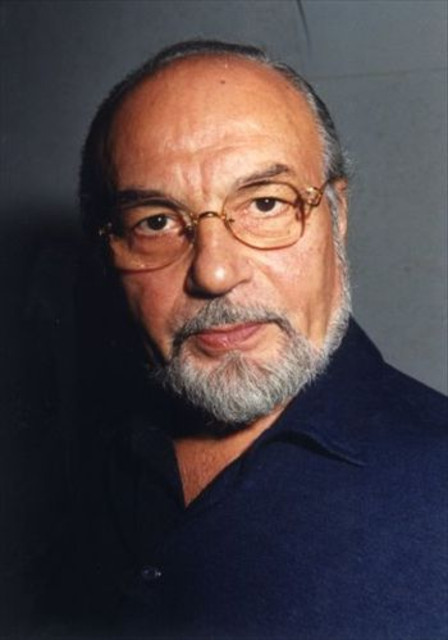
Bruson was one of the foremost bel canto and <a href="spotify:artist:1JOQXgYdQV2yfrhewqx96o">Verdi</a> baritones of his generation, and while this side of his artistry is lesser-known in the United States, he was also an accomplished song performer, specializing again in Romantic-era Italian works. He frequently championed the songs of <a href="spotify:artist:4JMye18gQjYis7boz7XWyC">Tosti</a>, and was named an honorary citizen of Cortona, Tosti's home city, in recognition of this. While his Verdi roles are perhaps his best-known, especially Macbeth, Rigoletto, Renato (Un Ballo in Maschera), and Simon Boccanegra, he sang in no fewer than seventeen <a href="spotify:artist:2jCGEMSZXMSOImpD8sqo56">Donizetti</a> operas during the 1970s and 1980s, just ahead of the crest of a great resurgence of interest in lesser-known nineteenth-century works.
Bruson's family was unable to afford any kind of musical schooling, but encouraged him to sing in the local church choir, and after finishing regular school, he auditioned for the Padova Conservatory, and was offered a five-year scholarship. There he studied with Elena Fava Cerati, who trained him thoroughly in the bel canto style and technique.
He made his opera debut as the Conte di Luna in Il Trovatore at Spoleto in 1961. He appeared at the Met for the first time in 1969, as Enrico in Lucia di Lammermoor, and made his La Scala debut in Linda di Chamonix in 1972. In 1973, he made his Chicago Lyric Opera debut as Renato in Un Ballo in Maschera, and in 1975 he made his Covent Garden debut in the same role, substituting for an ill <a href="spotify:artist:3RUGMx9yxNg3lltGmkTB2I">Piero Cappuccilli</a>. His Vienna State Opera debut was in 1978, as Verdi's Macbeth. He sang with <a href="spotify:artist:7silW8RiEOoLBgAg5JBCL1">Riccardo Muti</a> for the first time in 1970, and over the years became an adherent of Muti's insistence on singing come scritto, without singer-interpolated high notes, believing that this focuses attention on the music and drama rather than the singer.
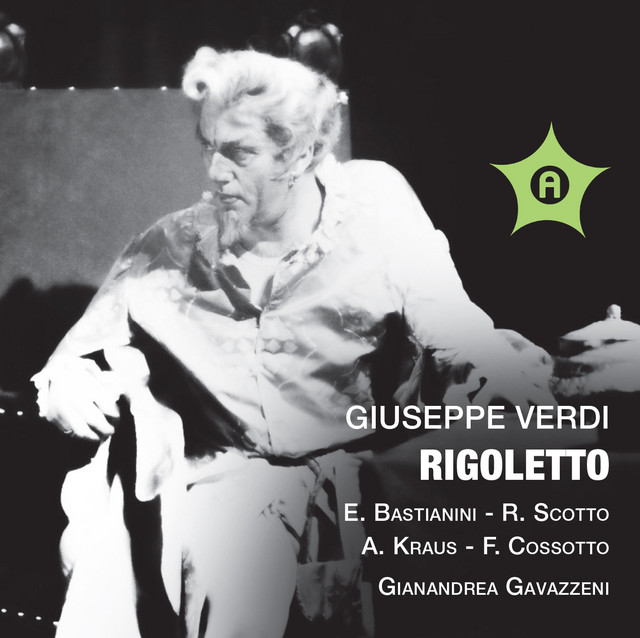
His Rigoletto on Philips (289 462 158-2) captures one of his major roles quite well, and among his many Tosti recordings on Nuova Era, Romanze su Testi Italiani (7233) is one of the strongest.
Bruson's family was unable to afford any kind of musical schooling, but encouraged him to sing in the local church choir, and after finishing regular school, he auditioned for the Padova Conservatory, and was offered a five-year scholarship. There he studied with Elena Fava Cerati, who trained him thoroughly in the bel canto style and technique.
He made his opera debut as the Conte di Luna in Il Trovatore at Spoleto in 1961. He appeared at the Met for the first time in 1969, as Enrico in Lucia di Lammermoor, and made his La Scala debut in Linda di Chamonix in 1972. In 1973, he made his Chicago Lyric Opera debut as Renato in Un Ballo in Maschera, and in 1975 he made his Covent Garden debut in the same role, substituting for an ill <a href="spotify:artist:3RUGMx9yxNg3lltGmkTB2I">Piero Cappuccilli</a>. His Vienna State Opera debut was in 1978, as Verdi's Macbeth. He sang with <a href="spotify:artist:7silW8RiEOoLBgAg5JBCL1">Riccardo Muti</a> for the first time in 1970, and over the years became an adherent of Muti's insistence on singing come scritto, without singer-interpolated high notes, believing that this focuses attention on the music and drama rather than the singer.
His Rigoletto on Philips (289 462 158-2) captures one of his major roles quite well, and among his many Tosti recordings on Nuova Era, Romanze su Testi Italiani (7233) is one of the strongest.
Monthly Listeners
8,830
Monthly Listeners History
Track the evolution of monthly listeners over the last 28 days.
Followers
3,931
Followers History
Track the evolution of followers over the last 28 days.
Top Cities
187 listeners

145 listeners

133 listeners

130 listeners

128 listeners

Related Artists
Arrigo Boito

Giorgio Tozzi
Anna Di Stasio

Fedora Barbieri
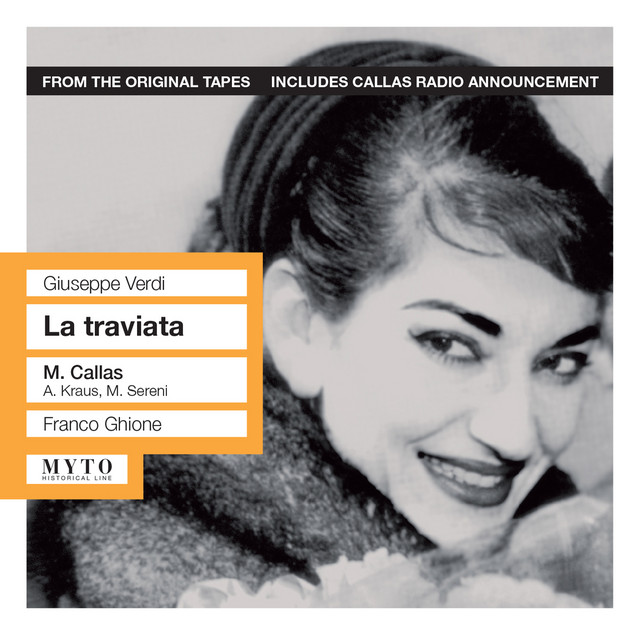
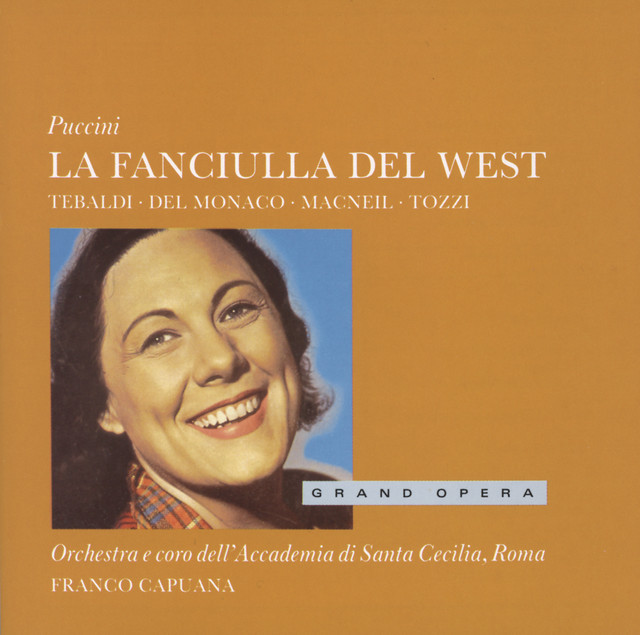
Franco Capuana


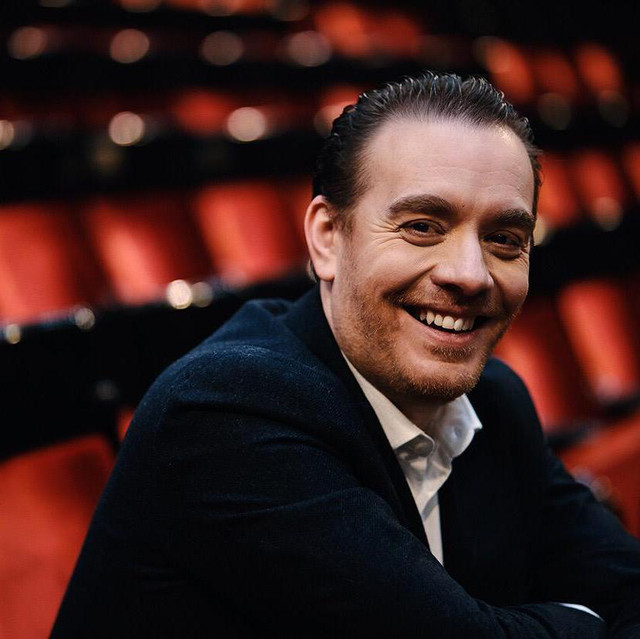
Francesco Meli
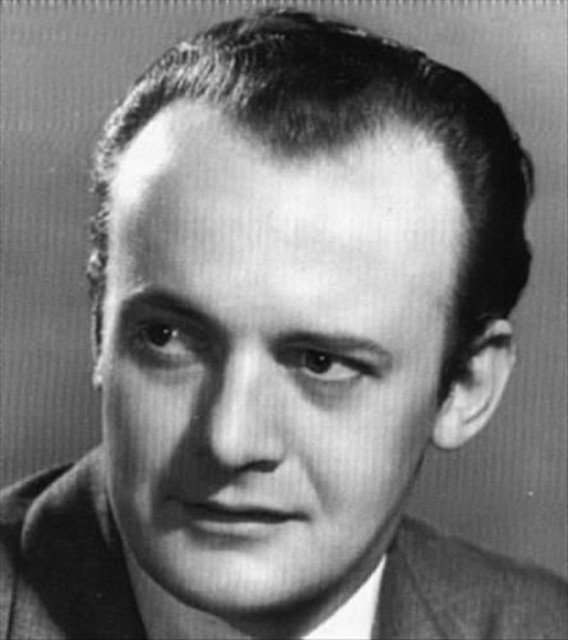
Nicola Rossi-Lemeni
Coro del Maggio Musicale Fiorentino
Metropolitan Opera Chorus
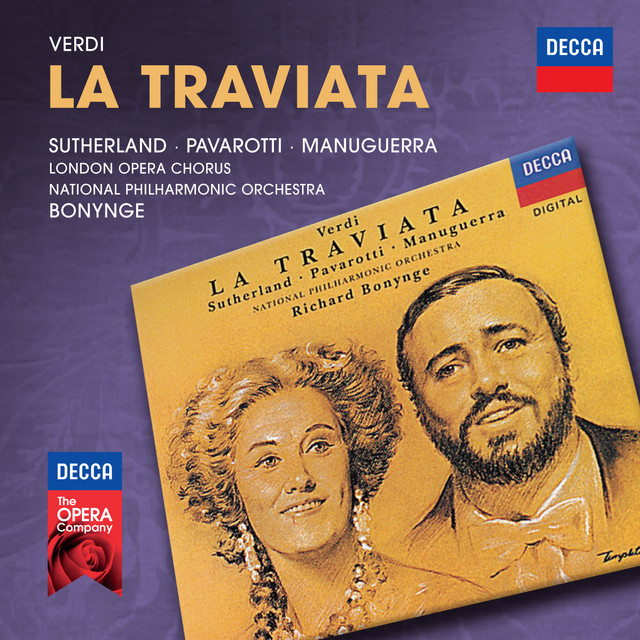
Matteo Manuguerra

Sesto Bruscantini
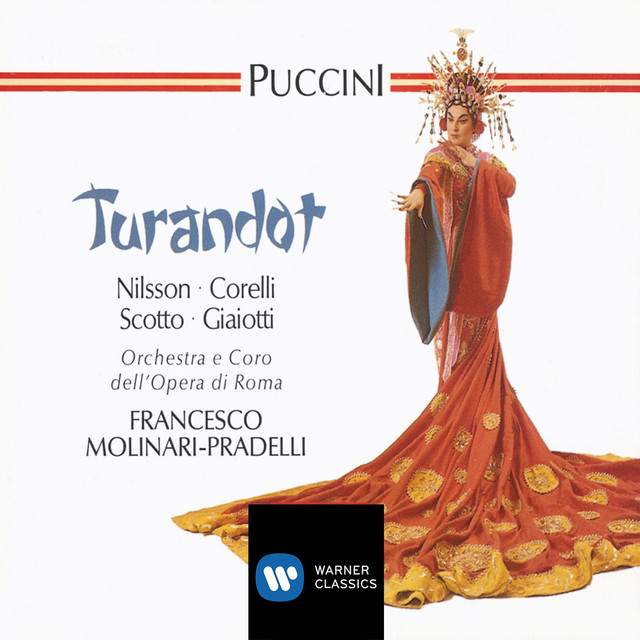
Bonaldo Giaiotti

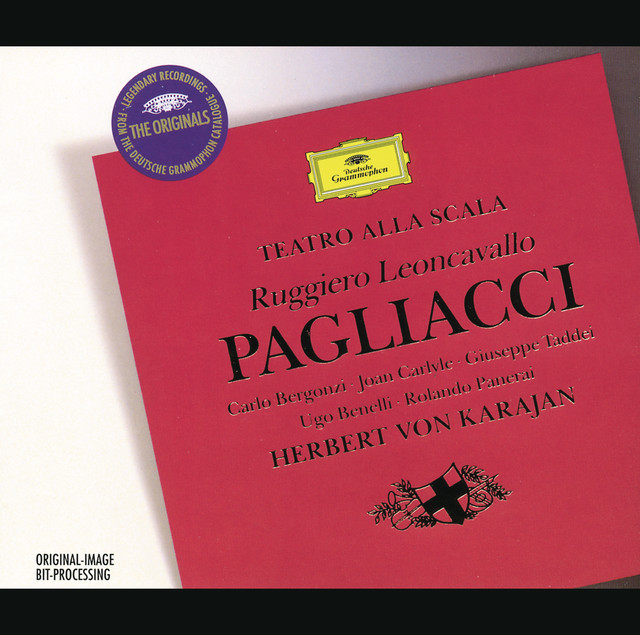
Giuseppe Morresi

Gabriel Bacquier

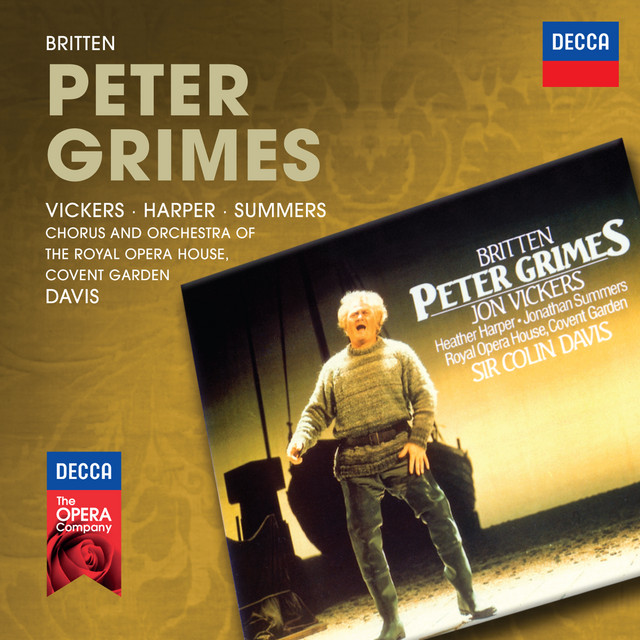
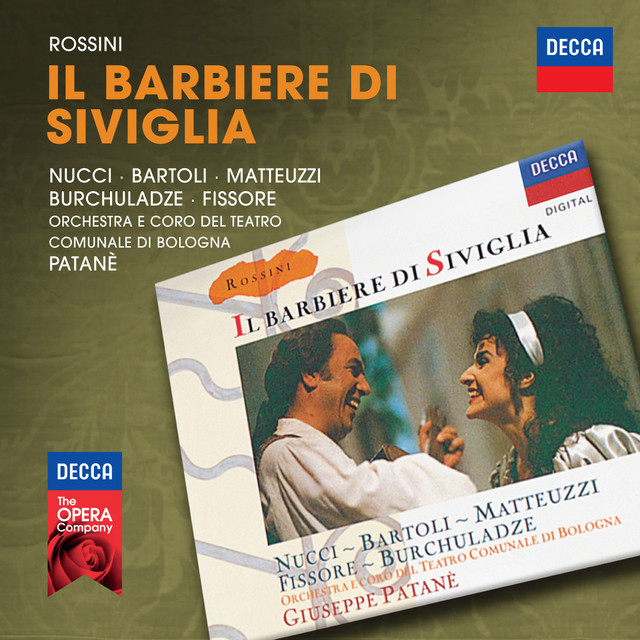
Enrico Fissore