Data may be outdated
Last updated: 9 months ago — Click refresh to get the latest statistics.
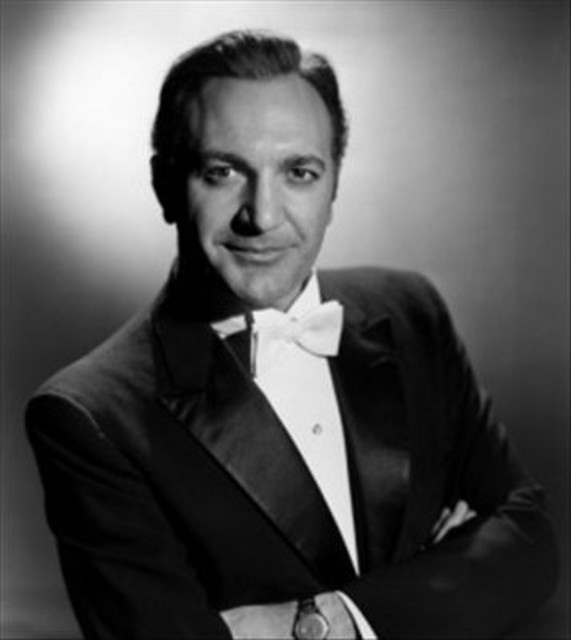
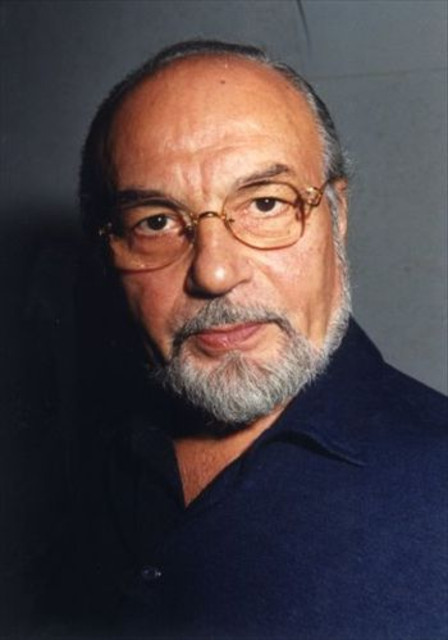
While Ettore Bastianini's career was quite short, it was also distinguished. He was regarded as having one of the finest <a href="spotify:artist:1JOQXgYdQV2yfrhewqx96o">Verdi</a> and verismo voices of his day, though his vocal gifts were not always matched by an equal musicianship.
Bastianini studied privately with Gaetano Vanni, and sang in the local choir. His professional solo debut was in a concert in Siena early in 1945, and his operatic debut was at the Ravenna opera as Colline in <a href="spotify:artist:0OzxPXyowUEQ532c9AmHUR">Puccini</a>'s La bohème later that year. He sang at the smaller houses throughout Italy and even went abroad to Cairo with a touring company, still singing the bass repertoire, including Mephistopheles in <a href="spotify:artist:42Vmza0WYHdhsgxFmf9Tui">Gounod</a>'s Faust. His La Scala debut was in 1948 as Tirésias in <a href="spotify:artist:7ie36YytMoKtPiL7tUvmoE">Stravinsky</a>'s Oedipus Rex. During these years, he began to wonder if he was truly a bass, and in 1951, he made his debut as a baritone early in 1951 at the Bologna Opera as Germont in <a href="spotify:artist:1JOQXgYdQV2yfrhewqx96o">Verdi</a>'s La traviata. However, the performance was not especially successful, and he resumed intense studies over the next few months, giving special attention to developing his upper register. When he returned to the stage that summer, he had achieved just that goal, and his high notes were now considered his vocal glory. In 1953, he made his Metropolitan Opera debut as Germont, following that in 1954 with his La Scala debut in the title role of <a href="spotify:artist:3MKCzCnpzw3TjUYs2v7vDA">Tchaikovsky</a>'s Eugene Onegin. In 1956, he made his Chicago debut as Riccardo in <a href="spotify:artist:6AphpMkKDU4I3Z6XaGu1UV">Bellini</a>'s I puritani. In 1962, he made his Covent Garden debut as Renato in Un ballo in maschera. Early in 1963, he left the stage for a few months, letting it be understood that he was resting, but in fact, he was undergoing treatment for throat cancer. His return performances and subsequent performances were poorly received, often with booing from the audience, as he was often hoarse, off-pitch, and under-powered. While he was deeply dismayed at this, he still did not speak of his illness; for all except family and close friends, it came as a complete surprise until after the announcement of his death. His last performance was in 1965 at the Metropolitan Opera.
Bastianini studied privately with Gaetano Vanni, and sang in the local choir. His professional solo debut was in a concert in Siena early in 1945, and his operatic debut was at the Ravenna opera as Colline in <a href="spotify:artist:0OzxPXyowUEQ532c9AmHUR">Puccini</a>'s La bohème later that year. He sang at the smaller houses throughout Italy and even went abroad to Cairo with a touring company, still singing the bass repertoire, including Mephistopheles in <a href="spotify:artist:42Vmza0WYHdhsgxFmf9Tui">Gounod</a>'s Faust. His La Scala debut was in 1948 as Tirésias in <a href="spotify:artist:7ie36YytMoKtPiL7tUvmoE">Stravinsky</a>'s Oedipus Rex. During these years, he began to wonder if he was truly a bass, and in 1951, he made his debut as a baritone early in 1951 at the Bologna Opera as Germont in <a href="spotify:artist:1JOQXgYdQV2yfrhewqx96o">Verdi</a>'s La traviata. However, the performance was not especially successful, and he resumed intense studies over the next few months, giving special attention to developing his upper register. When he returned to the stage that summer, he had achieved just that goal, and his high notes were now considered his vocal glory. In 1953, he made his Metropolitan Opera debut as Germont, following that in 1954 with his La Scala debut in the title role of <a href="spotify:artist:3MKCzCnpzw3TjUYs2v7vDA">Tchaikovsky</a>'s Eugene Onegin. In 1956, he made his Chicago debut as Riccardo in <a href="spotify:artist:6AphpMkKDU4I3Z6XaGu1UV">Bellini</a>'s I puritani. In 1962, he made his Covent Garden debut as Renato in Un ballo in maschera. Early in 1963, he left the stage for a few months, letting it be understood that he was resting, but in fact, he was undergoing treatment for throat cancer. His return performances and subsequent performances were poorly received, often with booing from the audience, as he was often hoarse, off-pitch, and under-powered. While he was deeply dismayed at this, he still did not speak of his illness; for all except family and close friends, it came as a complete surprise until after the announcement of his death. His last performance was in 1965 at the Metropolitan Opera.
Monthly Listeners
9,531
Monthly Listeners History
Track the evolution of monthly listeners over the last 28 days.
Followers
6,407
Followers History
Track the evolution of followers over the last 28 days.
Top Cities
243 listeners

231 listeners
166 listeners
116 listeners
110 listeners

Related Artists

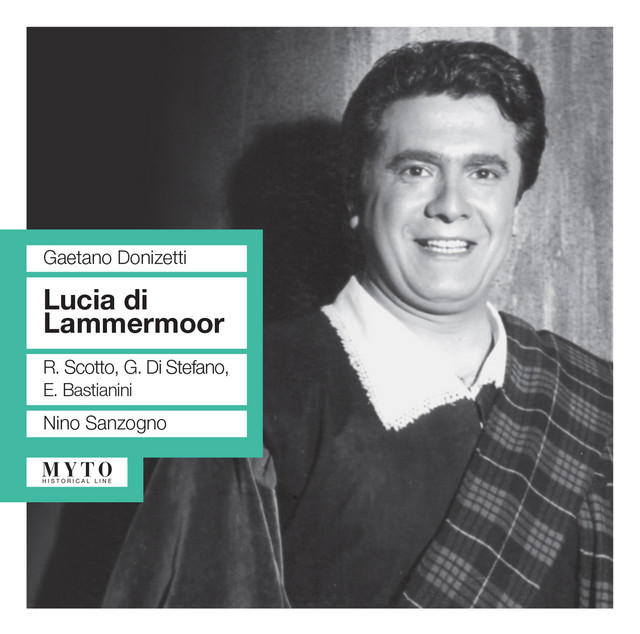
Coro del Maggio Musicale Fiorentino
Matteo Manuguerra

Leonardo Monreale
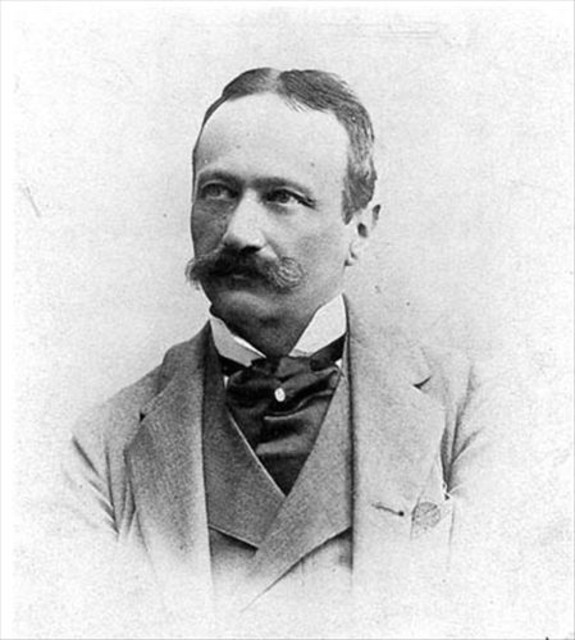
Arrigo Boito


Fedora Barbieri
Giuseppe Morresi


Franco Capuana
Bonaldo Giaiotti
Metropolitan Opera Chorus
Francesco Meli

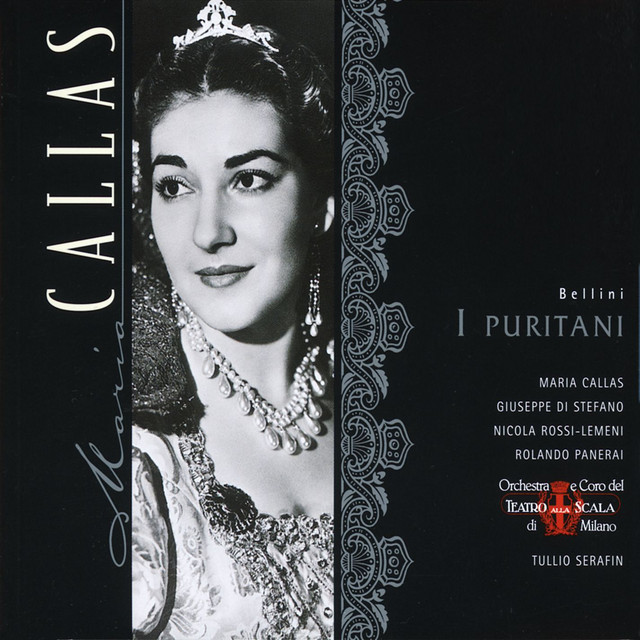
Nicola Rossi-Lemeni
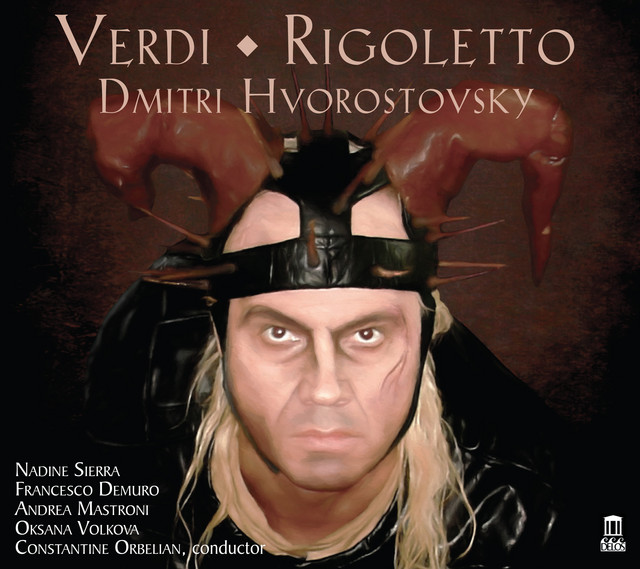
Francesco Demuro

Felice Romani
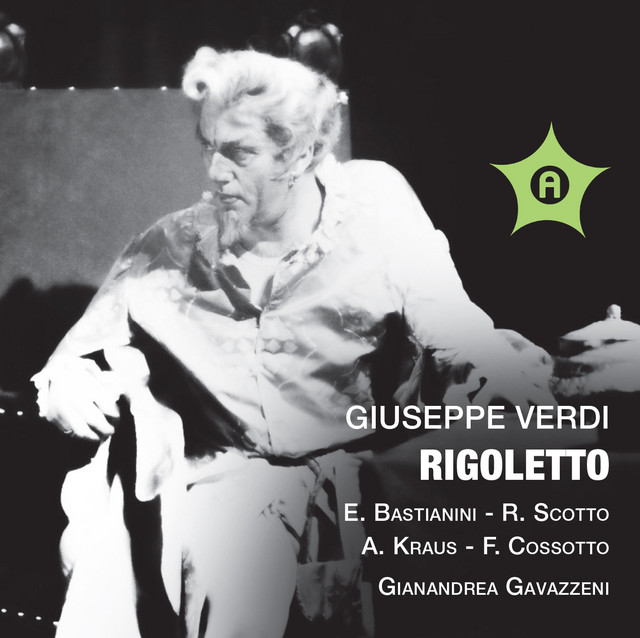
Enrico Fissore