Data may be outdated
Last updated: 9 months ago — Click refresh to get the latest statistics.
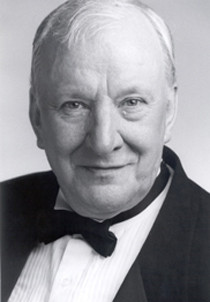
A remarkably prolific composer and versatile pianist, Richard Rodney Bennett divided his attention among three primary musical interests: film music in an often Romantic style, concert music owing much to serialism, and jazz and cabaret music. Bennett began following all of these avenues by the 1950s, but he never allowed the paths to intersect. Each pursuit maintained its own integrity and in no way could he be considered a crossover artist. He was writing music even as he was learning to read, and produced three string quartets by the time he was 18. Bennett enrolled in the Royal Academy of Music in 1953, studying composition with <a href="spotify:artist:7jDZiBXUkABNmKdgQh0ISi">Howard Ferguson</a> and <a href="spotify:artist:2V0VrZFIcWB3jB8FXrYyQs">Lennox Berkeley</a>. He graduated in 1956, then spent 1957 - 1959 as a scholarship student in Paris with <a href="spotify:artist:2prZJWfQMnIgwUKxKcBxH7">Pierre Boulez</a>. Here, Bennett was thoroughly indoctrinated in <a href="spotify:artist:2prZJWfQMnIgwUKxKcBxH7">Boulez</a>'s technique of total serialism and the German avant-garde, but his only surviving work from this period is Cycle II for Paul Jacobs. Bennett almost immediately took a highly personal approach to serialism, focusing on the melodic possibilities of a tone row and readily exploring its harmonic potential. A turning point came in 1981 with his ballet Noctuary, which fused the tonality of the <a href="spotify:artist:5FgkTUuCNKDlilidPvZqOq">Scott Joplin</a> piece on which it was based with Bennett's usual atonal serialism. After this, Bennett's techniques became much freer; while still atonal, his highly expressive music shook off the strictest controls of serialism and often indulged in quotation of earlier composers. Bennett's catalog includes four string quartets, three symphonies, concertos for almost all the principal instruments (including harpsichord), and a great deal of chamber music. He frequently wrote for woodwinds throughout his career, but began to focus more intently on them in the late '80s upon befriending many wind players in his capacity as a piano accompanist. Since 1956, Bennett had also been writing film scores in a much more conservative style. He became a favorite composer of Joseph Losey, among other directors, and among his some 50 cinematic efforts are scores for such popular movies as Far from the Madding Crowd, Nicholas and Alexandra, Murder on the Orient Express, and Four Weddings and a Funeral. It was also in the 1950s that Bennett became interested in jazz, particularly as a pianist. He kept this fascination largely to himself until the 1990s, when he began touring the world with a solo cabaret act, singing and playing jazz pieces and torch songs.
Monthly Listeners
65,786
Monthly Listeners History
Track the evolution of monthly listeners over the last 28 days.
Followers
1,992
Followers History
Track the evolution of followers over the last 28 days.
Top Cities




Related Artists
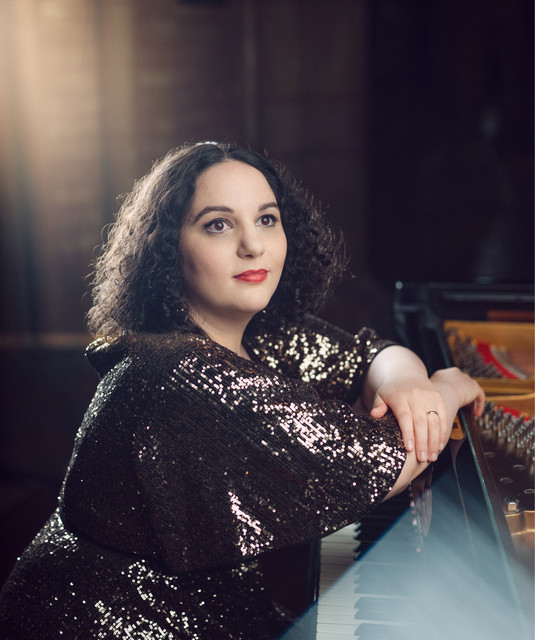
Kristina Arakelyan
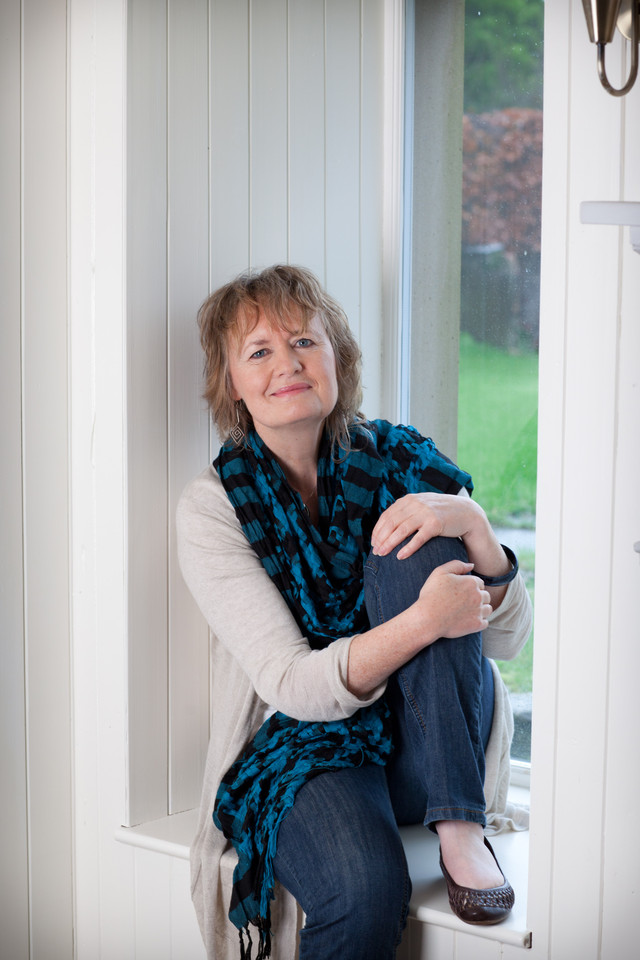
Sally Beamish

The Sixteen / Harry Christophers

Bill Ives

Yves Castagnet
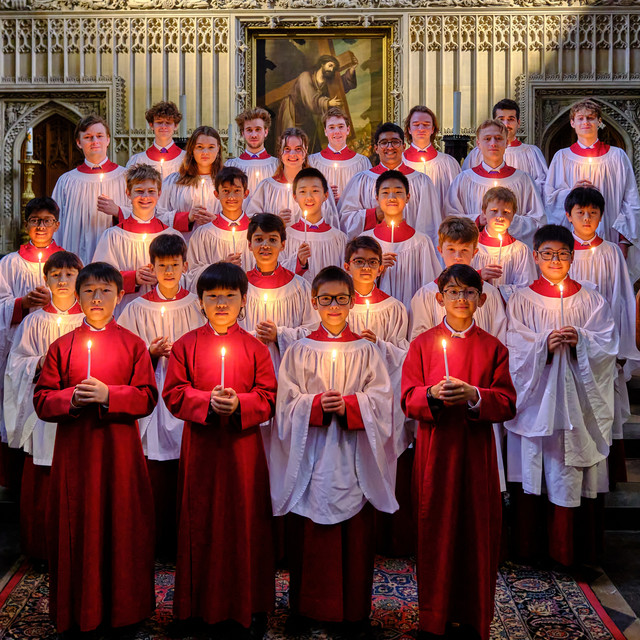
The Choir of Magdalen College, Oxford
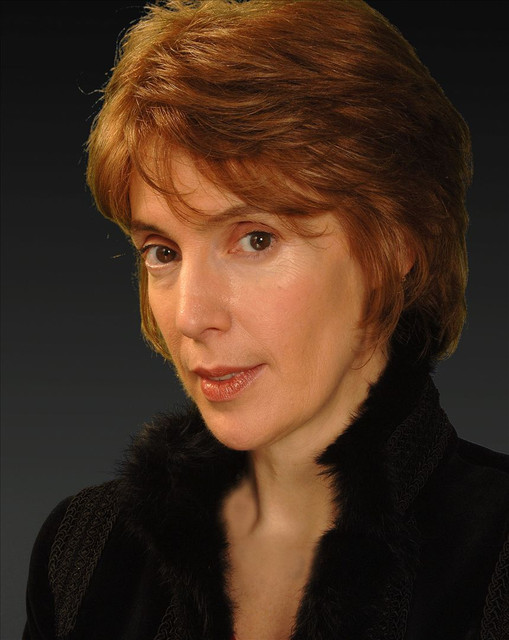
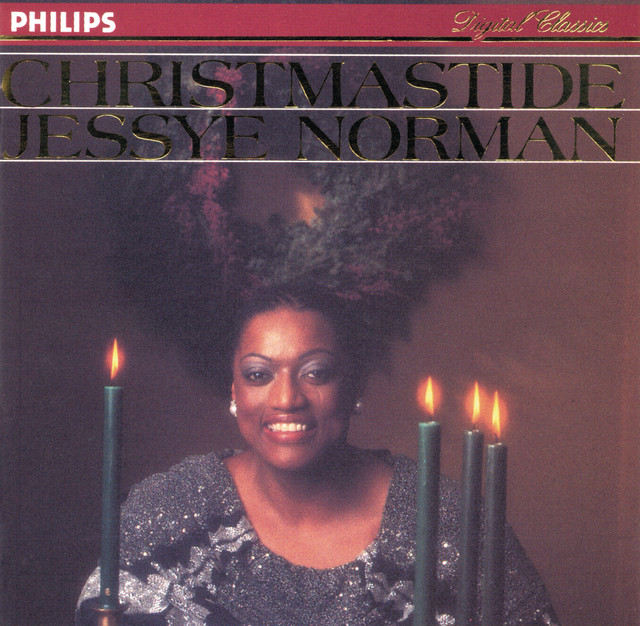
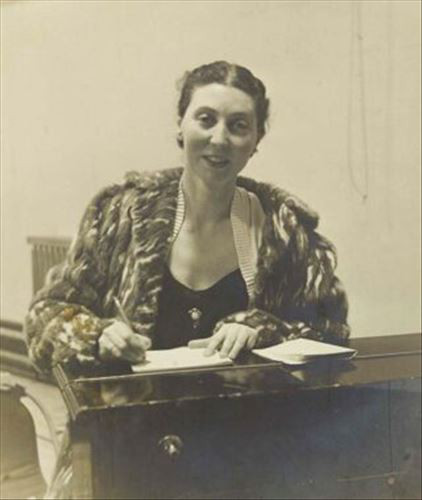
Elizabeth Poston
Timothy C. Takach


Owen Burdick
Sioned Williams
Iain Simcock


Toronto Children's Chorus

James O'Donnell
Iain Farrington
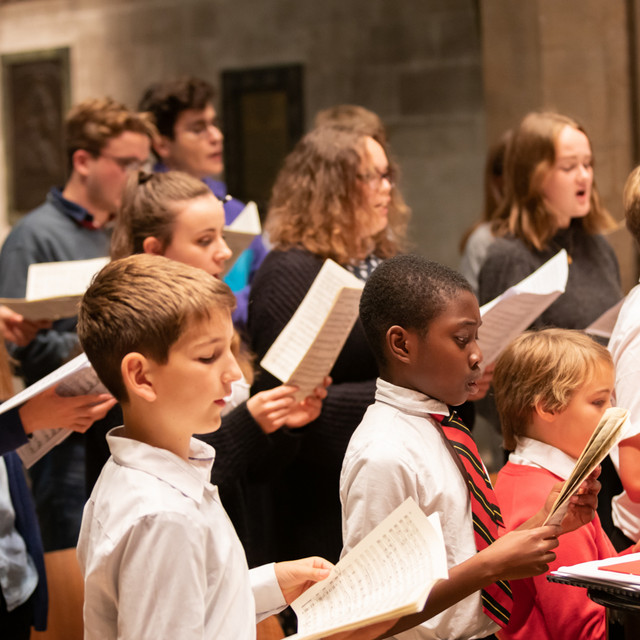
Choir of Jesus College, Cambridge