Data may be outdated
Last updated: 1 week ago — Click refresh to get the latest statistics.
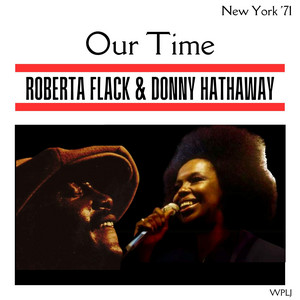
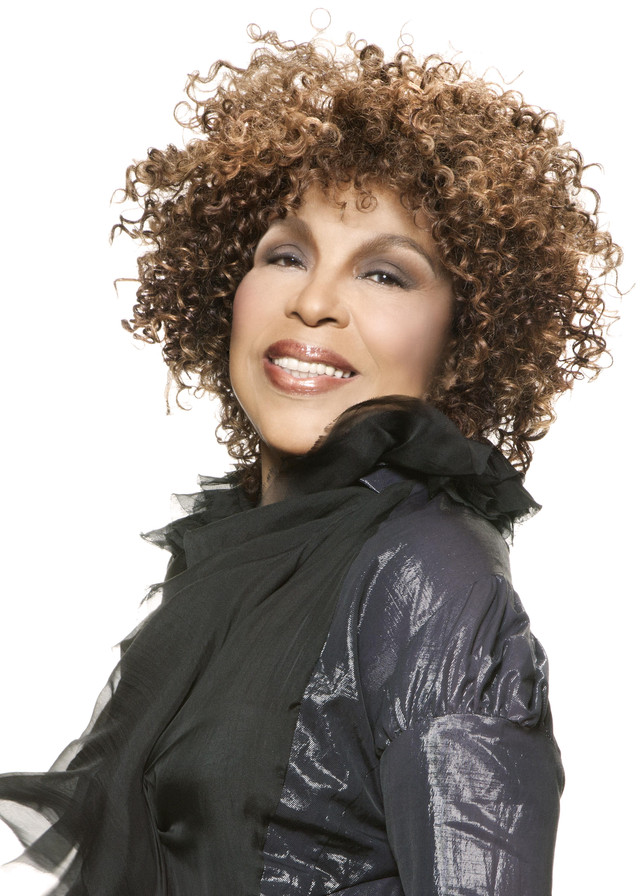
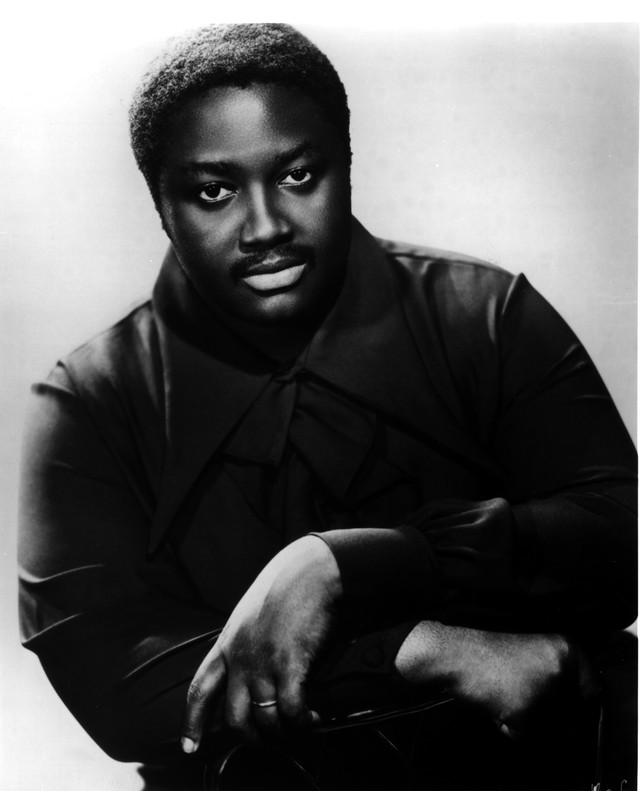
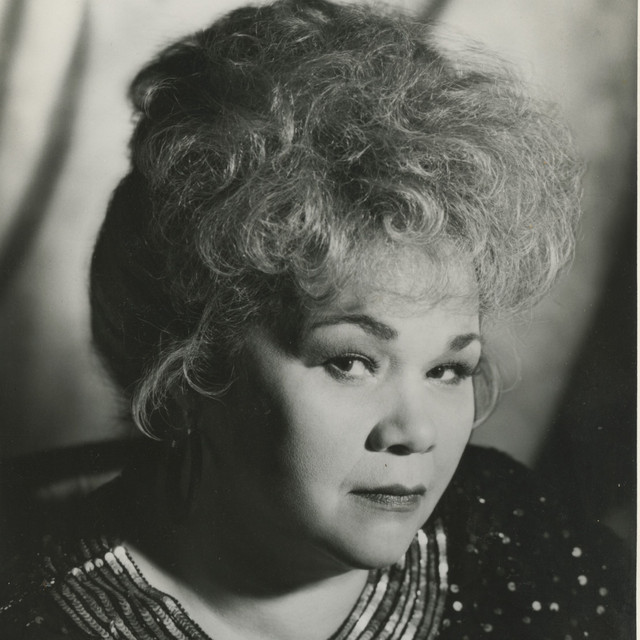
Her first two albums -- 1969's First Take and 1970's Chapter Two -- were well received but produced no hit singles; however, that all changed when a version of <a href="spotify:artist:3tetInyzmPXATzLBTzl125">Ewan MacColl</a>'s "The First Time Ever I Saw Your Face," from her first LP, was included in the soundtrack of the 1971 film Play Misty for Me. The single zoomed to number one in 1972 and remained there for six weeks, becoming that year's biggest hit. Flack followed it with the first of several duets with Howard classmate <a href="spotify:artist:0HU0U9kdXEHZVxUNbuQe8S">Donny Hathaway</a>, "Where Is the Love." "Killing Me Softly with His Song" became Flack's second number one hit (five weeks) in 1973, and after topping the charts again in 1974 with "Feel Like Makin' Love," Flack took a break from performing to concentrate on recording and charitable causes.
She charted several more times over the next few years, as she did with the Top Ten 1977 album Blue Lights in the Basement -- featuring "The Closer I Get to You," a number two ballad with <a href="spotify:artist:0HU0U9kdXEHZVxUNbuQe8S">Hathaway</a>. A major blow was struck in 1979 when her duet partner, one of the most creative voices in soul music, committed suicide. Devastated, Flack eventually found another creative partner in <a href="spotify:artist:49iKbKGqgn8OESkW5WduX0">Peabo Bryson</a>, with whom she toured in 1980. The two recorded together in 1983, scoring a hit duet with "Tonight, I Celebrate My Love."
Flack spent the remainder of the '80s touring and performing, often with orchestras, and also several times with <a href="spotify:artist:0kbYTNQb4Pb1rPbbaF0pT4">Miles Davis</a>. She returned to the Top Ten once more in 1991 with "Set the Night to Music," a duet with <a href="spotify:artist:3aTuTR5Nf6pVW3837q2ZL7">Maxi Priest</a> that appeared that year on the album of the same name. Her Roberta full-length, featuring interpretations of jazz and popular standards, followed in 1994. As she continued into the 21st century, Flack recorded infrequently but released albums like 2012's Let It Be Roberta: Roberta Flack Sings the Beatles, which showed that her poise and balanced singing had aged well. <a href="spotify:search:label%3A%22Varese+Sarabande%22">Varese Sarabande</a> released a lovingly remixed version of Flack's fine 1997 holiday album Christmas Songs (it had originally appeared on <a href="spotify:search:label%3A%22Capitol+Records%22">Capitol Records</a> under the title The Christmas Album) that same year, adding in an additional track, "Cherry Tree Carol." Roberta Flack died on February 24, 2025, only two weeks after she celebrated her 88th birthday. ~ Steve Huey, Rovi
Monthly Listeners
5.2 million
Monthly Listeners History
Track the evolution of monthly listeners over the last 28 days.
Followers
1.2 million
Followers History
Track the evolution of followers over the last 28 days.
Total Streams
1.4 billion
Total Streams History
Track the evolution of total streams over the last 28 days. This data is calculated from all tracks listed in the artist's discography.
Top Cities


Related Artists
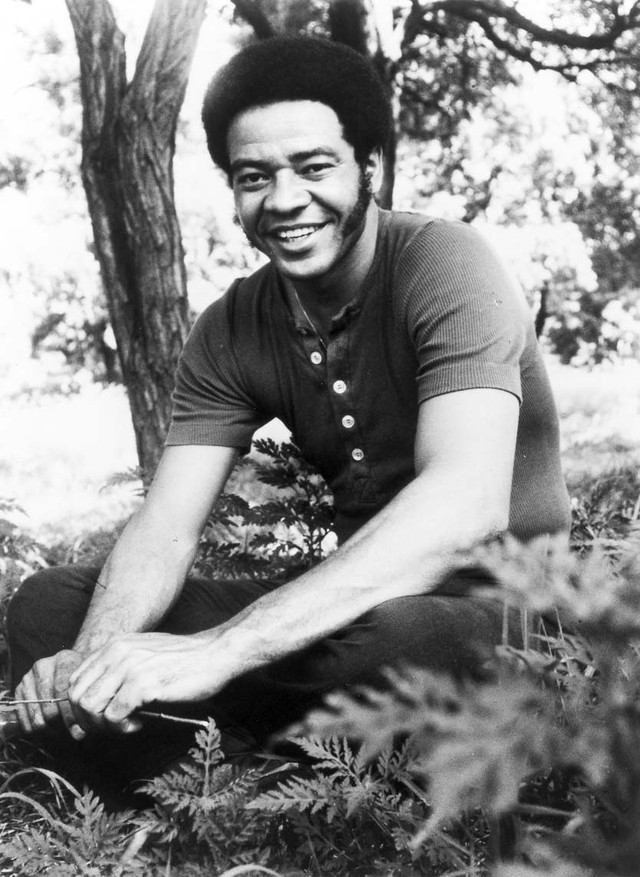
Bill Withers





![Compared to What (Remix) [feat. Terri Lyne Carrington, Angela Davis and Kassa Overall]](https://i.scdn.co/image/ab67616d00001e0219554f0be418863a6eb9e608)