Data may be outdated
Last updated: 1 month ago — Click refresh to get the latest statistics.
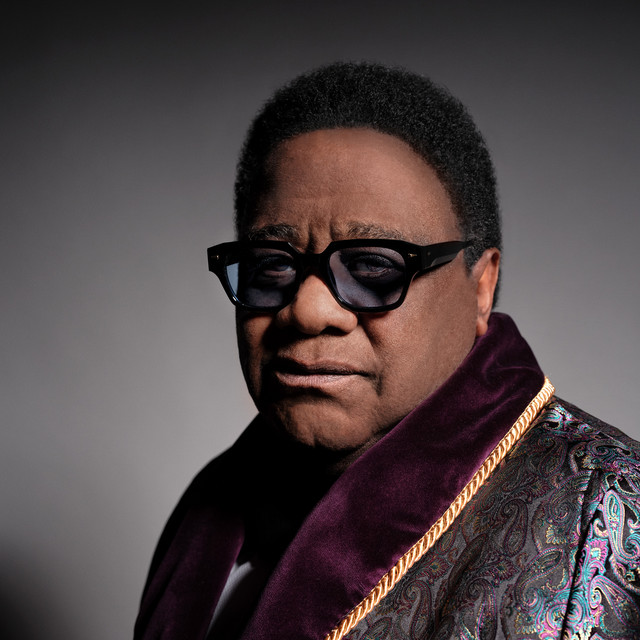
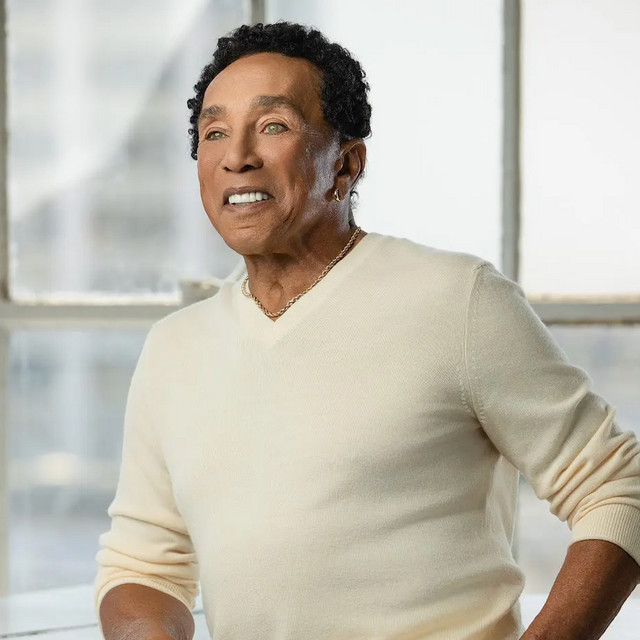
William Robinson, Jr. was born in Detroit, Michigan on February 19, 1940. He grew up in Detroit's Brewster housing project and picked up the nickname "Smokey Joe" from his Uncle Claude, which quickly stuck. Robinson first developed an interest in music by investigating his mother's record collection, which included classic sides by <a href="spotify:artist:1bgyxtWjZwA5PQlDsvs9b8">Sarah Vaughan</a>, <a href="spotify:artist:6htazaFMy8zs0f3sMtM2Pt">Billy Eckstine</a>, <a href="spotify:artist:4y6J8jwRAwO4dssiSmN91R">Muddy Waters</a>, and <a href="spotify:artist:1yNOfXGQNGjAynk77wv85x">John Lee Hooker</a>. Robinson's mother died when he was ten, and since his father was frequently on the road making his living as a truck driver, young Smokey was looked after by his older sister Geraldine, and in his early teens he began singing, performing in informal doo wop groups with his friends.
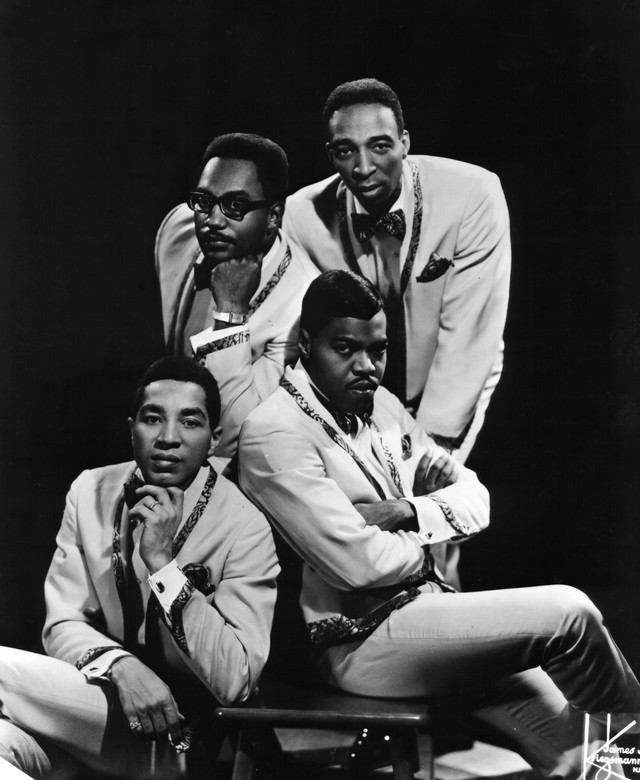
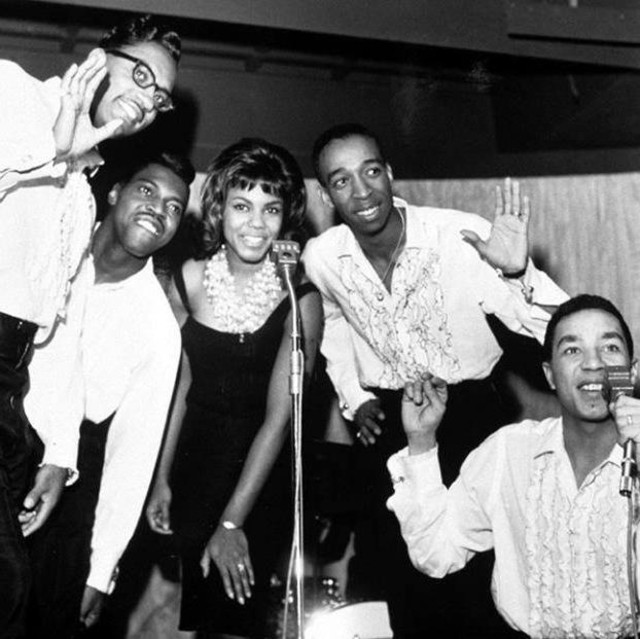
In 1955, Robinson assembled a vocal group called the Five Chimes, which featured his schoolmates Clarence Dawson, James Grice, Pete Moore, and Ronald White. In 1956, the group adopted a new name, the Matadors, after Dawson left and Emerson Rogers took his place, and a year later, Rogers and James Grice left the lineup, and Claudette Rogers and Bobby Rogers (respectively Emerson Rogers' sister and cousin) stepped in. With their new co-ed lineup, the name the Matadors was considered a poor fit, and they began calling themselves <a href="spotify:artist:6TqQLejnHXMGr7KcegxUND">the Miracles</a>. A guitarist, Marv Tarplin, joined the act in 1958, and <a href="spotify:artist:6TqQLejnHXMGr7KcegxUND">the Miracles</a> began making a name for themselves on Detroit's R&B scene.
In 1958, Robinson met <a href="spotify:artist:4xRLKAf96K6YdGDWjY6ra8">Berry Gordy</a>, a Detroit-based songwriter who had penned several hits for <a href="spotify:artist:4VnomLtKTm9Ahe1tZfmZju">Jackie Wilson</a> and was looking to make a name for himself in the music business. <a href="spotify:artist:4xRLKAf96K6YdGDWjY6ra8">Gordy</a> was impressed with <a href="spotify:artist:6TqQLejnHXMGr7KcegxUND">the Miracles</a> and Robinson's talents as a songwriter; he helped the band land a deal with <a href="spotify:search:label%3A%22End+Records%22">End Records</a> and <a href="spotify:artist:6TqQLejnHXMGr7KcegxUND">the Miracles</a> released their first single, "Got a Job" (an answer song to <a href="spotify:artist:5LmehwqsJa7a4Ya5SaqXpx">the Silhouettes</a>' hit "Get a Job") later that year. While the single sold well in Detroit, it didn't make much noise nationally, and follow-ups on the <a href="spotify:search:label%3A%22End%22">End</a> and <a href="spotify:search:label%3A%22Chess%22">Chess</a> labels fared no better. Robinson believed he and <a href="spotify:artist:4xRLKAf96K6YdGDWjY6ra8">Gordy</a> could do better themselves, and he urged <a href="spotify:artist:4xRLKAf96K6YdGDWjY6ra8">Gordy</a> to follow through on his idea of forming his own label. <a href="spotify:artist:6TqQLejnHXMGr7KcegxUND">The Miracles</a> became the first act signed to <a href="spotify:artist:4xRLKAf96K6YdGDWjY6ra8">Gordy</a>'s new record company, <a href="spotify:search:label%3A%22Motown%22">Motown</a>, and in 1960, their song "Shop Around," written by Robinson, was the first <a href="spotify:search:label%3A%22Motown%22">Motown</a> single to become a nationwide hit.
Throughout the '60s, <a href="spotify:artist:6TqQLejnHXMGr7KcegxUND">the Miracles</a> were a frequent presence on the pop and R&B charts, scoring hits with such songs as "Tracks of My Tears," "Mickey's Monkey," "You've Really Got a Hold on Me," "Going to a Go-Go," "Ooo Baby Baby," and many more. As Robinson became recognized as the creative force behind the group, their name was changed to <a href="spotify:artist:6TKOZZDd5uV5KnyC5G4MUt">Smokey Robinson & the Miracles</a> in 1966. Robinson also shared his talents with many other <a href="spotify:search:label%3A%22Motown%22">Motown</a> acts. He wrote "My Guy" and "The One Who Really Loves You" for <a href="spotify:artist:1cjZk1xXn3YCToNg3uJpA7">Mary Wells</a>, "My Girl," "Get Ready," and "The Way You Do the Things You Do" for <a href="spotify:artist:3RwQ26hR2tJtA8F9p2n7jG">the Temptations</a>, "Ain't That Peculiar" and "I'll Be Doggone" for <a href="spotify:artist:3koiLjNrgRTNbOwViDipeA">Marvin Gaye</a>, and "The Hunter Gets Captured by the Game" for <a href="spotify:artist:0MponVSpW81oLvJZ53vYZH">the Marvelettes</a>, among many others. As a vice-president at <a href="spotify:search:label%3A%22Motown%22">Motown</a>, Robinson was also a key part of the label's management and production team, and helped guide the company into being one of the most successful independent American record labels of all time.
Robinson fell in love with Claudette Rogers not long after she joined <a href="spotify:artist:6TqQLejnHXMGr7KcegxUND">the Miracles</a> and they were married in 1959. By 1969, Robinson was growing tired of dividing his time between his family, <a href="spotify:search:label%3A%22Motown%22">Motown</a>, and <a href="spotify:artist:6TqQLejnHXMGr7KcegxUND">the Miracles</a>, and he decided to retire from the group so he could spend more time at home and less time on the road. He postponed his departure when "Tears of a Clown" (recorded in 1966) unexpectedly became a major hit in 1970, but a year later, he launched a "farewell tour" with <a href="spotify:artist:6TqQLejnHXMGr7KcegxUND">the Miracles</a>, though the group would continue without him (and Robinson would write one of their latter-day hits, "Floy Joy").
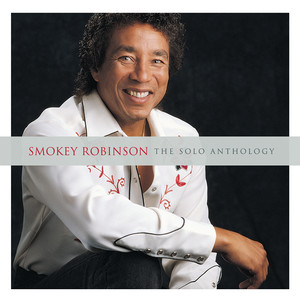
After a two-year layoff, Robinson returned to the recording studio with his first solo album, 1973's Smokey. The LP found Robinson focusing on midtempo romantic numbers as well as more mature and personal themes, which would carry over to his second solo effort, 1974's Pure Smokey. Robinson scored a pair of major R&B hits with 1975's A Quiet Storm, the title tune and "Baby, That's Backatcha," and the former tune would give a name to the sort of polished, romantic R&B that was becoming Robinson's stock in trade. Robinson continued to make his presence known on the charts with the Top Ten hits "Cruisin'" (from 1979's Where There's Smoke) and "Being with You" (from the 1981 album of the same name). The year 1987 was a memorable one for Robinson -- the album One Heartbeat would score a massive hit for him with the song "Just to See Her," which also earned him a Grammy, and he was also inducted into the Rock & Roll Hall of Fame (though the rest of <a href="spotify:artist:6TqQLejnHXMGr7KcegxUND">the Miracles</a> were not, much to his consternation). But this came near the end of an important era for Robinson -- in 1988, <a href="spotify:search:label%3A%22Motown%22">Motown</a> was sold to <a href="spotify:search:label%3A%22MCA%22">MCA</a>, and Robinson stepped down as vice-president. He parted from <a href="spotify:search:label%3A%22Motown%22">Motown</a> with Love Smokey, released in 1990, the same year he entered the Songwriters Hall of Fame and was handed a Lifetime Achievement Grammy. He signed with <a href="spotify:search:label%3A%22SBK+Records%22">SBK Records</a> for 1992's Double Good Everything.
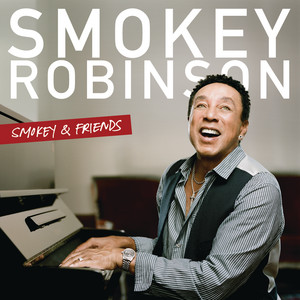
The end of <a href="spotify:search:label%3A%22Motown%22">Motown</a> came during a period for Robinson that was turbulent on personal and professional levels. Following the 1991 release of Double Good Everything, he wouldn't record again until 1999, when he released Intimate for the revived <a href="spotify:search:label%3A%22Motown%22">Motown</a>. In 2004, Robinson recorded a contemporary gospel album, Food for the Spirit, and a collection of standards, Timeless Love, followed in 2006. Robinson returned to the smooth soul sounds of his '70s and '80s solo work with 2009's Time Flies When You're Having Fun, released on his own label, <a href="spotify:search:label%3A%22Robso+Records%22">Robso Records</a>; several tracks from this album were matched with remakes of Robinson's <a href="spotify:search:label%3A%22Motown%22">Motown</a> hits for the collection Now & Then. In 2014, he released a <a href="spotify:search:label%3A%22Verve%22">Verve</a> album, Smokey & Friends, for which he remade 11 of his most popular compositions with a roster of duet partners that included <a href="spotify:artist:1sXbwvCQLGZnaH0Jp2HTVc">Linda Ronstadt</a>, <a href="spotify:artist:3PhoLpVuITZKcymswpck5b">Elton John</a>, and <a href="spotify:artist:1XkoF8ryArs86LZvFOkbyr">Mary J. Blige</a>. Christmas Everyday, his first holiday album since he left <a href="spotify:artist:6TqQLejnHXMGr7KcegxUND">the Miracles</a>, followed a few years later. In 2023, he issued Gasms, his first set of original material in over a decade. ~ Mark Deming, Rovi
Monthly Listeners
1.4 million
Monthly Listeners History
Track the evolution of monthly listeners over the last 28 days.
Followers
1.4 million
Followers History
Track the evolution of followers over the last 28 days.
Total Streams
733.5 million
Total Streams History
Track the evolution of total streams over the last 28 days. This data is calculated from all tracks listed in the artist's discography.
Top Cities



Related Artists

L.T.D.